• Home
  • About Us
    • Insurance
  • Clinics
    • Harriman
    • Port Jefferson Station
    • Brooklyn
    • Hempstead
  • Prosthetics
    • Prosthetic Options
    • Upper Limb
      • Arms
      • Hands
      • Fingers
      • Shoulder
      • Elbow
      • Wrist Joint
    • Lower Limb
      • Hip
      • Leg
      • Knee
      • Foot
      • Ankle
      • Toe
    • Athletic & Sports Prosthetics
    • Cosmetic Covers
    • Socket Systems
  • Orthotics
  • Resources
    • Blog
  • Contact
  • Home
  • About Us
    • Insurance
  • Clinics
    • Harriman
    • Port Jefferson Station
    • Brooklyn
    • Hempstead
  • Prosthetics
    • Prosthetic Options
    • Upper Limb
      • Arms
      • Hands
      • Fingers
      • Shoulder
      • Elbow
      • Wrist Joint
    • Lower Limb
      • Hip
      • Leg
      • Knee
      • Foot
      • Ankle
      • Toe
    • Athletic & Sports Prosthetics
    • Cosmetic Covers
    • Socket Systems
  • Orthotics
  • Resources
    • Blog
  • Contact
(914) 337-8600

Prosthetics for Seniors: What You Need to Know
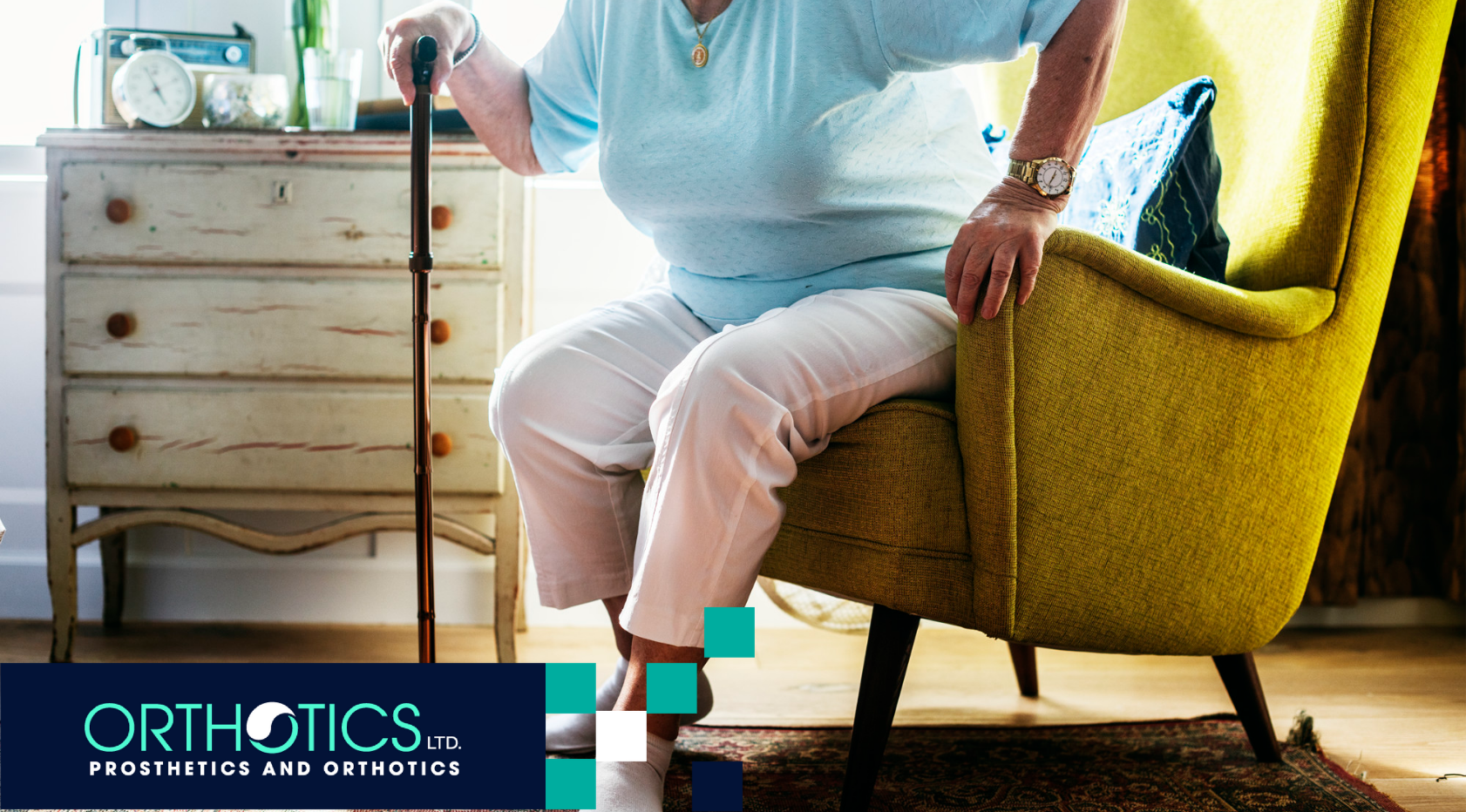
Prosthetics for Seniors: What You Need to Know
November 4, 2025 By Orthotics 0 comments
Find out how the right prosthetics for seniors can enhance comfort and safety. Get tips on fitting, mobility, and maintenance to promote confident daily living.

Key Highlights

  • Seniors face unique challenges (balance, comorbidities, skin health) when using prosthetics.
  • Proper prosthetic design prioritizes safety, ease of donning, and lightweight materials.
  • Rehabilitation, strength, and balance training are essential for success.
  • Ongoing adjustments and monitoring help maintain comfort and function.
  • A well-matched prosthetic can significantly enhance the quality of life and mobility.


Limb loss at any age presents challenges, but for older adults, these challenges often multiply. Age-related factors—such as reduced muscle strength, slower healing, comorbidities (diabetes, cardiovascular disease), and decreased balance capacity—affect how well a senior adapts to a prosthetic limb.

When selecting and adapting a prosthetic for seniors, it’s not just about restoring mobility. It’s about doing so in a way that respects safety, comfort, long-term maintainability, and the user’s goals. This guide walks through what seniors and caregivers should know: key design principles, rehabilitation strategies, risks, and how to support optimal outcomes.

Why Prosthetics for Seniors Matter

Enhancing Independence & Quality of Life

A well-fitting prosthesis can restore a degree of mobility often lost after amputation or limb loss. For many seniors, being able to stand, walk short distances, manage household tasks, or move safely within a space can dramatically improve self-esteem and reduce dependence on caregivers.

Beyond physical mobility, improved social interaction, reduced isolation, and better mental health often follow when mobility is regained.

Reducing Secondary Health Risks

Prolonged immobility increases risks of pressure ulcers, cardiovascular deconditioning, venous stasis, pneumonia, and bone demineralization. A functional prosthetic, used in collaboration with rehabilitation, helps mitigate some of these risks.

Moreover, distributing load symmetrically (rather than overusing the intact limb) may reduce overuse injuries on the non-amputated side.

Challenges Unique to Seniors

However, success is neither guaranteed nor simple. Older users often contend with:

  • More comorbid medical conditions (heart disease, diabetes, vascular disease)
  • Slower healing and poorer tissue quality
  • Decreased strength, balance, and coordination
  • Skin fragility, decreased sensation, and risk of ulcers
  • Cognitive decline, arthritis, or reduced dexterity that interferes with prosthetic control or donning
  • Higher energy cost of walking with a prosthesis, which may fatigue more quickly


One study observed that individuals aged 75+ are less likely to be prescribed prostheses (even adjusting for health variables).

Thus, prosthetic design and training must cater to these constraints.

Key Considerations When Choosing a Prosthetic for Seniors

When customizing a prosthesis for an older adult, several design and functional principles should guide decision-making:

Consideration Why It Matters for Seniors Design/Feature Implications
Safety & stability Falls risk is higher with age; the user needs confidence Stance-control knees, stable ankle/foot, secure socket fit
Ease of donning/doffing Limited dexterity, arthritis, or cognitive changes may hinder complex procedures Simpler suspension, quick-lock systems, magnetic or latch mechanisms
Weight & energy efficiency Heavier components increase fatigue and metabolic cost Use of lightweight materials (carbon fiber, titanium), minimal distal mass
Socket fit & tissue health Older skin is more fragile, subject to pressure or shear injury Well-padded liners, relief areas, and adjustable sockets
Adjustability & modularity The residual limb often changes shape post-amputation; future adjustments are required Removable panels, adjustable joints, and modular components
Component sophistication Technology can assist, but also add complexity, weight, and cost Microprocessor knees may help stability, but must be balanced vs complexity
Training & support Users may need more rehab time and closer monitoring Frequent follow-ups, tailoring the rehab program to older physiology

1. Level of Amputation & Its Implications

Below-knee (transtibial) prostheses are generally less demanding than above-knee (transfemoral) prostheses. Seniors with a transfemoral amputation require a functional knee joint, which increases complexity, weight, and energy demand.

2. Safety vs Efficiency: A Delicate Trade-off

Designers often face a balance between making a prosthesis stable (rigid, with fewer degrees of freedom) versus efficient (lightweight, with more motion). For seniors, safety often takes priority—better to slow gait than risk falls.

3. Suspension & Socket Interface

For older users, a good suspension system that is secure yet user-friendly is essential. Vacuum or active suspension systems may help maintain a good socket fit and reduce pistoning (residual limb movement inside the socket). But they must be manageable for the user and care team.

4. Donning Aids & Design Adaptations

Handles, color codes, or simplified alignment guides can assist users or caregivers in donning the prosthesis correctly. Magnetic couplers, wider access openings, and step-by-step alignment cues may help adherence and reduce frustration.


Rehabilitation & Training Strategies

A prosthesis is only as good as the training and support behind it. For seniors, a thoughtful rehabilitation pathway is critical.

1. Baseline Assessment

Before fitting, a thorough evaluation should include:

  • Cardiovascular capacity and endurance
  • Balance, proprioception, and gait capacity
  • Strength of remaining limb(s), core, and hips
  • Range of motion, joint limitations, contractures
  • Skin condition, residual limb shape, volume fluctuation
  • Cognitive, sensory, and visual status
  • Fall history and risk factors


This assessment guides both design and therapy plans.

2. Progressive Gait Training

Training typically progresses from:

  • Weight shifting and balance practice (in parallel bars, safety harness)
  • Step initiation and controlled steps (using aids—walker, cane)
  • Ambulation on level surfaces, turning, and obstacle negotiation
  • Gradual progression to ramps, stairs, and uneven ground as tolerated


Therapists must pace progression to avoid fatigue or injury.

3. Strength & Conditioning

Because older users often have sarcopenia or muscle weakness, targeted strength training (legs, hips, core) is essential. Even seated exercises may help build endurance and stability.

4. Balance & Neuromuscular Training

To reduce fall risk, exercises such as single-leg stance (as safe), proprioceptive drills, perturbation training, and sensory integration help the user adapt to the new limb.

5. Endurance & Gait Efficiency

Walking longer distances is energy-intensive with a prosthesis. Gradual endurance work (e.g., interval walking, treadmill use) helps the cardiovascular system adapt.

6. Psychological & Adaptive Support

Adjusting to limb loss is emotionally challenging, more so at an older age. Counseling, peer support, and adaptive task training (e.g., negotiating daily home environments) are part of holistic care.

Monitoring, Adjustments & Longevity

Seniors must be monitored closely to ensure comfort, safety, and prolonged success.

Frequent Follow-Up & Prosthetic Adjustments

Especially early on, visits should check:

  • Socket fit, alignment, pressure spots
  • Changes in residual limb volume or shape
  • Component wear, loosening, or mechanical issues
  • Skin breakdown, ulcerations, edema
  • Gait deviations or compensatory patterns
  • Fatigue or discomfort reports


Adjustments may include new liners, shell modifications, or realignment.

Maintenance & Replacement

Prosthetic components wear out or go out of date. For example, knees, feet, or suspension parts may need periodic replacement. Users should plan for regular inspection cycles (often annually, sometimes more frequently in heavy users).

Transitioning Phases of Use

Over time, the user and prosthetist may decide to:

  • Upgrade to lighter or more functional parts
  • Switch to simpler designs if maintenance becomes burdensome
  • Scale back use (for instance, limit prosthetic walking hours)
  • Modify the prosthesis to adapt to declining strength or function


Flexibility is key to long-term success.

Risks, Barriers & How to Mitigate Them

While prosthetics can offer enormous benefits, seniors must be aware of potential pitfalls:

Fall Risk & Instability

Falls remain one of the greatest dangers. Mitigation includes:

  • Using stable components (stance control, knees, stable ankles)
  • Close supervision and assistive devices during training
  • Home environment modifications (grab rails, non-slip floors)


Skin Injury, Pressure Sores & Ulcers

Older skin is more fragile; pressure, shear, moisture, or friction can trigger problems. Mitigation:

  • Frequent inspections (self or caregiver)
  • High-quality liners and cushioning
  • Relief channels in socket design
  • Limiting wear time initially, gradually increasing


Fatigue & Overuse

The extra energy cost of prosthetic walking can fatigue muscles, joints, and organs. Mitigation:

  • Use efficient gait training
  • Monitor cardiovascular responses
  • Allow rest periods, alternate walking with seated tasks


Cognitive & Dexterity Barriers

New devices with complex donning or robotic systems may overwhelm some users. Mitigation:

  • Choose simpler mechanisms when needed
  • Use visual or tactile cues to simplify tasks
  • Train caregivers in donning/maintenance


Comorbidity & Medical Decline

Conditions like osteoporosis, peripheral vascular disease, arthritis, or cardiac disease may interfere with ambulation or prosthetic use. Mitigation:

  • Coordinate care with medical providers
  • Conservative progression
  • Regular health monitoring


Non-Adherence / Abandonment

If a prosthesis is uncomfortable, difficult to use, or poorly matched, older users often abandon it. Mitigation:

  • Engage users and caregivers early in decision-making
  • Emphasize comfort, safety, and simplicity
  • Monitor satisfaction and adapt promptly


Outcomes & Realistic Expectations

Prosthetic success in seniors is more modest compared to younger users, but meaningful gains are common. According to the literature:

  • Many older prosthesis users walk shorter distances (often indoors or in community settings) rather than high-activity outdoors
  • Stability and confidence may improve more than speed
  • Some may use the prosthesis for transfers, standing, and short ambulation, rather than a full continuous gait
  • Even limited usage can reduce complications of immobility, enhance independence, and improve quality of life


Define goals early—perhaps progressive rather than elite mobility. Success might look like walking from bedroom to bathroom, navigating one floor of the living space, or reducing caregiver burden.

Tips for Seniors & Caregivers: Best Practices

  1. Involve the user in design decisions: allow input about what is tolerable, manageable, or preferred.
  2. Start slow: early wear sessions should be brief, gradually increasing usage time.
  3. Use assistive devices initially: walkers, poles, or parallel bars support confidence.
  4. Encourage consistent skin checks: even small redness should prompt adjustment.
  5. Maintain overall health: good nutrition, cardiovascular fitness, and bone health contribute.
  6. Monitor for signs of overuse or pain: back pain, joint strain on non-amputated limb, fatigue.
  7. Ensure caregiver training: caregivers may assist with donning, cleaning, adjustments, and monitoring.
  8. Stay in communication with the prosthetist and rehab team: prompt adjustments can prevent frustration or injury.


Looking Forward

Choosing a prosthetic for seniors is a careful balancing act. One must combine considerations of safety, usability, comfort, and realistic function, while accommodating the user’s physiologic limitations and goals. Rehabilitation, consistent monitoring, and flexibility in design are essential. When well done, the prosthetic is not just a device — it’s a tool that helps an older person reclaim autonomy, dignity, and connection to the world.

If you or a loved one is exploring prosthetic solutions tailored for seniors, the team at Orthotics Ltd. is ready to bring years of prosthetic expertise, patient-centered fitting, and compassionate support to your journey. Reach out today!

Frequently Asked Questions

1. What makes a prosthetic for seniors different from standard prosthetics?

A prosthetic for seniors is specifically designed with safety, comfort, and ease of use in mind. These devices often feature lightweight materials, simpler donning systems, and enhanced stability components to reduce fall risk and accommodate age-related challenges like arthritis or limited dexterity.

2. How long does it take for seniors to adapt to a new prosthetic?

Adaptation time varies depending on the senior’s overall health, amputation level, and participation in rehabilitation. On average, it may take several weeks to months of consistent therapy and adjustment before comfortable daily use is achieved. Patience, strength training, and guided support from rehabilitation professionals are key.

3. How can seniors prevent skin problems while using a prosthetic?

Skin health is crucial for prosthetic success. Seniors should perform daily skin inspections, keep the limb clean and dry, use properly fitted liners, and schedule regular prosthetic checkups. Any redness, blisters, or sores should be reported immediately to a prosthetist or healthcare provider.

4. What kind of rehabilitation is needed after getting a prosthetic?

Rehabilitation typically includes gait training, strength building, and balance exercises tailored to the senior’s physical capacity. Therapists may also focus on endurance and coordination training to ensure safety and confidence in everyday activities.

5. How often should a senior’s prosthetic be adjusted or replaced?

Prosthetics should be evaluated regularly—often every 6 to 12 months—to ensure proper fit and function. As residual limbs change shape or strength declines, adjustments are necessary. Components like liners or suspension systems may need earlier replacement due to wear and tear.


Sources:

  • https://www.physio-pedia.com/Older_People_with_Amputations
  • https://pmc.ncbi.nlm.nih.gov/articles/PMC3700729/
  • https://pmc.ncbi.nlm.nih.gov/articles/PMC7422482/
  • https://pamhealth.com/resources/coping-with-limb-loss-tips-and-strategies/
  • https://pmc.ncbi.nlm.nih.gov/articles/PMC5788262/
Prosthetic for Seniorsprosthetics
Copied!
previous post
The Role of Orthotics in Post-Surgery Recovery
next post
Home Exercises for Prosthetic Users: Safe & Effective Guide

Related Posts

Prosthetics and cosmetic covers being made
When to Replace Cosmetic Prosthetic Covers
Learn when to replace your prosthetic cosmetic covers for comfort, durability, hygiene,...
Read more
A perosn wearing prosthetics sitting on a chair with a blue background
How Socket Design Impacts Prosthetic Performance
Learn how prosthetic socket design affects comfort, gait efficiency, and performance —...
Read more
An amputee wearing prosthetics sitting on a grass ooutdoors
Prosthetic Feet Options for Outdoors
Discover prosthetic feet options for outdoors — from hiking to cycling and...
Read more
An amputee athlete fixing his prosthetic
Future Trends in Sports Prosthetics & Performance
Explore future trends in sports prosthetics, from AI‑powered limbs to 3D‑printed custom...
Read more
Prosthetic accessories
Prosthetic Accessories That Make Daily Life Easier
Discover essential prosthetic accessories that improve comfort, mobility, and ease of daily...
Read more
An athletic amputee wearing prosthetic standing in a track field
How to Prevent Injuries While Using Sports Prosthetics
Learn how to prevent injuries while using sports prosthetics, including training tips,...
Read more
A prosthetic leg
Hard vs Soft Socket Systems: Key Differences
Learn the differences between hard and soft socket systems for prosthetics, including...
Read more
An amputee wearing a prosthetic riding a stationary bicycle
The Role of Cosmetic Covers for Prosthetics in Boosting Confidence
Discover how cosmetic covers for prosthetics boost confidence, improve aesthetics, and enhance...
Read more
An athlete wearing a prosthetic training in a track
Tips for Training with an Athletic Prosthetic
Learn tips for training with an athletic prosthetic, including exercises, safety strategies,...
Read more
Two experts during prosthetics making
Evolution of Prosthetic Options Over Time
Discover how prosthetic options have evolved over time, from basic designs to...
Read more
An amputee wearing a prosthetic standing outdoors wearing jeans and white shoes
Adaptive Prosthetic Fashion: Dress Comfortably & Confidently
Discover adaptive prosthetic fashion techniques to dress comfortably and confidently with your...
Read more
A medical staff stretching a woman's feet
Can Orthotics Correct Uneven Leg Length? What Science Says
Explore how orthotics can correct uneven leg length, when they help leg...
Read more
A model of a foot used for clinics and foot insoles held by a doctor
Do Orthotics Really Work? What Science Says
Explore whether orthotics really work, reviewing what science says about orthotic benefits,...
Read more
A man eating a healthy plate of food
Nutrition Tips for Orthotic Users: Healthy Eating Guide
Key Highlights Proper nutrition plays a crucial role for orthotic users in...
Read more
An athlete wearing prosthesis running in a track
Prosthetics in the Paralympics: Inspirational Stories of Technology & Triumph
Explore the advancement of prosthetics in the Paralympic Games through stirring stories...
Read more
A person is stretching his foot
Common Orthotics Myths — Debunked!
common orthotics myths
Read more
A patient lying on a hospital bed with doctors surrounding him
Overcoming Fear of Amputation: Mental Preparation Tips
Learn how to overcome the fear of amputation with mental preparation strategies,...
Read more
An amputee wearing prosthetics doing home exercise
Home Exercises for Prosthetic Users: Safe & Effective Guide
Discover home exercises for prosthetic users to build strength, balance, gait confidence,...
Read more
A doctor assisting a patient's foot
The Role of Orthotics in Post-Surgery Recovery
Discover how orthotics in post-surgery recovery help stabilize joints, reduce strain, and...
Read more
A woman is stretching her foot
Footwear Mistakes That Can Damage Your Orthotics
Learn the common footwear mistakes that can damage your orthotics and discover...
Read more
A man putting an insole into a shoe
Different Types of Orthotics Explained
Discover the different types of orthotics, from spinal orthoses to the advanced...
Read more
An amputee wearing prosthetics sitting on a bench
Upper Limb Prosthetics Options: What You Need to Know
Explore this guide to upper limb prosthetics options, from body-powered to myoelectric...
Read more
An amputee wearing prosthetics standing
Exploring Different Lower Limb Prosthetics Options
Explore the full range of lower limb prosthetics options, from hip to...
Read more
A runner is running in a track wearing prosthetics
Sports Prosthetic Types: What They Are & What They Do
Explore the different sports prosthetic types, from running to horseback riding, and...
Read more
An insurance policy paperwork
Prosthetics and Orthotics Insurance: How Orthotics Ltd. Handles It
Learn how prosthetics insurance and orthotics insurance work, and how our team...
Read more
A cyclist wearing prosthetics
How Sport Prosthetics Work: Can One Be Used for Multiple Sports?
Explore how sport prosthetics work, whether one device can support multiple activities,...
Read more
An amputee wearing prosthetics doing stretches with his therapist during occupational therapy
How Occupational Therapy Helps Upper Limb Prosthetic Users
Discover how occupational therapy supports upper limb prosthetic users, improving function, mobility,...
Read more
An amputee wearing prosthesis sitting on the grass
How Myoelectric Prosthetics Work: A Complete Guide
Learn how myoelectric prosthetics work, their components, control mechanisms, benefits, and tips...
Read more
An amputee wearing a lower-limb prosthesis stretching his legs
Living with a Lower-Limb Prosthesis: Tips for Daily Life
Discover practical tips for living with a lower-limb prosthesis, from daily care...
Read more
A woman laying on a bed for orthotics fitting
Early Signs You Might Need an Orthotic Device
Learn the early signs you might need an orthotic device, how orthotic...
Read more
A doctor checking a patients foot for custom prosthetics in New York City
How to Choose Custom Prosthetics in New York City
Learn how to choose a prosthetic clinic offering custom prosthetics in New...
Read more
Two medical professionals working together on osseointegration prosthetics
Osseointegration: What It Is & Who Qualifies
Learn about osseointegration, the benefits of an osseointegrated prosthetic limb, and who...
Read more
An amputee wearing a prosthetic
Debunking Common Myths About Prosthetic Limbs
Explore common myths about prosthetic limbs and debunk the misconceptions. Learn how...
Read more
An amputee wearing a prosthetic leg skating outdoors
What Is the Difference Between Prosthetics and Orthotics?
Discover the difference between prosthetics and orthotics, including definitions, purposes, applications in...
Read more
A woman wearing a prosthetic sitting on grass
Women in Prosthetics: Stories of Strength & Recovery
Explore inspiring accounts of women in prosthetics whose journeys with prosthetics women...
Read more
An amputee wearing a prosthetic limb is doing physical therapy
Physical Therapy After Prosthetic Limb: Key Role & Benefits
Discover how physical therapy after prosthetic limb fitting accelerates adaptation, improves gait,...
Read more
A kid with cerebral palsy
The Benefits of Orthotics for Cerebral Palsy Patients
Discover how orthotics for cerebral palsy help stabilize joints, enhance gait, and...
Read more
An elderly person sitting on a bed holding her foot
Orthotics for Seniors: Mobility Support and Fall Prevention
Learn how orthotics for seniors improve balance, mobility, and prevent falls. Discover...
Read more
A runner wearing orthotics running up the stairs
Orthotics for Runners: Reducing Injury Risk and Enhancing Performance
Discover how orthotics for runners improve comfort, prevent injuries, and boost performance....
Read more
An amputee wearing a prosthetic stretching outdoors
Orthotics for Back Pain: Improve Posture and Reduce Discomfort
Discover how orthotics for back pain can enhance posture, alleviate discomfort, and...
Read more
A medical practitioner helping a kid fit a pediatric orthotics
Custom Orthotics for Children: Early Intervention
Explore the benefits of custom orthotics for children, pediatric orthotics, and how...
Read more
A guy holding shoe insoles
Signs You Might Benefit from Custom Orthotics
Explore signs you might benefit from custom orthotics and prosthetics, and learn...
Read more
An amputee wearing a prosthetic sitting on the grass
Emergency Prosthetic Care: What to Do When Accidents Happen
Learn essential prosthetic care and emergency prosthetic care tips so you know...
Read more
An amputee wearing prosthetics sitting on a couch
Psychological Benefits of Wearing Custom Prosthetics
Discover the psychological benefits of custom prosthetics, how they boost confidence, self-esteem,...
Read more
A custom foot insole
Orthotics vs. Over-the-Counter Insoles: What’s the Difference?
Explore the difference between custom orthotics vs. over-the-counter insoles. Discover the benefits...
Read more
Orthotics fitting for a patient with diabetes
Custom Orthotics for Diabetes: Diabetic Foot Care Solutions
Discover custom orthotics for diabetes, providing foot care, and preventing foot ulcers...
Read more
A person walking on the grass barefoot
Custom Orthotics for Common Foot Conditions Prevention and Treatment
Discover how custom orthotics prevent and treat common foot conditions with personalized...
Read more
An amputee wearing a prosthetic sitting on the grass
Life After Limb Loss: Inspirational Stories from Amputees
Explore empowering prosthetic success stories and amputee journey tales, highlighting life after...
Read more
An amputee wearing advanced prosthetics
Top 5 Most Advanced Prosthetic Limbs in 2025
Discover the top 5 advanced prosthetic limbs of 2025, from bionic knees...
Read more
An amputee applying for prosthetic grants and financial aid
How to Apply for Prosthetic Grants and Financial Aid
Learn how to apply for prosthetic grants and financial aid, limb loss...
Read more
An amputee support group having a meeting
Finding Amputee Support Groups Near You: Local Prosthetic Communities
Discover amputee support groups, prosthetic peer support, and your local prosthetic community...
Read more
An amputee wearing prosthetic doing outdoor stretches
Can I Get Insurance Coverage for Prosthetic Limbs?
Learn about insurance coverage for prosthetic limbs, including what is covered, types...
Read more
An amputee wearing a prosthetic walking outdoors
Cost of Prosthetic Limbs in 2025: Prices Explained
Discover the cost of prosthetic limbs in 2025, including prosthetic arm cost,...
Read more
An amputee wearing a prosthetic
How Prosthetics Work: Understanding Functional Prosthetics
Learn how prosthetics work, explore prosthetic limb technology, and discover the benefits...
Read more
A prosthetist talking to an amputee about customizing prosthetics
Custom Prosthetic Limbs: The Prosthetist Process Explained
Learn more about custom prosthetic limbs. Explore the prosthetist process, prosthetic fitting...
Read more
An amputee wearing a prosthetic
Hydraulic vs. Microprocessor Prosthetic Knees: Pros and Cons
Explore the pros and cons of hydraulic vs. microprocessor prosthetic knees. Discover...
Read more
An amputee with a prosthetic leg sitting on the grass
Above-Knee vs. Below-Knee Prosthetics: Key Differences Explained
Learn the differences between above-knee and below-knee prosthetics. Explore transfemoral vs transtibial...
Read more
An amputee with a prosthetic leg stretching out
Daily Life with a Prosthetic Leg: Tips for New Users
Explore tips and practical advice for adapting to prosthetic limbs. Learn how...
Read more
An amputee with a prosthetic limb is on the phone while holding a cup of coffee
Returning to Work with a Prosthetic Limb: What You Need to Know
Discover tips for returning to work with a prosthetic limb, understanding workplace...
Read more
A father with prosthetic is walking with her daughter
Support for Amputees: A Guide for Families
Learn effective support for amputees with caregiver tips. Discover strategies for family...
Read more
An amputee wearing prosthetics is walking on grass
Coping with Limb Loss: Mental Health Resources for Amputees
Explore mental health after amputation and strategies for emotional recovery limb loss....
Read more
An amputee wearing prosthetics running outdoors
Best Footwear for Prosthetic Users: Comfort & Fit Tips
Discover the best shoes for prosthetic legs. Learn tips on footwear for...
Read more
A bilateral amputee wearing prosthetics sitting on a bench in a park
Prosthetic Options for Bilateral Amputees
Explore prosthetic options for bilateral amputees. Learn about double amputation prosthetic options...
Read more
An amputee with prosthetic legs running in a field
Signs It’s Time to Replace Your Prosthetic Limb
Learn the key signs it’s time for prosthetic limb replacement. Discover wear...
Read more
An amputee with prosthetics is running outdoors
The Future of Prosthetic Bionic Limbs: What’s Next?
Explore prosthetic bionic limbs technology, AI in prosthetics, and the future of...
Read more
An amputee with a prosthetic legs is standing outdoors
Building Confidence After Getting a Prosthetic Limb
Discover strategies for confidence with prosthetic limbs, boosting self-esteem after limb loss,...
Read more
An amputee is holding his prosthetic leg
Prosthetic Leg Types: Choosing the Right Leg Prosthesis
Explore prosthetic leg types, tips for choosing a prosthetic leg, and leg...
Read more
A traveler with a prosthetic limb
Traveling with a Prosthetic Limb: TSA, Packing, and Comfort Tips
Learn how to travel with prosthetic limb safely, navigate TSA prosthetic travel...
Read more
A man wearing prosthetics sitting
What Causes Prosthetic Discomfort—and How to Fix It
Learn about prosthetic pain relief, common causes of socket discomfort, and prosthetic...
Read more
A woman with prosthetics is choosing a playlist for her run
Prosthetics and Physical Fitness: Exercise Tips for Amputees
Discover our prosthetic fitness guide with expert amputee workouts and exercise tips...
Read more
A man with an upper limb prosthetic is holding an apple
Upper Limb Prosthetics: What You Should Know
Learn everything about upper limb prosthetics, including arm prosthetics, upper extremity prosthesis...
Read more
A teen with prosthetics doing yoga outdoors
Prosthetics for Teens: Balancing Style, Sports, and School Life
Explore how teen amputee prosthetics and youth prosthetic limbs help teenagers balance...
Read more
An amputee walking with leg prosthetic
Socket Technology in Prosthetics: Why It Matters
Learn how socket fit and custom socket prosthetic designs impact prosthetic socket...
Read more
A man with prosthetics walking outdoors
How Smart Prosthetics Are Changing Lives
Explore how smart prosthetics, sensor prosthetics, and neural-controlled prosthetics are transforming mobility...
Read more
An amputee woman with a prosthetic leg is carrying a yoga mat outdoors
Discovering Yoga and Stretching for Lower Limb Amputees
Key Highlights Gain insight into adaptive yoga and how it supports mobility,...
Read more
Two prosthetist workers making prosthetic leg while working in laboratory
How to Choose a Prosthetic Provider Near You: A Complete Guide
Key Highlights Learn essential steps for selecting the best prosthetic provider near...
Read more
Sportsman with prosthetic leg getting ready for training
Insurance Coverage for Prosthetics: What’s Typically Included?
Key Highlights Health insurance plans often provide varying levels of insurance coverage...
Read more
A little girl with a prosthetic leg is sitting on a couch
Pediatric Prosthetics: Special Considerations for Children
Key Highlights Pediatric prosthetics are specialized devices designed to meet the unique...
Read more
A walking man with prosthetic legs and white sneakers
3D Printed Prosthetics: Are They Reliable?
Key Highlights 3D-printed prosthetics are transforming the manufacturing process of prosthetic devices,...
Read more
A man with prosthetic leg is running on a playing field
Can You Play Sports with a Prosthetic Leg?
Key Highlights A prosthetic leg enables amputee athletes to actively pursue various...
Read more
A male surfer with prosthetic legs is standing on beach sand holding a surf board
Caring for Your Prosthetic Limb: Cleaning and Maintenance Guide
Key Highlights Maintaining your prosthetic limb through daily cleaning ensures its longevity...
Read more
A physical therapist is assisting a patient after amputation
Physical Therapy After Amputation: Why It Matters
Key Highlights Physical therapy plays a pivotal role in the rehabilitation process...
Read more
A disabled young man with foot prosthesis sitting outdoor
What to Expect After Amputation: Choosing the Right Prosthetic
Key Highlights Amputation recovery involves physical healing, emotional adjustments, and psychological preparation...
Read more
A sporty man with a prosthetic leg
What Is a Prosthetic Limb? A Beginner’s Guide
What is a prosthetic limb? Discover the types, benefits, and how prosthetics...
Read more
image
Get a new limb for a new lease on life.
Reach out to discuss your prosthetic options.
Schedule a consultation today
Facebook-f Pinterest Twitter Linkedin-in
Quick Links
  • About
  • Prosthetics
  • Athletic & Sports Prosthetics
  • Orthotics
  • Contact
Locations
  • Harriman
  • Port Jefferson Station
  • Brooklyn
  • Hempstead
Contact Us
  • (914) 337-8600
  • [email protected]
Copyright © 2025 Orthotics Ltd. All rights reserved.

Website by CWS

Call Us
Facebook-f Pinterest Twitter Linkedin-in
Quick Links
  • About
  • Prosthetics
  • Orthotics
  • Locations
  • Patient Stories
  • Contact
Locations
  • Harriman
  • Port Jefferson Station
  • Brooklyn
  • Hempstead
Contact Us
  • (914) 337-8600
  • [email protected]
Copyright © 2025 Orthotics Ltd. All rights reserved.

Website by CWS

Forgot password?