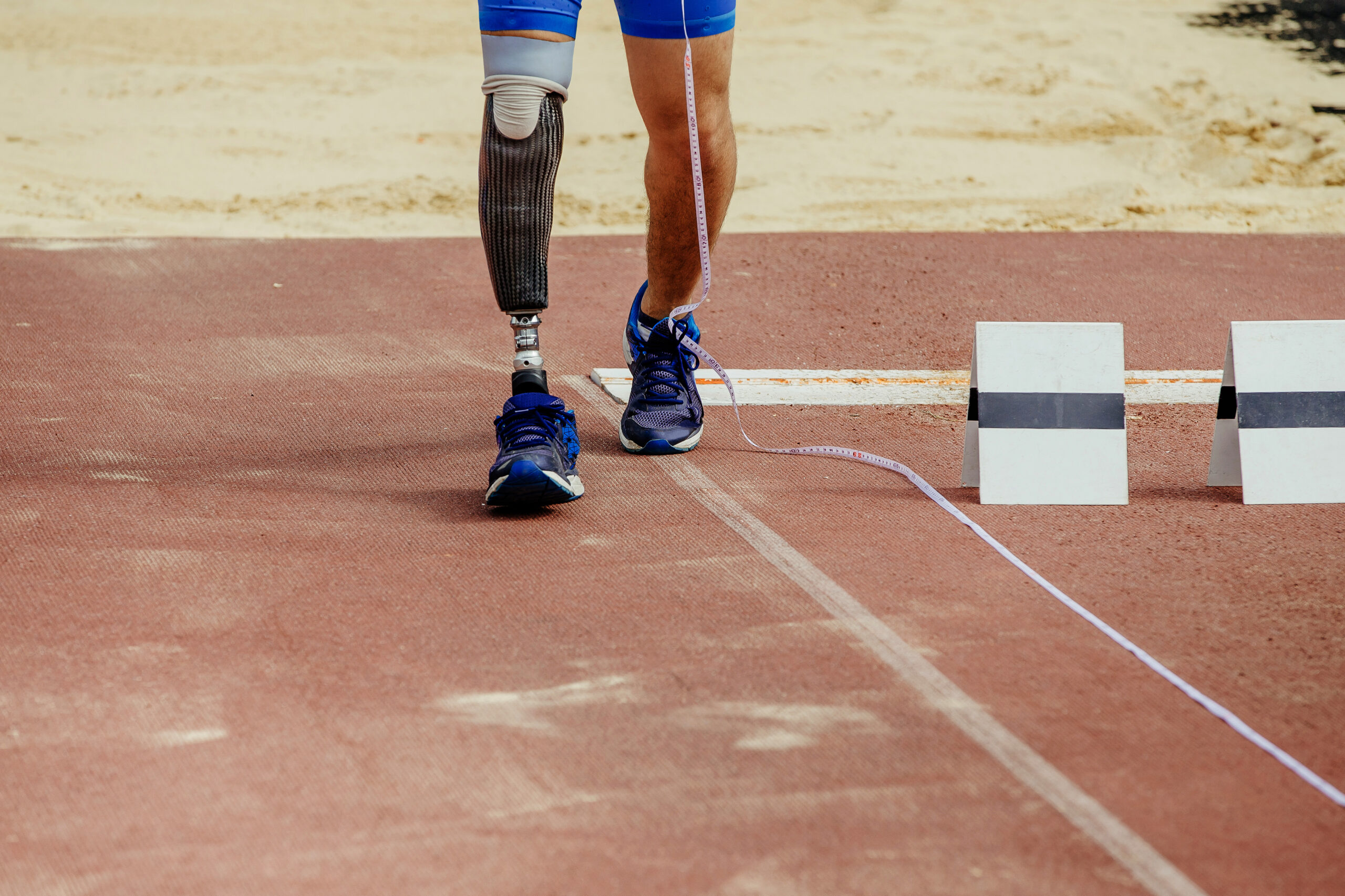
Daily Life with a Prosthetic Leg: Tips for New Users

Key Highlights
- Daily life with a prosthetic leg requires patience, practice, and a willingness to adapt.
- New users benefit from a structured routine, proper prosthetic care, and realistic expectations.
- Supportive tools, accessories, and home adjustments make adapting to prosthetic limbs easier.
- Exercise, physical therapy, and mobility training help improve balance, stamina, and confidence.
- Emotional adjustment is just as important as the physical; peer support and self-care play vital roles.
- Long-term success relies on prosthetic maintenance, healthy habits, and staying connected with specialists.
Beginning life with a prosthetic leg marks a significant milestone in regaining independence after amputation. For new users, the transition can feel overwhelming. It involves not just learning to walk again, but also adapting to everyday routines, managing comfort, and rebuilding confidence.
The journey may not be simple, but with preparation, patience, and the right guidance, daily life can become more manageable—and even empowering. This guide provides practical prosthetic leg tips and advice for anyone navigating life with their first prosthetic. From mobility training and self-care to emotional adjustment and lifestyle changes, you’ll find strategies to help you succeed in adapting to prosthetic limbs.
Understanding the Adjustment Period
The Early Weeks
The first few weeks with your prosthetic leg are often the most challenging. You’ll be learning how to walk, balance, and perform tasks differently. Fatigue, soreness, and even frustration are normal. The key is consistency—regular practice makes a noticeable difference over time.
Emotional Adaptation
Adjusting emotionally is just as important as physical adaptation. Feelings of anxiety, frustration, or self-consciousness are common. Support groups, therapy, or simply sharing experiences with other prosthetic users can encourage.
Realistic Expectations
Progress varies from person to person. Setting realistic goals helps you celebrate small milestones, whether it’s walking across the room unassisted or completing a full workday with your prosthetic leg.
Daily Routine Tips for Living with a Prosthetic Leg
Morning Preparation
- Inspect your limb and prosthetic socket for irritation.
- Ensure your liner or sock is clean and fits snugly.
- Check the prosthetic for any signs of wear before putting it on.
During the Day
- Take short breaks to relieve pressure on your residual limb.
- Adjust sock ply (thickness) if swelling or volume changes occur.
- Practice good posture while sitting, standing, and walking.
Evening Care
- Remove the prosthetic and inspect your skin for redness or sores.
- Clean the liner, socket, and any fabric covers.
- Stretch and do gentle exercises to reduce stiffness.
Common Challenges and Solutions
| Challenge | Solution |
|---|---|
| Skin Irritation | Keep liners clean, use skin-safe moisturizers, and adjust sock ply |
| Balance Issues | Work with a physical therapist, use mobility aids during transition |
| Fatigue | Take breaks, gradually increase walking distance, and strengthen core muscles |
| Sweating in Socket | Use moisture-wicking liners, change socks if damp |
| Discomfort from Fit Changes | Schedule adjustments with your prosthetist when needed |
Prosthetic Leg Tips for Improving Mobility
- Start Small: Begin with short walks and simple movements before progressing to more complex activities.
- Use Assistive Devices: Canes or walkers can help early in the transition, offering stability while you build confidence.
- Focus on Core Strength: Strong abdominal and back muscles improve balance and walking efficiency.
- Practice on Different Surfaces: Walking on grass, carpet, and pavement helps you adapt to real-life conditions.
- Work with Professionals: Physical therapists and prosthetists provide tailored training and adjustments for comfort.
Adapting Your Home Environment
Making small modifications around the house can reduce frustration and increase independence:
- Install railings in hallways or near stairs.
- Use non-slip mats in the bathroom.
- Rearrange furniture to allow clear walking paths.
- Keep essential items within easy reach to avoid unnecessary strain.
Exercise and Physical Therapy
Physical therapy is a cornerstone of adapting to prosthetic limbs. Exercise improves mobility, reduces discomfort, and strengthens the muscles supporting your prosthetic use.
Recommended Activities
- Stretching: Reduces stiffness and keeps your muscles flexible.
- Strength Training: Focus on legs, hips, and core.
- Balance Exercises: Standing on one leg, using balance boards, or doing gentle yoga.
- Cardio: Walking, swimming, or cycling (with modifications).
Emotional and Social Adjustment
Adapting to prosthetic life isn’t just physical. Emotional resilience plays a big role in success:
- Seek Peer Support: Talking to others living with prosthetics offers valuable encouragement.
- Be Patient: Accept setbacks as part of the journey, not as failures.
- Address Body Image Concerns: Many people feel self-conscious initially, but confidence grows with time.
- Celebrate Progress: Recognize every achievement, no matter how small.
Long-Term Habits for Success
- Regular Prosthetist Visits: Adjustments may be needed as your body changes.
- Skin Care Routine: Prevent irritation by keeping the residual limb clean and moisturized.
- Healthy Lifestyle: Balanced diet, regular exercise, and hydration improve overall well-being.
- Stay Informed: New prosthetic technology can enhance mobility and comfort.
Final Thoughts
Living with a prosthetic leg is a journey that requires patience, adaptability, and resilience. The process involves both physical and emotional changes, but with the right approach, daily life can become smoother and more fulfilling. By building healthy routines, practicing mobility exercises, and seeking support, you can adapt successfully to prosthetic limbs and live confidently.
At Orthotics Ltd., we are dedicated to helping individuals navigate life with prosthetics by providing expertly crafted devices that support comfort, mobility, and independence. Reach out today!
Frequently Asked Questions
1. How long does it take to get used to living with a prosthetic leg?
It varies for each person. Some adapt within weeks, while others take several months, depending on health, activity level, and prosthetic type.
2. What are the best prosthetic leg tips for reducing discomfort?
Keep the liner clean, adjust sock ply as needed, and schedule regular fittings with your prosthetist.
3. Can I exercise while adapting to prosthetic limbs?
Yes. In fact, exercise is encouraged. Physical therapy, strength training, and low-impact cardio help improve balance and stamina.
4. How do I deal with skin irritation from my prosthetic?
Maintain proper hygiene, moisturize your skin, and use moisture-wicking liners. If irritation persists, consult your prosthetist.
5. Will I ever be able to walk without assistance again?
Most prosthetic users regain independent mobility, though progress depends on your health, rehabilitation, and commitment to practice.
Sources:
- https://www.limbs4life.org.au/news/what-to-expect-in-the-first-12-months
- https://pamhealth.com/resources/coping-with-limb-loss-tips-and-strategies/
- https://amputeestore.com/blogs/prosthetic-guides/how-do-i-deal-with-friction
- https://www.hopkinsmedicine.org/health/treatment-tests-and-therapies/amputation/amputation-recovery-and-rehabilitation