Above-Knee vs. Below-Knee Prosthetics: Key Differences Explained

Key Highlights
- The main difference between prosthetic types lies in the level of amputation: above-knee prosthesis (transfemoral) vs. below-knee prosthesis (transtibial).
- Above-knee prosthetics require a mechanical or microprocessor knee joint, while below-knee prosthetics rely primarily on ankle and foot function.
- Mobility, energy use, comfort, and rehabilitation time vary between the two prosthetic options.
- Choosing between transfemoral vs transtibial prosthetics depends on individual goals, lifestyle, and physical condition.
- Rehabilitation, prosthetic technology, and ongoing care are crucial to long-term success with both prosthesis types.
- Understanding these differences helps new users set realistic expectations and make informed decisions.
Prosthetic technology has advanced significantly, offering individuals with limb loss greater independence, comfort, and mobility than ever before. However, not all prosthetic limbs are the same. One of the most important distinctions lies in whether the prosthesis is designed for above-knee (transfemoral) or below-knee (transtibial) amputations.
While both serve the essential purpose of restoring mobility, the design, functionality, and rehabilitation process differ considerably. For new prosthetic users, understanding the differences between an above-knee prosthesis and a below-knee prosthesis is vital to setting expectations, planning rehabilitation, and choosing the right device for your lifestyle.
This guide will break down the key differences between transfemoral vs transtibial prosthetics, explain how each works, and provide insights into daily use and long-term outcomes.
Understanding the Basics
What is a Below-Knee (Transtibial) Prosthesis?
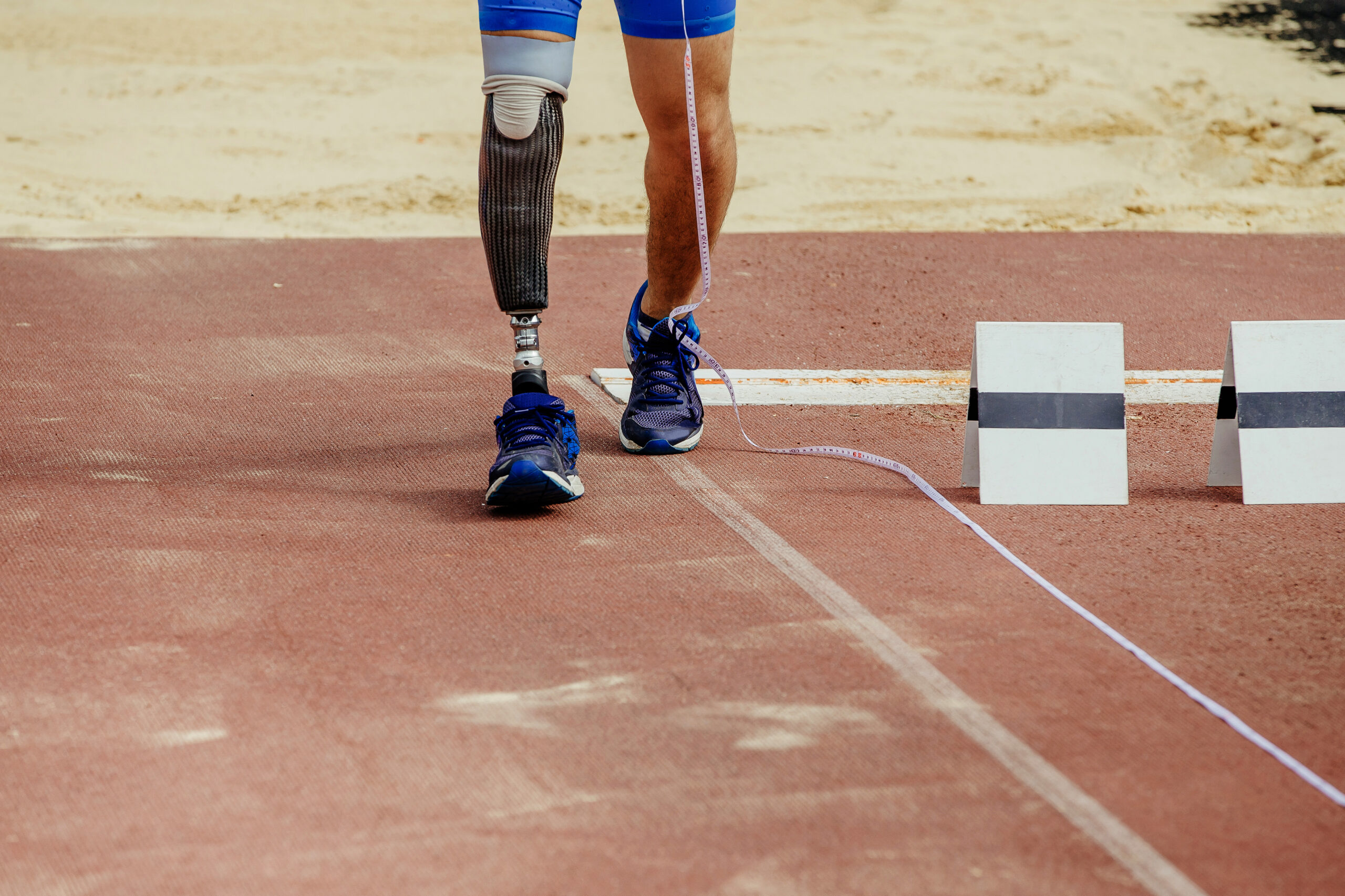
A below-knee prosthesis, also known as a transtibial prosthesis, replaces the missing portion of the leg below the knee joint. Since the knee is preserved, users retain natural knee function, which makes walking and mobility easier compared to above-knee prosthetics.
Key Features:
- Socket fitting over the residual limb (below the knee)
- Pylon (support structure) that connects the socket to the prosthetic foot
- Prosthetic foot designed for walking, running, or specific activities
What is an Above-Knee (Transfemoral) Prosthesis?
An above-knee prosthesis, or transfemoral prosthesis, replaces the missing portion of the leg above the knee joint. Because the knee is absent, the prosthetic must include a mechanical or computerized knee joint, which adds complexity.
Key Features:
- Socket fitting over the residual limb (above the knee)
- Prosthetic knee joint (mechanical or microprocessor-controlled)
- Pylon and prosthetic foot
Above-Knee vs Below-Knee Prosthetics
| Feature | Below Knee Prosthesis (Transtibial) | Above Knee Prosthesis (Transfemoral) |
|---|---|---|
| Amputation Level | Below the knee joint | Above the knee joint |
| Knee Joint | Natural knee preserved | An artificial knee joint is required |
| Mobility | Easier, more natural walking gait | More energy required, gait training essential |
| Rehabilitation Time | Shorter, typically faster recovery | Longer rehabilitation, more training needed |
| Energy Use | Less energy is required for walking | Higher energy expenditure |
| Complexity of Prosthesis | Simpler design | More complex with advanced technology options |
| Cost Range | Generally lower | Typically higher due to knee joint technology |
| Adaptability for Activities | High; suitable for sports, running, daily use | High, but depends on the type of knee joint selected |
Rehabilitation and Adaptation
With a Below-Knee Prosthesis
- Rehabilitation Time: Often shorter, as natural knee movement simplifies mobility.
- Gait Training: Focuses on balancing weight and strengthening muscles around the knee.
- Challenges: Preventing skin irritation and ensuring a proper socket fit.
With an Above-Knee Prosthesis
- Rehabilitation Time: Longer due to the need for mastering the artificial knee joint.
- Gait Training: More intensive, requiring training to walk smoothly with the prosthetic knee.
- Challenges: Learning to balance, avoiding trips/falls, and adapting to higher energy demands.
Daily Living: Transfemoral vs Transtibial
Mobility and Energy Use
- Transtibial users often experience more natural mobility, conserving energy.
- Transfemoral users may expend up to 60% more energy while walking, especially on inclines or uneven terrain.
Comfort and Fit
- Transtibial sockets are usually more comfortable because the knee joint remains intact.
- Transfemoral sockets cover more of the thigh, which can create additional challenges with comfort and heat.
Lifestyle Considerations
- Both prosthetic types allow for active lifestyles, including sports and recreational activities.
- Technology advancements, such as microprocessor knees, improve stability and reduce falls for above-knee users.
Choosing Between Above-Knee and Below-Knee Prosthetics
The choice isn’t made by preference but by the amputation level. However, understanding what to expect can help you adapt and plan your rehabilitation.
Factors to Consider:
- Level of Amputation: Determines whether a transfemoral or a transtibial prosthesis is needed.
- Physical Health: Overall strength, balance, and stamina affect adaptation.
- Lifestyle Goals: Sports, work demands, and personal activities may influence prosthetic design.
- Technology Options: From basic mechanical joints to advanced microprocessor-controlled systems.
- Budget and Insurance Coverage: Costs vary widely depending on the technology level.
Advancements in Prosthetic Technology
Below-Knee Prosthetics
- Carbon fiber feet for energy efficiency.
- Multi-axial ankles that adapt to uneven terrain.
- Lightweight materials for improved comfort.
Above-Knee Prosthetics
- Microprocessor Knees (MPKs): Adjust in real-time for smoother walking.
- Hydraulic and Pneumatic Knees: Provide stability and controlled movement.
- Smart Prosthetics: Some models integrate sensors for adaptive responses.
Technology continues to narrow the gap between transfemoral vs transtibial experiences, though above-knee prosthetics still demand more training and energy.
Long-Term Success Strategies
- Regular Checkups: Adjustments with a prosthetist ensure proper fit and comfort.
- Strength Training: Core and leg strength improve balance and gait.
- Skin Care: Prevent irritation from socket use.
- Continuous Learning: Staying updated on new prosthetic options can enhance mobility.
- Emotional Support: Joining peer groups helps address challenges and celebrate progress.
Final Thoughts
Both above-knee prosthesis and below-knee prosthesis options provide independence and mobility, but each comes with unique challenges and benefits. Understanding the differences between transfemoral vs transtibial prosthetics helps new users set realistic expectations and prepare for rehabilitation.
At Orthotics Ltd., we are dedicated to designing prosthetics that restore function and empower individuals to live confidently, no matter the level of amputation. Contact us today!
Frequently Asked Questions
1. What is the main difference between an above-knee prosthesis and a below-knee prosthesis?
The difference lies in the level of amputation. Below-knee prosthetics preserve the knee joint, while above-knee prosthetics replace it with an artificial knee.
2. Which is easier to adapt to: transfemoral or transtibial prosthetics?
Transtibial (below-knee) prosthetics are generally easier to adapt to, as the natural knee is preserved, requiring less energy for walking.
3. Are above-knee prosthetics more expensive than below-knee prosthetics?
Yes. Above-knee prosthetics typically cost more due to the complexity of the artificial knee joint, especially with microprocessor technology.
4. Can both prosthetic types support sports and active lifestyles?
Yes. Both can be adapted for sports and recreational activities, though customization and technology selection are key.
5. How much longer is rehabilitation for an above-knee prosthesis compared to a below-knee prosthesis?
Rehabilitation is usually longer for above-knee users because walking requires mastering the prosthetic knee joint and adapting to higher energy demands.
Sources:
- https://www.physio-pedia.com/Lower_Limb_Prosthetic_Sockets_and_Suspension_Systems
- https://www.ouh.nhs.uk/media/pufdjrun/104565transfemoral.pdf
- https://www.physio-pedia.com/Prosthetic_Knees
- https://pmc.ncbi.nlm.nih.gov/articles/PMC9521192/
- https://www.limbs4life.org.au/uploads/resources/Caring-for-your-skin.pdf