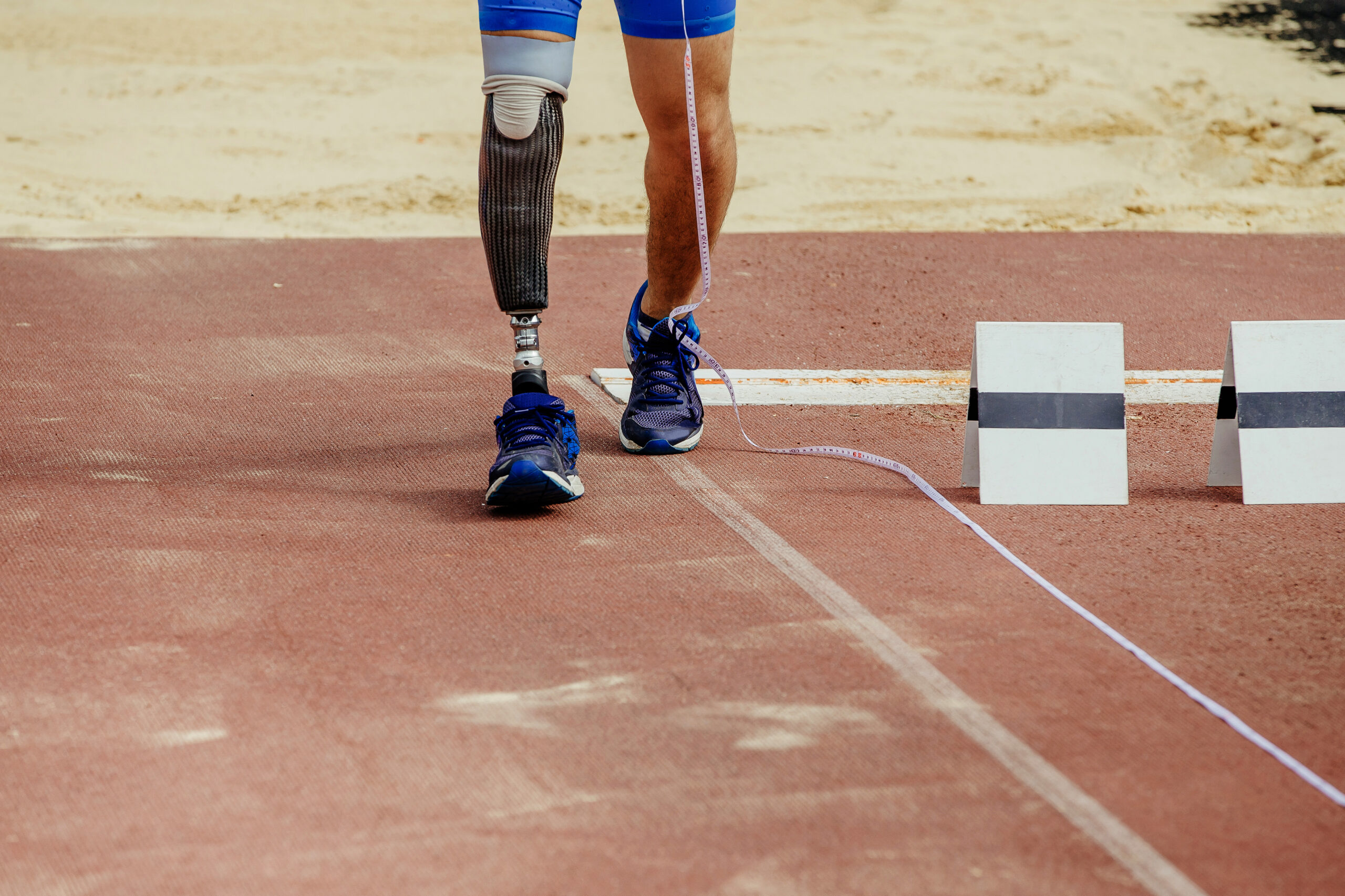
Adaptive Prosthetic Fashion: Dress Comfortably & Confidently
Key Highlights
- Adaptive prosthetic fashion means choosing clothing and accessories that accommodate prosthetic devices while supporting comfort, mobility, and confidence.
- Fabric choice, tailored fits, adjustable closures, and thoughtful styling all make a difference when dressing with a prosthesis.
- Adaptive design features—magnetic fasteners, side‑zippers, elastic waistbands, and flat seams—help ease dressing and improve wearability.
- Mixing adaptive pieces with conventional fashion allows personal style expression while considering functional needs.
- Practical wardrobe planning—capsule pieces, layering for mobility, shoe & prosthetic compatibility—empowers independence, comfort, and self‑assurance.
For individuals who use prosthetic devices, fashion is not just about aesthetics—it’s about comfort, mobility, independence, and self‑expression. The right clothing choices can reduce friction, improve fit, simplify dressing routines, and give a confidence boost. In this blog post, we’ll explore how adaptive prosthetic fashion can help you dress comfortably and confidently. You’ll find practical tips, design principles, wardrobe strategies, and FAQs tailored to prosthetic users. Whether you’re getting dressed for work, a casual outing, or a special event, smart styling meets functional support.
Understanding Adaptive Prosthetic Fashion
What is adaptive fashion?
Adaptive fashion is clothing, footwear, and accessories designed to meet the needs of individuals with physical disabilities, mobility aids, or prosthetic devices. It uses features like larger closures, strategic cut lines, elastic fabrics, or built‑in adjustability to accommodate unique body shapes and device interfaces.
Why it matters for prosthetic users
When you use a prosthetic limb, you face specific considerations:
- Residual limb sockets and interfaces — these areas may need extra room, less pressure, or a smoother transition under clothing.
- Fluctuations in limb size or volume (e.g., swelling, day shifts).
- Mobility and gait changes may affect how clothes move, sit, and wrinkle.
- Need for efficient dressing, especially if standing or balancing is affected.
- Aesthetics and self‑image — you want your wardrobe to reflect your style, not just be about practical function.
One styling guide for amputees notes the importance of stretchy fabrics and easy‑on pants for comfort around the prosthetic socket.
Key Principles of Dressing with a Prosthesis
Here are guidelines to keep in mind when selecting and styling clothing with a prosthetic limb:
1. Fabric & texture
- Choose stretchy, breathable fabrics (e.g., cotton‑spandex blends, modal jersey) that adapt to movement and prosthetic contours.
- Avoid very stiff or thick fabrics that may catch on socket edges or resist movement.
- Smooth seams or flat‑lock stitching help reduce irritation around contact areas.
- Where relevant, look for adaptive clothing design features that minimise skin irritation and pressure points.
2. Fit & cut
- Ensure pants/trousers allow enough room for the prosthetic limb or foot and have large enough openings to slide over the device comfortably. For example: side zippers, adjustable waistbands.
- Avoid garments with extremely tapered legs (for lower‑limb prosthetics) because they may restrict movement or make dressing harder.
- Tops should consider shoulder alignment, socket interface, and any balance shifts; layering helps.
- Waistbands: adjustable or elastic waistbands can accommodate changes in residual limb volume or donning/doffing ease.
3. Dress for practicality and style
- Adapted clothing doesn’t mean sacrificing style. Many adaptive clothing providers emphasise fashion + function.
- Use accessories to express personality—scarves, belts, statement shoes—while ensuring they don’t interfere with device fit or movement.
- Consider footwear and sock choices concurrently with pants/legs: consistent heel height, shoe volume to fit prosthetic foot, and easy closures.
4. Dressing technique & ease
- Some practical tips: slide the limb into pants first (for lower limb prosthetics), use a plastic sheet or bag over the foot to reduce friction when putting on pants.
- Clothing with magnetic fasteners or Velcro instead of tiny buttons/zippers can ease dressing when joint mobility is affected.
- Keep in mind layering and dressing order so you’re not fighting with tight waistbands after putting on the prosthesis.
Wardrobe Strategy: Build a Prosthetic‑Friendly Capsule
A capsule wardrobe tailored to your prosthetic needs means fewer decisions each day and more consistent comfort. Here’s a simple table to guide you:
| Wardrobe Item | Functional Consideration | Style Tip |
|---|---|---|
| Pants / Trousers | Stretch fabric, side zipper, or wide leg, compatible with prosthetic limb/foot | Choose a neutral colour + a bold print version for variety |
| Jeans | Denim with stretch or adaptive jeans with side openings | Pick mid‑rise styles for waist comfort; cuff length to cover prosthetic foot if desired |
| Skirts / Dresses | A‑line or wrap styles allow movement; lighter fabrics | Add a blazer or cardigan to elevate the look |
| Tops / Shirts | Look for back‑zip openings, magnetic closures for ease | Layer with a denim or leather jacket for texture variation |
| Shoes | Matching heel‑height, good support, easy on/off (Velcro/zip) | Consider statement shoes or metallic finishes for emphasis |
| Outerwear | Enough room for socket/limb, easy closures, adjustable cuffs | Choose a structured piece (trench or bomber) for a bold silhouette |
| Accessories | Scale for balance with prosthetic limb, avoid interference | Bold belt, statement earrings, textured scarf draw focus upward |
Styling Tips by Region of Amputation / Prosthetic Use
Lower‑Limb Prosthesis
- Use pants/trousers with one leg slightly wider to accommodate the limb, or tailor one leg.
- Ensure the hem length covers or complements the prosthetic foot but does not drag or snag.
- Shoes: match the prosthetic foot in volume and heel height for symmetry.
- Shorts or above‑knee cuts: can expose prosthetic limb if you prefer it visible or mix covered/uncovered for balance.
- Consider mono‑tone leg look (matching pant colour to prosthetic socket/foot colour) for visual continuity.
Practical tip: Sliding pants on over a prosthesis can be easier using a trick like a plastic bag over the foot to reduce friction.
Upper‑Limb Prosthesis
- Sleeves: tailoring may include slightly shorter sleeves or an open cuff on the prosthetic side for comfort and mobility.
- Shirts: adaptive closures, magnetic buttons, open‑back or side‑zippers ease dressing.
- Layering: consider vests or jackets with open sides or asymmetry to accommodate limb difference and create visual balance.
Statement jewellery or scarves draw visual focus upward and personalize the look.
Bilateral Limb Difference
- Adaptive clothing becomes very helpful: bigger openings, Velcro, extra room for sockets.
- Dressing tools or an adapted wardrobe set‑up (dressing tree, layout system) support independence and reduce stress.
- Emphasize garments with simple silhouettes and clean lines; avoid excessive layering that may interfere with limb interfaces.
Fashion Meets Function: Tech & Trends
- The adaptive fashion industry is growing rapidly. Designers are collaborating with lived‑experience partners to create inclusive collections.
- Prosthetic covers and fashion‑forward socket wraps allow the limb to become a style element rather than something to conceal.
- Technology, including adjustable prosthetic sockets, low‑profile feet, and lightweight components, reduces bulk—making clothing fit more easily and comfortably.
- Brands are introducing adaptive closures (magnetic, Velcro), high‑stretch fabrics, and inclusive sizing. Adaptive apparel resource guide highlights accessibility features such as zip placements, fabric textures, and thoughtful garment construction.
Confidence, Identity & Dressing Well
Fashion is not just what you wear—it’s how you feel. For prosthetic users:
- The right clothing can help shift focus from the device to your overall style, presence, and personality.
- Embracing your limb or prosthetic as part of the outfit (rather than hiding it) can enhance empowerment. As one guide emphasised: “You don’t have to hide your prosthesis—let it become part of your look.”
- Independent dressing, well‑fitted garments, and styling that reflects your identity contribute significantly to mental well-being, self‑esteem, and participation in social/ professional life.
Practical Checklist for Your Next Shopping or Wardrobe Refresh
Are your pants/trousers compatible with your prosthetic limb/foot (fit, length, ease of putting on)?
Do you have tops with adaptive features if you need them (magnetic closures, open backs, side zippers)?
Is your shoe set matched for heel height, volume, and support for both your biological and prosthetic side?
Have you identified one “go‑to” outfit for each core context: casual, work/business, evening/social?
Do you have at least one “statement” piece that reflects your personal style (bold colour, texture, accessory)?
Are fabrics chosen with comfort and mobility in mind (stretch, breathable, smooth seams)?
Do you have a dressing routine (lay out clothing ahead, use assistive tools if needed, give yourself extra time)?
Have you tailored or adapted clothing items (hem length, leg width, waistband adjusters) to fit your prosthetic needs?
Do you periodically review the fit of your clothing as your prosthetic fit or body changes (residual limb volume, gait, activity level)?
Final Thoughts
Adaptive prosthetic fashion is about the intersection of function and style—enabling you to dress with comfort, mobility, and confidence. By choosing the right fabrics, tailored fits, adaptive features, and the wardrobe strategy to match your lifestyle and prosthetic device, you set the stage for success. Whether you’re dressing for a day at work, an evening event, or everyday errands, the goal is the same: your prosthetic device becomes part of your outfit—not something you hide—while you express your authentic self.
If you’re ready to explore prosthetic and orthotic solutions that fit your lifestyle, mobility, and fashion goals, reach out to our specialist team at Orthotics Ltd.—we’re here to support your journey with personalised fitting, comfort, and confidence. Contact us today!
Frequently Asked Questions
1. Can I wear my usual wardrobe with a prosthetic device, or do I need a full adaptive wardrobe?
You don’t need a full adaptive wardrobe. Many of your usual clothes will work with some adaptation (e.g., hems, waistband tweaks, choosing stretch fabrics). The key is to identify pieces that fit well with your prosthetic device and prioritise comfort and mobility. Some adaptive items (side zippers, elastic waistbands) make dressing easier.
2. What shoes should I choose to match my prosthetic foot and biological foot?
Look for consistent heel height, good arch support, and adequate volume to accommodate the prosthetic foot if required. Slip‑ons or shoes with Velcro/zip closures may ease donning. A specialist’s guidance helps ensure symmetry, gait alignment, and comfort.
3. How does tailoring help when I use a prosthetic limb?
Tailoring can adjust leg width, hem length, waistband fit, sleeve length (for upper‑limb prosthetics), and overall balance. This helps garments sit properly over prosthetic devices, avoid drag/snag, and ensure visual symmetry and comfort. One practical tip: adapt one leg of pants for a prosthetic side or use extra width.
4. Are adaptive clothing brands worth considering?
Yes. Adaptive clothing brands design garments with features like magnetic fasteners, side openings, adjustable hems, wider openings, and fabrics suited for mobility aids and prosthetics. These features can reduce dressing time, increase independence, and improve comfort and style.
5. How can I make sure my style reflects me and not just my device?
Focus on pieces that you enjoy, that reflect your personality (colour, texture, accessory choices) and feel good on you. Use your prosthetic device as part of the overall look (matching cover, accent colour). Tailor or customise as needed. Confidence is key—when you feel good, it shows. As one article emphasises: “Style is a form of self‑expression—and prosthetics should never limit it.
Sources:
- https://www.cnn.com/2025/04/01/style/fashion-designers-and-red-carpets-love-prosthetics
- https://wwd.com/fashion-news/fashion-features/gallery/fashionable-prosthetics-photos-1237047111/
- https://www.vogue.com/article/yvmin-chinese-jewelry-brand-prosthetics
- https://aiopsgroup.com/adaptive-clothing/
- https://www.universityoffashion.com/blog/breaking-barriers-in-style-adaptive-fashion-brands/