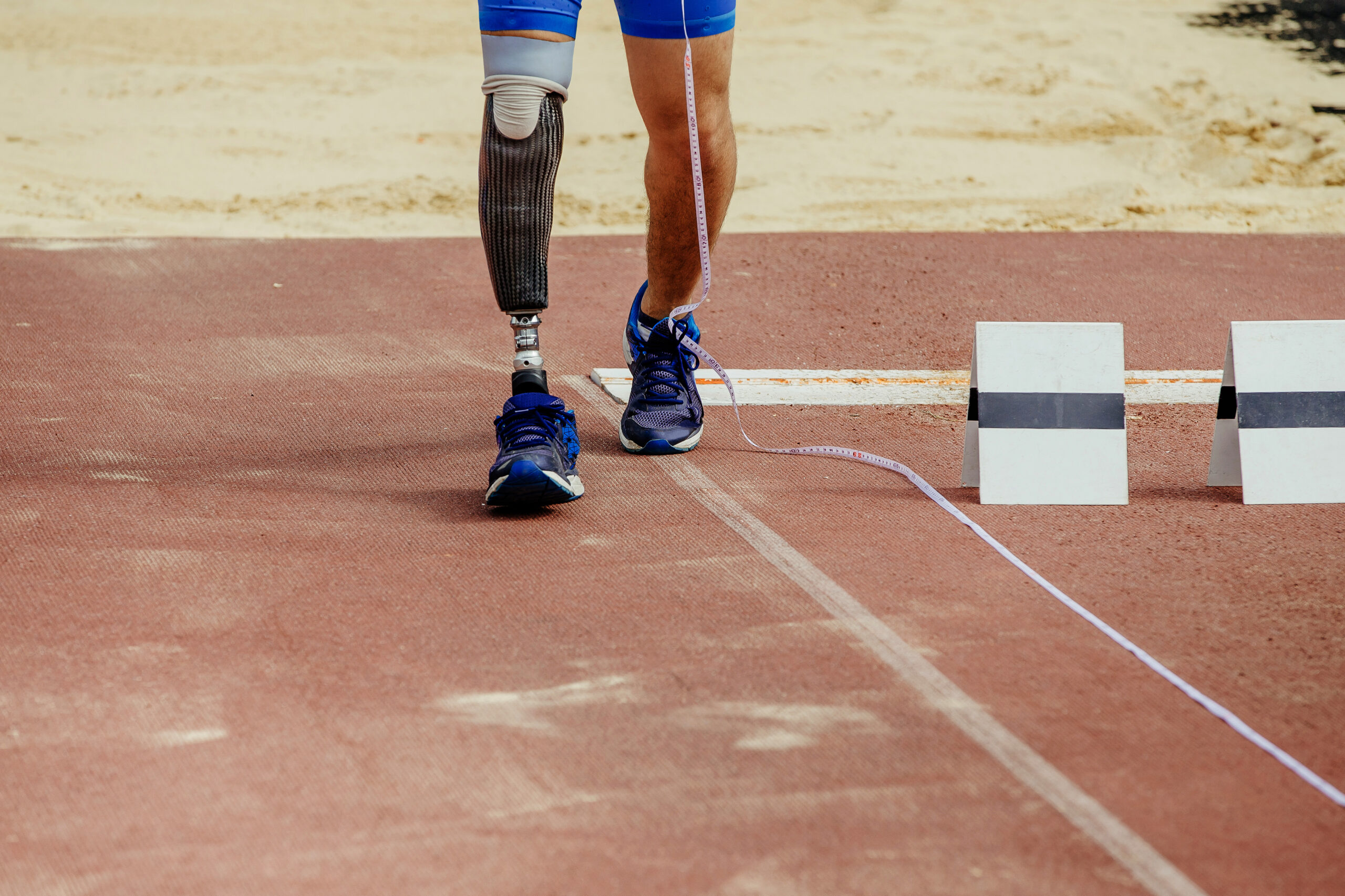
Best Footwear for Prosthetic Users: Comfort & Fit Tips
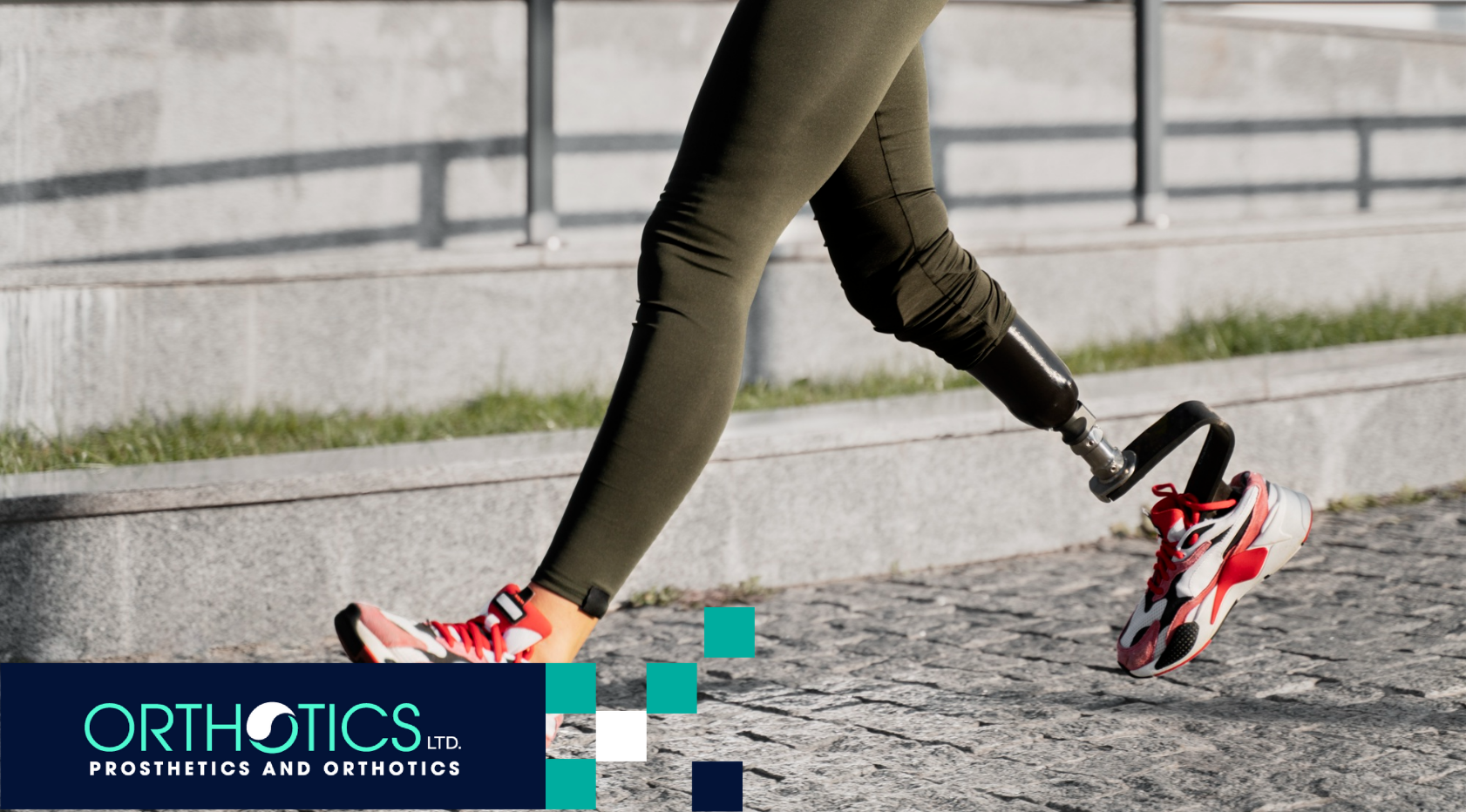
Key Highlights
- Proper footwear is essential for prosthetic users to maintain comfort, safety, balance, and mobility.
- Shoe choices affect gait, alignment, and prosthetic performance—the wrong shoes can cause discomfort, skin irritation, or damage.
- It’s important to consider the factors when choosing shoes.
- There are different shoe types for prosthetic users based on the needs of the amputee.
- Tips for proper fit: work with a prosthetist, use custom insoles, test shoes gradually, rotate pairs, and adjust prosthetic settings if needed.
- Common challenges and solutions: swelling, uneven wear, and skin irritation can often be managed with proper shoe selection and prosthetic adjustments.
- The right shoes not only improve mobility and comfort but also extend prosthetic lifespan and boost daily confidence.
Finding the right shoes for prosthetic legs is crucial for comfort, safety, and mobility. Unlike standard footwear, footwear for amputees must accommodate the unique mechanics of a prosthesis, provide stability, and prevent discomfort. Wearing the wrong shoes can affect gait, cause skin irritation, and even damage your prosthetic.
In this guide, we explore tips for choosing the best shoes for prostheses, how different shoes interact with prosthetic devices, and ways to ensure long-term comfort and fit.
Why Proper Footwear Matters for Prosthetic Users
Proper footwear plays a key role in prosthetic use because it affects:
- Gait and balance: The shoe impacts stride, stability, and posture.
- Comfort: A well-fitted shoe reduces pressure, friction, and skin irritation.
- Prosthetic alignment: Shoe height and sole thickness can alter limb alignment.
- Durability: Shoes must withstand daily wear while supporting prosthetic components.
Poor footwear choices can lead to discomfort, decreased mobility, and even injury. Selecting the right footwear for amputees is essential for maintaining independence and quality of life.
Key Considerations When Choosing Shoes for Prosthetic Legs
When selecting shoes for prosthetic legs, several factors are important:
1. Shoe Height and Sole Thickness
Shoe height should match the length of your prosthetic limb to maintain proper leg alignment. Uneven heights can strain your joints and affect balance.
- Thicker soles can compensate for limb length discrepancies.
- Adjustable prosthetic components can help adapt to different shoe types.
2. Flexibility and Support
A shoe should provide adequate support while allowing natural movement. For example:
- Flexible soles improve comfort and gait.
- Rigid soles offer stability for high-impact activities like walking on uneven terrain.
3. Fit and Comfort
Shoes must accommodate your residual limb’s needs:
- Ensure there is enough space for swelling or orthotic inserts.
- Avoid narrow or tight shoes that can cause friction against the prosthetic socket.
4. Closure Type
The type of closure affects how securely the shoe fits:
- Laces: Adjustable and secure, ideal for varied foot shapes.
- Velcro straps: Convenient for easy wear and removal.
- Slip-on shoes: Comfortable but may lack tightness and stability for prosthetic users.
Types of Shoes Ideal for Prosthetic Users
Different activities and prosthetic designs require specific footwear. Here’s a breakdown of common types:
1. Athletic Shoes
Ideal for daily wear, walking, or sports. Benefits include:
- Lightweight construction for easy movement
- Cushioned soles for shock absorption
- Secure closure systems for stability
2. Dress Shoes
For professional or formal settings:
- Look for slightly flexible soles to prevent a stiff gait
- Choose shoes with cushioned insoles to reduce pressure on the residual limb
- Adjustable closures like laces or straps improve fit
3. Boots
Suitable for outdoor activities or rough terrain:
- Sturdy soles provide stability and traction
- Higher ankle support improves balance
- Consider boots with removable insoles to accommodate orthotic adjustments
4. Casual Everyday Shoes
For comfort during routine activities:
- Slip-on sneakers or loafers can be convenient if the prosthetic limb is adjustable
- Soft upper material reduces irritation
- Lightweight construction enhances comfort
Recommended Features by Shoe Type for Prosthetic Users
| Shoe Type | Recommended Features | Benefits for Prosthetic Users |
|---|---|---|
| Athletic Shoes | Cushioned sole, lace-up closure, flexible midsole | Shock absorption, secure fit, natural gait |
| Dress Shoes | Padded insole, slight sole flexibility, adjustable fit | Comfort, reduced pressure, proper alignment |
| Boots | Rigid sole, ankle support, removable insole | Stability, balance, terrain adaptability |
| Casual Shoes | Soft upper, lightweight, slip-on or adjustable | Daily comfort, reduced irritation, easy wear |
Tips for Ensuring Proper Fit and Comfort
Even the best shoes for prosthesis require adjustments to achieve optimal comfort:
- Work with a prosthetist: They can assess shoe compatibility and alignment with your prosthetic limb.
- Use custom insoles or orthotics: These can improve support and relieve pressure points.
- Test shoes gradually: Wear new shoes for short periods before full-day use.
- Adjust prosthetic settings: Heel height, foot alignment, and socket fit can all affect shoe performance.
- Rotate shoes: Using multiple pairs reduces wear and pressure in one area.
Common Challenges and Solutions
- Challenge 1: Residual limb swelling
Solution: Choose shoes with adjustable closure or elastic material. - Challenge 2: Uneven wear of the shoe sole
Solution: Use orthotic inserts or consult your prosthetist for alignment adjustments. - Challenge 3: Skin irritation or pressure points
Solution: Ensure proper socket fit and use padded socks or liners.
Benefits of Choosing the Right Footwear for Prosthetic Users
Selecting the right shoes improves:
- Mobility and balance: Prevents falls and promotes natural gait.
- Comfort: Reduces pressure, irritation, and fatigue.
- Prosthetic longevity: Proper shoes minimize stress on components.
- Confidence: Comfortable footwear enhances independence and daily performance.
Final Thoughts
Finding the best shoes for a prosthesis is essential for comfort, stability, and overall mobility. By considering shoe type, fit, closure, and support, prosthetic users can maintain balance, prevent discomfort, and protect their prosthetic limb.
For professional guidance and high-quality recommendations on footwear for amputees, Orthotics Ltd. provides expert advice and custom solutions to ensure your prosthetic use is safe, comfortable, and effective. Contact us today!
Frequently Asked Questions
1. Can I wear any shoe with a prosthetic leg?
No. Shoes should match prosthetic alignment, provide support, and accommodate residual limb needs. Adjustable closures and cushioned soles are recommended.
2. How do I find the best shoes for a prosthesis?
Look for comfort, proper height, support, and compatibility with your prosthetic foot. Consulting a prosthetist ensures the best fit.
3. Are there shoes specifically designed for amputees?
Yes, some brands offer footwear for amputees designed for comfort, adjustability, and compatibility with prosthetic limbs.
4. How often should I replace shoes for prosthetic legs?
Replace shoes when soles wear unevenly, cushioning decreases, or alignment is affected. Frequent use may require replacement every 6–12 months.
5. Can custom insoles improve shoe fit for prosthetic users?
Absolutely. Custom insoles provide additional support, relieve pressure, and improve alignment with the prosthetic limb.
Sources:
- https://livingwithamplitude.com/shoes-for-amputees-shopping-tips/
- https://www.ncbi.nlm.nih.gov/books/NBK595390/
- https://www.merckmanuals.com/home/special-subjects/limb-prosthetics/residual-limb-swelling
- https://pubmed.ncbi.nlm.nih.gov/18413115/
- https://www.drscholls.com/blogs/expert-advice/the-difference-between-orthotics-insoles-and-shoe-inserts