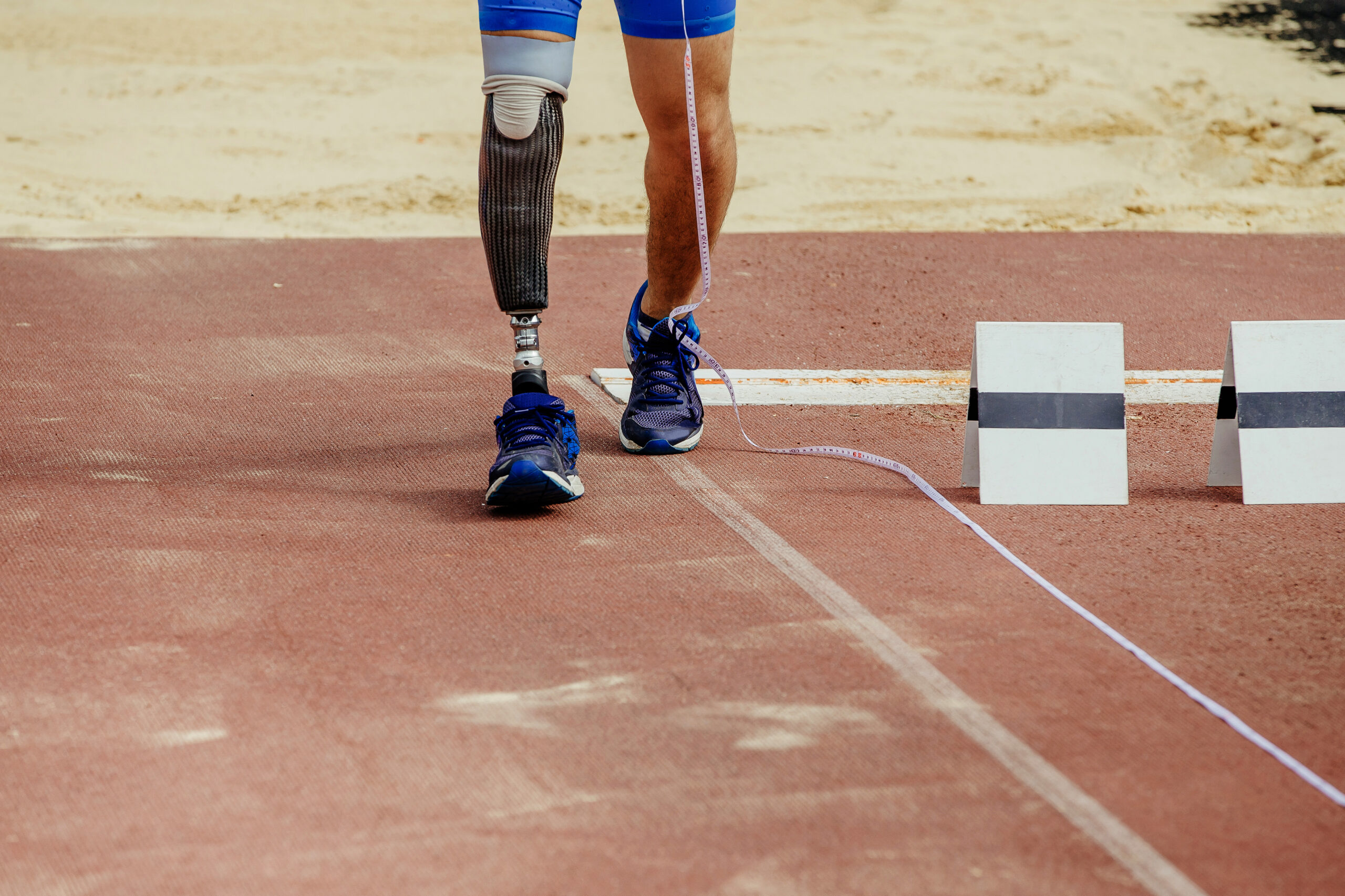
Building Confidence After Getting a Prosthetic Limb
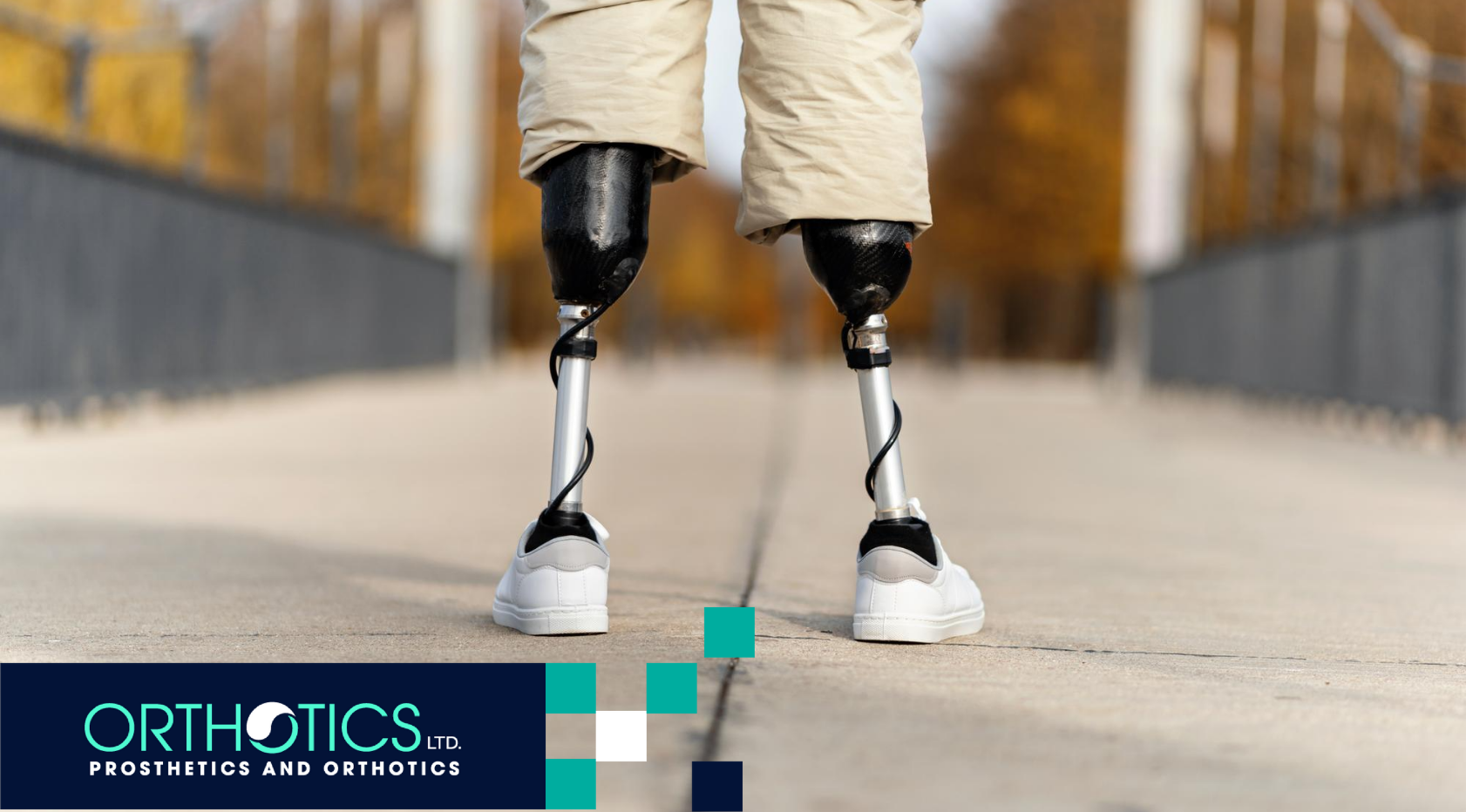
Key Highlights
- Adjusting after amputation is both a physical and emotional journey.
- Confidence with prosthetic limbs improves mobility, independence, and mental health.
- Strategies include proper prosthetic fit, gradual rehab, achievable goals, emotional support, and lifestyle adaptations.
- Social confidence grows through practice, self-expression, and supportive relationships.
- Long-term confidence comes from consistent care, staying active, and connecting with the amputee community.
Adjusting to life after amputation can be both physically and emotionally challenging. While learning to use a prosthetic limb is a major step toward regaining mobility, building confidence with prosthetic devices is equally important for improving self-esteem and embracing life after amputation. This guide explores practical strategies to rebuild confidence, adapt to daily life, and thrive after limb loss.
Understanding the Emotional Journey After Amputation
Losing a limb is a life-altering event. Many individuals experience a range of emotions, including:
- Grief and loss
- Anxiety about appearance and function
- Fear of public perception
- Frustration during rehabilitation
Acknowledging these feelings is the first step toward rebuilding self-esteem after limb loss. Confidence grows as you adapt physically and emotionally to your prosthetic limb.
Why Confidence with Prosthetic Limbs Matters
Confidence affects multiple aspects of life after amputation, including:
- Mobility: Feeling secure in your prosthetic improves balance and gait.
- Independence: Confidence allows you to perform daily tasks without fear of accidents.
- Social Engagement: Comfort in your prosthetic encourages social interaction and reduces self-consciousness.
- Mental Health: Positive self-esteem lowers anxiety and depression risk.
Strategies to Build Confidence with Prosthetic Limbs
1. Work Closely with Your Prosthetist
A well-fitted prosthetic limb is the foundation of confidence. Regular appointments ensure:
- Proper socket fit and comfort
- Optimal alignment for natural gait
- Adjustments to match activity level
When your prosthetic functions reliably, confidence naturally increases.
2. Gradual Physical Rehabilitation
Building strength and mastering prosthetic use is essential for confidence with prosthetic limbs:
- Begin with short walking sessions and gradually increase activity
- Incorporate balance and core exercises
- Practice climbing stairs, walking on uneven surfaces, and other real-life tasks
3. Set Achievable Goals
Setting and accomplishing small goals reinforces self-esteem in limb loss. Examples include:
| Goal Type | Example | Benefit |
|---|---|---|
| Daily Mobility | Walk 10 minutes unassisted | Builds physical confidence |
| Social Interaction | Attend a small gathering | Improves comfort in public |
| Hobbies & Interests | Return to a favorite sport or activity | Reinforces independence |
Celebrating achievements, no matter how small, strengthens self-esteem and promotes a positive outlook.
4. Psychological Support and Counseling
Emotional adjustment is as critical as physical rehabilitation:
- Join support groups for amputees
- Seek counseling or therapy to process grief and anxiety
- Learn coping strategies for public interactions and self-consciousness
These steps help foster long-term confidence with prosthetic devices.
5. Practice Daily Life Skills
Confidence grows when you can perform daily tasks independently:
- Dressing, cooking, and personal hygiene with the prosthetic
- Driving or using public transport, if applicable
- Shopping and moving safely in crowded areas
Practical experience reduces fear and enhances self-esteem in limb loss.
6. Adapt Your Lifestyle
Life after amputation may require some adjustments:
- Modify home or workspace for accessibility
- Use adaptive tools or techniques for hobbies and daily routines
- Experiment with prosthetic accessories for comfort and functionality
Adapting proactively empowers you to regain independence and confidence.
7. Focus on Appearance and Style
For many, aesthetic concerns affect confidence:
- Consider cosmetic covers or realistic prosthetic skins
- Choose clothing that accommodates your prosthetic comfortably
- Express personal style through prosthetic accessories
Feeling good about appearance complements physical and emotional confidence.
Social Strategies for Confidence with Prosthetic Limbs
Public perception can impact self-esteem. Here are strategies for social confidence:
- Educate others about prosthetic limbs to reduce curiosity or stigma
- Maintain eye contact and open body language
- Approach social activities gradually to rebuild comfort
- Celebrate achievements and share milestones with supportive friends or family
Social engagement reinforces a positive identity beyond the amputation.
Confidence-Building Checklist for Life After Amputation
| Focus Area | Action | Frequency |
|---|---|---|
| Physical Rehabilitation | Walking, balance, core exercises | Daily |
| Prosthetic Care | Check fit, alignment, adjustments | Weekly |
| Goal Setting | Identify small, achievable milestones | Weekly |
| Emotional Support | Attend support group, therapy | Bi-weekly |
| Lifestyle Adaptation | Home or activity modifications | Ongoing |
| Appearance & Style | Prosthetic accessories, clothing | As needed |
Maintaining Long-Term Confidence
Building confidence with prosthetic limbs is an ongoing process:
-
Regularly assess goals and progress – Adjust activities and challenges as you improve.
-
Stay active – Physical fitness supports independence and mobility.
-
Connect with the community – Peer mentorship and support networks provide encouragement and tips.
-
Embrace setbacks as learning opportunities – Minor falls or discomfort are normal; adapt and continue.
Final Thoughts
Regaining confidence with prosthetic limbs is a journey that combines physical rehabilitation, emotional adjustment, and lifestyle adaptation. By setting achievable goals, seeking professional and peer support, and practicing daily activities, individuals can rebuild self-esteem limb loss and thrive in life after amputation.
For expert guidance, custom prosthetic solutions, and ongoing support, Orthotics Ltd. helps patients regain mobility, independence, and confidence with prosthetic devices. Reach out today!
Frequently Asked Questions
1. How long does it take to feel confident with a prosthetic limb?
It varies per individual. With regular rehabilitation and practice, many achieve functional confidence within weeks to months. Emotional confidence may take longer.
2. Can therapy improve self-esteem in limb loss?
Yes. Counseling, support groups, and coping strategies are essential for rebuilding emotional resilience after amputation.
3. How can I manage social anxiety after amputation?
Gradual exposure, education for friends and colleagues, and connecting with other amputees can reduce anxiety and improve confidence.
4. Are cosmetic prosthetics helpful for confidence with prosthetic limbs?
Yes. Cosmetic prosthetics can enhance appearance, complementing functional mobility and boosting self-esteem.
5. What role does family support play in life after amputation?
Family encouragement and understanding are crucial for emotional adjustment, goal-setting, and practicing independence with a prosthetic limb.
Sources:
- https://pamhealth.com/resources/life-after-amputation-what-to-expect-for-the-new-amputee/
- https://medicine.umich.edu/dept/pmr/patient-care/therapeutic-other-services/orthotics-prosthetics/u-can-amputee-support-group
- https://www.cms.gov/medicare/payment/fee-schedules/dmepos
- https://pmc.ncbi.nlm.nih.gov/articles/PMC11168597/