• Home
  • About Us
    • Insurance
  • Clinics
    • Harriman
    • Port Jefferson Station
    • Brooklyn
    • Hempstead
  • Prosthetics
    • Prosthetic Options
    • Upper Limb
      • Arms
      • Hands
      • Fingers
      • Shoulder
      • Elbow
      • Wrist Joint
    • Lower Limb
      • Hip
      • Leg
      • Knee
      • Foot
      • Ankle
      • Toe
    • Athletic & Sports Prosthetics
    • Cosmetic Covers
    • Socket Systems
  • Orthotics
  • Resources
    • Blog
  • Contact
  • Home
  • About Us
    • Insurance
  • Clinics
    • Harriman
    • Port Jefferson Station
    • Brooklyn
    • Hempstead
  • Prosthetics
    • Prosthetic Options
    • Upper Limb
      • Arms
      • Hands
      • Fingers
      • Shoulder
      • Elbow
      • Wrist Joint
    • Lower Limb
      • Hip
      • Leg
      • Knee
      • Foot
      • Ankle
      • Toe
    • Athletic & Sports Prosthetics
    • Cosmetic Covers
    • Socket Systems
  • Orthotics
  • Resources
    • Blog
  • Contact
(914) 337-8600

Can Orthotics Correct Uneven Leg Length? What Science Says
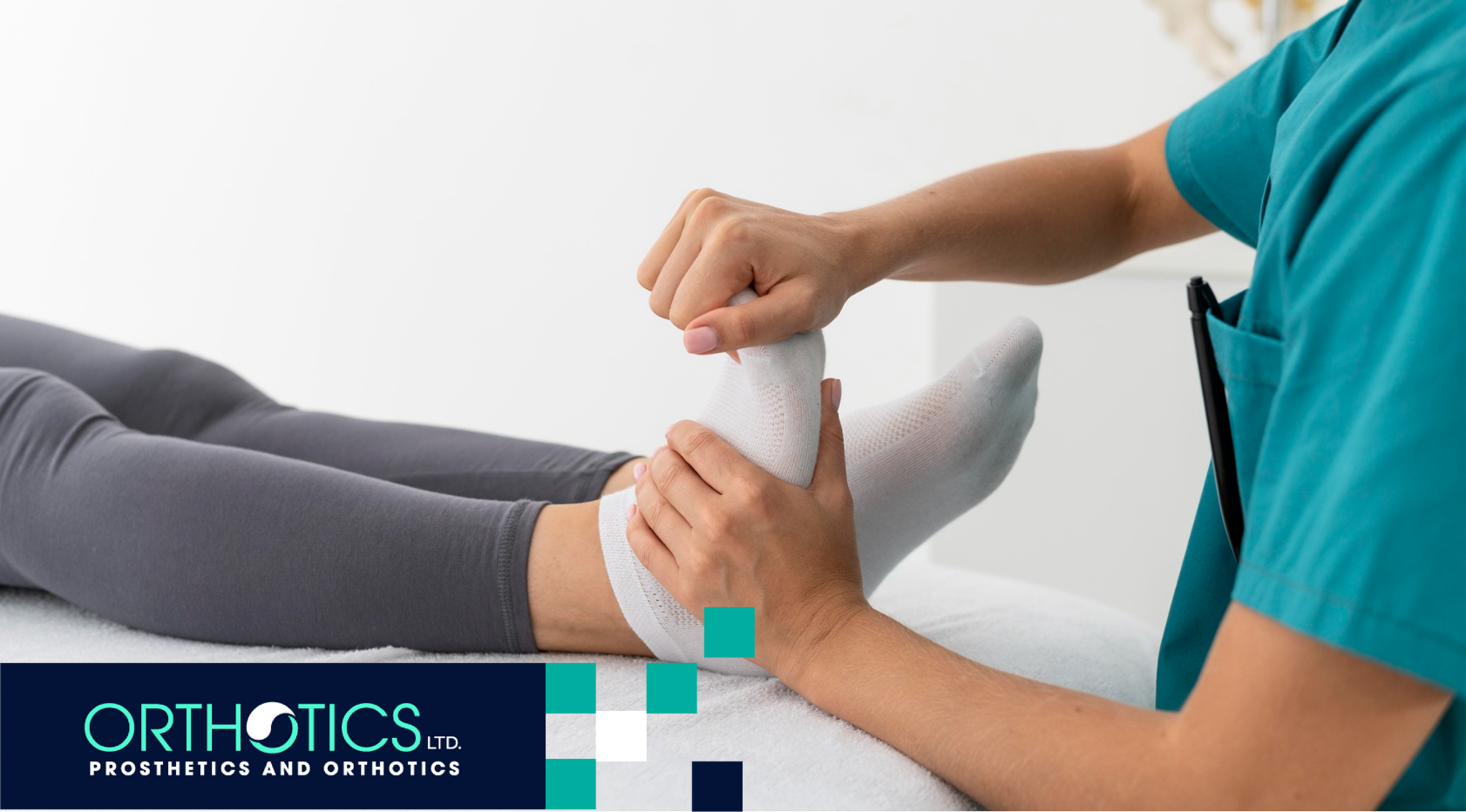
Can Orthotics Correct Uneven Leg Length? What Science Says
November 14, 2025 By Orthotics 0 comments
Explore how orthotics can correct uneven leg length, when they help leg length discrepancy, what evidence supports them, and how to choose the right solution.

Key Highlights

  • Uneven leg length (leg-length discrepancy) affects many people and can lead to gait, posture, hip or back issues.
  • Orthotics (including shoe lifts, insoles, and custom devices) can help manage leg-length differences, especially mild to moderate ones.
  • The type of discrepancy matters (structural vs functional) and so does the amount of difference; evidence shows limits to what orthotics can correct.
  • Successful correction involves proper assessment, accurate measurement, correct device selection, fit, and ongoing follow-up.
  • For larger discrepancies or those with complex causes, orthotics may be part of a solution rather than a stand-alone fix; surgical or combined treatment may be needed.


If you’ve been told you have one leg a bit longer than the other—or you suspect your gait, hip, or back discomfort might stem from an uneven leg length—you may have wondered: Can orthotics correct uneven leg length? This is a valid question. Leg-length discrepancy (LLD) can vary in cause, size, and impact. In this blog post, we’ll explore what science and clinical practice say about the role of orthotics in correcting or compensating for uneven leg length, how to understand your options, and when orthotics may or may not be sufficient.

What Is Uneven Leg Length? Understanding the Basics

Definitions & prevalence

Leg-length discrepancy (LLD), sometimes called limb length inequality (LLI), refers to one leg being longer or shorter than the other—either in actual bone length (structural) or in functional appearance (functional) due to alignment or soft-tissue issues.

According to one review article, LLD of ≥ 2 cm occurs in various populations, and smaller differences are common: one study around military recruits found >1.5 cm in ~4%. A patient information source estimates that up to 35% of adults may have a small difference (0.5-1.5 cm) that does not cause obvious problems.

Types of discrepancy

  • Structural (anatomical) LLD: This is a true difference in bone length (femur, tibia, etc.). Causes include congenital conditions, growth-plate injuries, fractures, and surgery.
  • Functional (apparent) LLD: The bones may be equal length, but one leg functions as though it is shorter due to pelvic tilt, joint contractures, muscle tightness, foot pronation, and alignment issues.


Why it matters

When one leg is longer or shorter, the body may compensate with pelvic tilt, altered gait, or uneven load on knees, hips, or spine. Over time, some research suggests a higher risk of knee osteoarthritis with LLD ≥ 1 cm. Symptoms may include fatigue, low-back discomfort, hip pain, and gait asymmetry.

However, the threshold at which LLD becomes clinically meaningful varies widely—and not everyone with a discrepancy develops symptoms. One review notes the evidence base on which to treat is limited.

Can Orthotics Correct Uneven Leg Length? What the Evidence Says

Role of orthotics and lifts

Orthotics in this context typically include shoe lifts (heel or full-sole), insoles with added height, custom foot orthoses, and, in some cases, brace/orthotic devices to accommodate length differences.

  • One source states that “orthotics such as shoe lifts” are among the treatments available for limb length discrepancy.
  • Another review explains that heel wedge insoles can correct up to ~2 cm difference; for larger differences, using full-sole lifts or orthosis may be necessary, but limitations exist (shoe volume, stability).
  • A pedorthic/podiatric website summarises: “True structural LLDs are typically addressed using full foot lifts for the short side. Smaller discrepancies may be treated with a heel lift or insoles.”


When and how well do orthotics work?

From the literature:

  • For mild to moderate discrepancies (often <2 cm), conservative measures (shoe/sole lifts, insoles) are often first-line. The review mentioned above says: “With heel wedge insoles, LLD of up to 2 cm can be corrected.”
  • For functional discrepancies, orthotics (foot lifts plus alignment support) may correct the apparent leg length issue by addressing alignment, foot mechanics, and compensations. One article notes custom orthotics “can provide support for excessive pronation and balance functional leg lengths.”
  • For larger structural discrepancies, orthotics may compensate rather than fully “correct” the difference. The same review states that for differences >5 cm, conservative orthotic measures alone may not suffice, and surgical options are considered.
  • The term “correct” needs nuance: orthotics don’t change bone length; rather, they help you function as though your legs are equal by lifting or improving alignment.


Evidence limitations & practical issues

  • The evidence base for when to treat LLD and how is weak: the review states “the evidence base on the indications for treatment of leg-length discrepancy is poor; only informal consensus recommendations are available.”
  • Practical limitations include shoe/wear constraints: lifts inside a shoe are limited by shoe depth/volume; above ~1 – 2 cm inside lift, more extensive modifications may be needed (e.g., full-sole lift) or device instability may emerge.
  • For functional types, orthotics may help alignment, but underlying muscle/strength/soft-tissue issues might also need treatment (stretching, strengthening) for full benefit.


Guidance on Orthotic Correction by Discrepancy Size

Discrepancy Size* Typical Approach Role of Orthotics
≤ 1 cm Often, no treatment is needed; the body compensates Orthotics may be supportive, but often are not required
~1–2 cm Conservative treatment recommended Heel lifts/insoles may equalise levels and improve function
~2–4 cm Conservative first; monitor functional impact Shoe lifts, custom orthotics, and alignment correction may help
>4–5 cm Conservative may be insufficient; surgical options considered Orthotics help compensate, but full correction is unlikely

*Based on review of clinical guidelines and literature.

How Orthotics Are Used: Practical Approach

Step 1: Assessment & measurement

  • Measure leg lengths: clinical tape methods, block method, imaging if needed (e.g., scanogram) to discern structural vs functional LLD.
  • Evaluate gait, pelvic tilt, foot/ankle mechanics, shoes, posture, and compensation patterns.
  • Determine whether the discrepancy is truly structural (bone difference) or functional (alignment, pelvic tilt, foot mechanics). This matters because treatment differs.


Step 2: Decide on orthotic intervention

  • If mild (<2 cm) and functional or mildly structural, prescription of a heel lift or in-shoe sole lift may suffice.
  • Choose appropriate lift height: some sources recommend starting with 60-70% of the measured discrepancy if congenital and well-compensated.
  • Determine type of orthotic design: simple heel lift vs full-sole lift vs custom foot orthosis with added height and alignment features.
  • Ensure footwear compatibility: the shoe must have adequate depth/volume; larger lifts may require sole modifications.


Step 3: Fit, trial, and adjust

  • Introduce the device gradually; allow an adaptation period.
  • Monitor gait symmetry, any discomfort, equinus issues (e.g., if lifted too high, forcing the ankle into plantarflexion) as noted in the review.
  • Adjust lift height or orthotic design based on comfort, gait changes, and symptoms.


Step 4: Combine with other therapies when needed

  • For functional LLD, include strengthening/stretching (hip, pelvis, leg muscles) to address alignment and compensation.
  • Foot mechanics correction (pronation, foot roll) via orthosis may assist.
  • Monitor over time: body changes (weight, posture, activity) may affect discrepancy and device fit.


Step 5: Review and long-term management

  • Periodic reassessment is key. If discrepancy changes (e.g., after surgery, growth, injury) or symptoms appear/worsen, the device may need modification.
  • For larger structural differences (>5 cm), orthotics may only partially compensate; discussion of surgical or growth-modulation options may be needed.


When Orthotics Alone Are Not Enough

Orthotics are valuable, especially for mild to moderate LLD, but there are circumstances when they are insufficient:

  • Large structural differences (e.g., >5 cm) are unlikely to be fully managed by shoe lifts or insoles alone — surgical intervention often becomes part of the management plan.
  • Poor footwear or device fit: If the shoe volume is inadequate, a lift may cause instability, pain, or gait issues.
  • Underlying biomechanical or muscular issues: If functional LLD is caused by pelvis/hip/foot alignment issues or muscle weakness, orthotics must be paired with corrective therapy.
  • Patient discomfort or non-compliance: If the lift feels unstable, uncomfortable, or changes gait negatively, benefit declines.
  • Symptomatic overload: Even if the discrepancy is small, if the person has significant pain or gait issues, simply adding an orthotic may not resolve all problems—a comprehensive review may be needed.


Realistic Expectations: What Orthotics Can & Can’t Do

What they can do:

  • Provide effective compensation for mild to moderate LLD, particularly when the functional or structural difference is small.
  • Improve gait symmetry, reduce compensatory load on hips/back, decrease fatigue and discomfort.
  • Offer a non-surgical, low-risk management option for many people.
  • Be customised and integrated into footwear and lifestyle.


What they can’t do:

  • Change bone length (they do not “grow” a shorter leg).
  • Fully correct large structural differences in isolation. For large discrepancies, surgical or combined approaches are often needed.
  • Replace the need for broader biomechanical assessments, strengthening, or rehabilitation when alignment/soft tissue issues are the driver.
  • Guarantee zero symptoms for everyone—outcomes depend on many factors, including fit, compliance, activity, and underlying health.


Final Thoughts

Yes—orthotics can correct or, more precisely, can compensate for uneven leg length in many cases, especially when the discrepancy is mild to moderate, and when the device is chosen, fitted, and used properly. The key is accurate assessment of the type (structural vs functional), size of difference, gait/posture factors, footwear compatibility, and ongoing monitoring. For larger or complex discrepancies, orthotics may be one part of a broader treatment plan.

By understanding how orthotics work, what the evidence shows, and how to manage expectations, you can make a well-informed decision about whether and how to proceed with orthotic support for uneven leg length.

If you’re exploring orthotic or prosthetic support for leg-length discrepancy, gait asymmetry, or related mobility issues, our team at Orthotics Ltd. offers expert assessment, custom solutions, and follow-up to help optimise your function, comfort, and mobility—let us support you every step of the way. Reach out today!


Frequently Asked Questions

1. How much leg length difference can orthotics correct?

Conservative orthotic measures (e.g., heel lifts, insoles) are often effective for differences up to about 2 cm (around 20 mm), depending on shoe volume and patient tolerance. For larger differences (4-5 cm or more), orthotics may provide partial compensation, but full correction may not be feasible without other treatment.

2. How do I know if my leg length difference is structural or functional?

Your clinician will measure bone lengths (often via imaging or tape measurement) and assess alignment, gait, pelvis tilt, and foot/ankle mechanics. Structural means the bone length differs; functional means the difference arises from alignment/muscle/foot function. The treatment approach differs accordingly.

3. Will lifting one shoe cause issues on the “longer” leg side?

Potentially yes—if the lift is too high, if shoes are inadequate, or if gait/foot mechanics are not addressed, then new issues (ankle instability, foot/ankle pain, equinus) may emerge. That’s why fit, gradual adaptation, and monitoring are important.

4. Do I need custom orthotics, or are over-the-counter lifts okay?

It depends on the size of the discrepancy, gait/foot mechanics, activity level, and symptoms. For mild cases, a heel lift or off-the-shelf insole may suffice. For more complex presentations (functional issues, gait asymmetry, higher activity demands), custom orthotics fitted by a clinician often yield better outcomes.

5. How long will I need to use the orthotic lift/insole?

If the discrepancy is structural and lifelong, you may need the lift/insole indefinitely (or until a surgical correction if chosen). For functional discrepancies, once alignment/gait/muscle issues are addressed, the need may reduce. Regular reassessment is important as body, gait or footwear conditions change.


Sources:

  • https://orthoinfo.aaos.org/en/diseases–conditions/limb-length-discrepancy/
  • https://www.waterboards.ca.gov/waterrights/water_issues/programs/bay_delta/california_waterfix/exhibits/docs/CDWA%20et%20al/SDWA_237.pdf
  • https://pmc.ncbi.nlm.nih.gov/articles/PMC7009575/
  • https://pmc.ncbi.nlm.nih.gov/articles/PMC8651068/
  • https://www.researchgate.net/publication/321702318_Shoe_Lifts_for_Leg_Length_Discrepancy_in_Adults_With_Common_Painful_Musculoskeletal_Conditions_A_Systematic_Review_of_the_Literature
orthotics
Copied!
previous post
Do Orthotics Really Work? What Science Says
next post
Adaptive Prosthetic Fashion: Dress Comfortably & Confidently

Related Posts

Prosthetics and cosmetic covers being made
When to Replace Cosmetic Prosthetic Covers
Learn when to replace your prosthetic cosmetic covers for comfort, durability, hygiene,...
Read more
A perosn wearing prosthetics sitting on a chair with a blue background
How Socket Design Impacts Prosthetic Performance
Learn how prosthetic socket design affects comfort, gait efficiency, and performance —...
Read more
An amputee wearing prosthetics sitting on a grass ooutdoors
Prosthetic Feet Options for Outdoors
Discover prosthetic feet options for outdoors — from hiking to cycling and...
Read more
An amputee athlete fixing his prosthetic
Future Trends in Sports Prosthetics & Performance
Explore future trends in sports prosthetics, from AI‑powered limbs to 3D‑printed custom...
Read more
Prosthetic accessories
Prosthetic Accessories That Make Daily Life Easier
Discover essential prosthetic accessories that improve comfort, mobility, and ease of daily...
Read more
An athletic amputee wearing prosthetic standing in a track field
How to Prevent Injuries While Using Sports Prosthetics
Learn how to prevent injuries while using sports prosthetics, including training tips,...
Read more
A prosthetic leg
Hard vs Soft Socket Systems: Key Differences
Learn the differences between hard and soft socket systems for prosthetics, including...
Read more
An amputee wearing a prosthetic riding a stationary bicycle
The Role of Cosmetic Covers for Prosthetics in Boosting Confidence
Discover how cosmetic covers for prosthetics boost confidence, improve aesthetics, and enhance...
Read more
An athlete wearing a prosthetic training in a track
Tips for Training with an Athletic Prosthetic
Learn tips for training with an athletic prosthetic, including exercises, safety strategies,...
Read more
Two experts during prosthetics making
Evolution of Prosthetic Options Over Time
Discover how prosthetic options have evolved over time, from basic designs to...
Read more
An amputee wearing a prosthetic standing outdoors wearing jeans and white shoes
Adaptive Prosthetic Fashion: Dress Comfortably & Confidently
Discover adaptive prosthetic fashion techniques to dress comfortably and confidently with your...
Read more
A model of a foot used for clinics and foot insoles held by a doctor
Do Orthotics Really Work? What Science Says
Explore whether orthotics really work, reviewing what science says about orthotic benefits,...
Read more
A man eating a healthy plate of food
Nutrition Tips for Orthotic Users: Healthy Eating Guide
Key Highlights Proper nutrition plays a crucial role for orthotic users in...
Read more
An athlete wearing prosthesis running in a track
Prosthetics in the Paralympics: Inspirational Stories of Technology & Triumph
Explore the advancement of prosthetics in the Paralympic Games through stirring stories...
Read more
A person is stretching his foot
Common Orthotics Myths — Debunked!
common orthotics myths
Read more
A patient lying on a hospital bed with doctors surrounding him
Overcoming Fear of Amputation: Mental Preparation Tips
Learn how to overcome the fear of amputation with mental preparation strategies,...
Read more
An amputee wearing prosthetics doing home exercise
Home Exercises for Prosthetic Users: Safe & Effective Guide
Discover home exercises for prosthetic users to build strength, balance, gait confidence,...
Read more
An elderly woman standing up using a cane
Prosthetics for Seniors: What You Need to Know
Find out how the right prosthetics for seniors can enhance comfort and...
Read more
A doctor assisting a patient's foot
The Role of Orthotics in Post-Surgery Recovery
Discover how orthotics in post-surgery recovery help stabilize joints, reduce strain, and...
Read more
A woman is stretching her foot
Footwear Mistakes That Can Damage Your Orthotics
Learn the common footwear mistakes that can damage your orthotics and discover...
Read more
A man putting an insole into a shoe
Different Types of Orthotics Explained
Discover the different types of orthotics, from spinal orthoses to the advanced...
Read more
An amputee wearing prosthetics sitting on a bench
Upper Limb Prosthetics Options: What You Need to Know
Explore this guide to upper limb prosthetics options, from body-powered to myoelectric...
Read more
An amputee wearing prosthetics standing
Exploring Different Lower Limb Prosthetics Options
Explore the full range of lower limb prosthetics options, from hip to...
Read more
A runner is running in a track wearing prosthetics
Sports Prosthetic Types: What They Are & What They Do
Explore the different sports prosthetic types, from running to horseback riding, and...
Read more
An insurance policy paperwork
Prosthetics and Orthotics Insurance: How Orthotics Ltd. Handles It
Learn how prosthetics insurance and orthotics insurance work, and how our team...
Read more
A cyclist wearing prosthetics
How Sport Prosthetics Work: Can One Be Used for Multiple Sports?
Explore how sport prosthetics work, whether one device can support multiple activities,...
Read more
An amputee wearing prosthetics doing stretches with his therapist during occupational therapy
How Occupational Therapy Helps Upper Limb Prosthetic Users
Discover how occupational therapy supports upper limb prosthetic users, improving function, mobility,...
Read more
An amputee wearing prosthesis sitting on the grass
How Myoelectric Prosthetics Work: A Complete Guide
Learn how myoelectric prosthetics work, their components, control mechanisms, benefits, and tips...
Read more
An amputee wearing a lower-limb prosthesis stretching his legs
Living with a Lower-Limb Prosthesis: Tips for Daily Life
Discover practical tips for living with a lower-limb prosthesis, from daily care...
Read more
A woman laying on a bed for orthotics fitting
Early Signs You Might Need an Orthotic Device
Learn the early signs you might need an orthotic device, how orthotic...
Read more
A doctor checking a patients foot for custom prosthetics in New York City
How to Choose Custom Prosthetics in New York City
Learn how to choose a prosthetic clinic offering custom prosthetics in New...
Read more
Two medical professionals working together on osseointegration prosthetics
Osseointegration: What It Is & Who Qualifies
Learn about osseointegration, the benefits of an osseointegrated prosthetic limb, and who...
Read more
An amputee wearing a prosthetic
Debunking Common Myths About Prosthetic Limbs
Explore common myths about prosthetic limbs and debunk the misconceptions. Learn how...
Read more
An amputee wearing a prosthetic leg skating outdoors
What Is the Difference Between Prosthetics and Orthotics?
Discover the difference between prosthetics and orthotics, including definitions, purposes, applications in...
Read more
A woman wearing a prosthetic sitting on grass
Women in Prosthetics: Stories of Strength & Recovery
Explore inspiring accounts of women in prosthetics whose journeys with prosthetics women...
Read more
An amputee wearing a prosthetic limb is doing physical therapy
Physical Therapy After Prosthetic Limb: Key Role & Benefits
Discover how physical therapy after prosthetic limb fitting accelerates adaptation, improves gait,...
Read more
A kid with cerebral palsy
The Benefits of Orthotics for Cerebral Palsy Patients
Discover how orthotics for cerebral palsy help stabilize joints, enhance gait, and...
Read more
An elderly person sitting on a bed holding her foot
Orthotics for Seniors: Mobility Support and Fall Prevention
Learn how orthotics for seniors improve balance, mobility, and prevent falls. Discover...
Read more
A runner wearing orthotics running up the stairs
Orthotics for Runners: Reducing Injury Risk and Enhancing Performance
Discover how orthotics for runners improve comfort, prevent injuries, and boost performance....
Read more
An amputee wearing a prosthetic stretching outdoors
Orthotics for Back Pain: Improve Posture and Reduce Discomfort
Discover how orthotics for back pain can enhance posture, alleviate discomfort, and...
Read more
A medical practitioner helping a kid fit a pediatric orthotics
Custom Orthotics for Children: Early Intervention
Explore the benefits of custom orthotics for children, pediatric orthotics, and how...
Read more
A guy holding shoe insoles
Signs You Might Benefit from Custom Orthotics
Explore signs you might benefit from custom orthotics and prosthetics, and learn...
Read more
An amputee wearing a prosthetic sitting on the grass
Emergency Prosthetic Care: What to Do When Accidents Happen
Learn essential prosthetic care and emergency prosthetic care tips so you know...
Read more
An amputee wearing prosthetics sitting on a couch
Psychological Benefits of Wearing Custom Prosthetics
Discover the psychological benefits of custom prosthetics, how they boost confidence, self-esteem,...
Read more
A custom foot insole
Orthotics vs. Over-the-Counter Insoles: What’s the Difference?
Explore the difference between custom orthotics vs. over-the-counter insoles. Discover the benefits...
Read more
Orthotics fitting for a patient with diabetes
Custom Orthotics for Diabetes: Diabetic Foot Care Solutions
Discover custom orthotics for diabetes, providing foot care, and preventing foot ulcers...
Read more
A person walking on the grass barefoot
Custom Orthotics for Common Foot Conditions Prevention and Treatment
Discover how custom orthotics prevent and treat common foot conditions with personalized...
Read more
An amputee wearing a prosthetic sitting on the grass
Life After Limb Loss: Inspirational Stories from Amputees
Explore empowering prosthetic success stories and amputee journey tales, highlighting life after...
Read more
An amputee wearing advanced prosthetics
Top 5 Most Advanced Prosthetic Limbs in 2025
Discover the top 5 advanced prosthetic limbs of 2025, from bionic knees...
Read more
An amputee applying for prosthetic grants and financial aid
How to Apply for Prosthetic Grants and Financial Aid
Learn how to apply for prosthetic grants and financial aid, limb loss...
Read more
An amputee support group having a meeting
Finding Amputee Support Groups Near You: Local Prosthetic Communities
Discover amputee support groups, prosthetic peer support, and your local prosthetic community...
Read more
An amputee wearing prosthetic doing outdoor stretches
Can I Get Insurance Coverage for Prosthetic Limbs?
Learn about insurance coverage for prosthetic limbs, including what is covered, types...
Read more
An amputee wearing a prosthetic walking outdoors
Cost of Prosthetic Limbs in 2025: Prices Explained
Discover the cost of prosthetic limbs in 2025, including prosthetic arm cost,...
Read more
An amputee wearing a prosthetic
How Prosthetics Work: Understanding Functional Prosthetics
Learn how prosthetics work, explore prosthetic limb technology, and discover the benefits...
Read more
A prosthetist talking to an amputee about customizing prosthetics
Custom Prosthetic Limbs: The Prosthetist Process Explained
Learn more about custom prosthetic limbs. Explore the prosthetist process, prosthetic fitting...
Read more
An amputee wearing a prosthetic
Hydraulic vs. Microprocessor Prosthetic Knees: Pros and Cons
Explore the pros and cons of hydraulic vs. microprocessor prosthetic knees. Discover...
Read more
An amputee with a prosthetic leg sitting on the grass
Above-Knee vs. Below-Knee Prosthetics: Key Differences Explained
Learn the differences between above-knee and below-knee prosthetics. Explore transfemoral vs transtibial...
Read more
An amputee with a prosthetic leg stretching out
Daily Life with a Prosthetic Leg: Tips for New Users
Explore tips and practical advice for adapting to prosthetic limbs. Learn how...
Read more
An amputee with a prosthetic limb is on the phone while holding a cup of coffee
Returning to Work with a Prosthetic Limb: What You Need to Know
Discover tips for returning to work with a prosthetic limb, understanding workplace...
Read more
A father with prosthetic is walking with her daughter
Support for Amputees: A Guide for Families
Learn effective support for amputees with caregiver tips. Discover strategies for family...
Read more
An amputee wearing prosthetics is walking on grass
Coping with Limb Loss: Mental Health Resources for Amputees
Explore mental health after amputation and strategies for emotional recovery limb loss....
Read more
An amputee wearing prosthetics running outdoors
Best Footwear for Prosthetic Users: Comfort & Fit Tips
Discover the best shoes for prosthetic legs. Learn tips on footwear for...
Read more
A bilateral amputee wearing prosthetics sitting on a bench in a park
Prosthetic Options for Bilateral Amputees
Explore prosthetic options for bilateral amputees. Learn about double amputation prosthetic options...
Read more
An amputee with prosthetic legs running in a field
Signs It’s Time to Replace Your Prosthetic Limb
Learn the key signs it’s time for prosthetic limb replacement. Discover wear...
Read more
An amputee with prosthetics is running outdoors
The Future of Prosthetic Bionic Limbs: What’s Next?
Explore prosthetic bionic limbs technology, AI in prosthetics, and the future of...
Read more
An amputee with a prosthetic legs is standing outdoors
Building Confidence After Getting a Prosthetic Limb
Discover strategies for confidence with prosthetic limbs, boosting self-esteem after limb loss,...
Read more
An amputee is holding his prosthetic leg
Prosthetic Leg Types: Choosing the Right Leg Prosthesis
Explore prosthetic leg types, tips for choosing a prosthetic leg, and leg...
Read more
A traveler with a prosthetic limb
Traveling with a Prosthetic Limb: TSA, Packing, and Comfort Tips
Learn how to travel with prosthetic limb safely, navigate TSA prosthetic travel...
Read more
A man wearing prosthetics sitting
What Causes Prosthetic Discomfort—and How to Fix It
Learn about prosthetic pain relief, common causes of socket discomfort, and prosthetic...
Read more
A woman with prosthetics is choosing a playlist for her run
Prosthetics and Physical Fitness: Exercise Tips for Amputees
Discover our prosthetic fitness guide with expert amputee workouts and exercise tips...
Read more
A man with an upper limb prosthetic is holding an apple
Upper Limb Prosthetics: What You Should Know
Learn everything about upper limb prosthetics, including arm prosthetics, upper extremity prosthesis...
Read more
A teen with prosthetics doing yoga outdoors
Prosthetics for Teens: Balancing Style, Sports, and School Life
Explore how teen amputee prosthetics and youth prosthetic limbs help teenagers balance...
Read more
An amputee walking with leg prosthetic
Socket Technology in Prosthetics: Why It Matters
Learn how socket fit and custom socket prosthetic designs impact prosthetic socket...
Read more
A man with prosthetics walking outdoors
How Smart Prosthetics Are Changing Lives
Explore how smart prosthetics, sensor prosthetics, and neural-controlled prosthetics are transforming mobility...
Read more
An amputee woman with a prosthetic leg is carrying a yoga mat outdoors
Discovering Yoga and Stretching for Lower Limb Amputees
Key Highlights Gain insight into adaptive yoga and how it supports mobility,...
Read more
Two prosthetist workers making prosthetic leg while working in laboratory
How to Choose a Prosthetic Provider Near You: A Complete Guide
Key Highlights Learn essential steps for selecting the best prosthetic provider near...
Read more
Sportsman with prosthetic leg getting ready for training
Insurance Coverage for Prosthetics: What’s Typically Included?
Key Highlights Health insurance plans often provide varying levels of insurance coverage...
Read more
A little girl with a prosthetic leg is sitting on a couch
Pediatric Prosthetics: Special Considerations for Children
Key Highlights Pediatric prosthetics are specialized devices designed to meet the unique...
Read more
A walking man with prosthetic legs and white sneakers
3D Printed Prosthetics: Are They Reliable?
Key Highlights 3D-printed prosthetics are transforming the manufacturing process of prosthetic devices,...
Read more
A man with prosthetic leg is running on a playing field
Can You Play Sports with a Prosthetic Leg?
Key Highlights A prosthetic leg enables amputee athletes to actively pursue various...
Read more
A male surfer with prosthetic legs is standing on beach sand holding a surf board
Caring for Your Prosthetic Limb: Cleaning and Maintenance Guide
Key Highlights Maintaining your prosthetic limb through daily cleaning ensures its longevity...
Read more
A physical therapist is assisting a patient after amputation
Physical Therapy After Amputation: Why It Matters
Key Highlights Physical therapy plays a pivotal role in the rehabilitation process...
Read more
A disabled young man with foot prosthesis sitting outdoor
What to Expect After Amputation: Choosing the Right Prosthetic
Key Highlights Amputation recovery involves physical healing, emotional adjustments, and psychological preparation...
Read more
A sporty man with a prosthetic leg
What Is a Prosthetic Limb? A Beginner’s Guide
What is a prosthetic limb? Discover the types, benefits, and how prosthetics...
Read more
image
Get a new limb for a new lease on life.
Reach out to discuss your prosthetic options.
Schedule a consultation today
Facebook-f Pinterest Twitter Linkedin-in
Quick Links
  • About
  • Prosthetics
  • Athletic & Sports Prosthetics
  • Orthotics
  • Contact
Locations
  • Harriman
  • Port Jefferson Station
  • Brooklyn
  • Hempstead
Contact Us
  • (914) 337-8600
  • [email protected]
Copyright © 2025 Orthotics Ltd. All rights reserved.

Website by CWS

Call Us
Facebook-f Pinterest Twitter Linkedin-in
Quick Links
  • About
  • Prosthetics
  • Orthotics
  • Locations
  • Patient Stories
  • Contact
Locations
  • Harriman
  • Port Jefferson Station
  • Brooklyn
  • Hempstead
Contact Us
  • (914) 337-8600
  • [email protected]
Copyright © 2025 Orthotics Ltd. All rights reserved.

Website by CWS

Forgot password?