• Home
  • About Us
    • Insurance
  • Clinics
    • Harriman
    • Port Jefferson Station
    • Brooklyn
    • Hempstead
  • Prosthetics
    • Prosthetic Options
    • Upper Limb
      • Arms
      • Hands
      • Fingers
      • Shoulder
      • Elbow
      • Wrist Joint
    • Lower Limb
      • Hip
      • Leg
      • Knee
      • Foot
      • Ankle
      • Toe
    • Athletic & Sports Prosthetics
    • Cosmetic Covers
    • Socket Systems
  • Orthotics
  • Resources
    • Blog
  • Contact
  • Home
  • About Us
    • Insurance
  • Clinics
    • Harriman
    • Port Jefferson Station
    • Brooklyn
    • Hempstead
  • Prosthetics
    • Prosthetic Options
    • Upper Limb
      • Arms
      • Hands
      • Fingers
      • Shoulder
      • Elbow
      • Wrist Joint
    • Lower Limb
      • Hip
      • Leg
      • Knee
      • Foot
      • Ankle
      • Toe
    • Athletic & Sports Prosthetics
    • Cosmetic Covers
    • Socket Systems
  • Orthotics
  • Resources
    • Blog
  • Contact
(914) 337-8600

What to Expect After Amputation: Choosing the Right Prosthetic
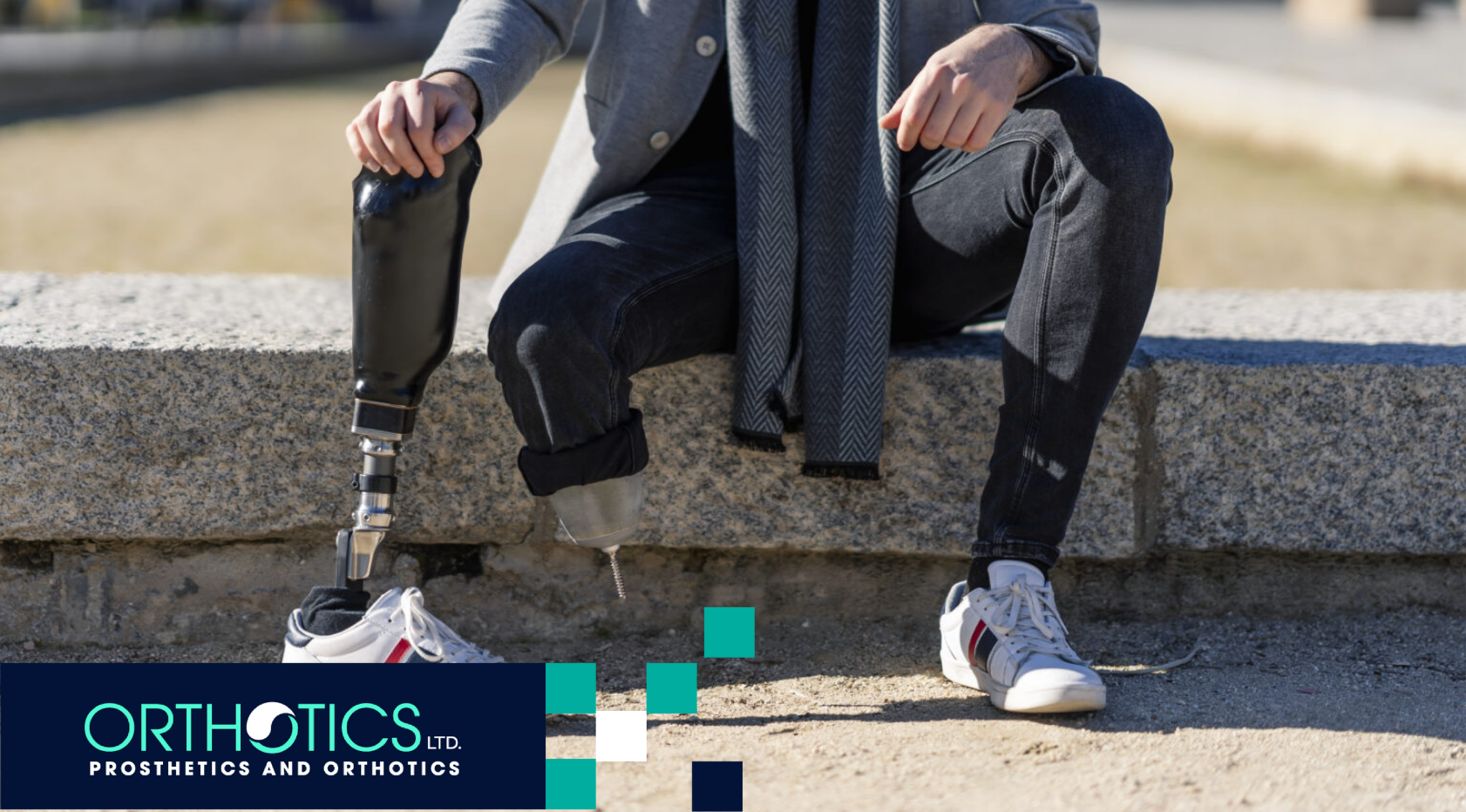
What to Expect After Amputation: Choosing the Right Prosthetic
June 27, 2025 By Orthotics 0 comments
Key Highlights Amputation recovery involves physical healing, emotional adjustments, and psychological preparation for life after limb loss. A multidisciplinary rehabilitation team plays a critical role in ensuring successful recovery and adaptation to a prosthetic limb. Understanding types of prosthetics, their functions, and the fitting process can help you make informed decisions tailored to your needs. […]

Key Highlights

  • Amputation recovery involves physical healing, emotional adjustments, and psychological preparation for life after limb loss.
  • A multidisciplinary rehabilitation team plays a critical role in ensuring successful recovery and adaptation to a prosthetic limb.
  • Understanding types of prosthetics, their functions, and the fitting process can help you make informed decisions tailored to your needs.
  • Factors such as activity level, lifestyle requirements, comfort, and adaptability influence the choice of a prosthetic limb.
  • Long-term care, including routine inspections, maintenance, and professional help when needed, ensures the longevity of your prosthetic limb.


Losing a limb profoundly impacts your body and mind. Adjusting to a prosthetic limb involves daily learning and coping with significant changes.

Understanding the healing process and selecting the right artificial limb are crucial for rebuilding confidence and independence. A strong support system and clear expectations can ease your transition to life with a prosthetic.

This guide outlines what to expect, how to prepare, and emotional responses you may encounter in this new chapter of your life.

Understanding Life After Amputation

Amputation introduces a new way of life, requiring adjustment as limb loss affects daily tasks, mobility, and social connections. Amputation recovery prosthetics may be necessary to regain movement. Early recovery focuses on healing the residual limb, managing pain, and preparing for your first prosthetic fitting.

The condition of your residual limb is crucial for determining readiness for a prosthesis. With proper physical therapy and support, you can regain movement and freedom. Let’s explore these changes further.

Emotional Adjustments and Support Systems

The emotional impact of limb loss can be overwhelming. You may grieve your lost limb, alter your body image, and navigate others’ perceptions. Setting achievable goals, recognizing your progress, and openly discussing your feelings can help. Support from family, friends, and amputee groups provides valuable encouragement.

Joining amputee support groups connects you with those who understand your experience. These groups offer a space to share stories and coping strategies, reminding you that you’re not alone.

Collaborating with rehabilitation psychologists is crucial for your emotional well-being post-limb loss. They help you process difficult emotions like sadness and anger while guiding you to accept life’s changes. Mental healing is as vital as physical recovery; inner strength is essential for long-term wellness.

Physical Changes and Early Recovery

After surgery, your residual limb undergoes significant changes. Physical therapy is crucial for recovery, focusing on exercises to improve movement and strengthen muscles. Gentle stretching prevents tightness, preparing you for an artificial limb.

You may experience phantom pain, which occurs in the absent part of your limb. Techniques like mirror therapy or gentle massage can provide relief. If phantom pain persists, consult your medical team for appropriate treatment.

Bandages and compression socks reduce swelling and shape your residual limb for a prosthetic fit. Early recovery requires patience, but with consistent physical therapy, you’ll regain freedom and mobility over time.

The Importance of a Multidisciplinary Rehabilitation Team

A successful recovery journey after amputation heavily relies on the support of a dedicated team of experts. This multidisciplinary rehabilitation team comprises physical therapists, occupational therapists, prosthetists, and physicians, each bringing unique skills to the table. Their collaboration ensures a tailored rehabilitation process that addresses both the physical and emotional aspects of limb loss.

The alignment of the prosthesis and the proper fit of the socket are critical for the functionality of a prosthetic limb. Furthermore, rehabilitation psychologists may assist in navigating the emotional challenges, enhancing cognitive abilities, and fostering resilience. Engaging in a custom rehabilitation plan not only promotes recovery but also prepares individuals for daily life, creating a solid foundation for a lifelong relationship with their new limb.

Assessing Readiness for a Prosthetic Limb

Getting ready for a prosthetic limb takes both physical and mental steps. First, your leftover limb needs time to heal. Swelling has to go down, and the scar should be cared for in these first steps.

Your healthcare team will check the shape and healing of your residual limb. They also look at how you move and your activity level during this time. It is important to be in a good headspace, too. Feeling positive and ready can help you with the prosthetic limb fitting. All of these steps help you get used to your new artificial limb.

Medical Considerations and Healing Time

Healing time for a residual limb varies by individual, but most wounds heal within six to eight weeks. Factors such as surgical technique, overall health, and management of conditions like diabetes significantly influence recovery. Doctors assess weight-bearing ability, scar healing, and swelling before fitting an artificial limb.

Compression therapy can aid in shrinking the residual limb in preparation for the prosthesis. Frequent health check-ups during this period enhance mobility and ensure optimal use of the new limb.

Addressing health concerns before fitting an artificial limb enhances safety and comfort in daily activities.

Psychological Preparation and Motivation

Your success with an artificial limb often hinges on your mindset. Negative feelings like fear or denial can arise, but talking to therapists and connecting with others who share similar experiences can provide support and clarity.

Setting realistic goals for using your artificial limb gives you motivation. Rehabilitation psychologists can help maintain a positive outlook during the fitting process. When challenges arise, such as discomfort, inner strength and motivation are crucial.

Preparing mentally for an artificial limb involves focusing not only on physical healing but also on managing emotions and changes. This approach fosters independence and improves your quality of life.

Types of Prosthetic Limbs and Their Functions

Prosthetic limbs vary in type, each designed to enhance daily life. Lower limb prosthetics aid in walking, running, and sports, while upper limb prosthetics focus on fine motor skills and grip strength.

Whether you need a basic or advanced prosthesis, it will restore your mobility and cater to your activity level and lifestyle. Let’s explore the options for lower and upper limb prosthetics and their functions.

Lower Limb Prosthetics: Options and Applications

Lower limb prosthetics are designed to help you regain mobility and adapt to your daily activities after a leg amputation.

Type of Lower Limb Prosthetic Functions
Basic Foot Prosthesis Ideal for walking on level ground
Energy-Storage Foot Supports jogging or running
Microprocessor Knee Provides smoother, steadier walking
Sports-Specific Prosthesis Tailored for sports and active lifestyles

These prosthetics cater to various activities like walking, sports, and daily movement. Your prosthetist will assist you in choosing the best option for your needs.

Upper Limb Prosthetics: Types and Capabilities

Upper limb prosthetics come in various types. Some, like hooks or graspers, assist with basic tasks, while myoelectric arms respond to nerve signals for more precise movements.

These artificial limbs promote independence, enabling users to lift, hold, and move objects. Customization is key, ensuring both functionality and aesthetics meet individual needs and lifestyles.

Advancements in technology now allow upper limb prosthetics to restore hand and arm use in previously impossible ways. Consult your rehabilitation team to find the best solution for you.

Factors to Consider When Choosing a Prosthetic

Getting a prosthetic limb that fits you well means looking at a few things. You need to think about your activity level, comfort, and how easy it is to adjust to the limb. The way you live every day will have a big impact on these needs.

Your assessment team will look at both your body and your feelings. They will help you find a prosthetic limb that fits you best. Let’s talk about the main things that can affect your choice.

Activity Level and Lifestyle Needs

Your activity level greatly influences the type of prosthetic limb you need. Consider the following:

  • Sports-specific prosthetics are ideal for running or cycling enthusiasts.
  • Microprocessor knees are beneficial for walking on uneven terrain.
  • Lightweight designs facilitate daily movement.
  • High-impact options provide strength and support for athletes.

These factors ensure your prosthetic suits your lifestyle. Discuss your priorities with your rehabilitation team to choose the right design.

Comfort, Fit, and Adaptability

Comfort and proper fit are essential for prosthesis success. A custom socket ensures the artificial limb works well with your residual limb, allowing for comfortable weight distribution.

Regularly check your fit, as your residual limb may change over time, necessitating adjustments. A well-fitting prosthesis enhances daily use and maximizes benefits.

Report any pain or discomfort to your prosthetist immediately. They can adjust alignment or improve cushioning, optimizing your experience with the artificial limb. Comfort fosters confidence and balance while using your prosthesis.

Costs and Insurance Coverage for Prosthetics

Understanding the financial aspects of prosthetics is crucial for those transitioning post-amputation. Costs for a prosthetic limb can vary significantly based on several factors, including the type of device required, the complexity of the fitting, and the specific customization needed for an individual’s residual limb. Engaging with a comprehensive rehabilitation team can assist in navigating these expenses effectively.

Insurance companies often have varying coverage policies regarding prosthetic services. Therefore, it’s essential to familiarize oneself with the specifics of your insurance plan to understand the extent of coverage for the initial prosthesis and subsequent adjustments. Participating in amputee support groups can provide valuable insights regarding costs and financial assistance options that peers have found helpful, easing the burden of what can be a daunting financial consideration.

The Fitting Process: What to Expect

A comprehensive process awaits when preparing for your prosthetic fitting after amputation. Initially, a thorough assessment by your rehabilitation team is essential to create a custom rehabilitation plan tailored to your specific needs. This includes crafting a mold of your residual limb that ensures the alignment of the prosthesis is optimal for your physical condition and activity level. It’s vital to prioritize the proper fit of the socket, as this directly affects both comfort and mobility.

During the fitting appointment, you can expect multiple adjustments to achieve a secure and comfortable prosthesis. This tactile experience can enhance your cognitive abilities in embracing your new limb as part of your life. Engaging with rehabilitation psychologists and occupational therapists throughout this journey fosters a support system that is invaluable for your emotional adjustment and overall quality of life.

Learning to Use Your New Prosthetic

Getting used to a new prosthesis begins with a clear plan, often starting with physical therapy. These sessions strengthen your residual limb, improve mobility, and address any phantom pain.

Over time, using an artificial limb will become second nature. Your therapist can provide valuable tips for challenges and help you gain independence. As you increase your activity level, your confidence will grow.

By committing to this process and working diligently, you can master your prosthetic limb, enhancing your quality of life.

Physical Therapy and Mobility Training

Rehabilitation is crucial for adapting to a new prosthesis after limb loss. Effective physical therapy strengthens and flexes the residual limb, improving mobility. Therapists tailor exercises to each individual’s activity level, addressing phantom pain and boosting confidence. Over time, patients learn to use their artificial limb more effectively, enhancing independence in daily life. Consistent practice with proper support maximizes the benefits of the prosthesis, allowing individuals to enjoy life again.

Tips for Daily Activities and Independence

Adjusting to life with a new prosthetic limb can enhance your independence and overall quality of life. Establish a routine that aligns with both your activity level and the capabilities of the prosthetic. Utilize tools like reachers or raised surfaces to simplify daily tasks. Engaging in physical therapy can improve mobility, reduce phantom pain, and boost your confidence. Communicate openly with your healthcare team about any challenges you face to discover effective solutions.

Long-Term Prosthetic Care and Maintenance

Regular care and maintenance of your prosthetic limb is crucial for ensuring its performance and longevity. Schedule routine inspections to check for proper fit and alignment, which can significantly impact your mobility and comfort. It’s essential to maintain the fit of the socket to prevent potential skin irritations or other complications, ensuring the quality of life you deserve.

Be vigilant about signs of infection on your residual limb, especially after prolonged wear. Establishing a bond with your prosthetist and rehabilitation team will support your journey, making adjustments as needed. Incorporating exercises into your daily routine can also enhance the functionality of your prosthesis, facilitating seamless transitions in your home environment. A proactive approach to care will contribute immensely to your overall health and happiness.

Final Thoughts

Adjusting to life after limb loss involves many important choices, and finding the right care and support can make all the difference. A well-fitted prosthetic limb, paired with physical therapy and community involvement, helps you regain mobility, boost confidence, and rebuild both physical and emotional strength.

With access to the right information and resources, you can take full advantage of your prosthesis and enjoy greater independence, no matter your lifestyle. At Orthotics Ltd, we’re here to guide you every step of the way with personalized prosthetic solutions that support your journey forward. Contact us today!


Frequently Asked Questions

1. How long does it take to adjust to a prosthetic limb?

Adjusting to a prosthetic limb varies for each individual, typically taking weeks to months. Factors such as the type of amputation and prior experience with mobility aids play a role. Consistent physical therapy is essential; regular practice enhances comfort and usability over time.

2. What should I do if my prosthesis feels uncomfortable?

If your prosthesis is uncomfortable, first check its fit and alignment. Consult your prosthetist for adjustments. Don’t hesitate to seek help with physical therapy or tips on using padding for improved daily comfort.

3. How often will I need to replace my prosthetic limb?

Prosthetic limbs typically need replacement every 3 to 5 years, depending on usage, body weight changes, and technological advancements. Regular check-ups with your prosthetist ensure you know when it’s time for a new limb, providing the best fit and performance.


Sources:

  1. https://www.hopkinsmedicine.org/health/treatment-tests-and-therapies/amputation
  2. https://www.physio-pedia.com/Emotional_and_Psychological_Reactions_to_Amputation
  3. https://pubmed.ncbi.nlm.nih.gov/33711275/
  4. https://stanfordhealthcare.org/medical-conditions/bones-joints-and-muscles/amputation/treatments/rehabilitation.html
  5. https://www.atipt.com/services/specialty-therapies/amputee/
prosthetics
Copied!
previous post
What Is a Prosthetic Limb? A Beginner’s Guide
next post
Physical Therapy After Amputation: Why It Matters

Related Posts

Prosthetics and cosmetic covers being made
When to Replace Cosmetic Prosthetic Covers
Learn when to replace your prosthetic cosmetic covers for comfort, durability, hygiene,...
Read more
A perosn wearing prosthetics sitting on a chair with a blue background
How Socket Design Impacts Prosthetic Performance
Learn how prosthetic socket design affects comfort, gait efficiency, and performance —...
Read more
An amputee wearing prosthetics sitting on a grass ooutdoors
Prosthetic Feet Options for Outdoors
Discover prosthetic feet options for outdoors — from hiking to cycling and...
Read more
An amputee athlete fixing his prosthetic
Future Trends in Sports Prosthetics & Performance
Explore future trends in sports prosthetics, from AI‑powered limbs to 3D‑printed custom...
Read more
Prosthetic accessories
Prosthetic Accessories That Make Daily Life Easier
Discover essential prosthetic accessories that improve comfort, mobility, and ease of daily...
Read more
An athletic amputee wearing prosthetic standing in a track field
How to Prevent Injuries While Using Sports Prosthetics
Learn how to prevent injuries while using sports prosthetics, including training tips,...
Read more
A prosthetic leg
Hard vs Soft Socket Systems: Key Differences
Learn the differences between hard and soft socket systems for prosthetics, including...
Read more
An amputee wearing a prosthetic riding a stationary bicycle
The Role of Cosmetic Covers for Prosthetics in Boosting Confidence
Discover how cosmetic covers for prosthetics boost confidence, improve aesthetics, and enhance...
Read more
An athlete wearing a prosthetic training in a track
Tips for Training with an Athletic Prosthetic
Learn tips for training with an athletic prosthetic, including exercises, safety strategies,...
Read more
Two experts during prosthetics making
Evolution of Prosthetic Options Over Time
Discover how prosthetic options have evolved over time, from basic designs to...
Read more
An amputee wearing a prosthetic standing outdoors wearing jeans and white shoes
Adaptive Prosthetic Fashion: Dress Comfortably & Confidently
Discover adaptive prosthetic fashion techniques to dress comfortably and confidently with your...
Read more
A medical staff stretching a woman's feet
Can Orthotics Correct Uneven Leg Length? What Science Says
Explore how orthotics can correct uneven leg length, when they help leg...
Read more
A model of a foot used for clinics and foot insoles held by a doctor
Do Orthotics Really Work? What Science Says
Explore whether orthotics really work, reviewing what science says about orthotic benefits,...
Read more
A man eating a healthy plate of food
Nutrition Tips for Orthotic Users: Healthy Eating Guide
Key Highlights Proper nutrition plays a crucial role for orthotic users in...
Read more
An athlete wearing prosthesis running in a track
Prosthetics in the Paralympics: Inspirational Stories of Technology & Triumph
Explore the advancement of prosthetics in the Paralympic Games through stirring stories...
Read more
A person is stretching his foot
Common Orthotics Myths — Debunked!
common orthotics myths
Read more
A patient lying on a hospital bed with doctors surrounding him
Overcoming Fear of Amputation: Mental Preparation Tips
Learn how to overcome the fear of amputation with mental preparation strategies,...
Read more
An amputee wearing prosthetics doing home exercise
Home Exercises for Prosthetic Users: Safe & Effective Guide
Discover home exercises for prosthetic users to build strength, balance, gait confidence,...
Read more
An elderly woman standing up using a cane
Prosthetics for Seniors: What You Need to Know
Find out how the right prosthetics for seniors can enhance comfort and...
Read more
A doctor assisting a patient's foot
The Role of Orthotics in Post-Surgery Recovery
Discover how orthotics in post-surgery recovery help stabilize joints, reduce strain, and...
Read more
A woman is stretching her foot
Footwear Mistakes That Can Damage Your Orthotics
Learn the common footwear mistakes that can damage your orthotics and discover...
Read more
A man putting an insole into a shoe
Different Types of Orthotics Explained
Discover the different types of orthotics, from spinal orthoses to the advanced...
Read more
An amputee wearing prosthetics sitting on a bench
Upper Limb Prosthetics Options: What You Need to Know
Explore this guide to upper limb prosthetics options, from body-powered to myoelectric...
Read more
An amputee wearing prosthetics standing
Exploring Different Lower Limb Prosthetics Options
Explore the full range of lower limb prosthetics options, from hip to...
Read more
A runner is running in a track wearing prosthetics
Sports Prosthetic Types: What They Are & What They Do
Explore the different sports prosthetic types, from running to horseback riding, and...
Read more
An insurance policy paperwork
Prosthetics and Orthotics Insurance: How Orthotics Ltd. Handles It
Learn how prosthetics insurance and orthotics insurance work, and how our team...
Read more
A cyclist wearing prosthetics
How Sport Prosthetics Work: Can One Be Used for Multiple Sports?
Explore how sport prosthetics work, whether one device can support multiple activities,...
Read more
An amputee wearing prosthetics doing stretches with his therapist during occupational therapy
How Occupational Therapy Helps Upper Limb Prosthetic Users
Discover how occupational therapy supports upper limb prosthetic users, improving function, mobility,...
Read more
An amputee wearing prosthesis sitting on the grass
How Myoelectric Prosthetics Work: A Complete Guide
Learn how myoelectric prosthetics work, their components, control mechanisms, benefits, and tips...
Read more
An amputee wearing a lower-limb prosthesis stretching his legs
Living with a Lower-Limb Prosthesis: Tips for Daily Life
Discover practical tips for living with a lower-limb prosthesis, from daily care...
Read more
A woman laying on a bed for orthotics fitting
Early Signs You Might Need an Orthotic Device
Learn the early signs you might need an orthotic device, how orthotic...
Read more
A doctor checking a patients foot for custom prosthetics in New York City
How to Choose Custom Prosthetics in New York City
Learn how to choose a prosthetic clinic offering custom prosthetics in New...
Read more
Two medical professionals working together on osseointegration prosthetics
Osseointegration: What It Is & Who Qualifies
Learn about osseointegration, the benefits of an osseointegrated prosthetic limb, and who...
Read more
An amputee wearing a prosthetic
Debunking Common Myths About Prosthetic Limbs
Explore common myths about prosthetic limbs and debunk the misconceptions. Learn how...
Read more
An amputee wearing a prosthetic leg skating outdoors
What Is the Difference Between Prosthetics and Orthotics?
Discover the difference between prosthetics and orthotics, including definitions, purposes, applications in...
Read more
A woman wearing a prosthetic sitting on grass
Women in Prosthetics: Stories of Strength & Recovery
Explore inspiring accounts of women in prosthetics whose journeys with prosthetics women...
Read more
An amputee wearing a prosthetic limb is doing physical therapy
Physical Therapy After Prosthetic Limb: Key Role & Benefits
Discover how physical therapy after prosthetic limb fitting accelerates adaptation, improves gait,...
Read more
A kid with cerebral palsy
The Benefits of Orthotics for Cerebral Palsy Patients
Discover how orthotics for cerebral palsy help stabilize joints, enhance gait, and...
Read more
An elderly person sitting on a bed holding her foot
Orthotics for Seniors: Mobility Support and Fall Prevention
Learn how orthotics for seniors improve balance, mobility, and prevent falls. Discover...
Read more
A runner wearing orthotics running up the stairs
Orthotics for Runners: Reducing Injury Risk and Enhancing Performance
Discover how orthotics for runners improve comfort, prevent injuries, and boost performance....
Read more
An amputee wearing a prosthetic stretching outdoors
Orthotics for Back Pain: Improve Posture and Reduce Discomfort
Discover how orthotics for back pain can enhance posture, alleviate discomfort, and...
Read more
A medical practitioner helping a kid fit a pediatric orthotics
Custom Orthotics for Children: Early Intervention
Explore the benefits of custom orthotics for children, pediatric orthotics, and how...
Read more
A guy holding shoe insoles
Signs You Might Benefit from Custom Orthotics
Explore signs you might benefit from custom orthotics and prosthetics, and learn...
Read more
An amputee wearing a prosthetic sitting on the grass
Emergency Prosthetic Care: What to Do When Accidents Happen
Learn essential prosthetic care and emergency prosthetic care tips so you know...
Read more
An amputee wearing prosthetics sitting on a couch
Psychological Benefits of Wearing Custom Prosthetics
Discover the psychological benefits of custom prosthetics, how they boost confidence, self-esteem,...
Read more
A custom foot insole
Orthotics vs. Over-the-Counter Insoles: What’s the Difference?
Explore the difference between custom orthotics vs. over-the-counter insoles. Discover the benefits...
Read more
Orthotics fitting for a patient with diabetes
Custom Orthotics for Diabetes: Diabetic Foot Care Solutions
Discover custom orthotics for diabetes, providing foot care, and preventing foot ulcers...
Read more
A person walking on the grass barefoot
Custom Orthotics for Common Foot Conditions Prevention and Treatment
Discover how custom orthotics prevent and treat common foot conditions with personalized...
Read more
An amputee wearing a prosthetic sitting on the grass
Life After Limb Loss: Inspirational Stories from Amputees
Explore empowering prosthetic success stories and amputee journey tales, highlighting life after...
Read more
An amputee wearing advanced prosthetics
Top 5 Most Advanced Prosthetic Limbs in 2025
Discover the top 5 advanced prosthetic limbs of 2025, from bionic knees...
Read more
An amputee applying for prosthetic grants and financial aid
How to Apply for Prosthetic Grants and Financial Aid
Learn how to apply for prosthetic grants and financial aid, limb loss...
Read more
An amputee support group having a meeting
Finding Amputee Support Groups Near You: Local Prosthetic Communities
Discover amputee support groups, prosthetic peer support, and your local prosthetic community...
Read more
An amputee wearing prosthetic doing outdoor stretches
Can I Get Insurance Coverage for Prosthetic Limbs?
Learn about insurance coverage for prosthetic limbs, including what is covered, types...
Read more
An amputee wearing a prosthetic walking outdoors
Cost of Prosthetic Limbs in 2025: Prices Explained
Discover the cost of prosthetic limbs in 2025, including prosthetic arm cost,...
Read more
An amputee wearing a prosthetic
How Prosthetics Work: Understanding Functional Prosthetics
Learn how prosthetics work, explore prosthetic limb technology, and discover the benefits...
Read more
A prosthetist talking to an amputee about customizing prosthetics
Custom Prosthetic Limbs: The Prosthetist Process Explained
Learn more about custom prosthetic limbs. Explore the prosthetist process, prosthetic fitting...
Read more
An amputee wearing a prosthetic
Hydraulic vs. Microprocessor Prosthetic Knees: Pros and Cons
Explore the pros and cons of hydraulic vs. microprocessor prosthetic knees. Discover...
Read more
An amputee with a prosthetic leg sitting on the grass
Above-Knee vs. Below-Knee Prosthetics: Key Differences Explained
Learn the differences between above-knee and below-knee prosthetics. Explore transfemoral vs transtibial...
Read more
An amputee with a prosthetic leg stretching out
Daily Life with a Prosthetic Leg: Tips for New Users
Explore tips and practical advice for adapting to prosthetic limbs. Learn how...
Read more
An amputee with a prosthetic limb is on the phone while holding a cup of coffee
Returning to Work with a Prosthetic Limb: What You Need to Know
Discover tips for returning to work with a prosthetic limb, understanding workplace...
Read more
A father with prosthetic is walking with her daughter
Support for Amputees: A Guide for Families
Learn effective support for amputees with caregiver tips. Discover strategies for family...
Read more
An amputee wearing prosthetics is walking on grass
Coping with Limb Loss: Mental Health Resources for Amputees
Explore mental health after amputation and strategies for emotional recovery limb loss....
Read more
An amputee wearing prosthetics running outdoors
Best Footwear for Prosthetic Users: Comfort & Fit Tips
Discover the best shoes for prosthetic legs. Learn tips on footwear for...
Read more
A bilateral amputee wearing prosthetics sitting on a bench in a park
Prosthetic Options for Bilateral Amputees
Explore prosthetic options for bilateral amputees. Learn about double amputation prosthetic options...
Read more
An amputee with prosthetic legs running in a field
Signs It’s Time to Replace Your Prosthetic Limb
Learn the key signs it’s time for prosthetic limb replacement. Discover wear...
Read more
An amputee with prosthetics is running outdoors
The Future of Prosthetic Bionic Limbs: What’s Next?
Explore prosthetic bionic limbs technology, AI in prosthetics, and the future of...
Read more
An amputee with a prosthetic legs is standing outdoors
Building Confidence After Getting a Prosthetic Limb
Discover strategies for confidence with prosthetic limbs, boosting self-esteem after limb loss,...
Read more
An amputee is holding his prosthetic leg
Prosthetic Leg Types: Choosing the Right Leg Prosthesis
Explore prosthetic leg types, tips for choosing a prosthetic leg, and leg...
Read more
A traveler with a prosthetic limb
Traveling with a Prosthetic Limb: TSA, Packing, and Comfort Tips
Learn how to travel with prosthetic limb safely, navigate TSA prosthetic travel...
Read more
A man wearing prosthetics sitting
What Causes Prosthetic Discomfort—and How to Fix It
Learn about prosthetic pain relief, common causes of socket discomfort, and prosthetic...
Read more
A woman with prosthetics is choosing a playlist for her run
Prosthetics and Physical Fitness: Exercise Tips for Amputees
Discover our prosthetic fitness guide with expert amputee workouts and exercise tips...
Read more
A man with an upper limb prosthetic is holding an apple
Upper Limb Prosthetics: What You Should Know
Learn everything about upper limb prosthetics, including arm prosthetics, upper extremity prosthesis...
Read more
A teen with prosthetics doing yoga outdoors
Prosthetics for Teens: Balancing Style, Sports, and School Life
Explore how teen amputee prosthetics and youth prosthetic limbs help teenagers balance...
Read more
An amputee walking with leg prosthetic
Socket Technology in Prosthetics: Why It Matters
Learn how socket fit and custom socket prosthetic designs impact prosthetic socket...
Read more
A man with prosthetics walking outdoors
How Smart Prosthetics Are Changing Lives
Explore how smart prosthetics, sensor prosthetics, and neural-controlled prosthetics are transforming mobility...
Read more
An amputee woman with a prosthetic leg is carrying a yoga mat outdoors
Discovering Yoga and Stretching for Lower Limb Amputees
Key Highlights Gain insight into adaptive yoga and how it supports mobility,...
Read more
Two prosthetist workers making prosthetic leg while working in laboratory
How to Choose a Prosthetic Provider Near You: A Complete Guide
Key Highlights Learn essential steps for selecting the best prosthetic provider near...
Read more
Sportsman with prosthetic leg getting ready for training
Insurance Coverage for Prosthetics: What’s Typically Included?
Key Highlights Health insurance plans often provide varying levels of insurance coverage...
Read more
A little girl with a prosthetic leg is sitting on a couch
Pediatric Prosthetics: Special Considerations for Children
Key Highlights Pediatric prosthetics are specialized devices designed to meet the unique...
Read more
A walking man with prosthetic legs and white sneakers
3D Printed Prosthetics: Are They Reliable?
Key Highlights 3D-printed prosthetics are transforming the manufacturing process of prosthetic devices,...
Read more
A man with prosthetic leg is running on a playing field
Can You Play Sports with a Prosthetic Leg?
Key Highlights A prosthetic leg enables amputee athletes to actively pursue various...
Read more
A male surfer with prosthetic legs is standing on beach sand holding a surf board
Caring for Your Prosthetic Limb: Cleaning and Maintenance Guide
Key Highlights Maintaining your prosthetic limb through daily cleaning ensures its longevity...
Read more
A physical therapist is assisting a patient after amputation
Physical Therapy After Amputation: Why It Matters
Key Highlights Physical therapy plays a pivotal role in the rehabilitation process...
Read more
A sporty man with a prosthetic leg
What Is a Prosthetic Limb? A Beginner’s Guide
What is a prosthetic limb? Discover the types, benefits, and how prosthetics...
Read more
image
Get a new limb for a new lease on life.
Reach out to discuss your prosthetic options.
Schedule a consultation today
Facebook-f Pinterest Twitter Linkedin-in
Quick Links
  • About
  • Prosthetics
  • Athletic & Sports Prosthetics
  • Orthotics
  • Contact
Locations
  • Harriman
  • Port Jefferson Station
  • Brooklyn
  • Hempstead
Contact Us
  • (914) 337-8600
  • [email protected]
Copyright © 2025 Orthotics Ltd. All rights reserved.

Website by CWS

Call Us
Facebook-f Pinterest Twitter Linkedin-in
Quick Links
  • About
  • Prosthetics
  • Orthotics
  • Locations
  • Patient Stories
  • Contact
Locations
  • Harriman
  • Port Jefferson Station
  • Brooklyn
  • Hempstead
Contact Us
  • (914) 337-8600
  • [email protected]
Copyright © 2025 Orthotics Ltd. All rights reserved.

Website by CWS

Forgot password?