• Home
  • About Us
    • Insurance
  • Clinics
    • Harriman
    • Port Jefferson Station
    • Brooklyn
    • Hempstead
  • Prosthetics
    • Prosthetic Options
    • Upper Limb
      • Arms
      • Hands
      • Fingers
      • Shoulder
      • Elbow
      • Wrist Joint
    • Lower Limb
      • Hip
      • Leg
      • Knee
      • Foot
      • Ankle
      • Toe
    • Athletic & Sports Prosthetics
    • Cosmetic Covers
    • Socket Systems
  • Orthotics
  • Resources
    • Blog
  • Contact
  • Home
  • About Us
    • Insurance
  • Clinics
    • Harriman
    • Port Jefferson Station
    • Brooklyn
    • Hempstead
  • Prosthetics
    • Prosthetic Options
    • Upper Limb
      • Arms
      • Hands
      • Fingers
      • Shoulder
      • Elbow
      • Wrist Joint
    • Lower Limb
      • Hip
      • Leg
      • Knee
      • Foot
      • Ankle
      • Toe
    • Athletic & Sports Prosthetics
    • Cosmetic Covers
    • Socket Systems
  • Orthotics
  • Resources
    • Blog
  • Contact
(914) 337-8600

Common Orthotics Myths — Debunked!
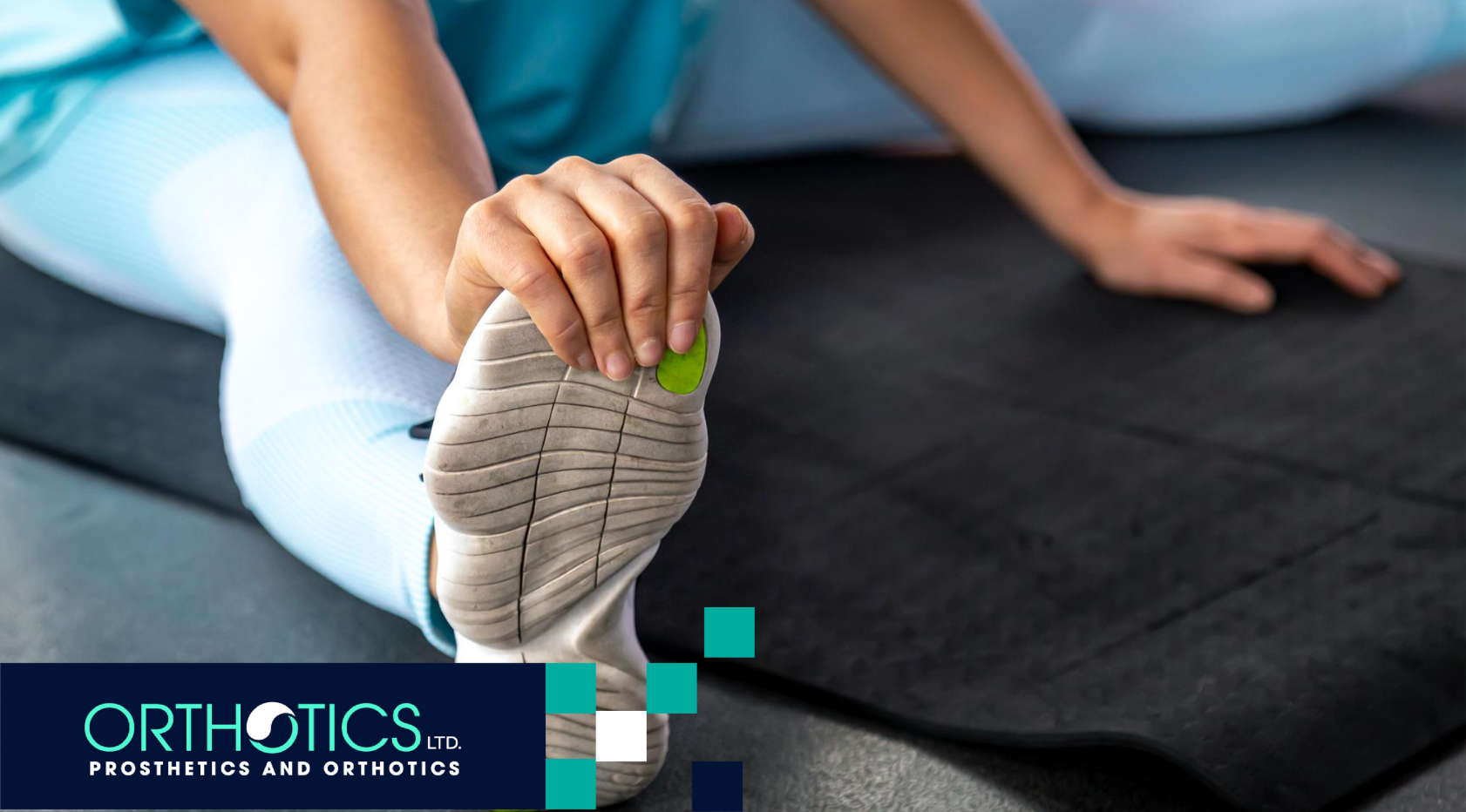
Common Orthotics Myths — Debunked!
November 5, 2025 By Orthotics 0 comments
common orthotics myths

Key Highlights

  • Many misconceptions exist around orthotics—who needs them, how they work, and when they’re effective.
  • Orthotics do not cause muscle weakness or are only for older people—they benefit all ages and needs.
  • Off‑the‑shelf and custom orthotics differ in purpose, cost, and effectiveness—one size does not fit all.
  • Proper fitting, follow‑up, and coordination with footwear matter more than just buying “arch supports.”
  • Understanding what orthotics can and cannot do helps set realistic expectations and maximise outcomes.


When it comes to orthotics—whether foot inserts, braces, or supportive devices—there’s plenty of confusion. Some of that stems from outdated assumptions, marketing hype, or oversimplified claims. But if you’re seeking relief from pain, improved alignment, or better mobility support, understanding the common orthotics myths and the facts behind them is key.

In this article, we’ll walk through the most prevalent myths about orthotics, set the record straight with evidence and professional insight, and help you make informed decisions about whether and how orthotics might benefit you.

Why Myths Persist Around Orthotics

Orthotics span many uses: foot inserts, ankle‑foot orthoses (AFOs), custom braces, shoe insoles, etc. Myths persist for several reasons:

  1. Variable quality and user experience: If someone tries a poorly‑fitted orthotic and has discomfort, they may generalize “orthotics don’t work.”
  2. Over‑simplified marketing: “One arch support fits all” slogans ignore individual biomechanics.
  3. Lack of education: Many users receive orthotics without a full explanation of how they work, how they should feel, or how long adaptation might take.
  4. Mixed evidence and user variability: Foot function and biomechanics vary greatly; what works for one may not for another, leading to claims of “it didn’t work for me.”
  5. Shift in technologies: Modern orthotics (3D scanning, custom fabrication, advanced materials) differ significantly from older models, yet myths remain based on older devices.


Therefore, debunking myths is useful to create realistic expectations, support good decision‑making, and improve outcomes.

Myth #1: “Orthotics Are Only for Older People or Injured Athletes”

Myth: Orthotics are just for seniors with degenerative issues or for top athletes with foot problems.
Fact: Orthotics can benefit people of all ages and activity levels.

  • Orthotics are not entirely associated with old people. Every person at every age can benefit from them.
  • Athletes and active young people may use orthotics to optimise alignment, prevent injury, or support unique foot mechanics.
  • Moreover, many people in occupations involving standing, walking, or repetitive loading (teachers, healthcare workers, retail staff) benefit from orthotic support even without “injury”.


Why it matters: If you believe orthotics are “not for me because I’m young/active,” you might miss out on meaningful benefits. Age and injury status are not the sole determinants of need.

Myth #2: “Using Orthotics Will Make My Muscles Weak or Dependent”

Myth: Putting support in your shoe means your muscles will atrophy, become lazy, and then you’ll be worse off.
Fact: When properly prescribed and used, orthotics support foot/leg mechanics, reduce abnormal stress, and do not inherently weaken muscles.

  • Studies show improved muscle activation with correctly fitted devices.
  • While some designs might limit motion excessively (thus risking disuse), many modern orthoses are dynamic and aim to assist rather than immobilize.
  • In other words: the risk lies in inappropriate device selection or lack of accompanying training—not the orthotic itself.


What to ask:

  • Is the orthotic prescribed to support alignment or reduce abnormal motion (rather than simply “pad and support”)?
  • Are you doing strength, mobility, and neuromuscular exercises alongside?
  • Does the orthotist/therapist plan for gradual weaning, adaptation, or progression?


If yes, the orthotic becomes a tool with your muscles, not instead of them.

Myth #3: “Over‑the‑Counter (OTC) Inserts Are Just As Good as Custom Orthotics”

Myth: I can buy an off‑the‑shelf insert and it will fix what a custom orthotic would.
Fact: OTC inserts can be helpful for mild or general comfort issues, but they do not replace a properly prescribed custom orthotic when specific biomechanical correction is needed.

  • “OTC orthotics are just as good as custom orthotics” is a common but false belief.
  • While OTC devices offer cushioning/support, they often cannot address complex dysfunctions such as uneven gait, limb length discrepancy, or severe deformities.
  • That said, cost and access mean OTC may serve as an interim or supplemental option—but with the caveat of limited specificity.


OTC vs Custom Orthotics

Feature OTC Inserts Custom Orthotics
Molded to the foot No – generic sizes Yes – based on foot scan/impression
Address severe biomechanics Limited Designed for specific dysfunction
Cost Lower Higher (but may yield greater long‑term value)
Break-in/fit Simple Requires adjustment & follow‑up
Longevity Shorter lifespan, fewer adjustability Longer lifespan, adjustable

Bottom line: If you have simple discomfort, OTC may help. If you have structural issues, chronic pain, or specific performance goals—custom is often worth the investment.

Myth #4: “Orthotics Are a Quick Fix / Replace the Need for Exercise or Proper Footwear”

Myth: Once I get orthotics, I’m done—shoe fit doesn’t matter much, I don’t need to exercise the foot.
Fact: Orthotics are one piece of a broader foot/leg health system—including footwear, exercise/rehab, alignment, and lifestyle.

  • Orthotics are not “a quick fix or all foot problems,” but rather work best when combined with proper footwear and exercise.
  • A follow‑up and adjustment of orthotics is needed, not “set it and forget it.”


What to keep in mind:

  • A well‑fitting shoe (correct width, support, cushioning) supports the orthotic.
  • Exercises for calf, foot intrinsic muscles, and balance/gait training enhance outcomes.
  • Regular review of the orthotic (fit, wear, alignment) ensures continued benefit.
  • The device alone, without behavior/footwear adjustment, may under‑deliver.


Myth #5: “If Orthotics Don’t Feel Perfect Immediately, They’re Bad”

Myth: I should be comfortable the first day, or the orthotic is faulty and won’t work.
Fact: There can be an adaptation period when you start using orthotics; minor discomfort or “strange sensation” is not unusual—but persistent pain or worsening symptoms are red flags.

  • “Insoles should be comfortable on the first day” was identified as a myth—and the truth is that some devices require a break‑in period.
  • Orthotics should never cause blistering or significant pain—but subtle adaptation is expected.


Tips for adaptation:

  • Wear them gradually (start 1–2 hours, then increase)
  • Monitor for hot spots, redness, and discomfort
  • Communicate with your orthotist if discomfort persists
  • Allow 1‑2 weeks (or more) for the gait pattern to settle


Myth #6: “Orthotics Are Too Expensive & Not Worth the Investment”

Myth: Custom orthotics cost too much and the benefit is marginal.
Fact: While cost is a consideration, many people find that when properly fitted and used, orthotics yield value in pain reduction, improved function, fewer injuries or surgeries, and enhanced quality of life.

  • The cost/mismatch often results when the wrong type of orthotic is used or follow‑up is neglected.


Value considerations:

  • Compare the cost of repeated shoe inserts, treatments, therapies, versus a one‑time custom device
  • Verify insurance or reimbursement options
  • Factor in fewer visits, pain‑related downtime, and improved mobility
  • Understand that poor outcomes usually come from poor prescription, not the concept of orthotics


Myth #7: “Once I Have My Orthotics, I’ll Never Need to Revisit or Adjust Them”

Myth: Fit it once, forget it—it lasts forever.
Fact: Foot/leg biomechanics, body weight, activity level, shoes, and the orthotic itself can all change over time—periodic review is essential.

  • Orthotics may help for a long time, but “you may still need additional treatment”—monitoring is key.
  • The “dress it and forget it” approach leads to sub‑optimal outcomes; adjustments based on wear, user feedback, and condition change are normal.


What to schedule:

  • Follow‑up after the first 4‑6 weeks of use
  • Annual check (for general wear) or sooner if pain/fit changes
  • After weight‑gain/loss, new shoes, a change in activity
  • If you develop pain elsewhere (knee, hip, back) this may indicate shifting mechanics


How to Navigate Orthotics Successfully — A Practical Guide

Here’s a step‑by‑step path to make orthotics work for you:

  • Assessment
    • Gait analysis, foot/leg alignment check, and biomechanical review.
    • Identify underlying issues (flat feet, high arch, overpronation, limb length discrepancy).
  • Prescription & Device Selection
    • Decide: off‑the‑shelf vs custom; choice of materials, support level, shoe compatibility.
    • Clarify goals: pain relief, alignment correction, activity support, and prevention.
  • Fitting & Education
    • Ensure proper fit: liner, shoe size, ease of donning/doffing, pressure checks.
    • Education on break‑in schedule, what normal adaptation feels like, and what to watch for.
  • Integration with Footwear & Activity
    • Pair with appropriate shoes; adapt walking/standing patterns; add strengthening/mobility exercise.
    • Manage expectations—device supports but doesn’t replace good movement habits.
  • Monitoring & Adjustment
    • Use a log: “Hours worn,” “Areas of discomfort,” “Change in pain/activities.”
    • Adjust as needed: trim, tweak cushion, change shoes, modify support level.
  • Review & Progression
    • After adaptation (4‑8 weeks), evaluate: Are goals being met? Any new symptoms?
    • Consider upgrading or changing the device if activity changes, body changes, or wear occurs.
  • Maintenance & Replacement
    • Device wear‑out: foam liners compress, shells fatigue, biomechanics shift.
    • Proper care (cleaning, avoiding moisture, checking wear) prolongs life.


By following this structured approach, you give yourself the best chance of getting full value from an orthotic device.

Final Thoughts

Orthotics are a powerful tool—but they are not magic. Many myths persist that can derail expectations: that orthotics are only for seniors or athletes, that they weaken muscles, that OTC equals custom, or that once fitted, they never need revisiting. The truth is more nuanced:

  • Orthotics benefit people of all ages and activity levels.
  • Properly prescribed orthotics support, not replace, foot/leg function.
  • Custom orthotics have distinct advantages when tailored biomechanical demands.
  • They must be paired with appropriate footwear, gait/strength training, and monitoring.
  • Adaptation time, user feedback, and periodic adjustments are integral to success.
  • When used well, orthotics offer value—improved comfort, mobility, and potential reduction in secondary issues.


If you’re considering orthotics—whether for foot/ankle discomfort, pain elsewhere in your leg/back, or improved movement support—take the time to choose a qualified clinician, ensure proper fitting and follow‑through, and view the device as part of your movement system, not a stand‑alone fix.

If you’d like personalised support in selecting the right orthotic device, fitting it correctly, and integrating it into your movement plan, the team at Orthotics Ltd. is ready to help you every step of the way. Reach out today!


Frequently Asked Questions

1. Do I need a prescription for orthotics?

Not always. Some over‑the‑counter inserts are available without a prescription, but if you have significant biomechanical issues, deformities or chronic pain, a prescription for custom orthotics from a qualified clinician is often advised.

2. How long until I start feeling benefits from an orthotic?

It varies. Some users feel immediate alignment or comfort changes; others may need a break‑in period of one to a few weeks while their gait adapts. Minor discomfort during this time can be normal.

3. Can I stop wearing orthotics once my symptoms improve?

Possibly—but only after a considered plan. If you stop abruptly, issues may return. The device may still be aiding alignment, reducing stress, or preventing recurrence even if symptoms are gone.

4. Will I always wear the same orthotic device forever?

Likely not. Changes in your body (weight, activity), shoes, or underlying condition may mean the orthotic needs adjustment, replacement or modification over time. Periodic review is recommended.

5. How do I choose between an off‑the‑shelf insert and a custom orthotic?

If your symptoms are mild, your foot mechanics are relatively normal, and you just need general support or cushioning, an OTC insert may suffice. If you have chronic pain, structural deformities, specific gait issues, or need high‑function support (for sports, work, or daily mobility), a custom orthotic is often the better choice.


Sources:

  • https://pubmed.ncbi.nlm.nih.gov/598143/
  • https://pmc.ncbi.nlm.nih.gov/articles/PMC6295089/
  • https://my.clevelandclinic.org/health/treatments/orthotics
  • https://www.asics.com/gb/en-gb/asics-advice/foot-mapping-and-gait-analysis-how-it-can-improve-your-running-efficiency/
  • https://www.hss.edu/departments/performance-and-wellness/running-gait-analysis
orthotics
Copied!
previous post
Overcoming Fear of Amputation: Mental Preparation Tips
next post
Prosthetics in the Paralympics: Inspirational Stories of Technology & Triumph

Related Posts

Prosthetics and cosmetic covers being made
When to Replace Cosmetic Prosthetic Covers
Learn when to replace your prosthetic cosmetic covers for comfort, durability, hygiene,...
Read more
A perosn wearing prosthetics sitting on a chair with a blue background
How Socket Design Impacts Prosthetic Performance
Learn how prosthetic socket design affects comfort, gait efficiency, and performance —...
Read more
An amputee wearing prosthetics sitting on a grass ooutdoors
Prosthetic Feet Options for Outdoors
Discover prosthetic feet options for outdoors — from hiking to cycling and...
Read more
An amputee athlete fixing his prosthetic
Future Trends in Sports Prosthetics & Performance
Explore future trends in sports prosthetics, from AI‑powered limbs to 3D‑printed custom...
Read more
Prosthetic accessories
Prosthetic Accessories That Make Daily Life Easier
Discover essential prosthetic accessories that improve comfort, mobility, and ease of daily...
Read more
An athletic amputee wearing prosthetic standing in a track field
How to Prevent Injuries While Using Sports Prosthetics
Learn how to prevent injuries while using sports prosthetics, including training tips,...
Read more
A prosthetic leg
Hard vs Soft Socket Systems: Key Differences
Learn the differences between hard and soft socket systems for prosthetics, including...
Read more
An amputee wearing a prosthetic riding a stationary bicycle
The Role of Cosmetic Covers for Prosthetics in Boosting Confidence
Discover how cosmetic covers for prosthetics boost confidence, improve aesthetics, and enhance...
Read more
An athlete wearing a prosthetic training in a track
Tips for Training with an Athletic Prosthetic
Learn tips for training with an athletic prosthetic, including exercises, safety strategies,...
Read more
Two experts during prosthetics making
Evolution of Prosthetic Options Over Time
Discover how prosthetic options have evolved over time, from basic designs to...
Read more
An amputee wearing a prosthetic standing outdoors wearing jeans and white shoes
Adaptive Prosthetic Fashion: Dress Comfortably & Confidently
Discover adaptive prosthetic fashion techniques to dress comfortably and confidently with your...
Read more
A medical staff stretching a woman's feet
Can Orthotics Correct Uneven Leg Length? What Science Says
Explore how orthotics can correct uneven leg length, when they help leg...
Read more
A model of a foot used for clinics and foot insoles held by a doctor
Do Orthotics Really Work? What Science Says
Explore whether orthotics really work, reviewing what science says about orthotic benefits,...
Read more
A man eating a healthy plate of food
Nutrition Tips for Orthotic Users: Healthy Eating Guide
Key Highlights Proper nutrition plays a crucial role for orthotic users in...
Read more
An athlete wearing prosthesis running in a track
Prosthetics in the Paralympics: Inspirational Stories of Technology & Triumph
Explore the advancement of prosthetics in the Paralympic Games through stirring stories...
Read more
A patient lying on a hospital bed with doctors surrounding him
Overcoming Fear of Amputation: Mental Preparation Tips
Learn how to overcome the fear of amputation with mental preparation strategies,...
Read more
An amputee wearing prosthetics doing home exercise
Home Exercises for Prosthetic Users: Safe & Effective Guide
Discover home exercises for prosthetic users to build strength, balance, gait confidence,...
Read more
An elderly woman standing up using a cane
Prosthetics for Seniors: What You Need to Know
Find out how the right prosthetics for seniors can enhance comfort and...
Read more
A doctor assisting a patient's foot
The Role of Orthotics in Post-Surgery Recovery
Discover how orthotics in post-surgery recovery help stabilize joints, reduce strain, and...
Read more
A woman is stretching her foot
Footwear Mistakes That Can Damage Your Orthotics
Learn the common footwear mistakes that can damage your orthotics and discover...
Read more
A man putting an insole into a shoe
Different Types of Orthotics Explained
Discover the different types of orthotics, from spinal orthoses to the advanced...
Read more
An amputee wearing prosthetics sitting on a bench
Upper Limb Prosthetics Options: What You Need to Know
Explore this guide to upper limb prosthetics options, from body-powered to myoelectric...
Read more
An amputee wearing prosthetics standing
Exploring Different Lower Limb Prosthetics Options
Explore the full range of lower limb prosthetics options, from hip to...
Read more
A runner is running in a track wearing prosthetics
Sports Prosthetic Types: What They Are & What They Do
Explore the different sports prosthetic types, from running to horseback riding, and...
Read more
An insurance policy paperwork
Prosthetics and Orthotics Insurance: How Orthotics Ltd. Handles It
Learn how prosthetics insurance and orthotics insurance work, and how our team...
Read more
A cyclist wearing prosthetics
How Sport Prosthetics Work: Can One Be Used for Multiple Sports?
Explore how sport prosthetics work, whether one device can support multiple activities,...
Read more
An amputee wearing prosthetics doing stretches with his therapist during occupational therapy
How Occupational Therapy Helps Upper Limb Prosthetic Users
Discover how occupational therapy supports upper limb prosthetic users, improving function, mobility,...
Read more
An amputee wearing prosthesis sitting on the grass
How Myoelectric Prosthetics Work: A Complete Guide
Learn how myoelectric prosthetics work, their components, control mechanisms, benefits, and tips...
Read more
An amputee wearing a lower-limb prosthesis stretching his legs
Living with a Lower-Limb Prosthesis: Tips for Daily Life
Discover practical tips for living with a lower-limb prosthesis, from daily care...
Read more
A woman laying on a bed for orthotics fitting
Early Signs You Might Need an Orthotic Device
Learn the early signs you might need an orthotic device, how orthotic...
Read more
A doctor checking a patients foot for custom prosthetics in New York City
How to Choose Custom Prosthetics in New York City
Learn how to choose a prosthetic clinic offering custom prosthetics in New...
Read more
Two medical professionals working together on osseointegration prosthetics
Osseointegration: What It Is & Who Qualifies
Learn about osseointegration, the benefits of an osseointegrated prosthetic limb, and who...
Read more
An amputee wearing a prosthetic
Debunking Common Myths About Prosthetic Limbs
Explore common myths about prosthetic limbs and debunk the misconceptions. Learn how...
Read more
An amputee wearing a prosthetic leg skating outdoors
What Is the Difference Between Prosthetics and Orthotics?
Discover the difference between prosthetics and orthotics, including definitions, purposes, applications in...
Read more
A woman wearing a prosthetic sitting on grass
Women in Prosthetics: Stories of Strength & Recovery
Explore inspiring accounts of women in prosthetics whose journeys with prosthetics women...
Read more
An amputee wearing a prosthetic limb is doing physical therapy
Physical Therapy After Prosthetic Limb: Key Role & Benefits
Discover how physical therapy after prosthetic limb fitting accelerates adaptation, improves gait,...
Read more
A kid with cerebral palsy
The Benefits of Orthotics for Cerebral Palsy Patients
Discover how orthotics for cerebral palsy help stabilize joints, enhance gait, and...
Read more
An elderly person sitting on a bed holding her foot
Orthotics for Seniors: Mobility Support and Fall Prevention
Learn how orthotics for seniors improve balance, mobility, and prevent falls. Discover...
Read more
A runner wearing orthotics running up the stairs
Orthotics for Runners: Reducing Injury Risk and Enhancing Performance
Discover how orthotics for runners improve comfort, prevent injuries, and boost performance....
Read more
An amputee wearing a prosthetic stretching outdoors
Orthotics for Back Pain: Improve Posture and Reduce Discomfort
Discover how orthotics for back pain can enhance posture, alleviate discomfort, and...
Read more
A medical practitioner helping a kid fit a pediatric orthotics
Custom Orthotics for Children: Early Intervention
Explore the benefits of custom orthotics for children, pediatric orthotics, and how...
Read more
A guy holding shoe insoles
Signs You Might Benefit from Custom Orthotics
Explore signs you might benefit from custom orthotics and prosthetics, and learn...
Read more
An amputee wearing a prosthetic sitting on the grass
Emergency Prosthetic Care: What to Do When Accidents Happen
Learn essential prosthetic care and emergency prosthetic care tips so you know...
Read more
An amputee wearing prosthetics sitting on a couch
Psychological Benefits of Wearing Custom Prosthetics
Discover the psychological benefits of custom prosthetics, how they boost confidence, self-esteem,...
Read more
A custom foot insole
Orthotics vs. Over-the-Counter Insoles: What’s the Difference?
Explore the difference between custom orthotics vs. over-the-counter insoles. Discover the benefits...
Read more
Orthotics fitting for a patient with diabetes
Custom Orthotics for Diabetes: Diabetic Foot Care Solutions
Discover custom orthotics for diabetes, providing foot care, and preventing foot ulcers...
Read more
A person walking on the grass barefoot
Custom Orthotics for Common Foot Conditions Prevention and Treatment
Discover how custom orthotics prevent and treat common foot conditions with personalized...
Read more
An amputee wearing a prosthetic sitting on the grass
Life After Limb Loss: Inspirational Stories from Amputees
Explore empowering prosthetic success stories and amputee journey tales, highlighting life after...
Read more
An amputee wearing advanced prosthetics
Top 5 Most Advanced Prosthetic Limbs in 2025
Discover the top 5 advanced prosthetic limbs of 2025, from bionic knees...
Read more
An amputee applying for prosthetic grants and financial aid
How to Apply for Prosthetic Grants and Financial Aid
Learn how to apply for prosthetic grants and financial aid, limb loss...
Read more
An amputee support group having a meeting
Finding Amputee Support Groups Near You: Local Prosthetic Communities
Discover amputee support groups, prosthetic peer support, and your local prosthetic community...
Read more
An amputee wearing prosthetic doing outdoor stretches
Can I Get Insurance Coverage for Prosthetic Limbs?
Learn about insurance coverage for prosthetic limbs, including what is covered, types...
Read more
An amputee wearing a prosthetic walking outdoors
Cost of Prosthetic Limbs in 2025: Prices Explained
Discover the cost of prosthetic limbs in 2025, including prosthetic arm cost,...
Read more
An amputee wearing a prosthetic
How Prosthetics Work: Understanding Functional Prosthetics
Learn how prosthetics work, explore prosthetic limb technology, and discover the benefits...
Read more
A prosthetist talking to an amputee about customizing prosthetics
Custom Prosthetic Limbs: The Prosthetist Process Explained
Learn more about custom prosthetic limbs. Explore the prosthetist process, prosthetic fitting...
Read more
An amputee wearing a prosthetic
Hydraulic vs. Microprocessor Prosthetic Knees: Pros and Cons
Explore the pros and cons of hydraulic vs. microprocessor prosthetic knees. Discover...
Read more
An amputee with a prosthetic leg sitting on the grass
Above-Knee vs. Below-Knee Prosthetics: Key Differences Explained
Learn the differences between above-knee and below-knee prosthetics. Explore transfemoral vs transtibial...
Read more
An amputee with a prosthetic leg stretching out
Daily Life with a Prosthetic Leg: Tips for New Users
Explore tips and practical advice for adapting to prosthetic limbs. Learn how...
Read more
An amputee with a prosthetic limb is on the phone while holding a cup of coffee
Returning to Work with a Prosthetic Limb: What You Need to Know
Discover tips for returning to work with a prosthetic limb, understanding workplace...
Read more
A father with prosthetic is walking with her daughter
Support for Amputees: A Guide for Families
Learn effective support for amputees with caregiver tips. Discover strategies for family...
Read more
An amputee wearing prosthetics is walking on grass
Coping with Limb Loss: Mental Health Resources for Amputees
Explore mental health after amputation and strategies for emotional recovery limb loss....
Read more
An amputee wearing prosthetics running outdoors
Best Footwear for Prosthetic Users: Comfort & Fit Tips
Discover the best shoes for prosthetic legs. Learn tips on footwear for...
Read more
A bilateral amputee wearing prosthetics sitting on a bench in a park
Prosthetic Options for Bilateral Amputees
Explore prosthetic options for bilateral amputees. Learn about double amputation prosthetic options...
Read more
An amputee with prosthetic legs running in a field
Signs It’s Time to Replace Your Prosthetic Limb
Learn the key signs it’s time for prosthetic limb replacement. Discover wear...
Read more
An amputee with prosthetics is running outdoors
The Future of Prosthetic Bionic Limbs: What’s Next?
Explore prosthetic bionic limbs technology, AI in prosthetics, and the future of...
Read more
An amputee with a prosthetic legs is standing outdoors
Building Confidence After Getting a Prosthetic Limb
Discover strategies for confidence with prosthetic limbs, boosting self-esteem after limb loss,...
Read more
An amputee is holding his prosthetic leg
Prosthetic Leg Types: Choosing the Right Leg Prosthesis
Explore prosthetic leg types, tips for choosing a prosthetic leg, and leg...
Read more
A traveler with a prosthetic limb
Traveling with a Prosthetic Limb: TSA, Packing, and Comfort Tips
Learn how to travel with prosthetic limb safely, navigate TSA prosthetic travel...
Read more
A man wearing prosthetics sitting
What Causes Prosthetic Discomfort—and How to Fix It
Learn about prosthetic pain relief, common causes of socket discomfort, and prosthetic...
Read more
A woman with prosthetics is choosing a playlist for her run
Prosthetics and Physical Fitness: Exercise Tips for Amputees
Discover our prosthetic fitness guide with expert amputee workouts and exercise tips...
Read more
A man with an upper limb prosthetic is holding an apple
Upper Limb Prosthetics: What You Should Know
Learn everything about upper limb prosthetics, including arm prosthetics, upper extremity prosthesis...
Read more
A teen with prosthetics doing yoga outdoors
Prosthetics for Teens: Balancing Style, Sports, and School Life
Explore how teen amputee prosthetics and youth prosthetic limbs help teenagers balance...
Read more
An amputee walking with leg prosthetic
Socket Technology in Prosthetics: Why It Matters
Learn how socket fit and custom socket prosthetic designs impact prosthetic socket...
Read more
A man with prosthetics walking outdoors
How Smart Prosthetics Are Changing Lives
Explore how smart prosthetics, sensor prosthetics, and neural-controlled prosthetics are transforming mobility...
Read more
An amputee woman with a prosthetic leg is carrying a yoga mat outdoors
Discovering Yoga and Stretching for Lower Limb Amputees
Key Highlights Gain insight into adaptive yoga and how it supports mobility,...
Read more
Two prosthetist workers making prosthetic leg while working in laboratory
How to Choose a Prosthetic Provider Near You: A Complete Guide
Key Highlights Learn essential steps for selecting the best prosthetic provider near...
Read more
Sportsman with prosthetic leg getting ready for training
Insurance Coverage for Prosthetics: What’s Typically Included?
Key Highlights Health insurance plans often provide varying levels of insurance coverage...
Read more
A little girl with a prosthetic leg is sitting on a couch
Pediatric Prosthetics: Special Considerations for Children
Key Highlights Pediatric prosthetics are specialized devices designed to meet the unique...
Read more
A walking man with prosthetic legs and white sneakers
3D Printed Prosthetics: Are They Reliable?
Key Highlights 3D-printed prosthetics are transforming the manufacturing process of prosthetic devices,...
Read more
A man with prosthetic leg is running on a playing field
Can You Play Sports with a Prosthetic Leg?
Key Highlights A prosthetic leg enables amputee athletes to actively pursue various...
Read more
A male surfer with prosthetic legs is standing on beach sand holding a surf board
Caring for Your Prosthetic Limb: Cleaning and Maintenance Guide
Key Highlights Maintaining your prosthetic limb through daily cleaning ensures its longevity...
Read more
A physical therapist is assisting a patient after amputation
Physical Therapy After Amputation: Why It Matters
Key Highlights Physical therapy plays a pivotal role in the rehabilitation process...
Read more
A disabled young man with foot prosthesis sitting outdoor
What to Expect After Amputation: Choosing the Right Prosthetic
Key Highlights Amputation recovery involves physical healing, emotional adjustments, and psychological preparation...
Read more
A sporty man with a prosthetic leg
What Is a Prosthetic Limb? A Beginner’s Guide
What is a prosthetic limb? Discover the types, benefits, and how prosthetics...
Read more
image
Get a new limb for a new lease on life.
Reach out to discuss your prosthetic options.
Schedule a consultation today
Facebook-f Pinterest Twitter Linkedin-in
Quick Links
  • About
  • Prosthetics
  • Athletic & Sports Prosthetics
  • Orthotics
  • Contact
Locations
  • Harriman
  • Port Jefferson Station
  • Brooklyn
  • Hempstead
Contact Us
  • (914) 337-8600
  • [email protected]
Copyright © 2025 Orthotics Ltd. All rights reserved.

Website by CWS

Call Us
Facebook-f Pinterest Twitter Linkedin-in
Quick Links
  • About
  • Prosthetics
  • Orthotics
  • Locations
  • Patient Stories
  • Contact
Locations
  • Harriman
  • Port Jefferson Station
  • Brooklyn
  • Hempstead
Contact Us
  • (914) 337-8600
  • [email protected]
Copyright © 2025 Orthotics Ltd. All rights reserved.

Website by CWS

Forgot password?