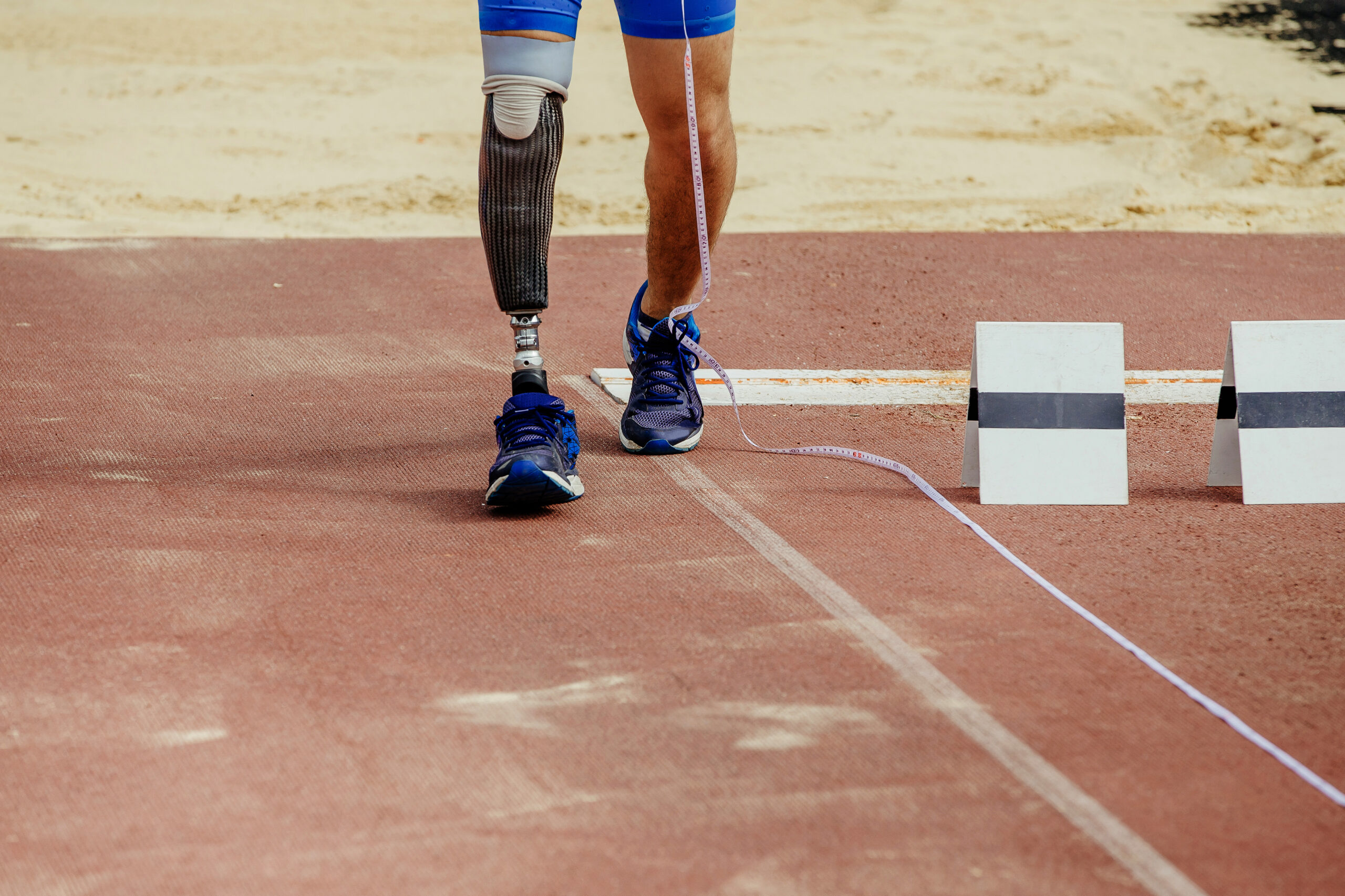
The Role of Cosmetic Covers for Prosthetics in Boosting Confidence

Key Highlights
- Cosmetic covers enhance the appearance of prosthetic limbs, helping users feel more confident.
- Covers can mimic natural skin tones, patterns, or unique personal designs.
- Improved aesthetics positively impact social interactions, self-esteem, and mental health.
- Advances in materials and customization allow for realistic, durable, and comfortable covers.
- Choosing the right cosmetic cover involves considerations of material, activity level, and personal style.
Prosthetic limbs restore mobility and function for individuals with limb loss, but the emotional and social impact of using a prosthetic is equally important. Many users find that cosmetic covers play a crucial role in boosting confidence, improving body image, and promoting mental well-being.
Cosmetic covers are designed to conceal or enhance the appearance of a prosthetic limb, making it look more natural or uniquely expressive. This guide explores the role of cosmetic covers in prosthetics, their benefits, available options, and tips for selecting the right cover for your needs.
Why Cosmetic Covers Matter
While functionality is the primary goal of prosthetics, aesthetics significantly influence how users feel about their limbs. Cosmetic covers can:
- Enhance Realism: By mimicking skin tone, texture, and shape, covers help prosthetic limbs look natural.
- Boost Self-Esteem: Users often feel more comfortable in social situations, reducing self-consciousness.
- Encourage Acceptance: A prosthetic that blends seamlessly can make it easier for users to embrace their limb loss.
- Provide Personal Expression: Covers allow for custom designs, patterns, or artwork to reflect personality.
Studies have shown that when prosthetic users are confident in the appearance of their limb, it often leads to improved social engagement, mental health, and overall quality of life.
Types of Cosmetic Covers
Cosmetic covers vary in materials, design, and purpose. Choosing the right type depends on activity level, desired realism, and personal preference.
1. Silicone Covers
- Features: Soft, flexible, and realistic in texture.
- Benefits: Closely mimics natural skin; can include veins, freckles, and nails.
- Use Cases: Everyday wear, formal occasions, and social settings.
2. Thermoplastic Covers
- Features: Lightweight and durable, with a smooth finish.
- Benefits: Affordable and easy to maintain; less prone to tearing.
- Use Cases: Active users, casual daily wear.
3. Custom Artwork Covers
- Features: Painted or printed with unique designs, patterns, or graphics.
- Benefits: Expresses individuality and personality; a conversation starter.
- Use Cases: All ages, special events, or creative expression.
4. Textured or Patterned Covers
- Features: Materials designed for tactile or visual effect.
- Benefits: Can resemble leather, metal, or other materials; adds style.
- Use Cases: Fashion-conscious users, cosplay, or themed events.
Material Innovations in Cosmetic Covers
Recent advances have expanded the range of cosmetic covers, making them more durable, comfortable, and realistic:
- Medical-Grade Silicone: Long-lasting, hypoallergenic, and highly flexible.
- UV-Resistant Paints and Coatings: Prevent fading of custom designs.
- Impact-Resistant Thermoplastics: Durable for active lifestyles and sports.
- Lightweight Composites: Reduce fatigue while maintaining realism.
These innovations allow users to choose covers that fit both functional and aesthetic needs.
Benefits of Cosmetic Covers
Cosmetic covers offer both emotional and practical benefits:
| Benefit | Description | Impact on Users |
|---|---|---|
| Realism | Mimics natural limb appearance | Boosts confidence in social settings |
| Personalization | Custom colors, designs, patterns | Expresses personality and individuality |
| Comfort | Soft, flexible materials | Reduces irritation and improves wearability |
| Protection | Shields protect from scratches and wear | Extends lifespan of the limb |
| Social Acceptance | Natural look reduces unwanted attention | Encourages social engagement and self-esteem |
The psychological impact of cosmetic covers is often as significant as the physical protection and durability they provide.
Selecting the Right Cosmetic Cover
Choosing a cosmetic cover involves multiple considerations:
- Activity Level: Active users may require durable or impact-resistant covers.
- Aesthetic Goals: Decide if realism or artistic expression is the priority.
- Comfort and Fit: Ensure the cover fits securely and does not interfere with movement.
- Maintenance: Some materials require specific cleaning or handling routines.
- Budget: Custom covers may cost more but offer enhanced realism and personalization.
Consulting with a prosthetist ensures that the cover complements both the prosthetic’s function and the user’s lifestyle.
Maintenance Tips
Proper care extends the life and appearance of cosmetic covers:
- Regular Cleaning: Use mild soap and water; avoid harsh chemicals.
- Check for Damage: Inspect for tears, cracks, or peeling.
- Store Properly: Keep in a cool, dry place when not in use.
- Professional Touch-Ups: Custom paint or silicone details may require periodic refinishing.
A well-maintained cover can last for years, maintaining both aesthetics and functionality.
Psychological and Social Impact
The role of cosmetic covers extends beyond appearance:
- Improved Social Confidence: Users often feel more comfortable interacting in public.
- Reduced Self-Consciousness: Less focus on the prosthetic allows attention on activities and relationships.
- Enhanced Emotional Well-Being: Feeling confident in appearance positively affects mental health.
- Empowerment Through Personalization: Choosing or designing a cover allows users to reclaim control over their limb’s image.
Confidence gained from cosmetic covers can translate into higher participation in sports, work, and social events.
Future Trends in Cosmetic Covers
Emerging technologies promise even greater personalization and functionality:
- 3D Printing: Allows for fully customized, precise covers with intricate designs.
- Smart Covers: Potential for integrated sensors, LED designs, or interactive elements.
- Advanced Pigments: Realistic color changes and improved UV resistance.
- Modular Covers: Swapable covers for different occasions, activities, or outfits.
The future of cosmetic covers combines aesthetics, functionality, and innovation to meet evolving user needs.
Final Thoughts
Cosmetic covers play a vital role in boosting confidence, improving self-esteem, and enhancing the overall experience of using a prosthetic limb. From realistic silicone designs to custom artwork and durable thermoplastics, these covers allow users to express themselves while maintaining comfort and functionality.
For those seeking high-quality cosmetic covers and personalized prosthetic solutions, Orthotics Ltd. offers expert guidance, innovative materials, and a wide range of options to help users regain confidence and embrace their mobility with style. Contact us today!
Frequently Asked Questions
1. Can cosmetic covers be used on any prosthetic?
Most prosthetics can accommodate cosmetic covers, but compatibility depends on the prosthetic type and socket design. Consult your prosthetist for proper fit.
2. How long do cosmetic covers last?
The lifespan varies based on material, usage, and care. Silicone covers typically last 2–5 years, while thermoplastics may last longer with proper maintenance.
3. Can cosmetic covers be customized?
Yes! Users can choose realistic skin tones, patterns, or even unique artistic designs to express their personality.
4. Do cosmetic covers affect prosthetic functionality?
When properly fitted, cosmetic covers do not interfere with the function of the prosthetic and can even provide added protection.
5. How do I maintain a cosmetic cover?
Regular cleaning with mild soap, careful handling, and storing in a dry, cool place help preserve appearance and durability.
Sources:
- https://pmc.ncbi.nlm.nih.gov/articles/PMC11168597/
- https://pmc.ncbi.nlm.nih.gov/articles/PMC9636812/
- https://www.sciencedirect.com/science/article/pii/S2589791825000167
- https://pmc.ncbi.nlm.nih.gov/articles/PMC12032455/
- https://pmc.ncbi.nlm.nih.gov/articles/PMC4230545/