Orthotics vs. Over-the-Counter Insoles: What’s the Difference?
Key Highlights
- Over-the-counter insoles provide affordable, short-term relief for mild discomfort.
- Custom orthotics are prescription-made for your foot structure and biomechanics.
- Evidence shows similar short-term pain relief, but custom devices help in chronic or complex cases.
- Best for plantar fasciitis, arthritis, diabetes, and recurring foot pain.
- Built with durable materials, custom orthotics last 2–5 years and may be insurance-covered.
When foot discomfort or injury strikes, many weigh the choice between custom orthotics vs insoles. The appeal of off-the-shelf inserts is clear—they’re inexpensive and widely available. Yet for foot pain tied to biomechanics or chronic conditions, orthotics vs. over-the-counter insoles becomes more than just a cost comparison—it’s about whether personalized support matters. So, are custom orthotics worth it? And what are the real custom orthotics benefits compared to simple insoles?
This in-depth article explores the scientific evidence, clinical context, and practical considerations to help you decide.
Orthotics vs. Over-the-Counter Insoles
What Are Over-the-Counter (OTC) Insoles?
- Mass-produced and sold retail or online
- Designed in standard sizes, without customization
- Provide generic cushioning and mild arch support
- Suitable for temporary relief or mild discomfort—not tailored to individual foot structure or diagnosis
What Are Custom Orthotics?
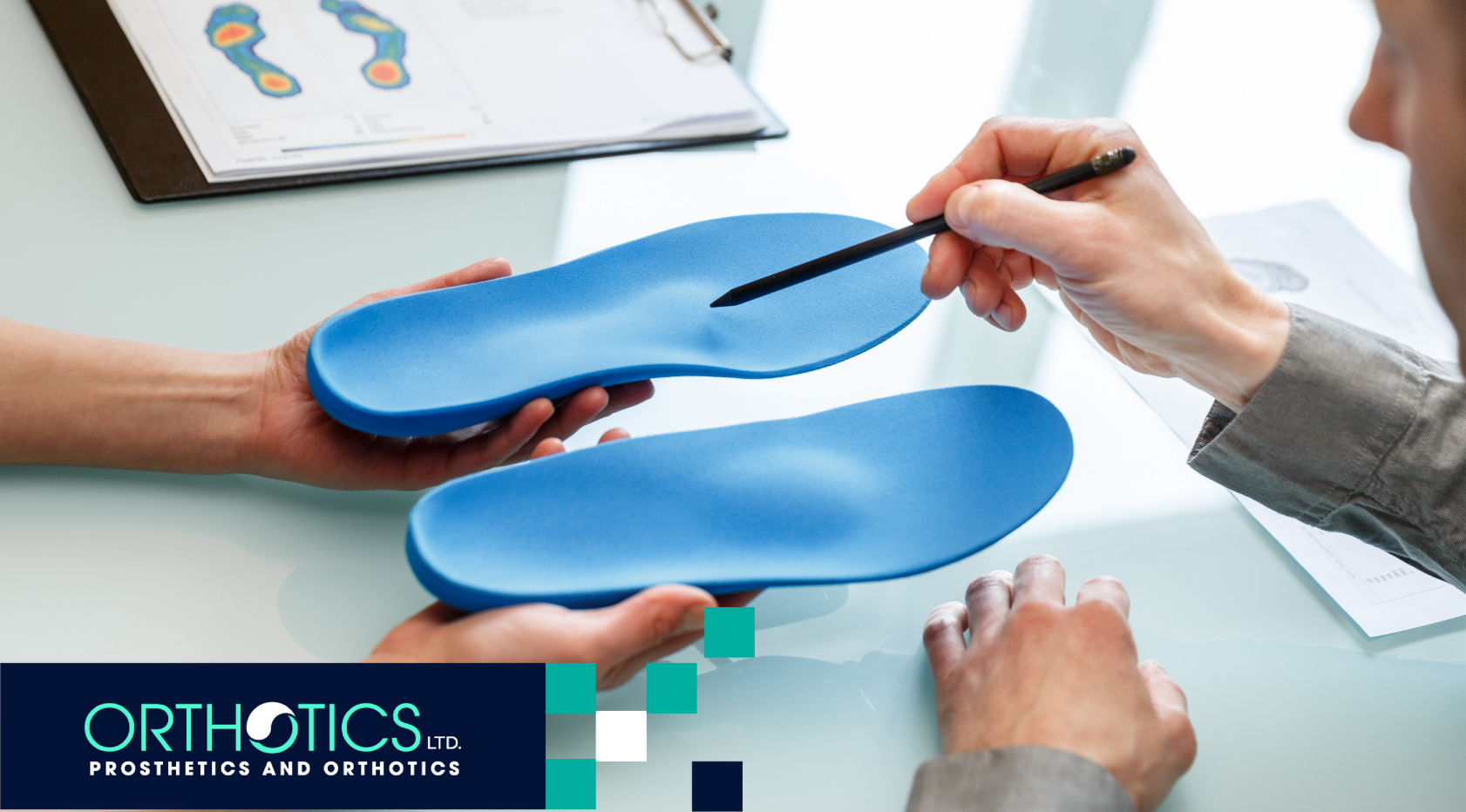
- Prescription devices are designed based on a foot exam, gait analysis, and a scan or mold
- Two main types:
- Functional: semi-rigid (plastic, carbon fiber) to control motion
- Accommodative: soft and cushioned, ideal for comfort and pressure relief, especially in conditions like diabetic foot ulcers
-
Accurately match foot contours and biomechanics, built to last years with proper care
Evidence Review: Custom Orthotics vs Over-the-Counter Insoles
Pain Relief & Function in Plantar Fasciitis and Foot Pain
- Several reviews and trials suggest no statistically significant difference in short-term pain relief or function between custom orthotics and prefabricated insoles for plantar fasciitis
- The Canadian HTA report notes limited or inconsistent evidence for superior effects of custom over OTC insoles in general adult populations
- A familial medicine review echoed this: custom orthotics may improve function slightly over placebo, but not significantly better than prefabricated ones for pain reduction in the short term
Specific Conditions & Long-Term Benefits
- For some foot types (e.g. cavus feet, rheumatoid arthritis, juvenile arthritis), custom orthotics showed benefit in reducing pain and improving function versus placebo
- In diabetic foot ulcer prevention, evidence-based guidelines strongly recommend custom orthotics for patients with deformities, pre-ulcerative lesions, or healed ulcers—indicating their higher value in high-risk cases
Custom Orthotics vs OTC Insoles: Key Differences
| Feature / Metric | Over-the-Counter Insoles | Custom Orthotics |
|---|---|---|
| Fit & Personalization | Generic size/shape | Tailored to individual foot anatomy & gait |
| Biomechanical Correction | Limited | Precise control of movement and alignment |
| Material & Durability | Foam, gel, low-grade materials | Medical-grade plastics, EVA, carbon fiber |
| Target Conditions | Mild discomfort, temporary usage | Clinical conditions: PF, arthritis, diabetes |
| Evidence for General Pain Relief | Often similar short-term outcomes | Little consistent added benefit for general pain |
| Effectiveness in Complex Cases | Limited | Supported for cases like cavus feet or DFU prevention |
| Cost | $20–$50 | Hundreds, sometimes insurance-covered |
| Longevity | Months | 2–5 years with care |
When Are Custom Orthotics Worth It?
Ideal Situations
- Recurrent or chronic pain tied to foot structure—e.g. overpronation, cavus feet, toe deformities
- Persistent plantar fasciitis unresponsive to stretching or OTC inserts
- Performance, gait, or alignment issues affecting knees, hips, or back
- Clinically diagnosed conditions: rheumatoid arthritis, juvenile arthritis, diabetic foot deformities, or risk of ulcers
When OTC Insoles May Suffice
- Mild or occasional foot discomfort
- Short-term relief when testing arch support or cushioning
- Low-risk individuals with no structural foot problems
Understanding Custom Orthotics Benefits
- Personalized biomechanics: Corrects root causes of pain instead of masking symptoms
- Durability & cost-effectiveness over time: built to last with high-end materials—less frequent replacement than OTC insoles
- User satisfaction: Many report improved comfort, better function, and long-term relief—though scientific effect sizes may be modest
Final Thoughts
For many, the benefits of custom orthotics go well beyond the cushioning effect of orthotics vs. over-the-counter insoles. While OTC inserts can provide temporary relief in mild cases, they lack the precision, biomechanical correction, and longevity of prescription-made orthotics. Studies show that for general foot pain, differences may be modest—but in cases involving chronic conditions, biomechanical dysfunction, or ulcer risk, custom devices are strongly recommended.
So, are custom orthotics worth it? If you’re looking for long-term relief, biomechanically optimized support, or addressing structural foot issues, they often are—especially if over-the-counter insoles haven’t worked.
At Orthotics Ltd., we offer comprehensive assessments and prescribe custom orthotics designed to fit your unique biomechanics and needs. Our goal is to ensure you get the right support for comfort, function, and long-term foot health. Contact us today!
Frequently Asked Questions
1. Are custom orthotics worth it compared to inexpensive insoles?
For mild, short-term relief, OTC inserts might be enough. But for biomechanical foot issues, chronic pain, or structural conditions, the personalized correction and longevity of custom orthotics often justify their cost. Particularly when symptoms don’t improve with generic supports, custom devices can be more effective in the long run.
2. Do studies show that custom orthotics reduce foot pain better than OTC insoles?
Evidence is mixed for the general population. Many trials report no significant short-term difference in pain relief or function between custom and prefabricated insoles in plantar fasciitis patients. In select subgroups (e.g. cavus feet, arthritis), custom orthotics do outperform placebo or sham devices.
3. What are the main benefits of custom orthotics?
They include tailored support for structural control, improved gait mechanics, long-lasting durability, and targeted correction for specific foot pathology or alignment issues.
4. How long do custom orthotics last, and are they cost-effective
Custom orthotics typically last 2–5 years with proper care. Although initially more expensive, they may reduce long-term costs by avoiding frequent replacements and addressing the root causes of foot pain. Insurance often covers part or all of the cost when prescribed.
5. How do I know if I need custom orthotics or if OTC insoles are enough?
If you experience chronic or recurring pain, if symptoms persist despite OTC inserts, or if you have diagnosed structural foot issues (e.g. flat feet, high arches, bunions, diabetes), a podiatric evaluation is advised—custom orthotics may provide better outcomes.
Sources:
- https://www.ncbi.nlm.nih.gov/books/NBK549527/
- https://www.ncbi.nlm.nih.gov/books/NBK595390/
- https://www.health.harvard.edu/pain/custom-orthotics-appear-no-better-than-store-bought-versions-for-heel-pain
- https://www.cda-amc.ca/customized-or-prefabricated-shoe-inserts-chronic-non-cancer-pain-review-clinical-effectiveness
- https://www.mayoclinic.org/diseases-conditions/plantar-fasciitis/symptoms-causes/syc-20354846