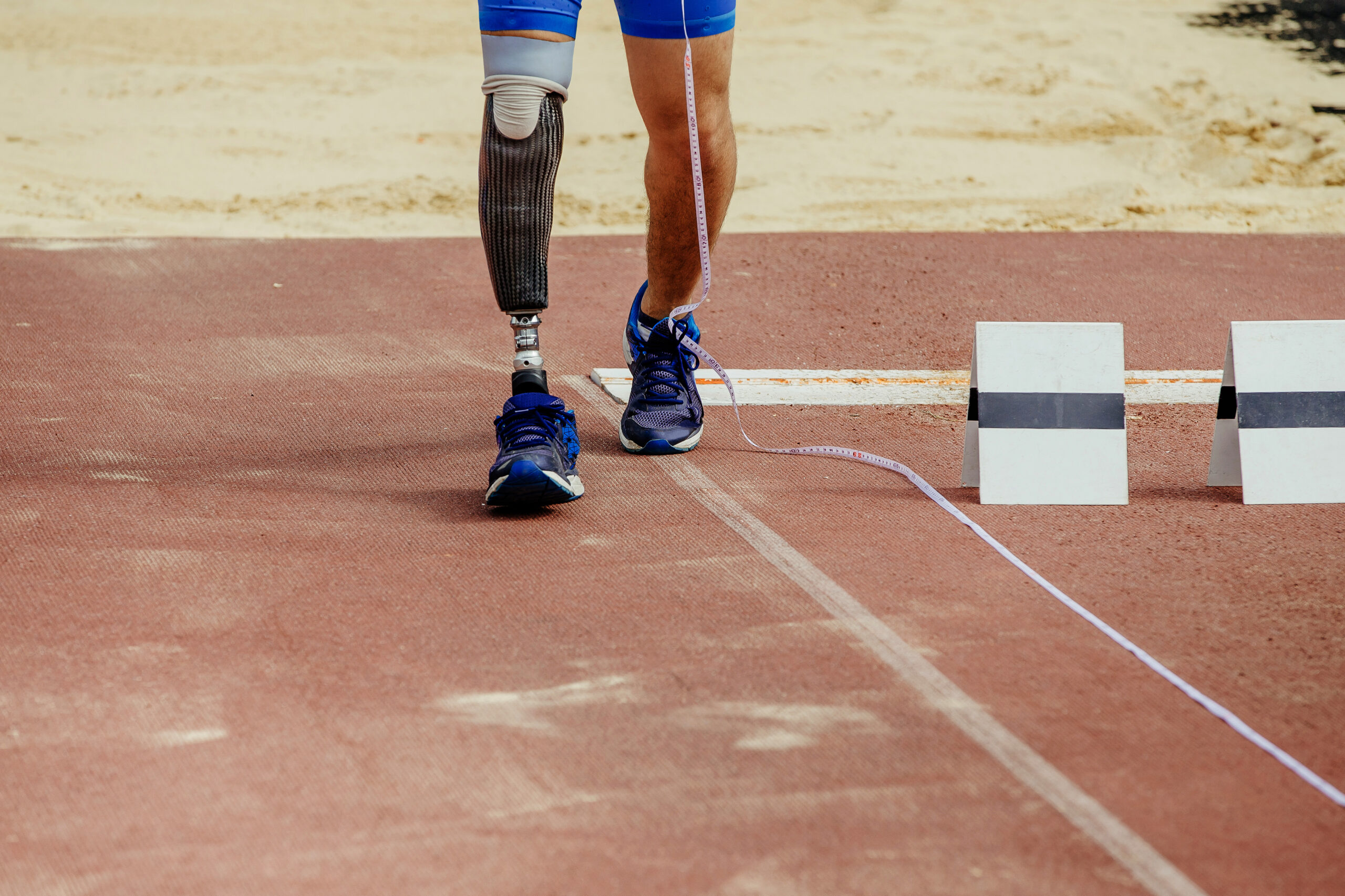
How to Choose Custom Prosthetics in New York City
Key Highlights
- Choosing a clinic for custom prosthetics in New York City means balancing technical expertise, location, patient support, and reputation.
- Essential evaluation criteria include certifications, in-house fabrication, multidisciplinary support, and aftercare services.
- Compare clinics by asking questions about their experience, technologies, warranties, rehabilitation services, and insurance coverage.
- Use a scoring table or checklist to rank candidate clinics.
- Visit prospective clinics, speak with staff and patients, and consider logistics before making a decision.
If you or a loved one is considering a custom prosthetic in the New York City area, selecting the right prosthetic clinic is one of the most critical decisions you’ll make. The quality of the clinic influences not only how well your prosthetic device fits and functions, but also your comfort, mobility, long-term outcomes, and satisfaction. Because custom prosthetics in New York City is a specialized field, many clinics claim to be experts—but not all are created equal.
In this article, we’ll walk you through the key factors to evaluate, the questions you should ask, how to compare clinics in the NYC region (including surrounding areas), and practical steps you can take to choose wisely. By the end, you’ll be armed with a clear checklist to help you find a prosthetic provider that delivers the technical skill and patient care you deserve.
Why the Decision Matters
A prosthetic limb is not just a one-time purchase; it’s a partnership. The clinic will play a role in fitting, alignment, adjustments, repairs, upgrades, and rehabilitative support. A poor choice can lead to discomfort, skin issues, device failure, or abandonment of prosthetic use altogether.
Choosing a clinic that specializes in custom prosthetics in New York City provides access to high-end technologies, experienced staff, and proximity—especially if frequent visits are required. That said, you may also need to consider clinics located just outside of NYC, depending on your location.
Key Criteria to Evaluate in a Prosthetic Clinic
Here are the essential factors you should consider when evaluating a prosthetic clinic:
1. Certifications & Credentials
- Are the prosthetists and technicians board-certified (e.g., ABC, BOC)?
- Do they maintain up-to-date licensure in New York State?
- Does the facility accredit recognized professional bodies?
2. Experience & Specialization
- How many years has the clinic been operating, particularly in prosthetic services?
- Does the clinic have experience with your type of amputation (above knee, below knee, upper limb, pediatric, etc.)?
- Has the clinic implemented advanced prosthetic technologies (e.g., microprocessor knees, osseointegration, myoelectric arms)?
3. In-House Fabrication vs Outsourcing
- Does the clinic have a full laboratory on-site (for scanning, molding, machining, finishing)?
- If they outsource parts, how do they ensure quality, effective communication, and timely turnaround times?
4. Multidisciplinary Support & Rehabilitation
- Does the clinic work with physical therapists, occupational therapists, rehab physicians, and wound care specialists?
- Is gait training or therapy offered under the same roof or via close collaboration?
5. Follow-Up Services, Repairs & Maintenance
- What is the clinic’s policy for adjustments after fitting?
- Can they handle repairs, component replacement, and servicing quickly?
- Are warranties or service contracts included?
6. Technology, Tools & Facilities
- Do they utilize 3D scanning, CAD/CAM, 3D printing, gait analysis labs, pressure mapping, and socket simulation software?
- Do they have dedicated prosthetic fitting rooms, adaptation spaces (e.g., ramps, obstacles), and space for gait training?
7. Patient Outcomes & Testimonials
- Can they provide references, before/after cases, or connect you with past patients?
- Are there patient reviews, ratings, or testimonials that speak to satisfaction, comfort, and long-term performance?
8. Insurance, Billing & Financing Support
- Does the clinic assist with insurance claims, preauthorization, and appeals?
- Are there in-house billing staff who understand local NYC insurance systems (Medicaid, Medicare, private plans)?
9. Location, Accessibility & Logistics
- How many locations does the provider have, and are they conveniently located relative to your home?
- Do they have offices near NYC, in Brooklyn, or in nearby suburbs?
- Is parking, public transit, or accessibility considered?
10. Patient-Centered Care, Communication & Responsiveness
- How well does the staff listen to your goals, preferences, and lifestyle needs?
- Are they transparent about risks, timelines, and expected adjustments?
- Is the staff responsive to follow-up calls, addressing problems or issues that may arise after the fitting?
How to Use a Scoring or Checklist Approach
One effective method is to build your own weighted scoring table or checklist to compare candidate clinics. Here’s a sample:
| Criterion | Weight (1–5) | Clinic A Score | Clinic B Score | Clinic C Score |
|---|---|---|---|---|
| Credentials & Certifications | 5 | |||
| Experience & Specialization | 5 | |||
| In-house Fabrication | 4 | |||
| Rehab & Multidisciplinary Support | 4 | |||
| Repair & Aftercare Capabilities | 4 | |||
| Technology & Tools | 3 | |||
| Patient Testimonials / Outcomes | 3 | |||
| Insurance / Billing Support | 3 | |||
| Accessibility / Location | 2 | |||
| Patient Communication & Fit | 3 |
Multiply each clinic’s score by the weight and sum for a total score. Use that as one tool among others (visits, gut feeling, meetings) to help you make a decision.
Practical Steps: From Research to Decision
Here’s a chronological action plan to help you pick the right clinic:
- Compile a List of Clinics: Use Google searches, referrals (surgeons, therapists, fellow amputees), and directories (e.g., Healthgrades, professional associations).
- Narrow by Proximity & Access: Eliminate clinics that are too far or impractical to travel to regularly, especially during early rehab when visits are frequent.
- Preliminary Phone/Email Contact: Ask basic questions: Do you offer custom prosthetics? How long is your waiting list? Do you accept my insurance?
- Request Documentation or Portfolio: Ask for photos, case studies, patient references, sample materials, or videos of gait outcomes.
- Visit the Clinic in Person: Take a tour of the lab, workshop, and fitting rooms. Meet the staff. Assess cleanliness, equipment, and staff friendliness.
- Meet the Prosthetist/Technician: Ask about their background, specialties, philosophies, and how they involve patients in decision-making.
- Ask Scenario-Based Questions
- “If my limb volume changes over weeks, how will you adjust?”
- “If I get a fracture or component failure, what is your repair turnaround?”
- “If I want to try a sport-capable prosthetic, can your clinic support that?”
- Compare Proposals: Request a written estimate or proposal for your prosthetic device: components, expected adjustments, warranties. Compare across clinics using your scoring table.
- Trial or Temporary Prosthetics (if available): If a clinic offers a temporary or test socket, use it to evaluate their fitting process and comfort.
- Make Your Decision & Start Rehabilitation: Once you’ve decided, ensure you have a clear schedule for follow-up, therapy, maintenance, and emergency contacts.
Special Considerations for the New York Region
- Clinic Locations of Note: Orthotics Ltd. operates in multiple New York area locations (Harriman, Brooklyn, Hempstead, Port Jefferson Station), which may give you options depending on your residence or travel constraints.
- NYC’s volume of large hospital systems means you may find clinics tied to surgery centers or rehab hospitals; coordination can be smoothe,r but load may be heavier and wait times longer.
- Insurance & Medicaid/Medicare nuances in NY State: Ensure your provider is well-versed in NYC-area insurance issues and state-level occupational therapy (O&P) rules.
- Commuting & public transit: If you rely on public transit, clinics in Brooklyn may be more accessible than those deep in Manhattan.
- Seasonal, weather, or traffic delays: If your clinic is far from home, factor in unexpected delays for appointments or repairs.
Red Flags & Warning Signs to Watch For
- The clinic cannot provide references or patient testimonials.
- They insist on outsourcing fabrication without giving transparency on vendors.
- Lack of a clear policy for post-delivery adjustments or repairs.
- Staff avoid discussing limitations, risks, or worst-case scenarios.
- Poor communication, unresponsiveness, or unclear cost/insurance breakdowns.
- Overpromising unrealistic performance, comfort, or zero adjustment needs.
- No facility tour or reluctance to show their workshop or prosthetic lab.
Final Thoughts
Choosing a prosthetic clinic in the NYC area that specializes in custom prosthetics in New York City means going beyond name recognition. It requires scrutinizing credentials, capabilities, support services, technology infrastructure, patient outcomes, and logistical practicality. Use tools like checklists and on-site visits to compare clinics side by side.
While many excellent clinics serve the New York region, your best match is one that aligns with your health needs, mobility goals, travel constraints, and support expectations. Take your time in making the decision—your prosthetic clinic will be a partner in your mobility and quality of life journey for years.
If you need personalized help with your prosthetics, Orthotics Ltd. is here to assist you. We have clinics in Harriman, Brooklyn, Hempstead, and Port Jefferson Station, New York, which means you can access local support while benefiting from expert prosthetic care. Contact us today!
Frequently Asked Questions
1. How long does the prosthetic fitting process take?
Typically, 4–8 weeks from evaluation to final fitting, depending on your healing and adjustment period.
2. Can I switch clinics if I’m unhappy with my prosthesis?
Yes. You have full rights to seek a second opinion or transfer your care to another clinic that better suits your needs.
3. Are prosthetic fittings covered by insurance in New York?
Most major insurance providers cover partial or full costs. However, it’s best to confirm with both your clinic and insurer for specific coverage details.
4. How often should I visit the clinic after getting my prosthesis?
Follow-ups are usually scheduled every 3–6 months, or sooner if you experience discomfort, skin irritation, or mobility issues.
5. What locations does Orthotics Ltd. serve in New York?
Orthotics Ltd. proudly serves patients through its conveniently located clinics in Harriman, Brooklyn, Hempstead, and Port Jefferson Station, making quality prosthetic care accessible across New York.
Sources:
- https://www.abcop.org/
- https://www.physio-pedia.com/Amputations
- https://pmc.ncbi.nlm.nih.gov/articles/PMC7340716/
- https://pmc.ncbi.nlm.nih.gov/articles/PMC10824968/