What Is the Difference Between Prosthetics and Orthotics?
Key Highlights
- Prosthetics replace missing body parts; orthotics support existing ones.
- Prosthetics restore function after limb loss; orthotics aid movement and reduce pain.
- Prosthetics are custom-made to mimic natural limbs; orthotics are tailored to support specific body parts.
- Prosthetics often use advanced materials like carbon fiber; orthotics utilize plastics, metals, and fabrics.
- Prosthetists specialize in prosthetics; orthotists focus on orthotics.
In the realm of healthcare, particularly in rehabilitation and mobility support, the terms prosthetics and orthotics are frequently used. While they both aim to enhance the quality of life for individuals with physical impairments, they serve distinct purposes and are designed differently. Understanding the difference between prosthetics and orthotics is crucial for patients, caregivers, and healthcare professionals alike.
Prosthetics and Orthotics: Key Differences
What Is Prosthetics?
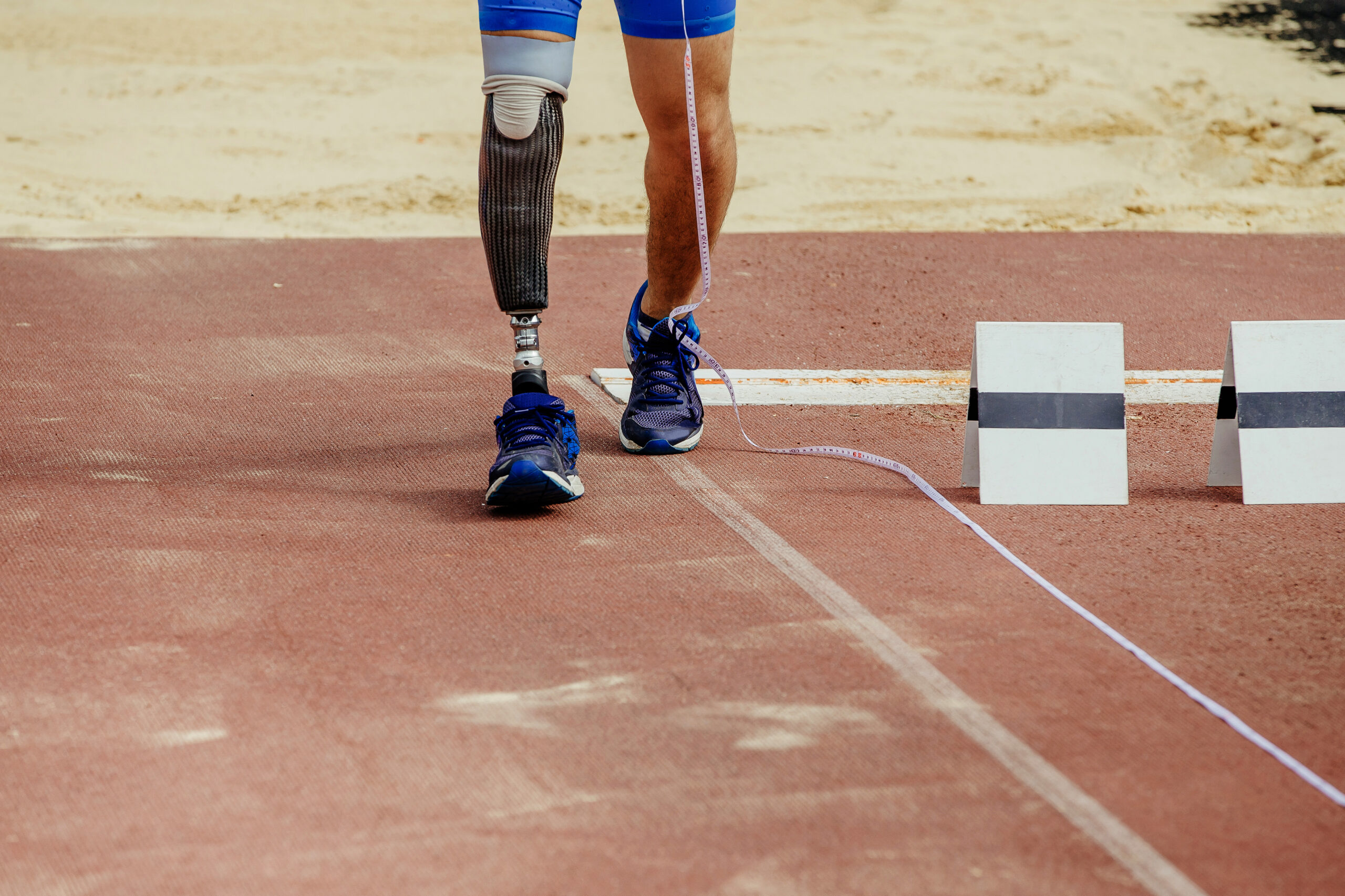
Definition: Prosthetics involves the design, fabrication, and fitting of artificial devices—known as prostheses—that replace missing body parts. These devices are custom-made to replicate the form and function of the lost limb or body part.
Common Prosthetic Devices:
- Upper Limb Prostheses: Designed for individuals who have lost arms, hands, or fingers.
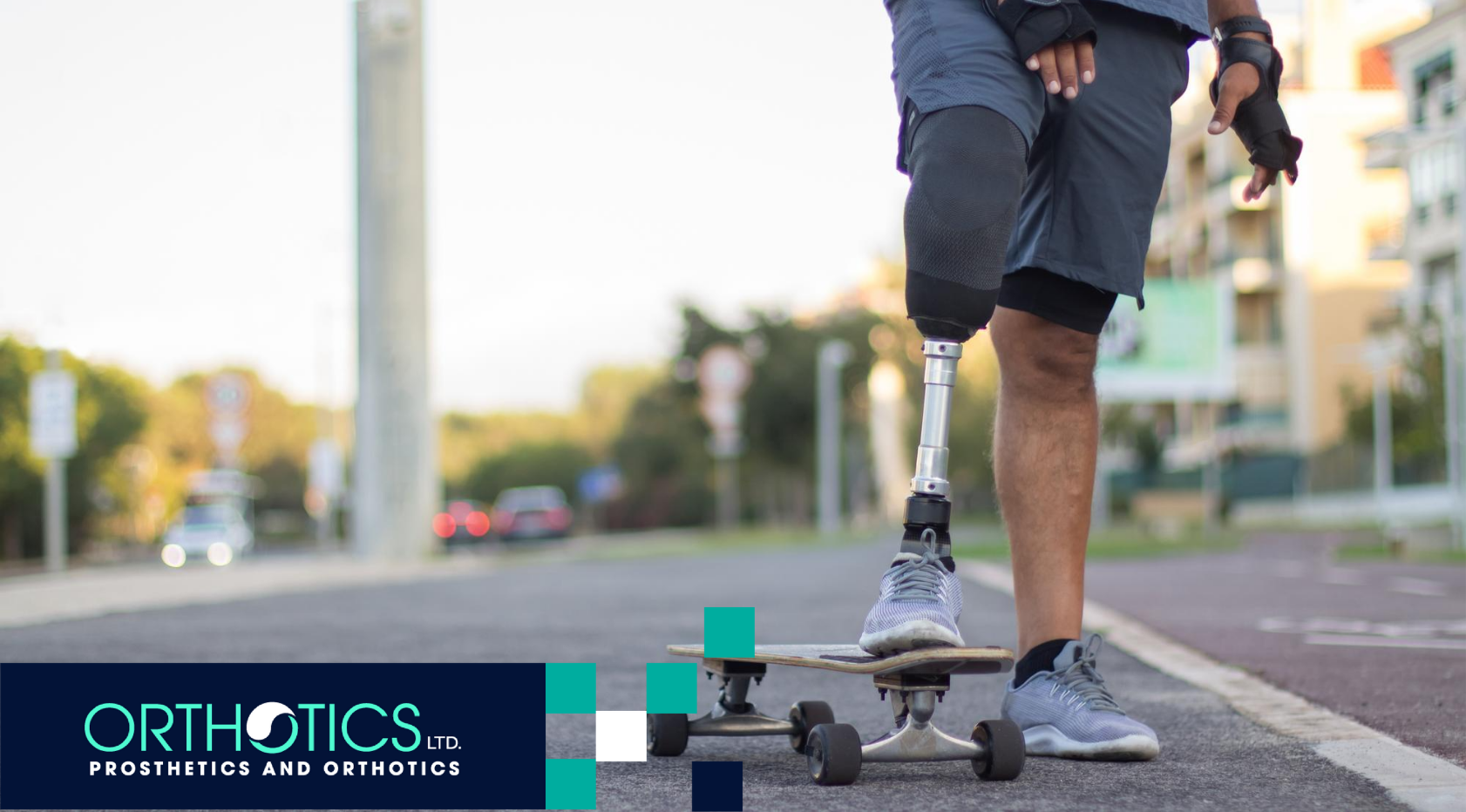
- Lower Limb Prostheses: Cater to those who have lost legs, feet, or toes.
- Osseointegration Prostheses: Involve surgically attaching the prosthetic directly to the bone.
- Bionic Limbs: Incorporate advanced technology to mimic natural movements.
Purpose: The primary goal of prosthetics is to restore function and appearance, enabling individuals to perform daily activities and improve their quality of life.
Materials Used: Prosthetic devices are often made from lightweight, durable materials such as carbon fiber, titanium, and advanced polymers to ensure strength and comfort.
What Is Orthotics?
Definition: Orthotics pertains to the design, fabrication, and fitting of supportive devices—known as orthoses—that assist, align, prevent, or correct musculoskeletal deformities or abnormalities. These devices support existing body parts rather than replacing them.
Common Orthotic Devices:
- Foot Orthoses: Arch supports or insoles to alleviate pain or correct alignment.
- Ankle-Foot Orthoses (AFOs): Provide support to the ankle and foot, often used in cases of drop foot or muscle weakness.
- Knee-Ankle-Foot Orthoses (KAFOs): Support the knee, ankle, and foot, typically used in conditions affecting lower limb stability.
- Spinal Orthoses: Braces designed to support the spine, such as those used for scoliosis or post-surgical stabilization.
Purpose: Orthotics aim to improve function, reduce pain, and prevent further injury by supporting or correcting the alignment of existing body parts.
Materials Used: Orthotic devices are commonly made from materials like plastics, metals, and fabrics, depending on the required support and comfort.
Comparative Overview
| Feature | Prosthetics | Orthotics |
|---|---|---|
| Function | Replaces missing body parts | Supports or corrects existing body parts |
| Purpose | Restores lost function and appearance | Enhances function and reduces pain |
| Design | Custom-made to replicate natural limbs | Tailored to support specific body parts |
| Materials | Carbon fiber, titanium, advanced polymers | Plastics, metals, fabrics |
| Healthcare Provider | Prosthetist | Orthotist |
When Are Prosthetics and Orthotics Used?
- Prosthetics: Individuals who have undergone amputations due to trauma, disease, or congenital conditions may benefit from prosthetic devices. These devices help restore lost functions, such as walking or grasping, and improve the individual’s ability to perform daily tasks.
- Orthotics: Patients with conditions like arthritis, cerebral palsy, scoliosis, or those recovering from surgery may use orthotic devices. Orthotics provide support, alleviate pain, and prevent further deformities by stabilizing or aligning affected body parts.
The Role of Healthcare Professionals
The creation and fitting of prosthetic and orthotic devices require specialized knowledge and skills.
- Prosthetists: Healthcare professionals who specialize in designing, fabricating, and fitting prosthetic devices. They assess the patient’s needs, collaborate with other healthcare providers, and ensure the prosthesis meets functional and aesthetic requirements.
- Orthotists: Specialists who focus on orthotic devices. They evaluate the patient’s condition, design appropriate orthoses, and monitor their effectiveness in improving function and comfort.
In some cases, professionals may be trained in both fields, allowing them to provide comprehensive care for patients requiring both prosthetic and orthotic solutions.
Advancements in Prosthetics and Orthotics
Recent technological advancements have significantly improved the functionality and comfort of prosthetic and orthotic devices.
- Bionic Limbs: Incorporate sensors and motors to mimic natural limb movements, providing users with more control and dexterity.
- 3D Printing: Allows for rapid prototyping and customization of devices, reducing production time and costs.
- Smart Materials: Materials that adapt to environmental conditions or user movements, enhancing comfort and performance.
- Telemedicine: Enables remote consultations and monitoring, improving access to care for patients in remote areas.
Choosing the Right Solution
Selecting between prosthetics and orthotics depends on the individual’s specific needs and medical conditions. A thorough evaluation by a qualified healthcare professional is essential to determine the most appropriate device. Factors such as the extent of limb loss, the presence of existing musculoskeletal issues, lifestyle requirements, and personal preferences play a crucial role in this decision-making process.
Final Thoughts
Understanding the difference between prosthetics and orthotics is vital for individuals seeking solutions to mobility challenges. While prosthetics replace missing body parts, orthotics support and enhance the function of existing ones. Both fields have seen significant advancements, leading to improved outcomes and quality of life for patients.
If you or a loved one requires assistance in choosing the right prosthetic or orthotic device, consulting with a specialized provider like Orthotics Ltd. is the first step toward regaining mobility and independence. Contact us today!
Frequently Asked Questions
1. What is the primary difference between prosthetics and orthotics?
Prosthetics replace missing body parts, while orthotics support or enhance the function of existing body parts.
2. Can a person use both prosthetics and orthotics?
Yes, individuals with certain conditions may benefit from using both prosthetic and orthotic devices to address different needs.
3. How are prosthetic devices customized?
Prosthetic devices are tailored to the individual’s body measurements, functional requirements, and aesthetic preferences.
4. Are orthotic devices covered by insurance?
Coverage for orthotic devices varies by insurance plan. It’s advisable to check with your provider to understand the extent of coverage.
5. How can I find a qualified prosthetist or orthotist?
Consulting with your primary healthcare provider or searching through professional associations can help you find qualified specialists in your area.
Sources:
- https://medschool.cuanschutz.edu/orthopedics/clinical-services/cu-limb-restoration-program/osseointegration/what-is-osseointegration
- https://www.hopkinsmedicine.org/health/wellness-and-prevention/what-to-know-before-getting-prosthetic-leg
- https://www.health.harvard.edu/blog/do-i-need-orthotics-what-kind-2018102915182
- https://pmc.ncbi.nlm.nih.gov/articles/PMC7340716/
- https://www.who.int/publications/i/item/9789241512480