• Home
  • About Us
    • Insurance
  • Clinics
    • Harriman
    • Port Jefferson Station
    • Brooklyn
    • Hempstead
  • Prosthetics
    • Prosthetic Options
    • Upper Limb
      • Arms
      • Hands
      • Fingers
      • Shoulder
      • Elbow
      • Wrist Joint
    • Lower Limb
      • Hip
      • Leg
      • Knee
      • Foot
      • Ankle
      • Toe
    • Athletic & Sports Prosthetics
    • Cosmetic Covers
    • Socket Systems
  • Orthotics
  • Resources
    • Blog
  • Contact
  • Home
  • About Us
    • Insurance
  • Clinics
    • Harriman
    • Port Jefferson Station
    • Brooklyn
    • Hempstead
  • Prosthetics
    • Prosthetic Options
    • Upper Limb
      • Arms
      • Hands
      • Fingers
      • Shoulder
      • Elbow
      • Wrist Joint
    • Lower Limb
      • Hip
      • Leg
      • Knee
      • Foot
      • Ankle
      • Toe
    • Athletic & Sports Prosthetics
    • Cosmetic Covers
    • Socket Systems
  • Orthotics
  • Resources
    • Blog
  • Contact
(914) 337-8600

Emergency Prosthetic Care: What to Do When Accidents Happen
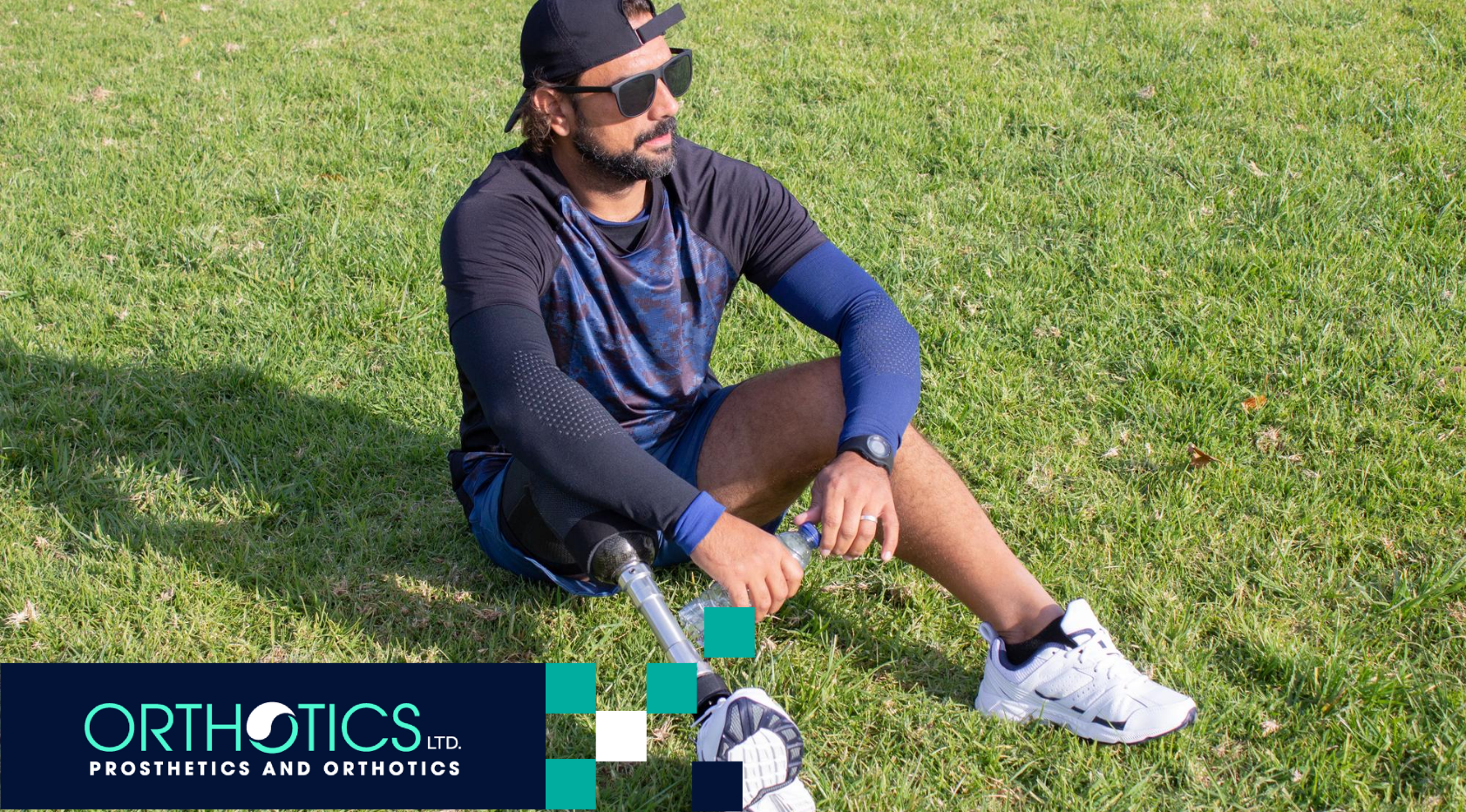
Emergency Prosthetic Care: What to Do When Accidents Happen
September 30, 2025 By Orthotics 0 comments
Learn essential prosthetic care and emergency prosthetic care tips so you know how to act fast, protect your device, and stay safe when accidents occur.

Key Highlights

  • Prosthetic emergencies include cracks, loose parts, swelling, or circulation issues.
  • Stop use immediately, stabilize, and switch to backup mobility aids if needed.
  • Temporary fixes can help, but always require professional repair follow-up.
  • Regular inspections, cleaning, and part replacements reduce emergency risks.
  • Carrying a repair kit and avoiding extreme conditions improves safety.
  • Professional support and preventive maintenance keep your device reliable long-term.


Prosthetic devices are marvels of modern rehabilitation, giving individuals mobility, function, and independence. But like any mechanical system, they are not immune to wear, damage, or malfunction. In the event of an accident—such as a crack in the socket, a broken joint, or a stuck liner—knowing how to respond with emergency prosthetic care can prevent further injury, preserve your device, and keep you moving safely.

This article covers everything you need to know about prosthetic care in emergencies, from immediate steps and tools to long-term prevention strategies. We’ll also explain when to escalate to professional repair or replacement. Let’s dive in.

Understanding What Constitutes an Emergency

Not every issue with your prosthesis is a crisis—but some are. Recognizing the difference between minor problems and urgent failures is your first line of defense.

Common Emergency Scenarios

  • Sudden crack or fracture in the socket, pylon, or foot
  • Loose or missing bolts, screws, pins, or connectors
  • Joint failures (e.g., knee, ankle) or hinge collapse
  • Rapid swelling of the residual limb causes the inability to remove the prosthesis
  • Sudden pain, numbness, discoloration, or compromised circulation
  • Sudden locking or jamming of mechanisms


If any of these occur, you need emergency prosthetic care—immediate action is required to prevent secondary injury or device damage.

Why Acting Quickly Matters

  • Continuing to walk on a damaged prosthesis risks falls, skin injury, or joint strain
  • Delayed repairs may aggravate underlying damage, making the fix more expensive
  • Inability to doff (remove) a prosthesis in swelling or circulatory distress may lead to soft tissue injury
  • Timely intervention often means preserving the device rather than full replacement

What to Do Immediately After an Accident

When an accident or malfunction occurs, follow these steps in order:

1. Stop Use & Stabilize

  • As soon as you notice something wrong, sit or lie down—do not continue walking.
  • Remove or switch to your backup or crutch/wheelchair if available.
  • If you experience pain, swelling, or numbness, treat your limb gently—don’t force motion.

2. Inspect the Damage

  • Visually examine the prosthesis for cracks, loose screws, bent parts, or broken sockets.
  • Check all critical junctions: socket, pylon, joints, connectors, and suspension parts.
  • Also, examine your residual limb: bruises, abrasions, swelling, or discoloration.

3. Temporary Fixes (If Safe & Feasible)

If the issue seems minor (loose bolt, misaligned screw), you may attempt a safe temporary repair:

Type of Fault Temporary Action Caution / Notes
Loose screw or bolt Tighten using your tool kit Don’t overtighten; use the correct size tool
Minor crack in cosmetic shell Use epoxy or repair tape Doesn’t substitute for structural repair
Misalignment of the foot/ankle Slight adjustment if the mechanism allows Avoid stressing other components
Swelling is making removal difficult Elevate the limb, apply gentle cold (not ice on the socket) Use care to avoid tissue damage
Stuck liner or socket Try applying prosthetic-safe lubricant or water soap Avoid oils or substances that degrade materials

These fixes are temporary—your prosthesis should still be evaluated by a professional as soon as possible.

4. Use Backup or Alternative Mobility Aids

If your device is unsafe or unusable, switch to a backup prosthetic (if you have one), crutches, a cane, or a wheelchair. Continuing to attempt to rely on a faulty device may worsen the injury or strain other joints.

5. Document & Contact Your Prosthetist

  • Take clear photos of the damage, from multiple angles, and notes about what happened.
  • Contact your prosthetist or clinic as soon as possible, describing the event and sending images if you can.
  • Many prosthetic clinics have expedited or emergency repair services.

Preventive Habits to Minimize Emergencies

Well-maintained devices and good routines reduce the likelihood of needing emergency prosthetic care.

1. Daily & Weekly Inspection

  • Check all screws, bolts, and alignment points regularly.
  • Inspect the prosthesis for wear, cracks, or loose parts.
  • Examine your residual limb daily for redness, irritation, or pressure spots.

2. Clean & Care for Components

  • Clean sockets, liners, and the exterior with mild soap and dry thoroughly.
  • Avoid harsh chemicals, abrasive materials, or submerging components in water unless the manufacturer allows.
  • Keep moving parts lubricated only as directed by the prosthetist.

3. Replace Worn Components

  • Liners, socks, sleeves, and other consumables degrade over time—replace them periodically rather than pushing to failure.
  • Schedule regular checkups for alignment and socket fitting.

4. Carry a Prosthetic Emergency Kit

You should always have a small kit containing:

  • Allen wrenches, screwdrivers suitable for your device
  • Spare bolts, screws, and connectors
  • Quick-setting epoxy or repair tape
  • Lubricant approved for prosthetic use
  • Spare liner or sock
  • Contact information for your clinic/prosthetist
  • Instructions/photos of correct assembly

When an accident happens, having your kit on hand can mean the difference between minor disruption and full device failure.

5. Avoid Risky Conditions

  • Avoid exposing your prosthetic to extreme heat, direct sun, or moisture that can warp or degrade materials.
  • Don’t use the prosthesis for tasks beyond its design limit (e.g., using it as a tool).
  • Be cautious in unfamiliar terrain to avoid falls or unexpected loads on joints.

When to Seek Professional or Urgent Repair

Even if you’ve done a temporary fix, there are signs that you should immediately take the device to a clinic or urgent care setting for full repair.

Red Flags Requiring Professional Attention

  • Cracks or fractures in structural components (socket, pylon, joint)
  • Persistent pain, swelling, or skin breakdown in the residual limb
  • Circulation issues: numbness, paleness, cool skin
  • Loose or missing critical fasteners
  • Noisy or grinding joints
  • Inability to properly attach or align parts
  • Temporary fix fails or starts loosening

What to Expect at the Clinic

  • Detailed assessment including photos, measurements, and mechanical diagnostics
  • Possible interim “loaner” prosthesis for you to use during repair
  • Structural repair or replacement of damaged components
  • Socket refitting or alignment adjustments
  • Testing under load and function checks
  • Follow-up scheduling for quality assurance

Costs & Timing Considerations

  • In many cases, clinics offer emergency or priority repair services
  • Repairs are less costly than full replacement, so early intervention is economically advantageous
  • According to device survival data, many prostheses require repairs or adjustments every few months.
  • Investing in preventive maintenance reduces the frequency and cost of emergencies over time

Long-Term Strategies for Resilience

Emergency incidents are sometimes unavoidable—but you can build resilience both in yourself and your device ecosystem.

1. Periodic Overhauls & Proactive Checks

  • Schedule a full mechanical inspection annually (or more often in high-usage cases).
  • Reassess alignment, socket fit, component fatigue, and material wear.
  • Spot early signs of fatigue, corrosion, or stress.

2. Training & Practice

  • Learn and rehearse donning/doffing techniques and emergency removal
  • Practice tightening or loosening parts with your kit
  • Know how to handle swelling or stuck liner scenarios

3. Communication & Support

  • Maintain open communication with your prosthetist—report any odd noise, discomfort, or looseness immediately
  • Join peer support groups or forums—others often share tips for unusual failure modes
  • Keep documentation (photos, repair history) to help with diagnostics

4. Dual Device Strategy

If feasible, having a backup prosthetic (less advanced but usable) ensures mobility in emergencies while the primary device is repaired.

Case Scenario: A Prosthetic Foot Fracture

Imagine you’re walking outdoors and suddenly feel a “pop”—later discovering a crack in the prosthetic foot’s midsection.

What you should do:

  1. Stop immediately. Sit, avoid walking further.
  2. Inspect. Confirm the crack’s location and any displacement.
  3. Temporary action. If possible and safe, apply repair tape or epoxy to stabilize the crack lightly (non-structural).
  4. Switch to a backup mobility aid. Use crutches or a wheelchair until the repair.
  5. Contact your prosthetist. Send a photo and request an expedited repair.
  6. At the repair clinic. The foot is replaced or structurally reinforced, alignment rechecked, and then load-tested.

If you had bypassed these steps and continued walking, you risk full collapse of the foot, injury to the limb or joints, or damage to adjacent components.

Bottomline

When accidents or malfunctions strike, emergency prosthetic care isn’t just handy—it’s critical. Acting promptly, intelligently, and carefully can prevent serious injury, protect your device, and ensure continued mobility. Combine emergency responses with solid prosthetic care habits, a good repair kit, and strong communication with your prosthetist to reduce risk and downtime.

With the right knowledge, tools, and partnerships, you can confidently navigate emergencies and maximize the life and function of your device.

If you ever need professional help or advanced repair options, Orthotics Ltd. provides comprehensive prosthetic and orthotic services—backed by experienced clinicians, emergency repair protocols, and client support to keep you moving with confidence. Reach out today!


Frequently Asked Questions

1. How long can a temporary repair hold before a full fix is needed?

It depends on the nature of the damage and how much load the component bears. A minor fix (e.g., tightened bolt) might last days to weeks; a reinforced crack is more fragile and should be replaced promptly.

2. Is it safe to use a prosthetic during a repair period?

Only if the prosthesis is stable and tested. If there’s any question about structural integrity, switch to a backup or alternative mobility aid until full repair is done.

3. What’s the most common cause of emergency prosthetic failure?

Mechanical fatigue—cracks from repeated stress—loose connectors, or misuse (overloading, improper alignment). Also, sudden impacts (falls) can cause damage.

4. Do all prosthetists offer emergency repair services?

Not always, but many clinics maintain expedited or priority repair workflows. It’s wise to ask your provider about emergency options in advance.

5. How can I reduce the chance of needing emergency prosthetic care?

Adopt daily inspection routines, replace worn parts proactively, avoid extreme conditions, carry a repair kit, and maintain close contact with your prosthesis provider.


Sources:

  • https://pmc.ncbi.nlm.nih.gov/articles/PMC5530402/
  • https://pmc.ncbi.nlm.nih.gov/articles/PMC10581694/
  • https://amputee-coalition.org/resources/prosthetic-faqs-for-the-new-amputee/
  • https://www.who.int/publications/i/item/9789241512480
Emergency Prosthetic CareEmergency ProstheticsProsthetic Careprosthetics
Copied!
previous post
Psychological Benefits of Wearing Custom Prosthetics
next post
Signs You Might Benefit from Custom Orthotics

Related Posts

Prosthetics and cosmetic covers being made
When to Replace Cosmetic Prosthetic Covers
Learn when to replace your prosthetic cosmetic covers for comfort, durability, hygiene,...
Read more
A perosn wearing prosthetics sitting on a chair with a blue background
How Socket Design Impacts Prosthetic Performance
Learn how prosthetic socket design affects comfort, gait efficiency, and performance —...
Read more
An amputee wearing prosthetics sitting on a grass ooutdoors
Prosthetic Feet Options for Outdoors
Discover prosthetic feet options for outdoors — from hiking to cycling and...
Read more
An amputee athlete fixing his prosthetic
Future Trends in Sports Prosthetics & Performance
Explore future trends in sports prosthetics, from AI‑powered limbs to 3D‑printed custom...
Read more
Prosthetic accessories
Prosthetic Accessories That Make Daily Life Easier
Discover essential prosthetic accessories that improve comfort, mobility, and ease of daily...
Read more
An athletic amputee wearing prosthetic standing in a track field
How to Prevent Injuries While Using Sports Prosthetics
Learn how to prevent injuries while using sports prosthetics, including training tips,...
Read more
A prosthetic leg
Hard vs Soft Socket Systems: Key Differences
Learn the differences between hard and soft socket systems for prosthetics, including...
Read more
An amputee wearing a prosthetic riding a stationary bicycle
The Role of Cosmetic Covers for Prosthetics in Boosting Confidence
Discover how cosmetic covers for prosthetics boost confidence, improve aesthetics, and enhance...
Read more
An athlete wearing a prosthetic training in a track
Tips for Training with an Athletic Prosthetic
Learn tips for training with an athletic prosthetic, including exercises, safety strategies,...
Read more
Two experts during prosthetics making
Evolution of Prosthetic Options Over Time
Discover how prosthetic options have evolved over time, from basic designs to...
Read more
An amputee wearing a prosthetic standing outdoors wearing jeans and white shoes
Adaptive Prosthetic Fashion: Dress Comfortably & Confidently
Discover adaptive prosthetic fashion techniques to dress comfortably and confidently with your...
Read more
A medical staff stretching a woman's feet
Can Orthotics Correct Uneven Leg Length? What Science Says
Explore how orthotics can correct uneven leg length, when they help leg...
Read more
A model of a foot used for clinics and foot insoles held by a doctor
Do Orthotics Really Work? What Science Says
Explore whether orthotics really work, reviewing what science says about orthotic benefits,...
Read more
A man eating a healthy plate of food
Nutrition Tips for Orthotic Users: Healthy Eating Guide
Key Highlights Proper nutrition plays a crucial role for orthotic users in...
Read more
An athlete wearing prosthesis running in a track
Prosthetics in the Paralympics: Inspirational Stories of Technology & Triumph
Explore the advancement of prosthetics in the Paralympic Games through stirring stories...
Read more
A person is stretching his foot
Common Orthotics Myths — Debunked!
common orthotics myths
Read more
A patient lying on a hospital bed with doctors surrounding him
Overcoming Fear of Amputation: Mental Preparation Tips
Learn how to overcome the fear of amputation with mental preparation strategies,...
Read more
An amputee wearing prosthetics doing home exercise
Home Exercises for Prosthetic Users: Safe & Effective Guide
Discover home exercises for prosthetic users to build strength, balance, gait confidence,...
Read more
An elderly woman standing up using a cane
Prosthetics for Seniors: What You Need to Know
Find out how the right prosthetics for seniors can enhance comfort and...
Read more
A doctor assisting a patient's foot
The Role of Orthotics in Post-Surgery Recovery
Discover how orthotics in post-surgery recovery help stabilize joints, reduce strain, and...
Read more
A woman is stretching her foot
Footwear Mistakes That Can Damage Your Orthotics
Learn the common footwear mistakes that can damage your orthotics and discover...
Read more
A man putting an insole into a shoe
Different Types of Orthotics Explained
Discover the different types of orthotics, from spinal orthoses to the advanced...
Read more
An amputee wearing prosthetics sitting on a bench
Upper Limb Prosthetics Options: What You Need to Know
Explore this guide to upper limb prosthetics options, from body-powered to myoelectric...
Read more
An amputee wearing prosthetics standing
Exploring Different Lower Limb Prosthetics Options
Explore the full range of lower limb prosthetics options, from hip to...
Read more
A runner is running in a track wearing prosthetics
Sports Prosthetic Types: What They Are & What They Do
Explore the different sports prosthetic types, from running to horseback riding, and...
Read more
An insurance policy paperwork
Prosthetics and Orthotics Insurance: How Orthotics Ltd. Handles It
Learn how prosthetics insurance and orthotics insurance work, and how our team...
Read more
A cyclist wearing prosthetics
How Sport Prosthetics Work: Can One Be Used for Multiple Sports?
Explore how sport prosthetics work, whether one device can support multiple activities,...
Read more
An amputee wearing prosthetics doing stretches with his therapist during occupational therapy
How Occupational Therapy Helps Upper Limb Prosthetic Users
Discover how occupational therapy supports upper limb prosthetic users, improving function, mobility,...
Read more
An amputee wearing prosthesis sitting on the grass
How Myoelectric Prosthetics Work: A Complete Guide
Learn how myoelectric prosthetics work, their components, control mechanisms, benefits, and tips...
Read more
An amputee wearing a lower-limb prosthesis stretching his legs
Living with a Lower-Limb Prosthesis: Tips for Daily Life
Discover practical tips for living with a lower-limb prosthesis, from daily care...
Read more
A woman laying on a bed for orthotics fitting
Early Signs You Might Need an Orthotic Device
Learn the early signs you might need an orthotic device, how orthotic...
Read more
A doctor checking a patients foot for custom prosthetics in New York City
How to Choose Custom Prosthetics in New York City
Learn how to choose a prosthetic clinic offering custom prosthetics in New...
Read more
Two medical professionals working together on osseointegration prosthetics
Osseointegration: What It Is & Who Qualifies
Learn about osseointegration, the benefits of an osseointegrated prosthetic limb, and who...
Read more
An amputee wearing a prosthetic
Debunking Common Myths About Prosthetic Limbs
Explore common myths about prosthetic limbs and debunk the misconceptions. Learn how...
Read more
An amputee wearing a prosthetic leg skating outdoors
What Is the Difference Between Prosthetics and Orthotics?
Discover the difference between prosthetics and orthotics, including definitions, purposes, applications in...
Read more
A woman wearing a prosthetic sitting on grass
Women in Prosthetics: Stories of Strength & Recovery
Explore inspiring accounts of women in prosthetics whose journeys with prosthetics women...
Read more
An amputee wearing a prosthetic limb is doing physical therapy
Physical Therapy After Prosthetic Limb: Key Role & Benefits
Discover how physical therapy after prosthetic limb fitting accelerates adaptation, improves gait,...
Read more
A kid with cerebral palsy
The Benefits of Orthotics for Cerebral Palsy Patients
Discover how orthotics for cerebral palsy help stabilize joints, enhance gait, and...
Read more
An elderly person sitting on a bed holding her foot
Orthotics for Seniors: Mobility Support and Fall Prevention
Learn how orthotics for seniors improve balance, mobility, and prevent falls. Discover...
Read more
A runner wearing orthotics running up the stairs
Orthotics for Runners: Reducing Injury Risk and Enhancing Performance
Discover how orthotics for runners improve comfort, prevent injuries, and boost performance....
Read more
An amputee wearing a prosthetic stretching outdoors
Orthotics for Back Pain: Improve Posture and Reduce Discomfort
Discover how orthotics for back pain can enhance posture, alleviate discomfort, and...
Read more
A medical practitioner helping a kid fit a pediatric orthotics
Custom Orthotics for Children: Early Intervention
Explore the benefits of custom orthotics for children, pediatric orthotics, and how...
Read more
A guy holding shoe insoles
Signs You Might Benefit from Custom Orthotics
Explore signs you might benefit from custom orthotics and prosthetics, and learn...
Read more
An amputee wearing prosthetics sitting on a couch
Psychological Benefits of Wearing Custom Prosthetics
Discover the psychological benefits of custom prosthetics, how they boost confidence, self-esteem,...
Read more
A custom foot insole
Orthotics vs. Over-the-Counter Insoles: What’s the Difference?
Explore the difference between custom orthotics vs. over-the-counter insoles. Discover the benefits...
Read more
Orthotics fitting for a patient with diabetes
Custom Orthotics for Diabetes: Diabetic Foot Care Solutions
Discover custom orthotics for diabetes, providing foot care, and preventing foot ulcers...
Read more
A person walking on the grass barefoot
Custom Orthotics for Common Foot Conditions Prevention and Treatment
Discover how custom orthotics prevent and treat common foot conditions with personalized...
Read more
An amputee wearing a prosthetic sitting on the grass
Life After Limb Loss: Inspirational Stories from Amputees
Explore empowering prosthetic success stories and amputee journey tales, highlighting life after...
Read more
An amputee wearing advanced prosthetics
Top 5 Most Advanced Prosthetic Limbs in 2025
Discover the top 5 advanced prosthetic limbs of 2025, from bionic knees...
Read more
An amputee applying for prosthetic grants and financial aid
How to Apply for Prosthetic Grants and Financial Aid
Learn how to apply for prosthetic grants and financial aid, limb loss...
Read more
An amputee support group having a meeting
Finding Amputee Support Groups Near You: Local Prosthetic Communities
Discover amputee support groups, prosthetic peer support, and your local prosthetic community...
Read more
An amputee wearing prosthetic doing outdoor stretches
Can I Get Insurance Coverage for Prosthetic Limbs?
Learn about insurance coverage for prosthetic limbs, including what is covered, types...
Read more
An amputee wearing a prosthetic walking outdoors
Cost of Prosthetic Limbs in 2025: Prices Explained
Discover the cost of prosthetic limbs in 2025, including prosthetic arm cost,...
Read more
An amputee wearing a prosthetic
How Prosthetics Work: Understanding Functional Prosthetics
Learn how prosthetics work, explore prosthetic limb technology, and discover the benefits...
Read more
A prosthetist talking to an amputee about customizing prosthetics
Custom Prosthetic Limbs: The Prosthetist Process Explained
Learn more about custom prosthetic limbs. Explore the prosthetist process, prosthetic fitting...
Read more
An amputee wearing a prosthetic
Hydraulic vs. Microprocessor Prosthetic Knees: Pros and Cons
Explore the pros and cons of hydraulic vs. microprocessor prosthetic knees. Discover...
Read more
An amputee with a prosthetic leg sitting on the grass
Above-Knee vs. Below-Knee Prosthetics: Key Differences Explained
Learn the differences between above-knee and below-knee prosthetics. Explore transfemoral vs transtibial...
Read more
An amputee with a prosthetic leg stretching out
Daily Life with a Prosthetic Leg: Tips for New Users
Explore tips and practical advice for adapting to prosthetic limbs. Learn how...
Read more
An amputee with a prosthetic limb is on the phone while holding a cup of coffee
Returning to Work with a Prosthetic Limb: What You Need to Know
Discover tips for returning to work with a prosthetic limb, understanding workplace...
Read more
A father with prosthetic is walking with her daughter
Support for Amputees: A Guide for Families
Learn effective support for amputees with caregiver tips. Discover strategies for family...
Read more
An amputee wearing prosthetics is walking on grass
Coping with Limb Loss: Mental Health Resources for Amputees
Explore mental health after amputation and strategies for emotional recovery limb loss....
Read more
An amputee wearing prosthetics running outdoors
Best Footwear for Prosthetic Users: Comfort & Fit Tips
Discover the best shoes for prosthetic legs. Learn tips on footwear for...
Read more
A bilateral amputee wearing prosthetics sitting on a bench in a park
Prosthetic Options for Bilateral Amputees
Explore prosthetic options for bilateral amputees. Learn about double amputation prosthetic options...
Read more
An amputee with prosthetic legs running in a field
Signs It’s Time to Replace Your Prosthetic Limb
Learn the key signs it’s time for prosthetic limb replacement. Discover wear...
Read more
An amputee with prosthetics is running outdoors
The Future of Prosthetic Bionic Limbs: What’s Next?
Explore prosthetic bionic limbs technology, AI in prosthetics, and the future of...
Read more
An amputee with a prosthetic legs is standing outdoors
Building Confidence After Getting a Prosthetic Limb
Discover strategies for confidence with prosthetic limbs, boosting self-esteem after limb loss,...
Read more
An amputee is holding his prosthetic leg
Prosthetic Leg Types: Choosing the Right Leg Prosthesis
Explore prosthetic leg types, tips for choosing a prosthetic leg, and leg...
Read more
A traveler with a prosthetic limb
Traveling with a Prosthetic Limb: TSA, Packing, and Comfort Tips
Learn how to travel with prosthetic limb safely, navigate TSA prosthetic travel...
Read more
A man wearing prosthetics sitting
What Causes Prosthetic Discomfort—and How to Fix It
Learn about prosthetic pain relief, common causes of socket discomfort, and prosthetic...
Read more
A woman with prosthetics is choosing a playlist for her run
Prosthetics and Physical Fitness: Exercise Tips for Amputees
Discover our prosthetic fitness guide with expert amputee workouts and exercise tips...
Read more
A man with an upper limb prosthetic is holding an apple
Upper Limb Prosthetics: What You Should Know
Learn everything about upper limb prosthetics, including arm prosthetics, upper extremity prosthesis...
Read more
A teen with prosthetics doing yoga outdoors
Prosthetics for Teens: Balancing Style, Sports, and School Life
Explore how teen amputee prosthetics and youth prosthetic limbs help teenagers balance...
Read more
An amputee walking with leg prosthetic
Socket Technology in Prosthetics: Why It Matters
Learn how socket fit and custom socket prosthetic designs impact prosthetic socket...
Read more
A man with prosthetics walking outdoors
How Smart Prosthetics Are Changing Lives
Explore how smart prosthetics, sensor prosthetics, and neural-controlled prosthetics are transforming mobility...
Read more
An amputee woman with a prosthetic leg is carrying a yoga mat outdoors
Discovering Yoga and Stretching for Lower Limb Amputees
Key Highlights Gain insight into adaptive yoga and how it supports mobility,...
Read more
Two prosthetist workers making prosthetic leg while working in laboratory
How to Choose a Prosthetic Provider Near You: A Complete Guide
Key Highlights Learn essential steps for selecting the best prosthetic provider near...
Read more
Sportsman with prosthetic leg getting ready for training
Insurance Coverage for Prosthetics: What’s Typically Included?
Key Highlights Health insurance plans often provide varying levels of insurance coverage...
Read more
A little girl with a prosthetic leg is sitting on a couch
Pediatric Prosthetics: Special Considerations for Children
Key Highlights Pediatric prosthetics are specialized devices designed to meet the unique...
Read more
A walking man with prosthetic legs and white sneakers
3D Printed Prosthetics: Are They Reliable?
Key Highlights 3D-printed prosthetics are transforming the manufacturing process of prosthetic devices,...
Read more
A man with prosthetic leg is running on a playing field
Can You Play Sports with a Prosthetic Leg?
Key Highlights A prosthetic leg enables amputee athletes to actively pursue various...
Read more
A male surfer with prosthetic legs is standing on beach sand holding a surf board
Caring for Your Prosthetic Limb: Cleaning and Maintenance Guide
Key Highlights Maintaining your prosthetic limb through daily cleaning ensures its longevity...
Read more
A physical therapist is assisting a patient after amputation
Physical Therapy After Amputation: Why It Matters
Key Highlights Physical therapy plays a pivotal role in the rehabilitation process...
Read more
A disabled young man with foot prosthesis sitting outdoor
What to Expect After Amputation: Choosing the Right Prosthetic
Key Highlights Amputation recovery involves physical healing, emotional adjustments, and psychological preparation...
Read more
A sporty man with a prosthetic leg
What Is a Prosthetic Limb? A Beginner’s Guide
What is a prosthetic limb? Discover the types, benefits, and how prosthetics...
Read more
image
Get a new limb for a new lease on life.
Reach out to discuss your prosthetic options.
Schedule a consultation today
Facebook-f Pinterest Twitter Linkedin-in
Quick Links
  • About
  • Prosthetics
  • Athletic & Sports Prosthetics
  • Orthotics
  • Contact
Locations
  • Harriman
  • Port Jefferson Station
  • Brooklyn
  • Hempstead
Contact Us
  • (914) 337-8600
  • [email protected]
Copyright © 2025 Orthotics Ltd. All rights reserved.

Website by CWS

Call Us
Facebook-f Pinterest Twitter Linkedin-in
Quick Links
  • About
  • Prosthetics
  • Orthotics
  • Locations
  • Patient Stories
  • Contact
Locations
  • Harriman
  • Port Jefferson Station
  • Brooklyn
  • Hempstead
Contact Us
  • (914) 337-8600
  • [email protected]
Copyright © 2025 Orthotics Ltd. All rights reserved.

Website by CWS

Forgot password?