Evolution of Prosthetic Options Over Time
Key Highlights
- Prosthetic options have significantly advanced, improving comfort, functionality, and aesthetics.
- Early prosthetics were simple wooden or metal devices with limited mobility.
- Modern prosthetics incorporate robotics, myoelectric sensors, and customizable designs.
- Prosthetic options now cater to upper limbs, lower limbs, athletic use, and cosmetic needs.
- Advancements in materials and socket systems have transformed user experience and mobility.
Prosthetics Options Evolution
Prosthetics have come a long way from rudimentary wooden limbs to the advanced, highly functional devices available today. The evolution of prosthetic options has not only improved mobility and independence for individuals with limb loss but also enhanced their confidence and quality of life. Understanding this progression helps appreciate the technological and medical advances that have shaped modern prosthetic care.
Early Prosthetics: Function Over Form
The earliest known prosthetic devices date back thousands of years. These devices were primarily made of wood, leather, and metal, with the main goal of restoring basic functionality rather than aesthetics.
- Wooden Peg Legs: Commonly used for lower-limb amputations, allowing basic walking.
- Hook Hands and Claw Devices: Provided rudimentary grasping ability for upper-limb amputees.
- Limited Comfort: Early prosthetics often caused discomfort and skin irritation due to a lack of padding or proper fit.
These devices were life-changing at the time but limited in terms of mobility and daily usability.
19th and Early 20th Century: Industrial Advancements
The industrial revolution brought new materials and techniques that improved prosthetic functionality. Steel, aluminum, and leather were used to create stronger and more durable prosthetic limbs.
- Adjustable Hinges: Allowed some range of motion in the knee and elbow joints.
- Articulated Hands: Introduced basic finger movement for gripping objects.
- Cosmetic Covers: Some prosthetics began to mimic natural limbs with realistic finishes.
These innovations laid the foundation for the modern approach of combining function with appearance.
Mid-20th Century: Introduction of Lightweight Materials
After World War II, the need for improved prosthetics grew dramatically due to injured veterans. This era saw the introduction of lightweight and corrosion-resistant materials such as aluminum, plastics, and advanced composites.
- Enhanced Mobility: Lighter materials reduced fatigue and increased usability.
- Pediatric Prosthetics: More children benefited from improved designs tailored to their growth needs.
- Modular Designs: Components could be replaced or upgraded, extending prosthetic lifespan.
The focus shifted toward comfort, customization, and improved quality of life for users.
Modern Prosthetics: Technology Meets Human Needs
Today, prosthetic options integrate advanced technology to restore near-natural functionality. Users benefit from highly specialized designs tailored to their lifestyle and mobility goals.
Upper Limb Prosthetics
Modern upper limb prosthetics vary from simple cosmetic devices to advanced myoelectric hands.
- Myoelectric Prosthetics: Use electrical signals from residual muscles to control movement.
- Multi-Articulating Hands: Allow precise finger and grip movements for daily tasks.
- Custom Aesthetics: Silicone covers and realistic skin tones improve self-confidence.
Lower Limb Prosthetics
Lower-limb prosthetics focus on comfort, durability, and performance.
- Microprocessor Knees: Adjust automatically for smooth walking on different surfaces.
- Energy-Storing Feet: Mimic natural gait by absorbing and releasing energy with each step.
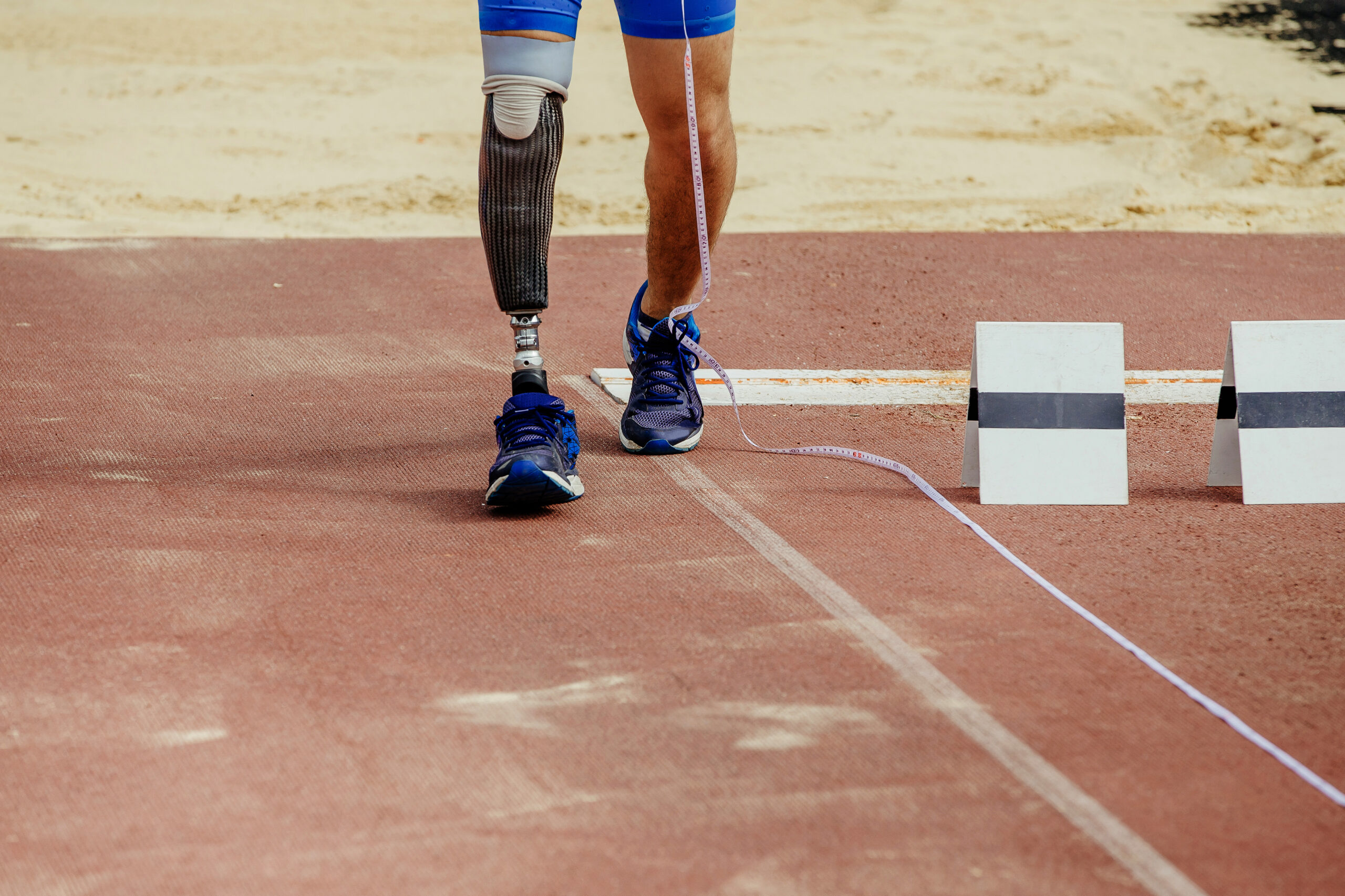
- Sports Prosthetics: Lightweight carbon fiber designs allow running, cycling, and other athletic activities.
Socket Systems
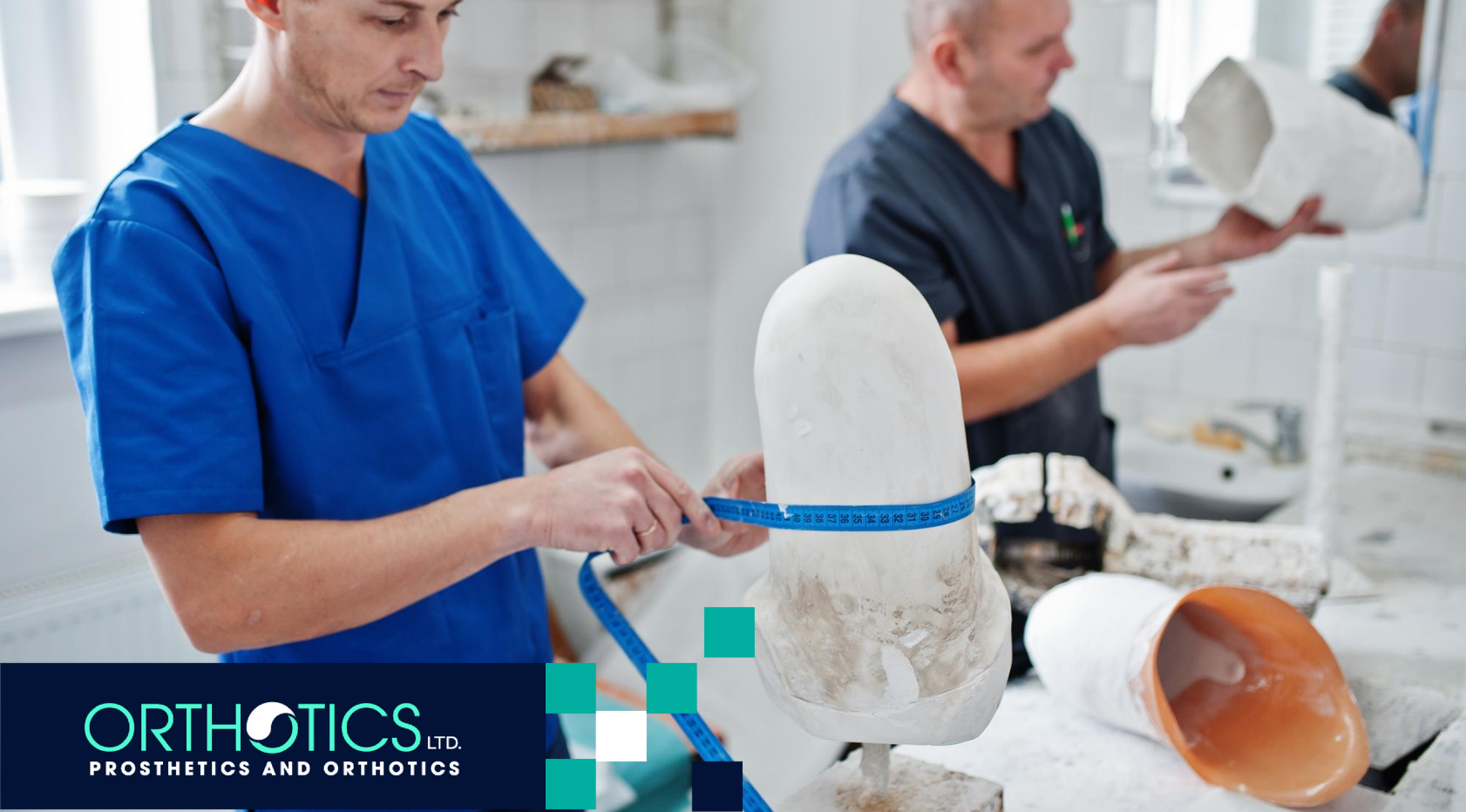
Socket systems connect the prosthetic to the residual limb and have seen significant innovation:
| Socket Type | Features | Benefits |
|---|---|---|
| Traditional Hard Socket | Rigid plastic or carbon fiber | Durable but less comfortable over long periods |
| Soft Socket | Flexible liner with cushioning | Improves comfort and reduces skin irritation |
| Vacuum-Assisted Socket | Sealed system with suction | Enhances fit, stability, and suspension during activity |
| Adjustable Modular Socket | Components can be swapped | Allows customization for different activities |
These systems are crucial for user comfort and function, directly impacting prosthetic adoption and satisfaction.
Athletic and Specialized Prosthetics
Advances in materials and biomechanics have created prosthetics specifically for athletic activities.
- Running Blades: Curved carbon fiber feet that store and release energy.
- Adaptive Sports Devices: Tailored prosthetics for swimming, cycling, skiing, and other sports.
- Custom Fit and Performance: Athletes benefit from devices optimized for speed, balance, and endurance.
Such prosthetic options empower users to pursue activities once thought impossible.
Cosmetic Covers and Aesthetics
Aesthetics play an important role in prosthetic design:
- Realistic silicone covers help prosthetics resemble natural limbs.
- Tattoos, colors, and patterns allow personal expression.
- Fashionable designs are increasingly available, making prosthetics a part of personal style.
This focus on appearance supports confidence, mental health, and social engagement.
The Future of Prosthetic Options
Emerging trends indicate a future where prosthetics become more intuitive, lighter, and integrated with human movement:
- Bionic Prosthetics: Direct nerve interfaces allowing seamless mind-controlled movement.
- 3D Printing: Customizable, lightweight, and cost-effective prosthetic manufacturing.
- Smart Prosthetics: Sensors monitor gait, pressure, and activity for adaptive feedback.
- Sustainable Materials: Environmentally friendly materials are being explored for production.
The future promises prosthetic options that not only restore function but also enhance human capability.
Final Thoughts
Prosthetic options have evolved tremendously—from basic wooden and metal devices to high-tech, customized solutions that restore mobility, independence, and confidence. Modern prosthetics cater to diverse needs, including everyday living, athletics, and personal aesthetics.
If you or a loved one is exploring prosthetic options, Orthotics Ltd. provides expert guidance, innovative devices, and personalized solutions to help you regain mobility and live confidently. Contact us today!
Frequently Asked Questions
1. How do I choose the right prosthetic?
Selecting a prosthetic depends on your lifestyle, mobility needs, and comfort preferences. A certified prosthetist can assess your residual limb and recommend suitable options.
2. What is the difference between myoelectric and body-powered prosthetics?
Myoelectric prosthetics use electrical signals from muscles for movement, while body-powered prosthetics rely on mechanical cables and harnesses controlled by the user’s body motion.
3. How often should prosthetics be adjusted or replaced?
Adjustment frequency depends on limb changes, activity levels, and socket type. Regular check-ups with a prosthetist ensure optimal fit and function.
4. Are sports prosthetics suitable for everyday use?
Sports prosthetics are optimized for specific activities and may not be ideal for daily walking or work tasks. Many users have separate prosthetics for different activities.
5. Can prosthetics be customized aesthetically?
Yes! Modern prosthetics can include realistic skin tones, patterns, or even personalized designs to match user preferences.
Sources:
- https://collection.sciencemuseumgroup.org.uk/objects/co476550/wooden-artificial-leg
- https://magazine.medlineplus.gov/article/prosthetics-through-the-ages
- https://pubmed.ncbi.nlm.nih.gov/36188935/
- https://newsinhealth.nih.gov/2018/08/bionic-movements
- https://pmc.ncbi.nlm.nih.gov/articles/PMC9987462/