Hard vs Soft Socket Systems: Key Differences
Key Highlights
- Socket systems connect the prosthetic limb to the residual limb, impacting comfort, stability, and mobility.
- Hard sockets are rigid and durable, providing strong support but may require more adjustment.
- Soft sockets use flexible liners for improved comfort and reduced skin irritation.
- The choice of socket system depends on activity level, limb condition, and personal preferences.
- Advances in hybrid and vacuum-assisted socket systems offer additional options for enhanced performance.
The socket system is the most critical component of a prosthetic limb. It serves as the interface between the residual limb and the prosthetic, influencing comfort, stability, and overall function. Two main types of socket systems dominate the field: hard socket systems and soft socket systems. Understanding the differences between these systems is essential for selecting the right prosthetic solution to optimize mobility and comfort.
This guide explores the features, benefits, limitations, and considerations for both hard and soft socket systems, helping prosthetic users make informed decisions.
What is a Hard Socket System?
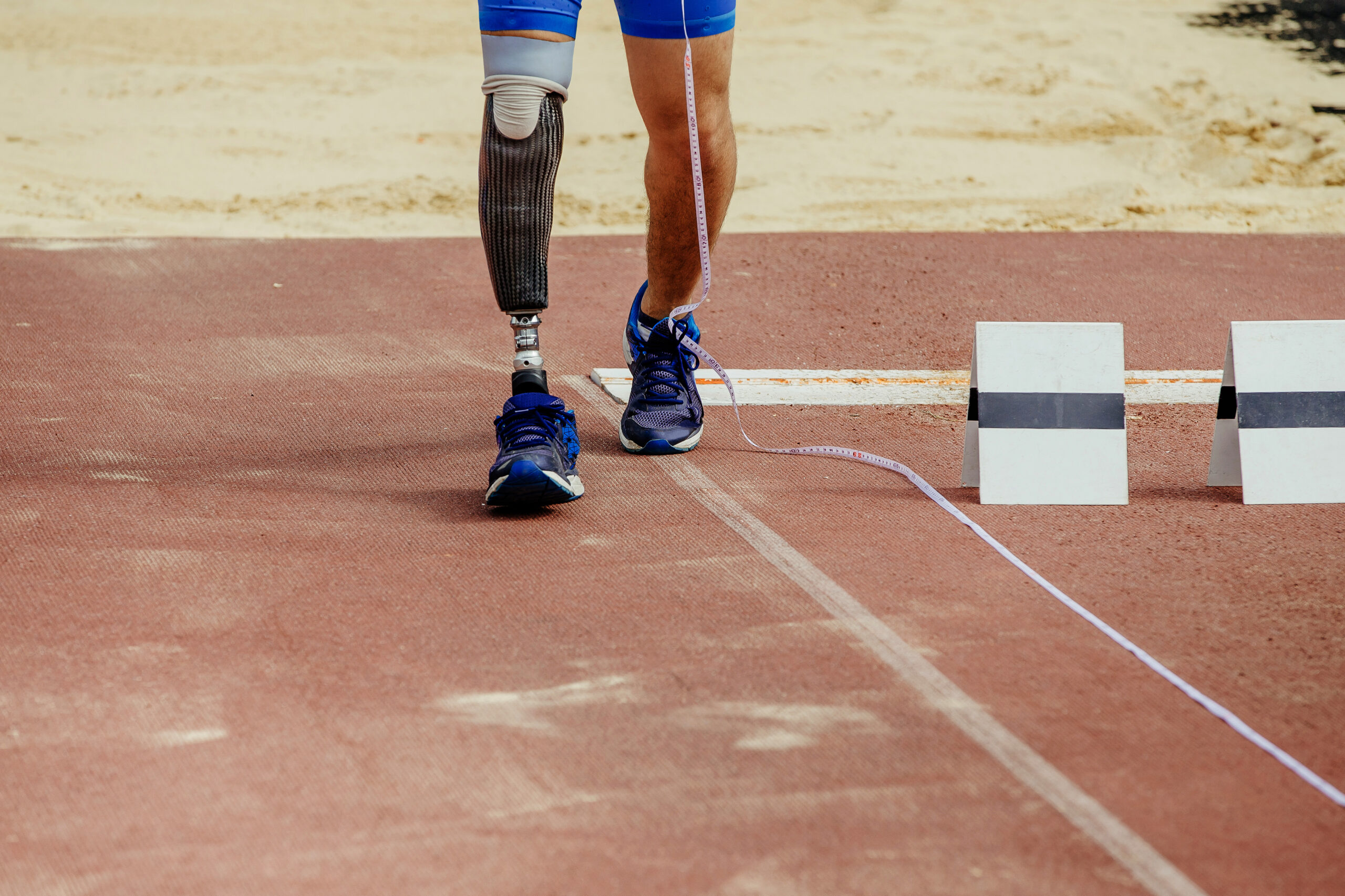
Hard socket systems are rigid, typically made from materials such as carbon fiber, plastic, or laminated composites. These sockets are designed to provide strong structural support and stability.
Key Features of Hard Sockets
- Rigid Material: Maintains shape under pressure, providing consistent support.
- Precise Fit: Custom-molded to the residual limb using casting or digital scanning.
- Durability: Resistant to wear and ideal for high-activity users.
- Adjustability: Can be modified by a prosthetist if needed, though changes are more involved.
Benefits of Hard Socket Systems
- Excellent load distribution for weight-bearing.
- Strong structural support for high-impact activities.
- Long lifespan due to rigid materials.
Limitations
- It can be less comfortable during extended wear.
- Requires careful adjustment to prevent pressure points and skin irritation.
- Less forgiving for volume fluctuations in the residual limb.
What is a Soft Socket System?
Soft socket systems incorporate flexible liners, gel sleeves, or cushioned materials between the residual limb and the prosthetic frame. These designs prioritize comfort and reduce friction or pressure on sensitive areas.
Key Features of Soft Sockets
- Flexible Materials: Silicone, gel, or soft plastics adapt to the shape of the residual limb.
- Improved Comfort: Reduces skin irritation and pressure points.
- Dynamic Fit: Accommodates minor volume changes in the residual limb.
- User-Friendly: Easier to don and doff compared to rigid sockets.
Benefits of Soft Socket Systems
- Enhanced comfort for prolonged wear.
- Reduces risk of skin breakdown and irritation.
- Supports users with sensitive residual limbs or significant volume fluctuation.
Limitations
- It may provide slightly less structural support for high-impact activities.
- Components may wear faster and require periodic replacement.
- Less precise force distribution compared to rigid sockets in some cases.
Comparison: Hard vs Soft Socket Systems
| Feature | Hard Socket | Soft Socket |
|---|---|---|
| Material | Rigid plastic, carbon fiber, laminated composites | Silicone, gel, soft plastics |
| Comfort | Can cause pressure points; less forgiving | Cushioned and flexible; reduces irritation |
| Support & Stability | High structural support; ideal for heavy activity | Moderate support; better for comfort-focused use |
| Adjustability | Requires professional modification | Easier to adapt and fit minor changes |
| Maintenance | Durable; less frequent replacement | May require more frequent liner replacement |
| Ideal Users | Active users, athletes, high-weight load | Users with sensitive limbs, daily wear focus, volume fluctuation |
Hybrid and Advanced Socket Systems
Recent innovations have blurred the line between hard and soft sockets, offering hybrid or vacuum-assisted systems:
- Vacuum-Assisted Sockets: Create suction to secure the limb, combining comfort and stability.
- Hybrid Designs: Incorporate rigid shells with flexible liners for the best of both worlds.
- Adjustable Modular Sockets: Allow users to swap liners or adjust components depending on activity or residual limb changes.
These advancements improve user satisfaction by balancing comfort, support, and functionality.
Choosing the Right Socket System
Selecting a socket system requires careful consideration of several factors:
- Activity Level: High-impact users may benefit from rigid sockets, while casual daily users may prefer soft or hybrid options.
- Residual Limb Condition: Sensitive skin, volume fluctuations, or scar tissue may favor soft or hybrid designs.
- Comfort vs Stability: Prioritize comfort for prolonged wear or stability for sports and high-intensity activities.
- Maintenance & Longevity: Consider how often you are willing to replace or maintain components.
- Professional Assessment: A prosthetist can evaluate your limb, lifestyle, and goals to recommend the optimal socket system.
Tips for Adapting to Your Socket System
Regardless of the type of socket, proper adaptation is key:
- Break-In Period: Gradually increase wear time to allow your residual limb to adjust.
- Skin Care: Monitor for irritation or redness; use moisturizers and liners as needed.
- Regular Adjustments: Consult your prosthetist for alignment or fit modifications.
- Exercise & Strength Training: Stronger muscles support better prosthetic control.
- Check for Wear: Inspect liners, shells, and suspension components regularly.
Proper adaptation ensures comfort, performance, and longevity of the prosthetic limb.
Psychological Impact
Comfort and fit directly influence user confidence and independence:
- A well-fitting socket reduces pain and discomfort, encouraging mobility.
- Users with stable and comfortable prosthetics report higher satisfaction and self-esteem.
- A socket that accommodates lifestyle needs promotes active engagement in daily and athletic activities.
Future Trends in Socket Technology
Innovations continue to improve prosthetic socket systems:
- 3D-Printed Sockets: Customizable, lightweight, and precise.
- Smart Materials: Responsive to temperature or pressure for adaptive comfort.
- Integrated Sensors: Track limb pressure and gait to optimize fit and performance.
- Eco-Friendly Materials: Sustainable composites and biocompatible plastics for long-term use.
The future promises prosthetic socket systems that combine precision, comfort, and technology to meet diverse user needs.
Final Thoughts
Understanding the differences between hard and soft socket systems is critical for prosthetic users seeking comfort, functionality, and independence. While hard sockets provide durability and support for active users, soft sockets enhance comfort and reduce skin irritation. Hybrid and vacuum-assisted systems offer innovative solutions bridging the gap between the two.
For expert guidance on selecting the right socket system and personalized prosthetic solutions, Orthotics Ltd. provides professional assessments, advanced devices, and support to help users achieve comfort and mobility with confidence. Reach out today!
Frequently Asked Questions
1. Can I switch between hard and soft socket systems?
Yes, with professional guidance, users can transition between systems, depending on comfort, activity, or residual limb changes.
2. How often should socket systems be adjusted?
Adjustment frequency varies, but regular check-ups every 3–6 months ensure optimal fit and performance.
3. Which socket system is best for high-impact activities?
Hard or hybrid sockets are typically recommended for high-impact or athletic use due to their structural support.
4. Do soft sockets last as long as hard sockets?
Soft socket components may wear faster, particularly liners, but regular maintenance can extend their lifespan.
5. How do I know which socket system is right for me?
A prosthetist evaluates your residual limb, lifestyle, and activity goals to recommend the most suitable socket system.
Sources:
- https://www.limbs4life.org.au/prosthetics/sockets-and-socket-fit
- https://www.physio-pedia.com/Lower_Limb_Prosthetic_Sockets_and_Suspension_Systems
- https://pmc.ncbi.nlm.nih.gov/articles/PMC12370269/
- https://jneuroengrehab.biomedcentral.com/articles/10.1186/s12984-023-01270-0
- https://www.prolimb.com/