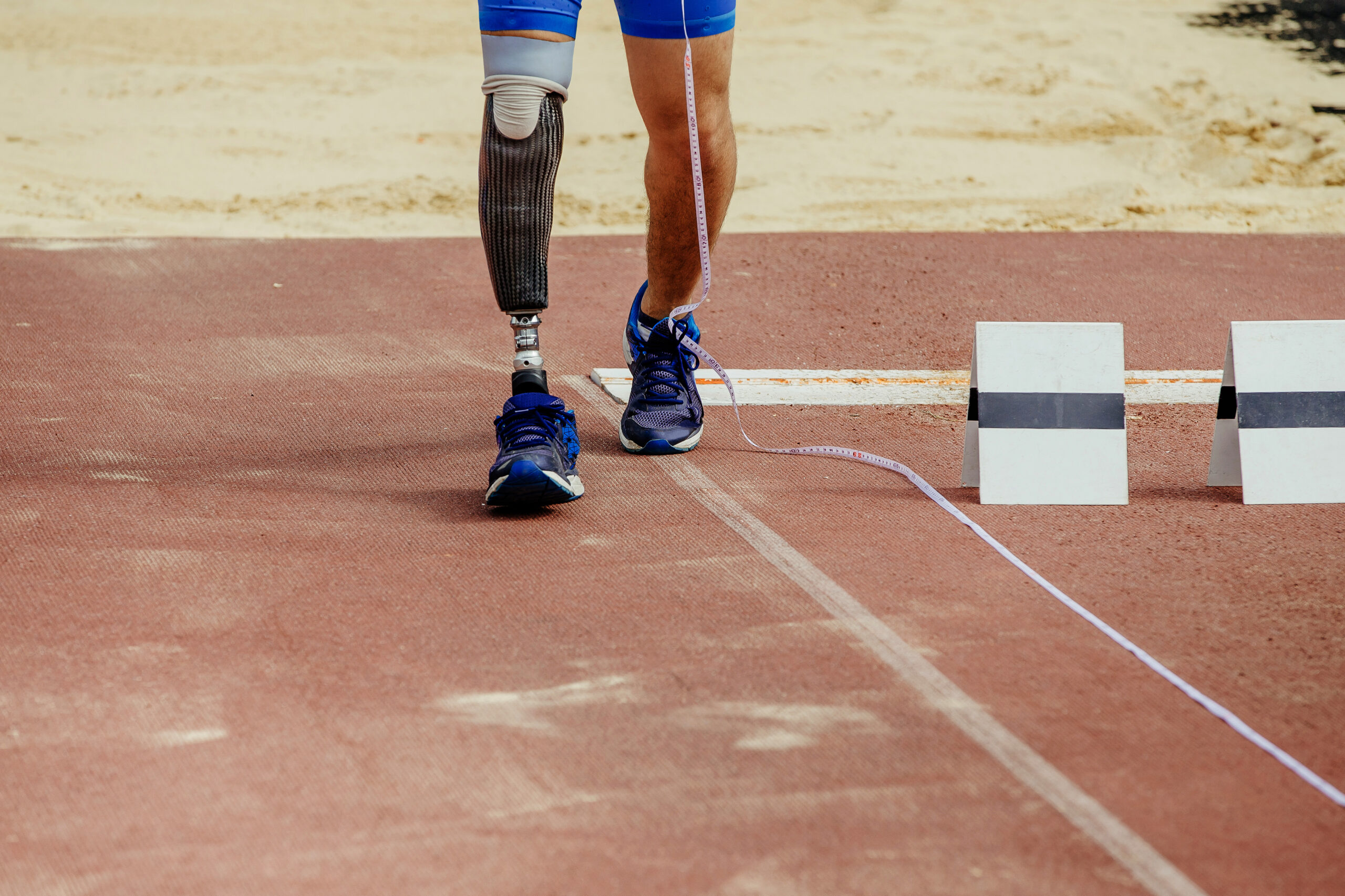
How Smart Prosthetics Are Changing Lives
Key Highlights
- Smart prosthetics integrate advanced technologies like sensors and AI to mimic natural movement.
- Neural-controlled prosthetics allow users to move limbs through brain signals.
- These innovations improve quality of life, independence, and emotional well-being.
- Sensor prosthetics provide real-time feedback to adjust movement and grip.
- Advancements are making these solutions more accessible and personalized.
Modern prosthetics have evolved far beyond the simple mechanical limbs of the past. Thanks to revolutionary breakthroughs in robotics, artificial intelligence, and neuroscience, smart prosthetics are now offering life-changing possibilities to people with limb loss.
From sensor prosthetics that respond to muscle signals to neural-controlled prosthetics that interpret brain activity, these new devices are helping users regain functionality, mobility, and independence like never before.
In this blog, we’ll explore the technology behind smart prosthetics, how they work, and the remarkable ways they’re transforming lives.
What Are Smart Prosthetics?
Smart prosthetics are advanced artificial limbs that use microprocessors, sensors, and even AI to mimic natural movement and behavior. These prosthetics go beyond cosmetic or mechanical use—they adapt, respond, and learn from the wearer’s movements.
Key Features:
- Sensors: Detect pressure, muscle movement, temperature, and positioning.
- Microprocessors: Adjust in real-time to optimize performance.
- Bluetooth/Wi-Fi Connectivity: Allow updates, diagnostics, and app control.
- Machine Learning Algorithms: Learn movement patterns and preferences over time.
How Do Sensor Prosthetics Work?
Sensor prosthetics use embedded sensors that monitor body signals and environmental factors. These signals help the prosthetic limb adjust dynamically, providing more natural and intuitive movement.
Common Sensor Inputs:
- Electromyography (EMG): Measures muscle activity.
- Accelerometers and Gyroscopes: Detect movement and orientation.
- Pressure Sensors: Control grip strength in prosthetic hands or feet.
These technologies enable users to perform everyday tasks like walking on uneven terrain, picking up delicate objects, or even typing on a keyboard with more ease and control.
Neural-Controlled Prosthetics: Mind Over Matter
One of the most groundbreaking advancements in prosthetic technology is neural-controlled prosthetics. These systems connect directly to the brain or peripheral nervous system to allow users to control the prosthetic limb with thought.
How It Works:
- Electrodes are implanted or placed on the skin to pick up brain or nerve signals.
- Signals are transmitted to the prosthetic via a microprocessor.
- The limb responds almost instantaneously, simulating natural movement.
Some systems even offer sensory feedback, allowing users to “feel” pressure or temperature through their prosthetic—a game-changer for safety and usability.
Real-Life Impact: How Smart Prosthetics Improve Lives
The benefits of smart, sensor, and neural-controlled prosthetics go beyond physical movement—they also greatly affect emotional health, independence, and daily quality of life.
Benefits:
- Greater Independence: Users can perform tasks without assistance.
- Improved Safety: Real-time sensor feedback helps prevent falls or injuries.
- Psychological Boost: Increased self-esteem and body image satisfaction.
- Reduced Pain: Better alignment and movement reduce phantom limb pain.
Comparison: Smart vs. Traditional Prosthetics
Here’s a quick look at how smart prosthetics compare to traditional options:
| Feature | Traditional Prosthetics | Smart Prosthetics |
|---|---|---|
| Movement Control | Manual or basic mechanics | Microprocessor & AI-driven |
| User Feedback | Limited or none | Real-time sensory input |
| Grip Adjustment | Fixed or manual | Automatic, adaptive grip |
| Customization | Standardized | Personalized learning algorithms |
| Cost | Lower | Higher but decreasing over time |
| Accessibility | Widespread | Growing, but still limited |
Who Can Benefit from Smart Prosthetics?
Smart prosthetics can benefit a wide range of individuals:
- Upper or Lower Limb Amputees
- Congenital Limb Deficiency Patients
- Veterans or Accident Survivors
- Children (with customizable growth options)
- Elderly Individuals seeking safer, more adaptive support
Challenges and Limitations
Despite their advantages, smart prosthetics still face some challenges:
- High Cost: Advanced prosthetics can cost tens of thousands of dollars.
- Insurance Coverage: Not all policies cover high-tech prosthetic devices.
- Learning Curve: Users need training to adapt to the new technologies.
- Battery Life: Frequent charging or limited battery duration can be inconvenient.
However, ongoing research and funding are helping overcome these barriers, making smart technology more affordable and accessible.
The Future of Prosthetic Technology
The future is bright. Here are some trends to watch:
- Bionic Skin: Offering realistic sensation and appearance.
- 3D Printing: Reducing costs and increasing customization.
- AI Integration: Smarter limbs that anticipate user needs.
- Cloud Connectivity: Remote diagnostics and software updates.
- Regenerative Interfaces: Growing nerve tissue to integrate with tech.
Researchers are also exploring brain-computer interfaces (BCIs) that could allow full mind-controlled limb function without external sensors.
How to Choose the Right Prosthetic
Choosing the right prosthetic depends on a variety of factors:
Consider:
- Type of Limb Lost
- Activity Level and Lifestyle
- Budget and Insurance
- Desired Functionality
- Training and Support Availability
It’s essential to work with a certified prosthetist who can guide you through the fitting, training, and ongoing support process.
Getting Started with Smart Prosthetics
Ready to take the next step? Consult with a professional prosthetics provider who understands the latest in sensor and neural-controlled prosthetics. They can help you explore options, get proper fittings, and provide training to ensure long-term success.
Orthotics Ltd. specializes in custom prosthetic solutions, including cutting-edge smart prosthetics. With decades of experience and compassionate care, they’re ready to help you or your loved one move toward greater independence and comfort. Contact us today!
Frequently Asked Questions
1. Are smart prosthetics covered by insurance?
Coverage varies by provider and plan. Some high-tech features may not be fully covered. It’s best to consult with your insurance company and a prosthetist.
2. Can children use sensor or neural-controlled prosthetics?
Yes, many smart prosthetics are designed for children and can be adjusted as they grow. Pediatric options continue to expand in both function and comfort.
3. How long does it take to learn to use a smart prosthetic?
It depends on the device and the individual. Most users require several weeks to months of training and adjustment with the help of a prosthetist and physical therapist.
Sources:
- https://news.mit.edu/2024/prosthesis-helps-people-with-amputation-walk-naturally-0701
- https://www.hopkinsmedicine.org/health/treatment-tests-and-therapies/electromyography-emg
- https://www.nibib.nih.gov/news-events/newsroom/neurally-controlled-prosthetic-ankle-allows-intuitive-balance-correction
- https://itp.nyu.edu/physcomp/lessons/accelerometers-gyros-and-imus-the-basics/
- https://control.com/technical-articles/accelerometers-and-gyroscopes-understanding-the-metrics-of-motion/