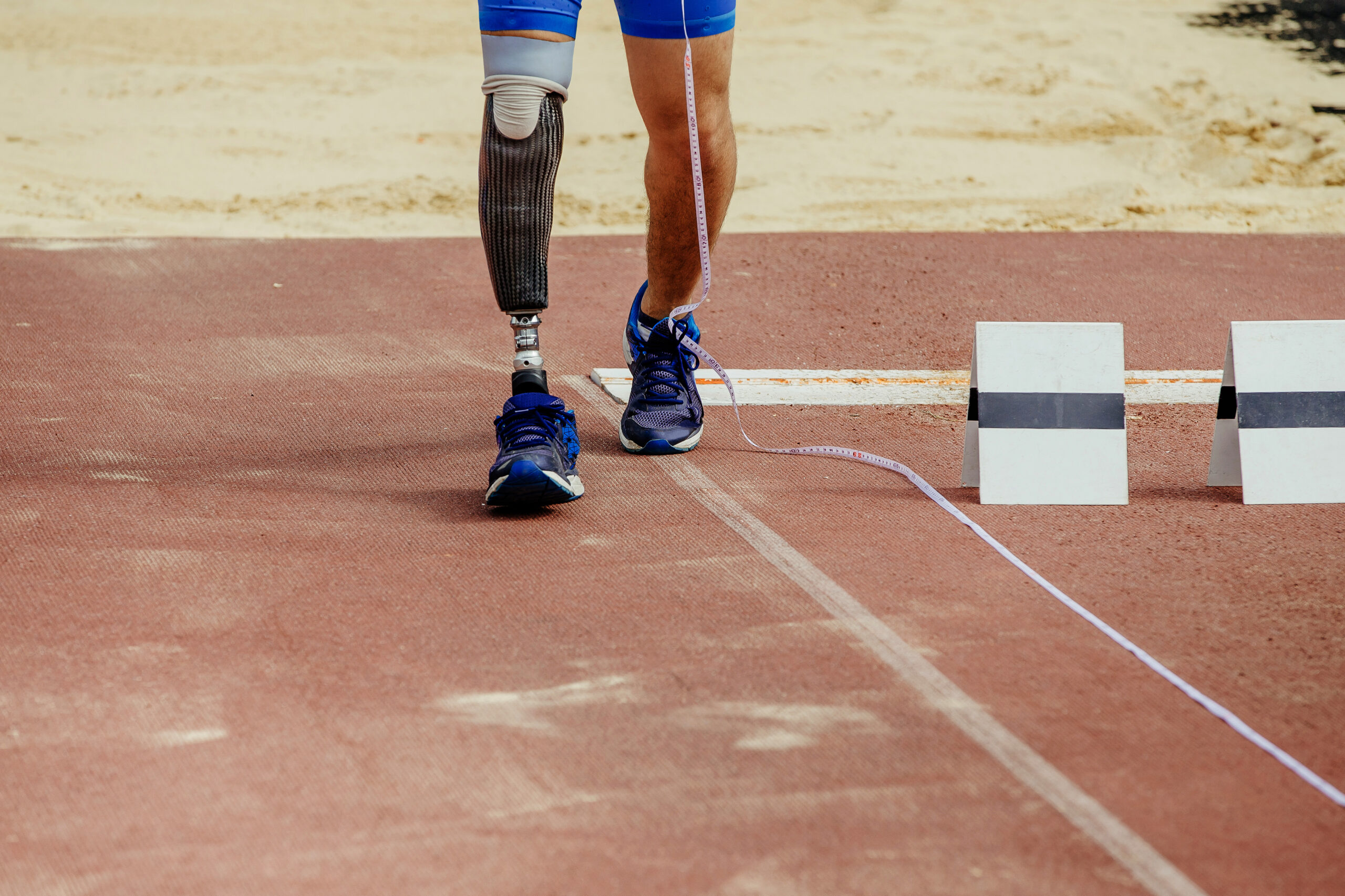
How Socket Design Impacts Prosthetic Performance
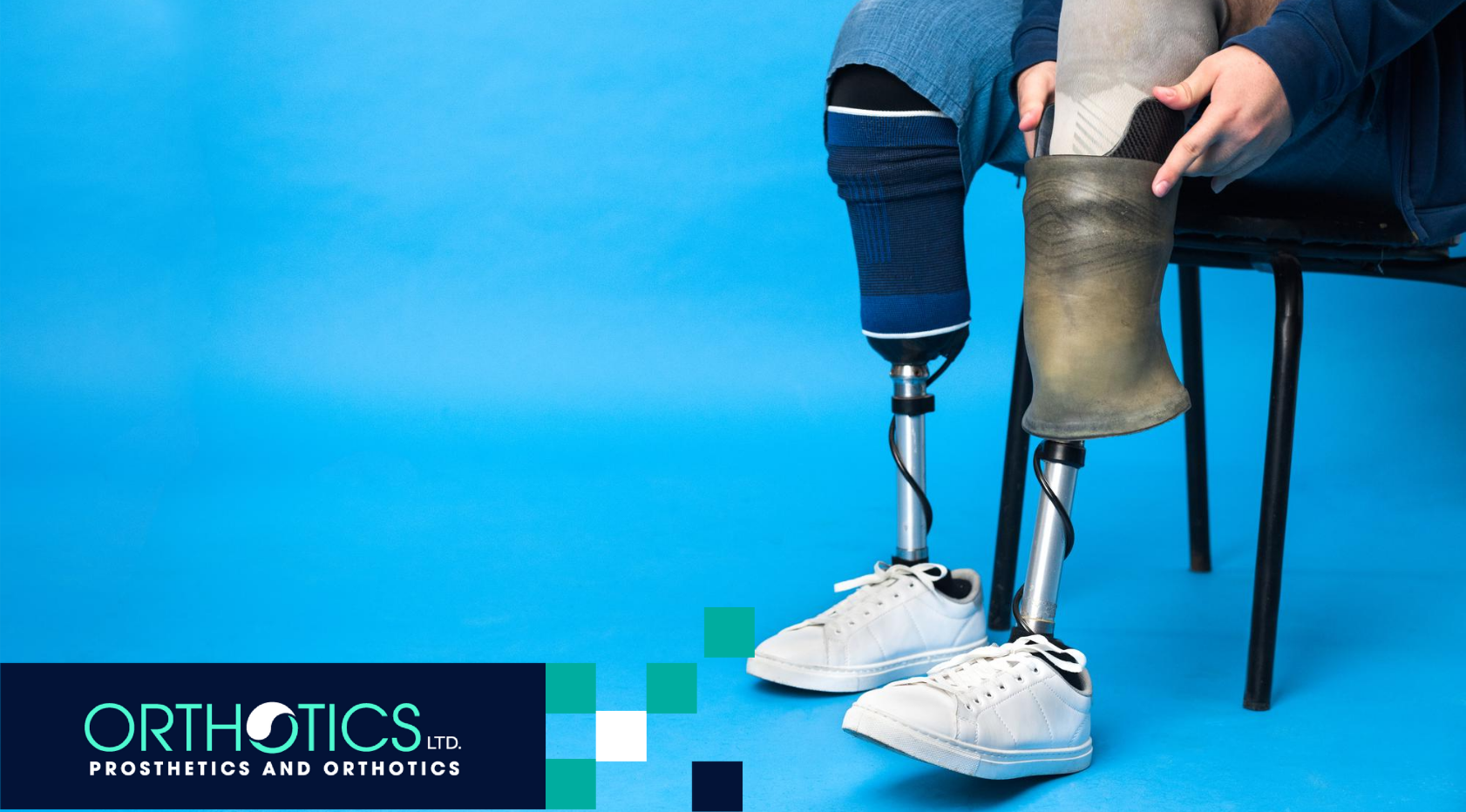
Key Highlights
- The prosthetic socket is the critical link between limb and prosthesis — its design directly affects comfort, mobility, and long-term wearability.
- Socket geometry, fit, and pressure distribution determine how weight and forces are transferred — affecting gait, stability, and tissue health.
- Advances like total‑contact sockets, adjustable/vacuum suspension, 3D‑printed custom sockets and flexible liners improve comfort and performance.
- Poorly designed or poorly fitted sockets can cause pain, skin breakdown, uneven gait, fatigue, and reduced prosthesis use.
- Understanding your lifestyle, residual‑limb anatomy, and activity level helps determine the optimal socket design — leading to better outcomes and quality of life.
Why Socket Design Matters
At the heart of every prosthetic limb lies the socket — the part that connects the residual limb (stump) to the artificial limb. The socket is far more than a passive shell; it is the foundation for comfort, stability, and functionality.
Every residual limb is unique in shape, soft-tissue distribution, bony prominences, and sensitivity — which means a “one-size-fits-all” socket rarely works well. A socket must be precisely shaped and fitted to match the limb’s contours, distributing load safely and evenly while allowing the prosthesis to perform. When done right, a good socket enables smooth gait, efficient energy transfer, and long-term wearability.
Conversely, even the most advanced prosthetic knee, foot, or blade will perform poorly if the socket is ill-fitting or poorly designed. Poor fit can lead to skin irritation, pressure sores, pain, instability, muscle fatigue, inefficient gait, or reduced use time.
Thus, socket design deeply impacts prosthetic performance, user satisfaction, mobility, and long‑term health.
Key Principles of Effective Socket Design
Modern prosthetic socket design aims to meet several key goals simultaneously: comfort, stability, load distribution, suspension, adjustability, and durability. Here are the main principles:
- Total‑Contact Fit: The socket volume should closely match (or slightly under) the residual-limb volume so that the limb makes full contact with the socket inner walls, distributing pressure evenly and avoiding load concentration on a few pressure‑tolerant areas.
- Even Pressure Distribution: Instead of concentrating weight on a few “tolerant” pressure points (as older designs did), modern designs aim to spread the load across as much soft tissue and surface area as possible to minimize localized stress and tissue damage.
- Secure Suspension / Coupling: The socket must firmly couple the residual limb to the prosthesis without excessive motion or slipping — whether through suction, vacuum, pin-lock, or anatomical shape — so that movement is stable and control is consistent.
- Alignment & Biomechanical Compatibility: The socket must maintain proper alignment and orientation relative to the user’s body and joint axes. Misalignment can affect gait symmetry, joint stress, energy use, and overall comfort.
- Adaptability to Limb Changes: Residual limbs can change over time due to muscle atrophy, weight changes, swelling, or daily volume fluctuations. A good socket design anticipates and accommodates these changes — through adjustable sockets, liners, socks, or remolding — to preserve fit and comfort.
- Material & Construction Quality: Lightweight, durable materials and proper manufacturing techniques (molding, lamination, thermoforming, 3D printing) help create sockets that are strong yet comfortable, breathable yet stable — promoting longevity and better performance.
Common Socket Types and Their Trade‑offs
Socket design varies depending on the level of amputation (below-knee, above-knee, etc.), residual-limb shape, activity level, and personal needs. Below is a simplified breakdown of some common socket types and how their design influences performance:
| Socket Type / Design Approach | Typical Use Case | Advantages | Limitations |
|---|---|---|---|
| Total Surface Bearing (TSB) | Below‑knee (transtibial), active users | Spreads pressure over the entire limb surface; reduces localized pressure points; provides higher comfort | Requires precise fit; needs a well‑molded liner/suspension; sensitive to volume changes |
| Patellar Tendon Bearing (PTB) | Traditional below‑knee sockets | Loads weight on load‑tolerant areas (patellar tendon, soft tissue) | Pressure concentrated on limited areas — can cause discomfort or skin issues if misaligned |
| Ischial Containment Socket | Above‑knee (transfemoral) amputees | Provides pelvic support and stability; good control during walking | Bulkier; higher trim lines; may restrict movement or feel less comfortable when sitting |
| Sub‑Ischial / Low‑Profile Socket | Active users need more mobility & freedom | Lower trim lines — more comfort, easier sitting, greater range of motion | Less inherent stability; may rely more on suspension systems or liners |
| Adjustable / Vacuum / Suction Suspension Sockets | Users with volume fluctuation, active lifestyle | Improved coupling, reduced limb movement, better pressure distribution, adapts to volume changes | More complex; requires maintenance; may be costlier |
| Custom / 3D-Printed Sockets | Unique limb shapes, complex needs, high‑activity users | Highly personalized fit; quick fabrication; ability to optimize load distribution based on scan data | Requires accurate scanning/impression; may need adjustments or remakes if limb shape changes |
How Socket Design Influences Prosthetic Performance and User Experience
1. Comfort, Skin Health & Wear Time
When a socket distributes load evenly and provides a snug, secure fit — soft‑tissue areas bear weight instead of bony points — users experience fewer pressure sores, less skin irritation, and reduced risk of skin breakdown.
Because pressure and shear stresses are less concentrated, residual-limb tissue tolerates longer wear times, enabling the user to wear the prosthesis for more hours daily — essential for independence and mobility.
2. Improved Stability, Gait & Mobility
A well‑designed socket — with proper alignment, good suspension, and secure coupling — ensures the prosthetic limb moves in synch with the residual limb. This improves gait symmetry, reduces compensatory movements (which can lead to issues like back pain), and enhances balance and stability during walking or activity.
Especially in dynamic activities (walking, running, climbing stairs), proper load distribution and socket fit help reduce energy expenditure, reduce the risk of stress on joints, and make movement smoother and more efficient.
3. Adaptability, Volume Management & Long-Term Use
Because residual limbs can change in size and shape over time — due to muscle atrophy, swelling, weight fluctuations — sockets that allow adjustment or use liners/socks help maintain a consistent fit. This prevents instability or pain over time, extending usability and reducing the need for frequent socket replacements.
Also, modern advances such as 3D‑printed sockets or CAD/CAM-based sockets allow for more precise shaping and easier remaking when needed — especially valuable for people who change activity levels, body weight, or limb conditions.
4. Enhanced Control and Confidence
A secure socket fit means the user feels “connected” to the prosthesis. This connection supports better control, reduces unwanted motion (twist, pistoning), and helps amputees feel more confident when walking, running, or doing daily tasks.
In upper‑limb prosthetics, too — where sensory feedback is limited — socket design affects not only comfort but control and manipulation reliability.
Innovations & Advances in Socket Technology
Socket design is evolving — combining biomechanics, materials science, and modern manufacturing to improve fit, comfort, and performance. Some of the recent advances include:
Pressure‑Informed Design & 3D‑Printing
Using data on interface pressure between the socket and the residual limb, designers can optimize socket shape to reduce high-pressure zones (especially over sensitive/bony areas) and spread load more evenly. One study using 3D printing and pressure-adjustment modeling reported reductions of over 80% in pressure at previously problematic areas, and an increase in walking distance by ~18%.
This kind of pressure-informed socket design leads to a more uniform pressure distribution and better comfort during daily activities.
Flexible Liners, Vacuum / Suction Suspension & Adjustable Sockets
Modern socket systems may include soft liners (silicone, gel), vacuum or suction suspension, adjustable straps, or even inflatable bladders — all to maintain a snug, stable fit even as limb volume fluctuates throughout the day.
These systems help prevent pistoning (socket movement), provide stable coupling, improve circulation, and adapt to changing residual-limb conditions.
Biomechanical Modeling & Simulation (Finite Element Analysis, FEA)
Researchers increasingly use imaging (e.g., MRI) combined with finite-element modeling to simulate how sockets will distribute pressure and shear forces on a residual limb under dynamic conditions (walking, load-bearing, shifting, joint movement).
This allows design optimization before fabrication — reducing trial-and-error, improving comfort, and potentially shortening fitting time. Over time, such methods may make socket design more scientific, consistent, and individualized.
Customization for Activity Level and Lifestyle
Socket designs can be tailored depending on whether the user leads a sedentary lifestyle, walks daily, is active, or engages in high-impact sports. For example, sub‑ischial sockets with lower trim-lines may offer more freedom and comfort for active users; total-contact sockets with vacuum suspension may suit users with volume fluctuations or sensitivity; and reinforced sockets may be designed for high-impact or sports usage.
What to Discuss with Your Prosthetist When Designing or Evaluating a Socket
Choosing or evaluating a prosthetic socket should be a collaborative process between you and your prosthetist. Here are key discussion points to ensure optimal performance and comfort:
- Your Residual Limb Anatomy: Bony prominences, soft tissue distribution, sensitivity zones, skin condition — these influence where pressure tolerance is higher and where relief or cushioning is needed.
- Lifestyle, Activity Level & Daily Use: Are you mostly indoors, walking on flat surfaces, or do you hike, play sports, or engage in high‑activity? This determines whether you need a stable, rigid socket or a flexible, performance-oriented one.
- Volume Fluctuations & Fit Changes: Do you experience swelling, limb shrinkage, or volume changes due to activity, weight changes, or time of day? If yes, adjustable sockets, liners, and regular follow-ups may be essential.
- Suspension System Preferences: Suction, vacuum-assisted, pin-lock, or anatomical suspension — each offers different advantages and trade‑offs for stability, comfort, hygiene, ease of donning/doffing, and maintenance.
- Material, Build, and Maintenance Considerations: Do you want lightweight materials, easy-to-clean liners, durability for daily wear, or special demands (sports, water exposure, work environment)? These choices impact long-term satisfaction.
- Consent to Test Socket & Iterative Fitting: Using a diagnostic/test socket first allows adjustments before final fabrication — helping catch pressure points, alignment issues, or fit problems early, avoiding long-term discomfort.
Realities & Risks When Socket Design Is Neglected
When socket design is treated as a “less important” component — or if compromises are made (e.g., cheaper materials, quick fixes, ignoring limb volume changes) — consequences often arise:
- Uneven pressure distribution leading to pain, skin irritation, pressure sores, blisters, or skin breakdown.
- Instability, pistoning, or undesired movement of prosthesis — leading to poor gait, imbalance, increased fall risk, joint stress, or compensatory posture.
- Limited wear time, discomfort during everyday tasks, or even abandonment of prosthesis use altogether (especially if pain or skin issues persist).
- Inefficient mobility and higher energy expenditure — making walking or activity more tiring or even discouraging regular use.
- Frequent need for adjustments, refitting, or socket replacement — leading to higher long-term costs and less convenience.
Why Socket Design Is the Bedrock of Prosthetic Performance
A well-designed socket is not just a shell — it’s the foundation upon which every other part of a prosthesis depends. From comfort and skin health to gait, mobility, and long-term usability, socket design impacts almost every aspect of prosthetic performance.
Modern socket design principles — total‑contact fit, even pressure distribution, secure suspension, biomechanical alignment, adaptability, and quality materials — work together to help prosthetic users move more naturally, comfortably, and confidently. Advances like 3D‑printing, pressure‑informed modeling, adjustable systems, and improved liners make it possible today in ways earlier generations couldn’t imagine.
If you or someone you know is considering a prosthetic device — especially one that will be used regularly — it’s worth investing time and care into socket design. A well-fitted, carefully crafted socket can dramatically improve mobility, reduce complications, and make the prosthesis feel like a true extension of the body.
If you’d like to explore prosthetic socket options — whether custom‑made, adjustable, or suited for a specific lifestyle — Orthotics Ltd. can offer guidance and professional fitting support. Reach out today!
Frequently Asked Questions
1. How often does a socket need revisiting or adjustment?
That depends on factors like residual-limb volume changes (due to swelling, muscle atrophy, and weight fluctuation), activity level, and comfort. Many users benefit from periodic check-ups, especially after significant body changes or if they notice discomfort, skin irritation, instability, or fit problems. Adjustable sockets, liners, or volume-adjusting socks can help extend the usable life of a socket.
2. Can 3D‑printed sockets really improve comfort compared to traditional sockets?
Yes — studies have shown that sockets designed using pressure‑mapping and 3D printing can significantly reduce pressure on sensitive areas and improve even load distribution. They also allow more precise customization for each residual limb’s anatomy, which often leads to improved comfort and mobility.
3. What is a “total‑contact” socket, and why is it preferred?
A total‑contact socket means the inner surface of the socket closely matches the residual limb’s shape, making contact across as much surface area as possible. This spreads pressure evenly, reduces localized stress points, and helps create a stable, secure interface — leading to greater comfort and better prosthetic control.
4. Does a better socket design help if I’m active or do sports?
Absolutely. For active users — whether walking daily, exercising, or doing athletic activity — a socket that distributes load well, stays stable under dynamic conditions, and adapts to volume or movement changes is essential. It reduces the risk of irritation or injury, improves gait efficiency, and supports better mobility.
5. If my current socket feels uncomfortable, what should I do?
Don’t ignore it — discomfort, pressure points, instability, or skin irritation are signs a socket might need adjustment. Visit your prosthetist for a re-evaluation. Sometimes small modifications, liner changes, or rebasing with a custom/3D‑printed socket can make a big difference in comfort, fit, and usability.
Sources:
- https://www.physio-pedia.com/Lower_Limb_Prosthetic_Sockets_and_Suspension_Systems
- https://pubmed.ncbi.nlm.nih.gov/34932435/
- https://pubmed.ncbi.nlm.nih.gov/523290/
- https://pmc.ncbi.nlm.nih.gov/articles/PMC9550041/
- https://jneuroengrehab.biomedcentral.com/articles/10.1186/s12984-023-01270-0