How Sport Prosthetics Work: Can One Be Used for Multiple Sports?
Key Highlights:
- Sport prosthetics are designed for specific athletic activities to maximize performance and safety.
- Different sports place unique demands on prosthetic design, materials, and alignment.
- Some prosthetics can be adapted for multiple sports, but specialized devices often offer better results.
- Proper training, fit, and maintenance are essential for safe and effective use.
- Consultation with prosthetists ensures the best selection for your athletic goals.
For athletes with limb differences, prosthetics for sports offer the opportunity to participate in a wide range of physical activities. However, a common question arises: can a single prosthetic device be used across multiple sports? The answer depends on several factors, including the type of sport, the prosthetic design, and individual performance goals.
Understanding Sport Prosthetics
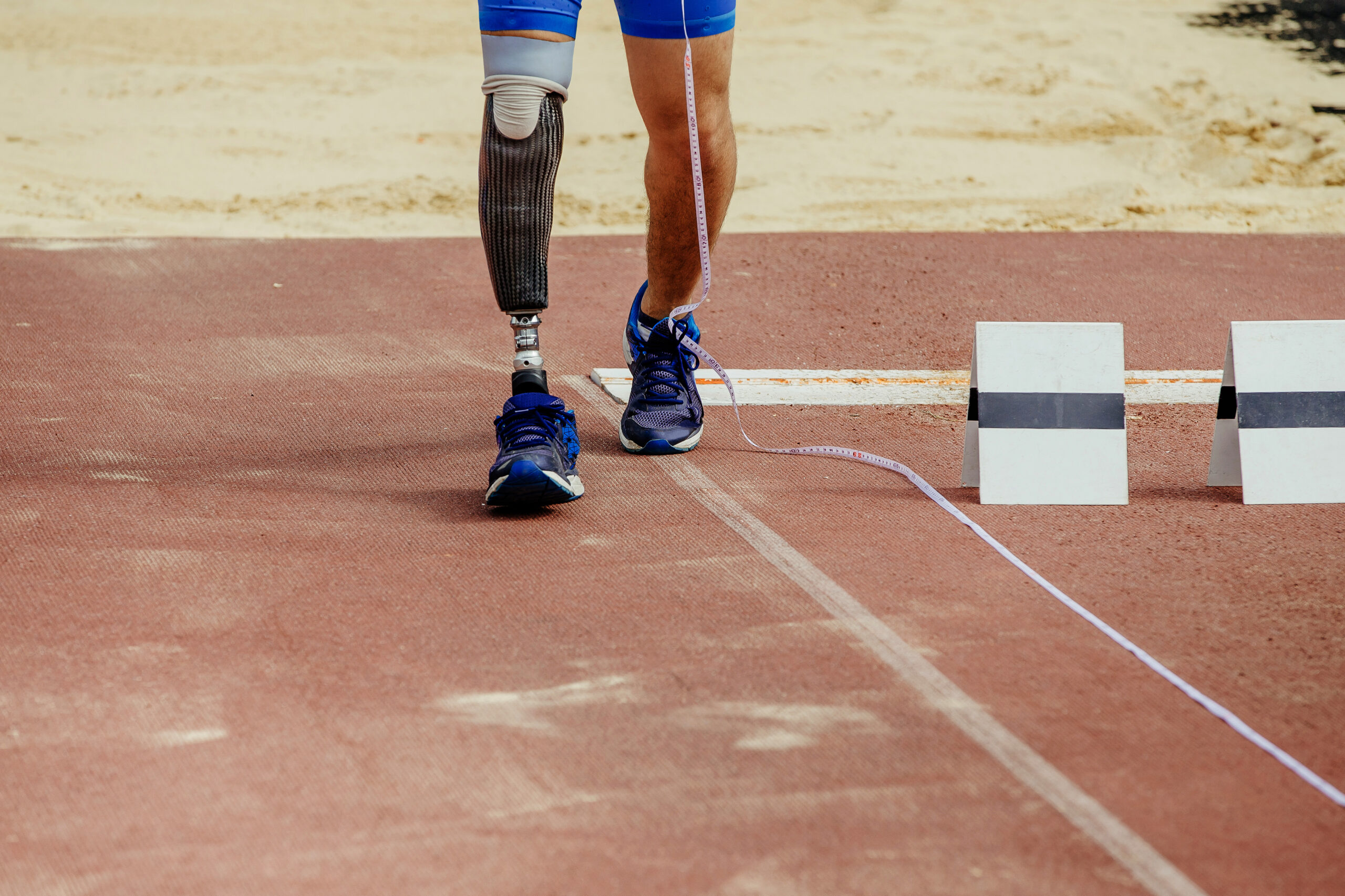
Sport prosthetics are specialized devices engineered to meet the demands of athletic performance. Unlike everyday prosthetics, they prioritize strength, flexibility, and motion control tailored to the specific sport.
Key Features of Sport Prosthetics:
- Lightweight materials such as carbon fiber for agility and energy return.
- Shock-absorbing components to handle impact and reduce strain.
- Sport-specific geometry, such as curved blades for running or specialized feet for swimming and cycling.
Can One Prosthetic Serve Multiple Sports?
The feasibility of using one prosthetic for multiple sports depends on:
- Sport Requirements: Different activities have distinct demands on mobility, balance, and force. For example:
- Running prosthetics focus on forward motion and energy efficiency.
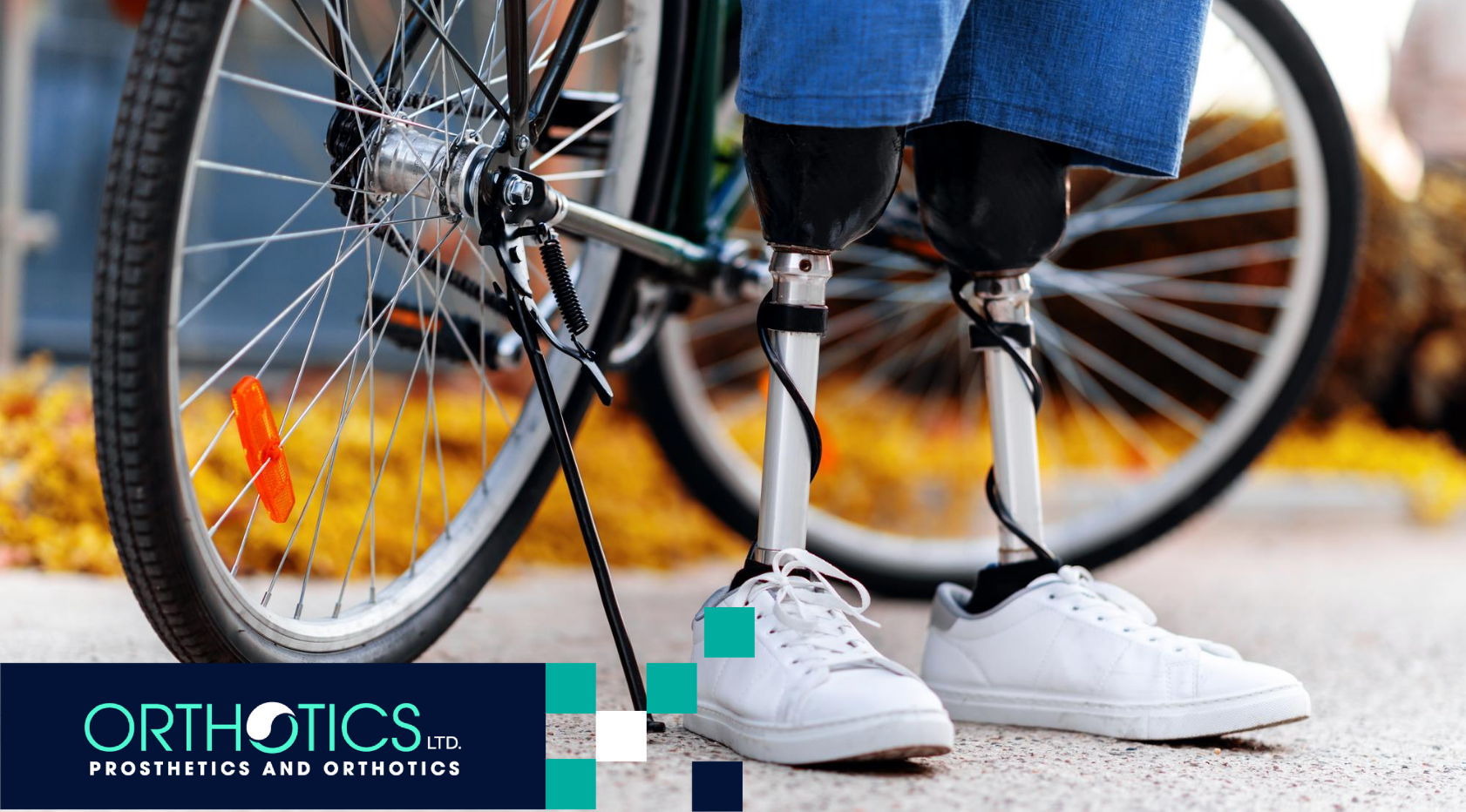
- Cycling prosthetics may require a fixed foot position to optimize pedaling.
- Swimming prosthetics are waterproof and designed to streamline movement.
- Adaptable Designs: Some prosthetic systems allow interchangeable components, enabling the user to swap feet or attachments for different sports.
- Performance Goals: Athletes seeking high performance often benefit from sport-specific devices for each activity rather than a one-size-fits-all solution.
Advantages of Sport-Specific Prosthetics
- Optimized Performance: Each device is designed to maximize efficiency, speed, and safety in its intended sport.
- Reduced Injury Risk: Proper alignment and shock absorption protect joints and residual limbs.
- Comfort and Fit: Sport-specific devices minimize friction, pressure points, and fatigue.
Adaptable or Multi-Sport Prosthetics
Some prosthetic solutions are designed to be multi-functional, especially for recreational athletes:
- Interchangeable Feet: Allows switching between sprinting, running, and walking blades.
- Adjustable Joints: Customizable settings for different activity ranges, like cycling and running.
- Universal Attachments: Devices compatible with accessories such as skis, paddles, or cycling pedals.
| Sport | Typical Prosthetic Design | Adaptability |
|---|---|---|
| Running | Carbon fiber blade with energy return | Can be swapped with multi-purpose blade for recreational use |
| Swimming | Waterproof, streamlined foot or hand attachment | Usually dedicated, but detachable options exist |
| Cycling | Fixed-foot alignment with lightweight socket | Some devices allow foot swap for walking/running |
| Skiing | Rigid, shock-absorbing attachment | Usually dedicated, safety is priority |
| Recreational Multi-Sport | Modular design with interchangeable components | Allows multiple activities but may compromise elite performance |
Training and Safety Considerations
Even with adaptable prosthetics, athletes should prioritize:
- Professional Assessment: Prosthetists can evaluate whether a single device meets your activity demands.
- Proper Training: Physical or occupational therapy ensures correct use to avoid injury.
- Maintenance: Regular checks prevent wear and ensure optimal performance across sports.
Psychological and Lifestyle Benefits
Using prosthetics for sports encourages:
- Enhanced confidence and independence.
- Opportunities for social interaction and community participation.
- Motivation to maintain fitness and overall health.
Final Thoughts
While some prosthetics can be adapted for multiple sports, performance and safety are often optimized with sport-specific designs. Athletes should weigh convenience versus performance when choosing devices. For professional guidance and tailored solutions, Orthotics Ltd. ensures the right selection and support for your athletic goals. Reach out today!
Frequently Asked Questions
1. Can I use my running blade for cycling?
Some modular prosthetics allow this, but dedicated devices are generally safer and more efficient.
2. How do I maintain a sports prosthetic for multiple activities?
Regular inspections, cleaning, and component swaps as advised by a prosthetist are essential.
3. Are multi-sport prosthetics suitable for competitive athletes?
Elite athletes often perform better with sport-specific prosthetics, though adaptable devices may be suitable for recreational use.
4. How do I know which prosthetic is right for my sports?
Consulting a prosthetist with experience in sport prosthetics helps match your device to your goals and activities.
5. Can children use prosthetics for multiple sports?
Yes, modular and adaptable devices can support children in recreational sports, though regular adjustments are required as they grow.
Sources:
- https://www.sciencedirect.com/science/article/abs/pii/S1934148214003013
- https://jneuroengrehab.biomedcentral.com/articles/10.1186/s12984-021-00939-8
- https://pmc.ncbi.nlm.nih.gov/articles/PMC11220186/
- https://www.paralympicheritage.org.uk/running-blades-and-their-evolution