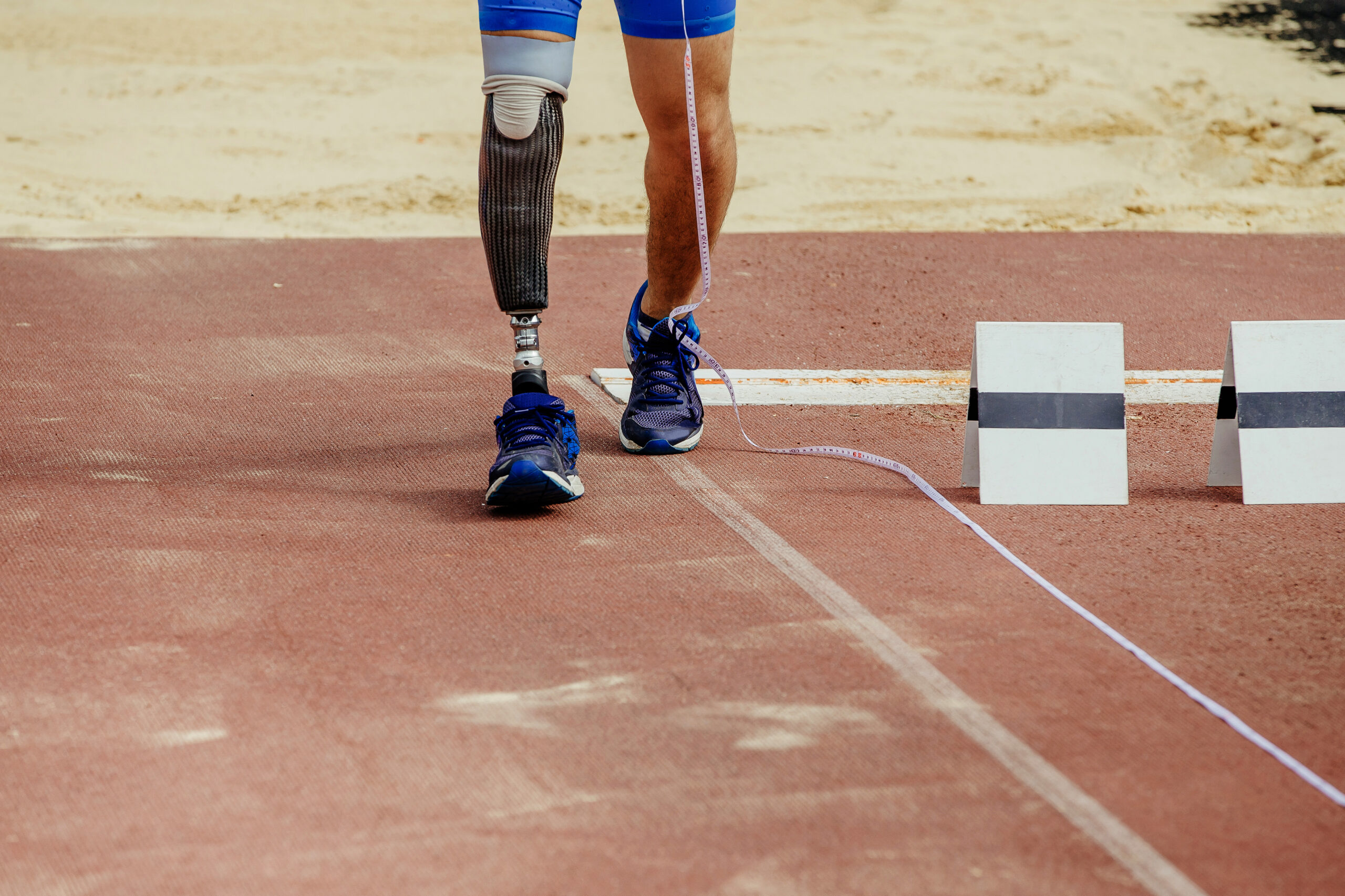
Life After Limb Loss: Inspirational Stories from Amputees
Key Highlights
- Resilience after limb loss shines through as amputees turn trauma into triumph with determination and innovation.
- Their journeys range from shark attack survivors to athletes, models, and advocates, each showing unique paths to recovery.
- Prosthetic technology, including custom legs and robotic arms, restores independence, supports sports, and enhances daily life.
- Many individuals embrace prosthetics as part of their identity, using them for empowerment, confidence, and career success.
- Community support, rehabilitation teams, nonprofits, and peer groups play a vital role in helping amputees adapt and thrive.
- The impact goes beyond mobility, as these stories inspire others through advocacy, mentorship, and charitable work.
- From the USA to the UK and Malawi, these prosthetic success stories highlight the global reach of perseverance and hope.
Experiencing limb loss is life-altering—but so are the stories of recovery that follow. The path from trauma to triumph is often paved with determination, innovation, and community. These prosthetic success stories offer a window into the human spirit—showcasing how people forge new identities, reclaim mobility, and flourish while living with prosthetic limb devices. Here are inspirational narratives that celebrate the amputee journey in all its depth.
Inspirational Stories
1. Lulu Gribbin (Florida, USA)
A 15-year-old survivor of a shark attack lost her left hand and leg. After 77 days of intensive treatment, she returned home with prosthetic replacements and rejoined golf and waterskiing. Her resilience led to launching the Lulu Strong Foundation and championing “Lulu’s Law,” a shark warning alert system. She also used virtual reality therapy to cope with phantom limb pain.
2. Sarah Haskins (England)
Born with a leg condition and later having a below-the-knee amputation in 2022, Sarah transformed her life into that of an elite athlete. At 43, she became a national team member for England’s Women’s Amputee Football Team and competed at the 2024 Amputee Football World Cup in Colombia—all while balancing life as a mother and scientist.
3. Daisy-May Demetre (Wales, UK)
At just 13, Daisy-May became the youngest double amputee to scale Snowdon using prosthetic legs. Her inspiring feat earned her modeling contracts in major fashion capitals, and she’s preparing for a fitting with a robotic knee to support future athletic goals.
4. Lyric Mariah (London, UK)
Born with amniotic band syndrome, Lyric uses two prosthetic legs—“Bertha” for walking and “Tina” for heels—which she proudly shares on social media. Once ashamed, she now embraces public leg swapping as a form of empowerment and inclusivity.
5. John Esposito Jr. (USA)
An active Muay Thai practitioner, John lost both legs above the knees in a roadway incident. After emergency surgeries and rehabilitation, he now uses prosthetic legs—and dedicates himself to mentoring others through recovery programs.
6. Amy Remer (USA)
After a cancer diagnosis and shoulder-level arm amputation, Amy struggled with insurance denial for a functional prosthetic. She ultimately received a custom robotic arm via a nonprofit and now speaks, volunteers, and writes to encourage others navigating life living with prosthetic limb solutions.
7. Alisa W. (USA)
Alisa became a below-the-knee amputee following repeated ankle surgeries and tendon injuries. Over 17 surgeries later, she found acceptance via peer support and advanced prosthetics, beginning a new chapter in mobility.
8. Olivia Giles (UK/Malawi)
A quadruple amputee due to meningococcal septicemia, Olivia refused to be defined by loss. She founded the charity 500 Miles to provide prosthetic care in Malawi and Zambia, helping dozens regain independence.
Common Themes in These Prosthetic Success Stories
- Resilience in adversity: Each protagonist faced traumatic loss, but transformed it into purpose and progress.
- Access to prosthetics: From custom robotic arms to standard legs, having the right device opened paths to activity, independence, and confidence.
- Empowerment through identity: Whether modeling, sports, or advocacy, these individuals claim their prosthetic limbs as parts of their identity—not just tools.
- Community and support networks: Peer support, nonprofit aid, professional rehabilitation teams and family were instrumental.
- Personal impact beyond physical mobility: Many are giving back—starting foundations, mentoring others, or raising awareness about prosthetic life.
Living with a Prosthetic Limb: Beyond Functionality to Fulfillment
Living with a prosthetic limb is not just about regaining physical mobility—it’s about rediscovering self. These stories show:
- Adaptation and learning: Daily tasks become new opportunities for skill-building.
- Emotional recovery: From shame to acceptance, from grief to gratitude.
- Purpose through giving back: Many protect others through activism or mentorship.
- Technology elevating quality of life: Advanced prostheses (e.g., robotic knees, high-performance limbs) enable sports, modeling, and independence.
Final Thoughts
The stories above embody the essence of the amputee journey—from trauma to triumph, from isolation to influence, and most importantly, from physical loss to living fully. These prosthetic success stories reveal that with the right combination of technology, community, and willpower, life after limb loss can open entirely new chapters of purpose and possibility.
At Orthotics Ltd., we’re committed to helping individuals navigate the path of living with prosthetic limb confidence and independence—providing expert guidance, advanced prosthetic solutions, and compassionate support every step of the way. Reach out today!
Frequently Asked Questions
1. What constitutes a true “prosthetic success story”?
These are narratives where individuals not only regain mobility but also transform their lives—achieving personal goals, inspiring communities, or advancing inclusion while living with a prosthetic limb.
2. How long does it take to adapt to a prosthetic limb?
Adjustment varies—some adapt in months, others take years. Physical rehabilitation, psychological support, and iterative fittings all influence speed and success.
3. Do everyone fit high-tech prosthetics like bionic legs or robotic arms?
Not always. Access depends on medical eligibility, geographic availability, funding, and individual needs. Many traditional and custom prostheses offer life-changing mobility.
4. Are peer support groups important in the amputee journey?
Yes. Peer communities help with emotional processing, practical advice, and encouragement—often making a crucial difference in recovery and acceptance.
5. Can children also benefit from these types of prosthetic success stories?
Absolutely. Youth stories—from 13-year-olds climbing mountains to young amputees receiving advanced limbs—demonstrate how early access and support shape futures.
Sources:
- https://people.com/shark-attack-survivor-lulu-gribbin-recounts-recovery-process-exclusive-11806480
- https://www.womanandhome.com/life/inspirational-women/amputee-lioness-footballer
- https://www.thesun.co.uk/health/28149178/daisy-may-demetre-double-amputee-snowdon
- https://people.com/model-with-limb-difference-goes-viral-for-carrying-her-prosthetic-legs-after-being-forbidden-to-wear-heels-growing-up-exclusive-8737922
- https://www.kessler-rehab.com/patients-and-caregivers/success-stories/john-esposito-jr-story/
- https://www.reallifeprosthetics.com/real-life-stories