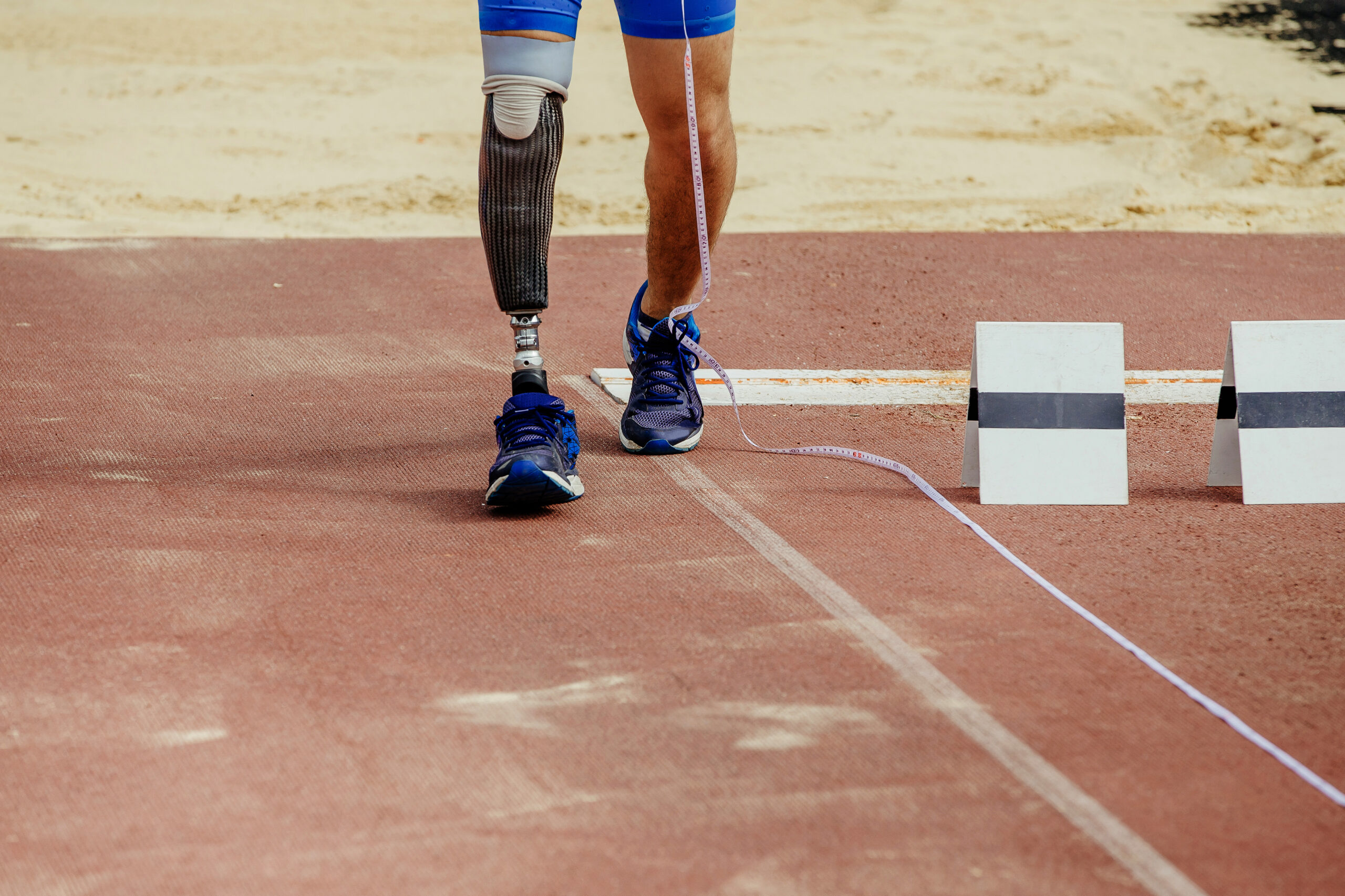
Living with a Lower-Limb Prosthesis: Tips for Daily Life
Key Highlights:
- Living with a lower-limb prosthesis involves adapting daily routines to ensure comfort, mobility, and safety.
- Regular cleaning and inspection of the prosthesis and residual limb are crucial for preventing skin issues and maintaining function.
- Choosing the right footwear and managing environmental factors like temperature and moisture can enhance comfort.
- Engaging in physical therapy and maintaining a healthy lifestyle supports mobility and overall well-being.
- Emotional and psychological support play a vital role in adapting to life with a prosthesis.
Adjusting to life with a lower-limb prosthesis can be both empowering and challenging. With the right strategies and support, individuals can navigate daily activities with confidence and independence.
Understanding Your Prosthesis
A lower-limb prosthesis is an artificial device designed to replace a missing leg or part of a leg. It aims to restore function, mobility, and appearance, allowing individuals to engage in everyday activities. Prostheses vary based on the level of amputation (e.g., below-knee, above-knee) and individual needs.
Daily Care and Maintenance
1. Cleaning and Skin Care
Proper hygiene is essential to prevent skin irritation and ensure the prosthesis functions effectively.
- Residual Limb Care: Wash your residual limb daily with mild soap and water. Avoid soaking, as it can make the skin tender. Ensure the limb is thoroughly dry before donning the prosthesis. Inspect for any signs of redness, sores, or irritation.
- Prosthesis Cleaning: Clean the socket and liner regularly as per the manufacturer’s guidelines. Avoid immersing them in water; instead, use a damp cloth with mild soap. Regular cleaning helps prevent odor and material degradation.
2. Managing Moisture and Temperature
Excessive sweating can lead to discomfort and skin issues.
- Liner Management: Use moisture-wicking liners or socks to absorb sweat. Change them as needed throughout the day.
- Temperature Control: Avoid exposing the prosthesis to extreme temperatures. Prolonged heat can damage materials, while cold can cause discomfort.
Mobility and Physical Activity
1. Walking and Gait Training
Relearning to walk with a prosthesis requires patience and practice.
- Gait Training: Work with a physical therapist to develop a natural walking pattern. Focus on posture, stride length, and balance.
- Assistive Devices: Initially, you may use crutches or a walker to aid stability. Gradually transition to walking without assistance as strength and confidence build.
2. Engaging in Physical Activities
Many individuals with lower-limb prostheses return to sports and recreational activities.
- Adaptive Equipment: Specialized prosthetic components are available for running, swimming, and other activities. Consult with your prosthetist to explore options.
- Strength Training: Incorporate exercises to strengthen the muscles around the residual limb, enhancing mobility and reducing fatigue.
Emotional and Psychological Well-being
Adapting to life with a prosthesis involves emotional adjustments.
- Support Networks: Connect with support groups or counseling services to share experiences and receive encouragement.
- Self-Image: Focus on abilities rather than limitations. Celebrate achievements and set realistic goals.
Lifestyle Adjustments
1. Home Modifications
Making your living environment accessible can improve safety and independence.
- Ramps and Rails: Install ramps and handrails where necessary to facilitate movement.
- Clear Pathways: Keep walkways free of obstacles to prevent tripping hazards.
2. Workplace Considerations
Returning to work may require some adjustments.
- Ergonomic Tools: Use adaptive equipment to perform tasks comfortably.
- Communication: Discuss any necessary accommodations with your employer to ensure a supportive work environment.
Prosthetic Care and Maintenance Tips
| Task | Recommended Action |
|---|---|
| Residual Limb Cleaning | Wash daily with mild soap and water; dry thoroughly |
| Socket and Liner Cleaning | Wipe with a damp cloth; follow the manufacturer’s guidelines |
| Moisture Management | Use moisture-wicking liners; change as needed |
| Temperature Control | Avoid extreme heat or cold exposure |
| Gait Training | Work with a physical therapist; practice regularly |
| Physical Activity | Engage in strength training; use adaptive equipment |
| Emotional Support | Join support groups; seek counseling if needed |
| Home Modifications | Install ramps; keep pathways clear |
| Workplace Adjustments | Use ergonomic tools; discuss accommodations |
Final Thoughts
Living with a lower-limb prosthesis requires a combination of proper care, physical activity, emotional support, and lifestyle adjustments. By implementing these strategies, individuals can enhance their quality of life and regain independence.
For personalized guidance and support, consider consulting the experts at Orthotics Ltd. We specialize in creating prosthetic solutions tailored to your needs. Reach out today!
Frequently Asked Questions
1. How often should I clean my prosthesis?
It’s essential to clean your prosthesis regularly, following the manufacturer’s guidelines. Daily cleaning helps prevent odor and material degradation.
2. Can I return to sports with a prosthesis?
Many individuals with lower-limb prostheses return to sports. Consult with your prosthetist to explore specialized components designed for athletic activities.
3. How can I manage sweating with my prosthesis?
Use moisture-wicking liners or socks to absorb sweat. Change them as needed throughout the day to maintain comfort.
4. Are there support groups for individuals with prostheses?
Yes, numerous support groups and online communities offer encouragement and shared experiences. Connecting with others can provide valuable emotional support.
5. What should I do if I experience discomfort or skin irritation?
If you notice redness, sores, or irritation, remove the prosthesis and inspect the area. Consult with your prosthetist or healthcare provider for advice and potential adjustments.
Sources:
- https://pmc.ncbi.nlm.nih.gov/articles/PMC6839397/
- https://ouhsc.edu/bserdac/dthompso/web/gait/pobmk/earlygt/earlygt.htm
- https://ph.health.mil/PHC%20Resource%20Library/ErgonomicOverviewExoskeletons-PotentialImpactsandFutureResearch.pdf
- https://www.ncbi.nlm.nih.gov/books/NBK310951/
- https://www.physio-pedia.com/Equipment_for_individuals_with_limb_deficiency