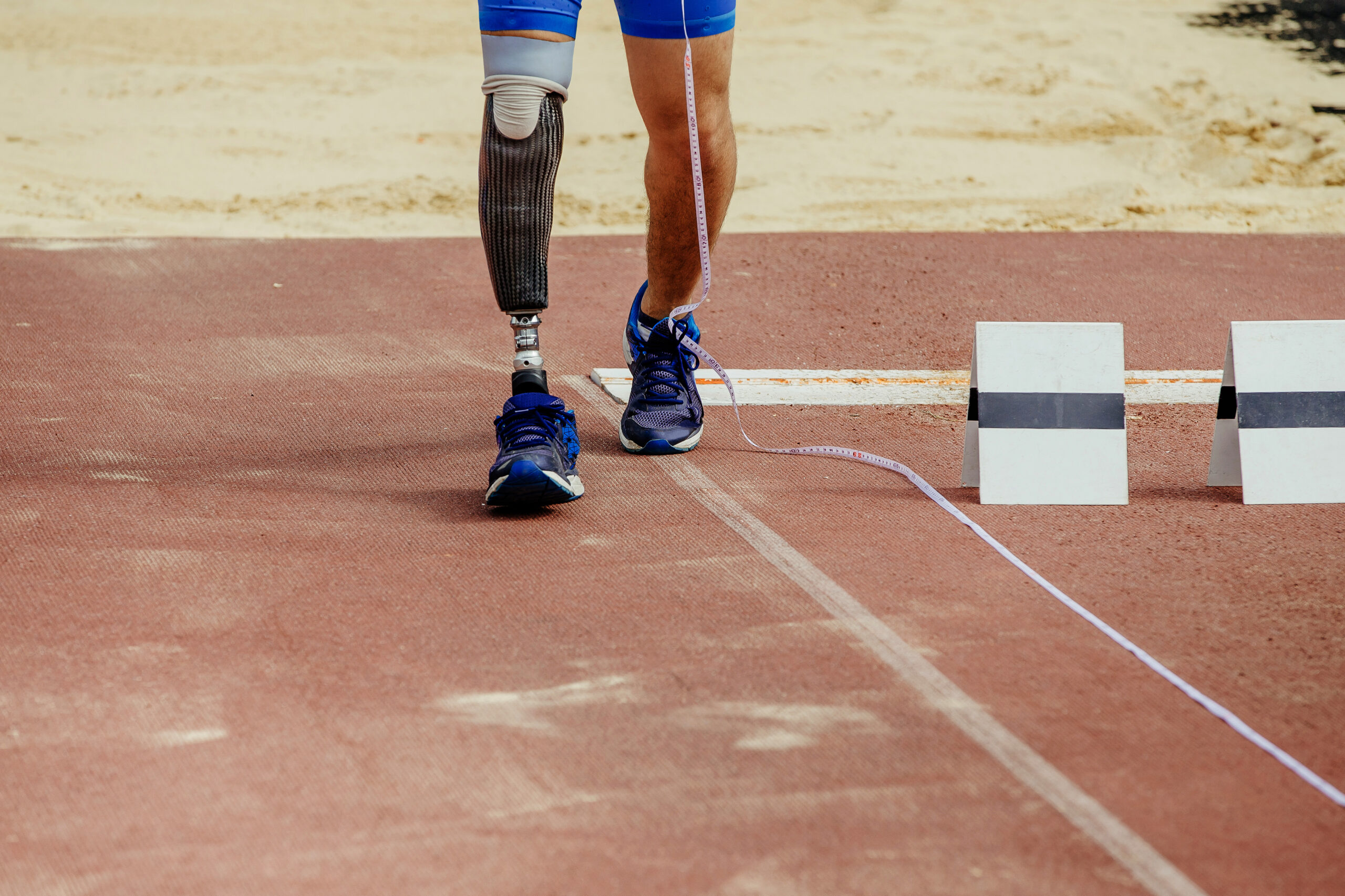
Nutrition Tips for Orthotic Users: Healthy Eating Guide
Key Highlights
- Proper nutrition plays a crucial role for orthotic users in maintaining weight, supporting healing, and enhancing mobility.
- Prioritise lean protein, high-fibre carbs, healthy fats, and hydration to promote limb health and overall function.
- Key micronutrients (such as vitamin C, D, calcium, and zinc) support skin integrity, bone strength, and wound healing.
- Weight management is particularly important for orthotic users, as excess body weight can affect socket fit and joint stress.
- Practical meal-planning, snack strategies, and adjusting calorie needs are vital parts of a sustainable nutrition plan.
If you use orthotics—or are adapting to a new orthotic device—nutrition may not be the first thing you think of. Yet your diet plays a more important role than you might realise. From the fit and comfort of your orthotic device, to your mobility, energy levels, skin and tissue health, and long-term wellness—what you eat matters. In this guide, we’ll explore nutrition tips for orthotic users: why they matter, what to prioritise, and how to put it into practice in easy, manageable steps.
Why Nutrition Matters for Orthotic Users
When you rely on an orthotic device (for example, a brace or support for lower or upper limbs), there are several physiological and practical factors at play:
- Altered body mechanics & energy expenditure: You may expend more energy walking or using a device, or you may become less active depending on your mobility level. This changes your calorie needs and body composition. For people with limb loss, studies show that weight gain or changes in lean mass/fat mass are common.
- Device fit and weight implications: For prosthetic/orthotic users, excess body weight or changes in limb volume can alter the fit of sockets or braces. One source notes that weight gain increases stress on joints and prosthetic components.
- Healing, skin, and tissue health: If you’ve had injury, surgery, or ongoing issues such as pressure areas (which are common in orthotic users), your tissue health and healing capacity matter. Nutrition supports skin, bone, soft tissue recovery, and prevention of complications.
-
Chronic disease risk: Mobility limitations that sometimes accompany orthotic use can increase the risk of cardiovascular disease, diabetes, and other metabolic issues. A nutritious diet helps mitigate these risks.
In short: food is not just fuel—it’s part of your support system for mobility, comfort, and long-term function.
Key Nutritional Goals for Orthotic Users
Here are the major nutrition priorities to consider:
1. Maintain appropriate energy (calorie) intake
Because activity levels may change with orthotic use, your calorie needs may go up (if you become more active) or down (if activity is limited). For example, one guideline for people with amputations recommends careful estimation of energy and protein needs. Keep in mind that large fluctuations in weight (especially gain) can impact device fit and joint stress.
2. Emphasise lean protein
Protein supports muscle maintenance, tissue repair, and recovery. Especially if you are adapting to new activity levels, recovering from surgery, or managing pressure areas, protein is critically important. One source recommends up to 1.25 – 2.0 g per kg body weight per day in the early phase after amputation/injury.
3. Choose high-quality carbohydrates and fibre
Whole grains, legumes, colourful vegetables, and fruits provide fuel, fibre for digestion, and support metabolic health. A focus on complex carbs rather than highly refined sugars helps stabilise energy and blood sugar levels—important if mobility is reduced.
4. Include healthy fats
Fat is necessary for the absorption of fat-soluble vitamins (A, D, E, K), hormone production, and overall health. Sources like olive oil, nuts, seeds, and fatty fish are beneficial. One article emphasises lean diets but includes healthy fats too.
5. Prioritise key micronutrients
For orthotic (and prosthetic) users, particularly, certain nutrients need special attention:
- Vitamin C and zinc: support skin health and wound healing.
- Calcium, vitamin D, vitamin K, magnesium: support bone health, especially where load is reduced (e.g., residual limb or areas under brace).
- Iron, protein: muscle and tissue repair.
6. Manage hydration and digestion
Proper hydration supports circulation, nutrient delivery, and skin health. Reduced mobility might increase the risk of constipation, so fibre + water are key.
7. Weight-management & body composition
Maintaining a healthy weight is especially important. Excess weight can increase the load on orthotic or prosthetic components, affect fit, cause discomfort, and raise the risk of secondary joint issues.
Sample Daily Nutrition Snapshot
Here’s a simplified table to illustrate how a day might look for someone who uses orthotic support:
| Meal | Key Focus | Example Foods |
|---|---|---|
| Breakfast | Lean protein + fibre + healthy fat | Scrambled eggs with spinach & mushrooms, whole-grain toast, half an avocado |
| Mid-morning snack | Quick fuel + healthy fat | Greek yoghurt with mixed berries and a handful of almonds |
| Lunch | Balanced plate – protein, carbs, veggies | Grilled chicken breast, quinoa, steamed broccoli and peppers, olive oil drizzle |
| Afternoon snack | Stabilise energy | Carrot sticks and hummus or apple slices + peanut butter |
| Dinner | Protein repair + non-starchy vegetables | Baked salmon, roasted sweet potato, mixed salad with olive oil + lemon |
| Evening snack (optional) | If needed for hunger | A small portion of cottage cheese with sliced kiwi or a few walnuts |
Plate rule reminder: For users post limb-loss or orthotic support, one guidance is: 1/4 lean protein, 1/4 whole grains/starch, and 1/2 vegetables.
Practical Tips for Implementation
Plan and portion
- Create a weekly meal plan – this reduces reliance on convenience/fast food.
- Use smaller plates or portion containers if weight management is needed.
- Batch-cook and freeze portions so you always have healthy options.
Adjust for mobility and fit
- If your activity has dropped (e.g., during rehabilitation), reduce calorie intake slightly to match.
- If you are increasing activity (for example, walking more with orthotic support), you might need additional healthy fuel to support it.
- Monitor your weight and the fit of your orthotic device/brace: if you gain weight, the device fit may change, causing discomfort or increased joint stress.
Focus on nutrient-rich snacks
- Choose snacks that combine protein + fibre + healthy fat (e.g., nut butter with whole-grain crackers, cheese + veggie sticks).
- Keep convenient, healthy snacks within reach so you’re less tempted by high-sugar, high-fat processed items.
Mind the comorbidities
- If you have conditions like diabetes, heart disease, or kidney issues, your diet may need closer tailoring (carb control, sodium restriction, etc.).
- Consult a dietitian if needed to personalise your plan.
Hydration and digestion
- Aim for water throughout the day—thirst is often mistaken for hunger.
- Increase fibre via vegetables, legumes, whole grains, and ensure mobility or gentle movement to support digestion and avoid constipation (which can be more common if mobility is reduced).
Skin, socket/brace interface, and tissue care
- Healthy skin around the residual limb or under braces/straps relies on good nutrition and hydration. Nutrients like vitamin C, zinc, protein and omega-3 fatty acids support skin resilience.
- If you experience spots of redness, pressure, or breakdown around a brace/orthotic pad, consider whether your diet and hydration might be contributing factors to slower healing.
Common Challenges and How to Overcome Them
Appetite or mobility changes
After surgery, trauma, or adjustment to orthotics, appetite may reduce, and mobility may drop. Use nutrient-dense foods (e.g., smoothies with protein, nut butters) to ensure adequate nutrition even if volume is low.
Access & preparation barriers
If you have limited mobility or fatigue, meal prep can feel overwhelming. Solutions:
- Pre-cut frozen vegetables.
- Simple one-pan meals, or healthy convenience options (but check nutrition labels for added salt/sugar).
- Use assistive devices or support (family, caregiver) for shopping/meal prep.
Weight gain or loss
- If weight increases, revisit portion sizes, reduce energy intake slightly, and increase non-exercise movement (walking, gentle activity) if feasible.
- If weight drops (and muscle is lost), increase lean protein and consider strength/resistance training (with your rehab/therapy team) alongside your diet.
Nutrient deficiencies
-
If you suspect poor intake (e.g., little variety, low fruit/veg), talk to your nutritional clinician about whether supplements are needed (while emphasising that whole food first is best).
Long-Term Nutrition for Lifelong Mobility
Your nutrition plan isn’t just for rehabilitation—it underpins lifelong mobility, comfort, and joint health. Some long-term considerations:
- Bone health: Reduced loading on a limb (or under an orthotic support) can reduce bone density over time. Adequate calcium, vitamin D, magnesium, and weight-bearing activity (as applicable) help maintain bone strength.
- Joint health: Keeping excess weight off lessens stress on joints and device interfaces.
- Metabolic health: Adopting a balanced diet early reduces the risk of diabetes, heart disease, and secondary complications.
- Adaptation & device changes: As your body changes (weight, muscle mass, mobility), you may need to adapt your diet accordingly. Regular assessment is beneficial.
Checklist: Monthly Nutrition Review for Orthotic Users
❏ Have you weighed yourself and checked for changes of ±2–3 kg?
❏ Is your orthotic/brace still fitting comfortably (no new pressure, redness, or socket discomfort)?
❏ Are you meeting your lean-protein targets (aiming for at least 1.0 g/kg if active)?
❏ Are you including 5+ servings of vegetables + 2–3 servings of fruit each day?
❏ Are you getting healthy fats (olive oil, nuts, fish) and limiting processed/ sugary foods?
❏ Are you drinking plenty of water (aiming for ~30–35 mL/kg body weight, or about 2–3 litres/day depending on size/activity)?
❏ Are you reserving high-salt, high-sugar treats for occasional, not daily?
❏ Do you have a system for prepping meals/snacks ahead of time (e.g., Sunday batch cook)?
❏ Did you talk to your health or dietitian about micronutrient status (vitamin D, calcium, zinc, etc.)?
Final Thoughts
For orthotic users, nutrition is a silent but powerful leverage point: it supports healing, mobility, comfort, device fit, and long-term wellbeing. By focusing on the right calories for your activity, emphasising lean protein, nutrient-rich carbohydrates, healthy fats and key micronutrients, you set the stage for better outcomes—not only for your body but for your relationship with your orthotic device. Balancing portion sizes, meal-planning ahead, and staying aware of your unique needs (such as activity level, mobility changes, and healing demands) allows you to keep moving forward with confidence.
If you’d like help reviewing your diet in relation to your orthotic or prosthetic journey, consider booking a nutrition consult or partnering with your rehabilitation team. And if you are working with a trusted prosthetic & orthotic provider to ensure the best fit, your nutrition plan becomes a part of that overall support strategy—because optimal nutrition and optimal device fit go hand in hand.
To explore custom orthotic and prosthetic solutions that align with your mobility goals and lifestyle, we invite you to reach out to us at Orthotics Ltd.—we’re here to support your journey, every step of the way. Reach out today!
Frequently Asked Questions
1. Do I need to eat more if I just started using an orthotic device?
Not necessarily more—what matters most is matching your calorie intake to your activity level. If you are more active (e.g., walking more), you may need extra fuel. If your mobility is reduced, you might need slightly fewer calories. It’s worth assessing with a dietitian.
2. What if I am struggling to get enough protein?
If whole-food sources are challenging, consider easier options: Greek yoghurt, cottage cheese, eggs, canned fish, protein smoothies (with minimal added sugar). Gradually increase towards your target (e.g., 1.0–1.5 g/kg if appropriate).
3. How does nutrition affect the fit of my orthotic or device?
Changes in body weight or limb volume (due to muscle loss or gain) can alter how your device fits. Excess weight can increase pressure and discomfort. A stable, healthy weight supports consistent fit and function.
4. Are supplements necessary for someone using an orthotic?
Supplements are not always necessary—and whole foods are preferred. However, if you have a known deficiency (e.g., vitamin D, iron, zinc) or are healing from surgery, a dietitian may recommend supplements. Always discuss with a professional.
5. Can poor nutrition cause skin or pressure issues under my orthotic device?
Yes. Poor nutrition (low protein, low micronutrients, dehydration) can impair skin integrity, slow healing, and increase the risk of breakdown or soreness at contact points of an orthotic. Good nutrition supports tissue health and resilience.
Sources:
- https://pmc.ncbi.nlm.nih.gov/articles/PMC6566799/
- https://www.ncbi.nlm.nih.gov/books/NBK218749/
- https://www.healthline.com/health/food-nutrition/why-is-water-important
- https://www.health.harvard.edu/pain/why-weight-matters-when-it-comes-to-joint-pain
- https://www.bone-joint.com/nutrition-tips-for-orthopedic-and-sports-recovery/