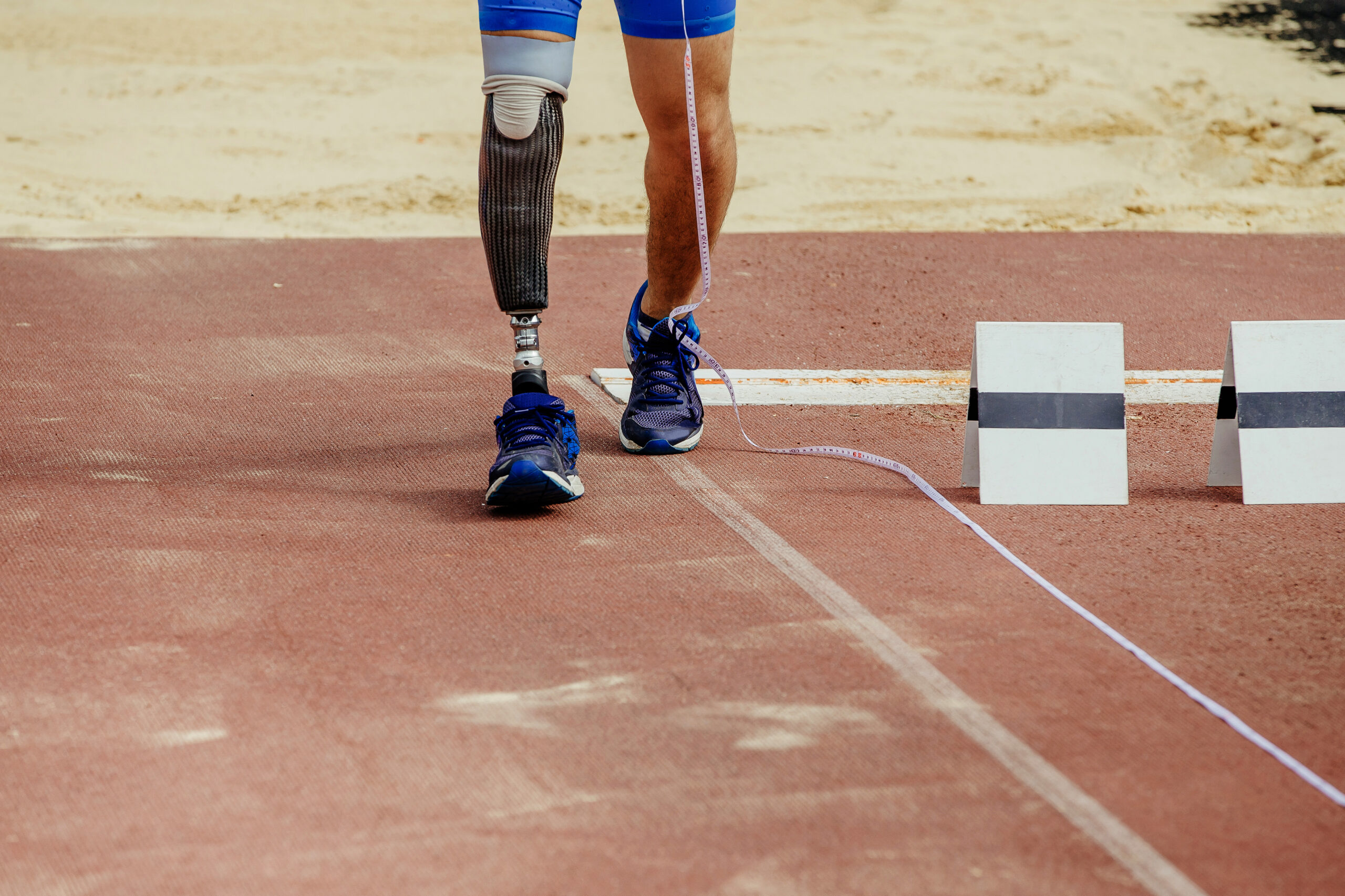
Prosthetic Accessories That Make Daily Life Easier
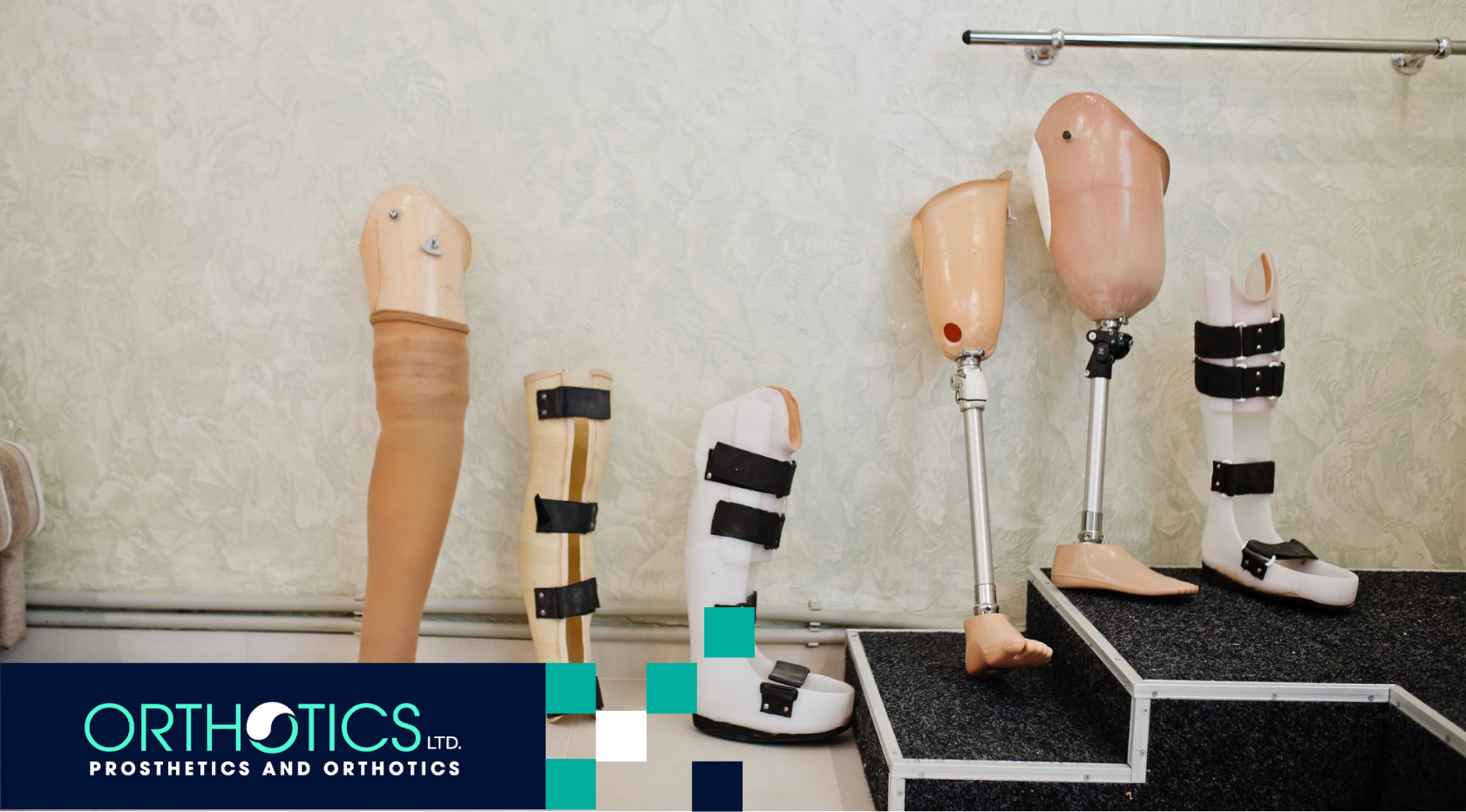
Key Highlights
- Prosthetic liners, socks, and shrinkers provide cushioning, moisture control, and help maintain a secure, comfortable fit.
- Suspension sleeves and proper donning aids make putting on and wearing a prosthesis easier and safer.
- Skin care and hygiene accessories reduce irritation, odor, and help extend the life of the prosthetic.
- Specialized accessories — like anti‑odour sprays or cleaning systems — support active lifestyles and skin health.
- Choosing the right combination of accessories improves comfort, reduces complications, and enhances independence in daily life.
Why Prosthetic Accessories Matter
For individuals using prosthetic limbs, the limb itself is only one part of the story. What often makes the difference between a prosthesis that is merely functional and one that feels like a seamless part of daily life is the accessories worn with or alongside it.
Without the right accessories, issues like skin irritation, discomfort, poor fit, sweating, or hygiene problems can make wearing a prosthetic limb a challenge. On the other hand, using the proper liners, socks, sleeves, and maintenance items can significantly improve comfort, mobility, and overall quality of life.
In this post, we’ll explore the essential prosthetic accessories that can make daily life easier — covering what they are, why they matter, and how to choose them wisely.
Essential Prosthetic Accessories for Comfort & Function
Here’s a breakdown of commonly used prosthetic accessories and how they benefit the user in everyday life.
Prosthetic Liners
What they are: Soft sleeves worn over the residual limb, inside the prosthetic socket. Usually made from materials like silicone, gel (thermoplastic elastomer), or polyurethane.
Why they matter:
- Provide cushioning and distribute pressure evenly, reducing “hot spots” or painful pressure points.
- Help protect the skin from irritation, friction, and breakdown.
- For people with sensitive or scarred skin, certain liner materials (like gel or silicone) can offer gentler, more comfortable contact.
Good to know: Liners come in different thicknesses and material grades — consult with your prosthetist to find the best match for your activity level and skin sensitivity.
Prosthetic Socks and Stump Socks
| Accessory Type | Purpose & Benefits |
|---|---|
| Prosthetic Socks | Worn over liners to adjust fit, especially when residual-limb volume changes (e.g., swelling, shrinkage). They help maintain a snug, stable prosthetic fit. |
| Stump Socks | Tubular socks (blind-ended) designed for residual limbs; they cushion sensitive skin, protect against irritation, and help with temperature regulation. |
| Compression Socks / Shrinkers | Provide gentle compression to help with swelling, shaping the residual limb for better prosthetic fit, and sometimes used post-surgery or during limb volume fluctuations. |
Why they matter: Residual limbs can change in volume over time, from swelling, weight fluctuations, or muscle atrophy. Socks and shrinkers allow users to adapt the interior fit of their prosthesis without needing a completely new socket. They also help absorb sweat, reduce irritation, and improve comfort during longer wear times.
Suspension Sleeves & Donning Aids
When wearing a prosthesis, a secure and stable connection to the residual limb is critical. Two key accessories help with that:
- Suspension Sleeves: These are worn over the socket (or liner + socket) and help “seal” the prosthesis to the limb so it stays secure during movement. Proper suspension helps prevent slipping, pistoning (up-and-down movement), and loss of control.
- Donning Aids (e.g., Lubricants, Donning Tubes): These make it easier to pull on liners, socks, shrinkers, or sleeves — especially useful when sweat or a tight fit makes dressing difficult.
These accessories make the daily process of putting on and taking off your prosthesis easier, quicker, and safer — enabling independence and reducing frustration.
Skin Care, Hygiene & Maintenance Accessories
Because prosthetics interface directly with skin, the right care routine and supplies are essential:
- Gentle Cleansers & Antibacterial Soap: Helps keep the skin and residual limb clean, reduces odor, and prevents irritation or infection.
- Antiperspirants / Antodor Sprays: Wearing a prosthesis can lead to sweating, which may cause slipping, discomfort, or odor. Specialized antiperspirants help manage moisture and improve prosthetic fit and comfort.
- Skin Lotions / Moisturizers: For those with dry or sensitive skin, hypoallergenic lotions can help prevent dryness, cracking, or irritation under liners.
Regular maintenance — cleaning liners/sockets, keeping skin healthy, and managing moisture — helps prolong the life of the prosthesis and ensures daily comfort.
How to Choose the Right Accessories: Factors to Consider
Because every amputee’s body, lifestyle, and residual limb are different, what works for one person might not work for another. Here are key factors to think about when selecting accessories:
- Activity Level: Daily life activities (walking around the house, work, sports, etc.) will determine whether you need basic comfort liners or high-performance liners with secure suspension.
- Skin Sensitivity / Limb Condition: If skin is sensitive, scarred, or prone to irritation, go for soft silicone or gel liners, moisture-wicking socks, and hypoallergenic products.
- Climate & Sweat: In hot or humid climates, moisture-wicking socks, antiperspirants, and breathable liners become more important.
- Volume Fluctuation of Residual Limb: Daily swelling or shrinking means you may need multiple sock thicknesses or adjustable liners/sockets.
- Ease of Use: If bending, sliding, or pulling on tight sleeves is difficult (e.g., due to limited mobility or arthritis), use donning aids, lubricant, or easier sleeve systems.
It’s often a process of trial and error — working with your prosthetist or orthotist to fine‑tune the combination that feels most natural and comfortable.
Beyond Basics: Additional Accessories & Lifestyle Enhancements
While the accessories above cover comfort, fit, and hygiene, other tools and lifestyle adaptations can further simplify daily life with a prosthesis. Some of these include:
- Custom-made cosmetic covers or sleeves: These can help conceal the prosthesis or make it look more natural, which for many users translates to improved self-confidence and social comfort.
- Home & environment adaptations: For users with mobility challenges — lowering countertops, using pull-out drawers, motion-sensor lights, anti-fatigue mats — these changes make everyday tasks like cooking or cleaning easier.
- Assistive devices and smart home tech: Voice‑activated lights, smart locks, or adaptive kitchen appliances can reduce the need for precise grip or manual dexterity — especially helpful for upper‑limb prosthetic users.
By combining prosthetic accessories with environmental adaptations, users often find that their daily routines become significantly more manageable and less physically taxing.
Typical Prosthetic Accessories & Their Purpose
| Accessory | Primary Function |
|---|---|
| Prosthetic Liner (silicone/gel/polyurethane) | Cushioning, pressure distribution, skin protection |
| Prosthetic / Stump Socks / Shrinkers | Adjust fit, manage limb volume changes, improve comfort |
| Suspension Sleeves | Keep the prosthesis securely attached, and prevent slipping |
| Donning Aids (lubricants, tubes) | Facilitate easier dressing/donning of the prosthesis |
| Antiperspirant / Antiodour Sprays | Manage sweat, prevent odor, improve suspension stability |
| Cleansers, hypoallergenic lotions | Maintain skin hygiene and health, reduce irritation |
| Cosmetic Covers / Custom Sleeves | Improve appearance, psychological comfort, and self‑expression |
| Environmental adaptations & assistive tech | Ease daily tasks, improve independence, reduce strain |
Tips for Establishing a Comfortable, Practical Prosthetic Routine
- Start simple — and build gradually. Begin with a basic gel or silicone liner, one or two socks (thin + thick), and a gentle cleanser. Over a few weeks, assess comfort, fit, and skin response before adding more accessories.
- Keep spares on hand. Having extra socks, liners, or sleeves allows you to switch quickly when your limb volume changes — avoiding discomfort or poor fit.
- Maintain hygiene — daily. Clean your limb, liner, and socket regularly with gentle, non-irritating soap or cleanser; moisturize if skin is dry.
- Adjust for activity and climate. On hotter days or during exercise, use moisture-wicking socks and antiperspirant; for sensitive skin or long wear, use softer liners and skin‑care products.
- Work with a prosthetist/orthotist. Regular check‑ups help ensure proper fit and let professionals recommend the best combination of accessories for your lifestyle, residual-limb condition, and daily needs.
Final Thoughts
In daily life after limb loss, comfort, confidence, and independence often come less from the prosthetic limb itself — and more from the accessories and routines that support it. Whether through liners, socks, hygiene products, or donning aids: choosing the right accessories makes a real difference.
If you’re considering building a prosthetic kit or upgrading your current setup, feel free to reach out to Orthotics Ltd. We can guide you toward the right accessories for your needs. Contact us today!
Frequently Asked Questions
1. How often should I change socks or liners for my prosthetic limb?
It depends on your activity level, climate, and how much you sweat. Some users may change daily or every other day; others may change socks more often during hot weather. If you notice odor, excessive moisture, or skin irritation, it’s a good sign to change socks or a liner.
2. Can I use regular socks instead of prosthetic socks?
It’s not recommended. Regular socks don’t provide the same cushioning, volume adjustment, or moisture-wicking properties that prosthetic socks offer. Prosthetic socks are specifically designed to conform to the shape of a residual limb and interface properly with a liner and socket.
3. I have sensitive skin — what should I look for when choosing a liner?
Look for liners made from soft materials like silicone or gel. Hypoallergenic liners, compression sleeves, and moisture-wicking socks can also help. Moisturizing skin lotions (non‑perfumed, gentle) and frequent hygiene help prevent dryness or irritation.
4. What happens if the residual limb volume changes — for example, swelling or shrinkage?
That’s where adjustable accessories matter. Prosthetic socks of varying ply, shrinkers, or interim liners can help fill in gaps or reduce tightness. Regular check‑ups with your prosthetist are important to ensure proper fit and comfort.
5. Are there accessories that make taking off and putting on a prosthesis easier?
Yes. Donning aids (like lubricant sprays or donning tubes) make sliding liners, socks, or sleeves on easier. Suspension sleeves help secure the prosthesis, and well-fitted liners reduce friction, making the process smoother.
Sources:
- https://www.merckmanuals.com/home/special-subjects/limb-prosthetics/prosthesis-parts
- https://my.clevelandclinic.org/health/treatments/prosthesis
- https://pmc.ncbi.nlm.nih.gov/articles/PMC6425736/
- https://news.mit.edu/2024/prosthesis-helps-people-with-amputation-walk-naturally-0701
- https://pmc.ncbi.nlm.nih.gov/articles/PMC12042526/