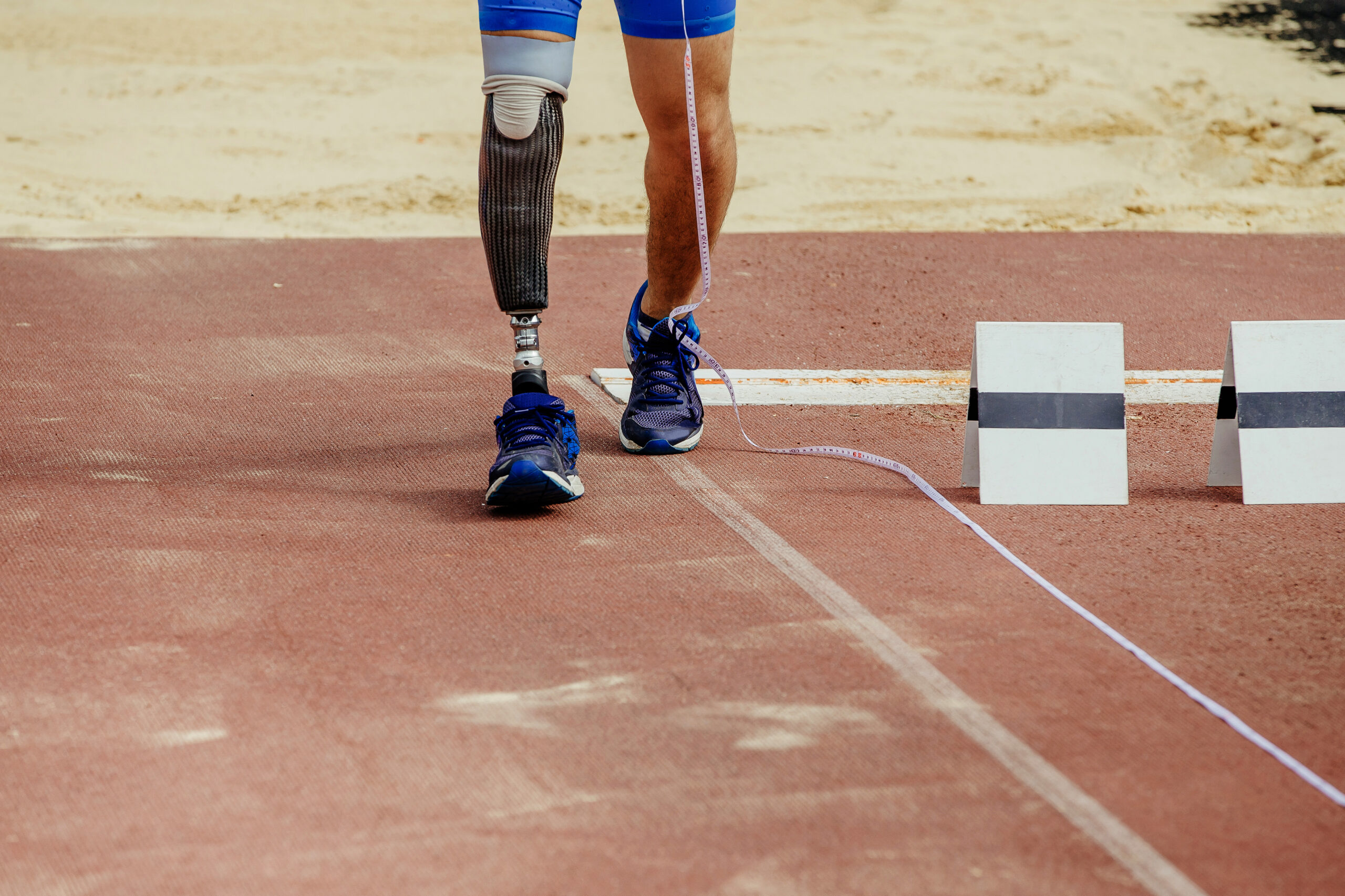
Prosthetic Options for Bilateral Amputees
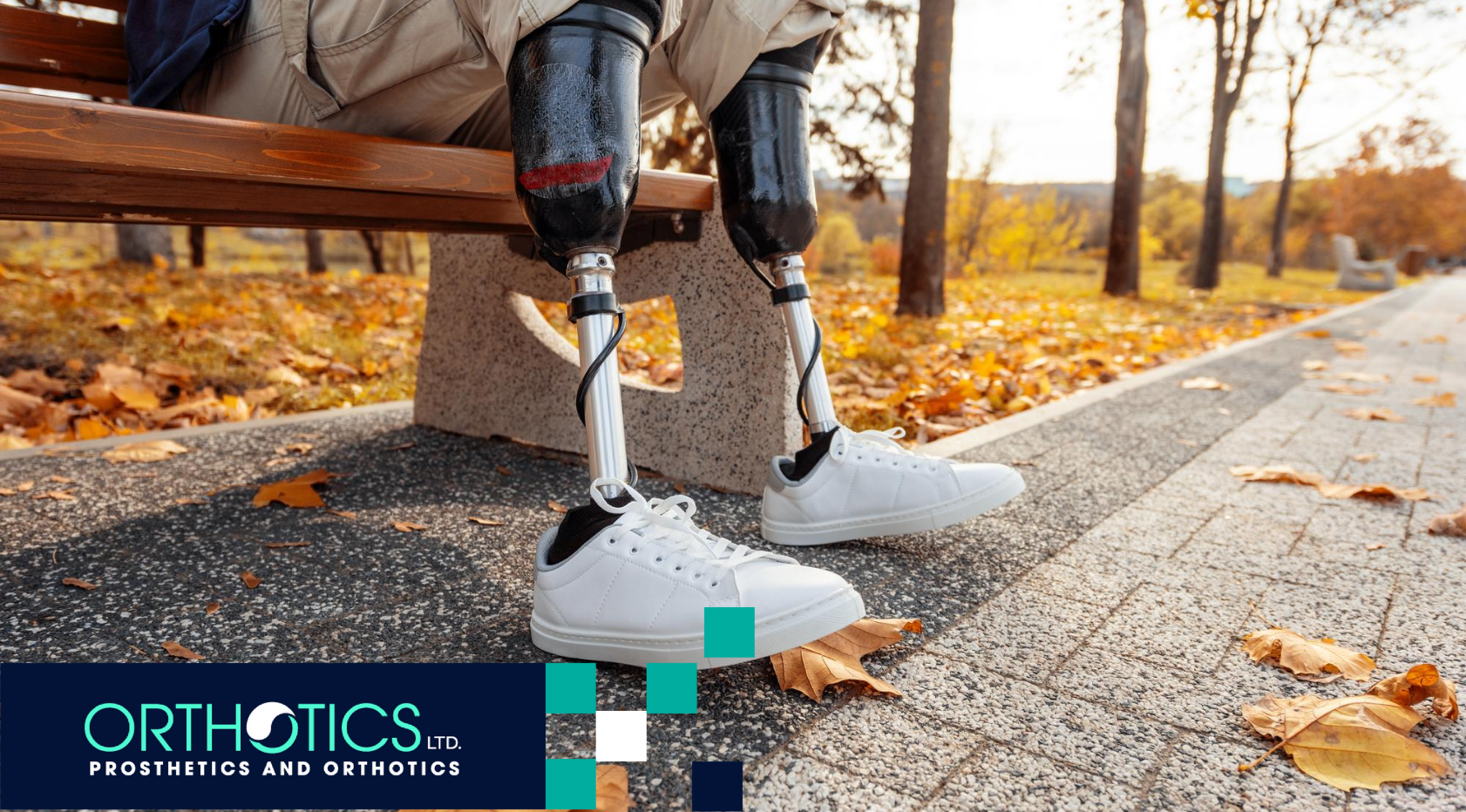
Key Highlights
- Bilateral limb loss refers to losing both arms, both legs, or a combination, and requires specialized prosthetic solutions.
- Prosthetic options include: Bilateral upper-limb prosthetics, Bilateral lower-limb prosthetics, and Combination prosthetics.
- Factors to consider when choosing prosthetics: activity level, comfort and fit, weight and durability, technology preference, lifestyle needs, and rehabilitation support.
- Benefits of bilateral prosthetics: restored mobility, improved independence, enhanced balance and safety, greater confidence, and the ability to engage in sports or hobbies.
- Rehabilitation and training are essential for balance, coordination, and performing daily tasks with confidence.
- Maintenance tips: clean regularly, inspect for wear, schedule checkups, replace worn parts, and protect from damage.
- Advances in customized and technology-driven prosthetics now make it possible for bilateral amputees to regain function, comfort, and a higher quality of life.
Living with bilateral limb loss presents unique challenges, both physically and emotionally. Unlike single-limb amputees, individuals with bilateral limb loss require specialized solutions to regain mobility, independence, and quality of life. Modern advancements in prosthetics have opened doors to a wide range of bilateral prosthetics that can be customized to meet individual needs.
This guide explores the most effective double amputation prosthetic options, their benefits, and factors to consider when choosing the right prosthetic solution.
Understanding Bilateral Limb Loss
Bilateral limb loss refers to the loss of limbs on both sides of the body. This can involve:
- Bilateral upper-limb loss: Both arms or hands
- Bilateral lower-limb loss: Both legs or feet
- Combination loss: One arm and one leg
The causes of bilateral limb loss vary widely and may include trauma, medical conditions such as diabetes or peripheral vascular disease, infections, or congenital limb deficiencies.
Unlike single-limb amputees, bilateral amputees face unique challenges such as:
- Maintaining balance and mobility
- Performing daily tasks independently
- Coordinating movement without natural support from the missing limb(s)
Choosing the right bilateral prosthetics is critical for addressing these challenges and improving overall quality of life.
Double Amputation Prosthetic Options
Modern double amputation prosthetic options are designed to restore function, comfort, and mobility. Here’s an overview of the main types:
1. Bilateral Upper-Limb Prosthetics
Bilateral upper-limb prosthetics help restore the ability to perform daily tasks such as eating, dressing, and typing. Options include:
- Body-powered prosthetics: Operated using harnesses and cables, allowing basic movement and grip.
- Myoelectric prosthetics: Use electrical signals from remaining muscles to control movement, offering more natural motion.
- Hybrid prosthetics: Combine body-powered and myoelectric components for specific needs.
Key considerations:
- Weight and comfort are crucial since both arms are fitted.
- Training and occupational therapy are essential for optimal use.
2. Bilateral Lower-Limb Prosthetics
For bilateral lower-limb amputees, prosthetics restore walking ability, balance, and independence. Options include:
- Conventional prosthetic legs: Durable and reliable for everyday activities.
- Microprocessor knees: Advanced joints that adjust in real-time for smoother gait and stability.
- Energy-storing feet: Provide propulsion and shock absorption for more natural walking.
- Socket and liner systems: Custom-fit to prevent discomfort and pressure sores.
Key considerations:
- Balance and coordination training is critical for safety.
- High-activity users may benefit from specialized sport prosthetics.
3. Combination Prosthetics
Some bilateral amputees may require both upper- and lower-limb prosthetics. Coordinating multiple prosthetics can be complex, but modern customization allows:
- Full-body mobility solutions
- Task-specific prosthetics (e.g., one prosthetic optimized for sports, one for daily use)
- Integration with adaptive devices and assistive technology
Factors to Consider When Choosing Bilateral Prosthetics
Choosing the right bilateral prosthetics involves evaluating several key factors:
| Factor | Description |
|---|---|
| Activity level | Determines type of prosthetic components (e.g., energy-storing feet, sport-oriented arms) |
| Comfort and fit | Custom sockets and liners reduce pressure, skin irritation, and discomfort |
| Weight and durability | Lightweight materials reduce fatigue; durable components withstand daily use |
| Technology preference | Myoelectric vs. body-powered, microprocessor knees vs. conventional knees |
| Lifestyle needs | Work, hobbies, or sports influence design and customization options |
| Training and rehabilitation | Occupational and physical therapy support proper usage and independence |
A prosthetist will evaluate these factors to design a solution that maximizes functionality and comfort for each individual.
Benefits of Bilateral Prosthetics
Double amputation prosthetic options offer numerous benefits, including:
- Restored mobility and independence
- Improved ability to perform daily activities
- Enhanced balance and safety
- Greater confidence and quality of life
- Opportunities to engage in sports or hobbies
Modern bilateral prosthetics are lightweight, durable, and often customizable for both aesthetic and functional purposes, helping amputees regain a sense of normalcy.
Rehabilitation and Training
Successful use of bilateral prosthetics requires more than just fitting the device. Rehabilitation and training are essential to:
- Learn to walk, balance, and coordinate movements
- Perform daily tasks safely and efficiently
- Adjust to changes in weight, strength, and limb volume
- Build strength, endurance, and confidence
Physical and occupational therapists play a critical role in helping bilateral amputees adapt to their prosthetics and achieve their goals.
Tips for Maintaining Bilateral Prosthetics
Proper care and maintenance are crucial to extend the lifespan of bilateral prosthetics:
- Regular cleaning: Clean sockets, liners, and joints daily to prevent infection and wear.
- Routine inspections: Check for cracks, frayed cables, or loose connections.
- Scheduled checkups: Prosthetists can adjust alignment, fit, and function as needed.
- Replacement of worn parts: Timely replacement prevents discomfort and performance issues.
- Storage and handling: Protect your prosthetics from extreme temperatures and moisture.
Final Thoughts
Navigating bilateral limb loss can be challenging, but advances in bilateral prosthetics and double amputation prosthetic options provide solutions that restore mobility, independence, and confidence. Choosing the right prosthetic involves assessing activity level, comfort, technology, and lifestyle needs.
For personalized guidance and expert care, Orthotics Ltd. specializes in creating custom prosthetics for bilateral amputees. Our team can help design solutions that meet your unique needs, ensuring comfort, functionality, and a better quality of life. Reach out today!
Frequently Asked Questions
1. How long do bilateral prosthetics last?
Lifespan varies by type and activity level. Socket liners may need replacement every 6–12 months, while components like feet and knees can last 3–7 years.
2. Can I get prosthetics for both upper and lower limbs?
Yes, many amputees use a combination of upper- and lower-limb prosthetics tailored to their lifestyle and activity needs.
3. Are bilateral prosthetics covered by insurance?
Many insurance plans cover medically necessary prosthetics, including double amputation prosthetic options. Coverage varies, so consult your provider.
4. Is training necessary for bilateral prosthetics?
Absolutely. Physical and occupational therapy help users adapt, improve mobility, and perform daily activities safely.
5. Can modern prosthetics improve my quality of life?
Yes, advances in bilateral prosthetics technology allow for greater mobility, independence, and engagement in work, sports, and hobbies.
Sources:
- https://www.sciencedirect.com/science/article/pii/S0030589820321441
- https://www.health.mil/Reference-Center/Publications/2022/03/17/Bil-TFA
- https://pmc.ncbi.nlm.nih.gov/articles/PMC8694273/
- https://pmc.ncbi.nlm.nih.gov/articles/PMC4469379/
- https://www.webmd.com/a-to-z-guides/using-prosthetic-limbs