Prosthetics and Physical Fitness: Exercise Tips for Amputees
Key Highlights
- Regular exercise boosts physical health, balance, and emotional well-being for amputees.
- Amputee workouts should be tailored to fitness goals, amputation level, and prosthetic type.
- Start slowly, focusing on flexibility, strength, and balance before progressing.
- The right prosthetic leg design can improve mobility for sports and daily activities.
- Work with a prosthetist and physiotherapist to create a safe, effective training plan.
Physical activity is essential for overall health, and amputees can benefit just as much, if not more, than anyone else from regular movement. Whether you’re new to a prosthetic or have been using one for years, the right workouts can help improve balance, strength, and confidence. This prosthetic fitness guide will cover safe and effective ways to exercise, focusing on amputee workouts and strategies for exercise with a prosthetic leg.
Why Exercise Is Crucial for Amputees
For amputees, regular physical activity goes beyond appearance or general health—it’s about functionality and independence. Benefits include:
- Improved Balance and Coordination: Strengthening stabilizing muscles helps you move confidently.
- Better Cardiovascular Health: Amputees are at higher risk for heart conditions, making regular cardio vital.
- Reduced Risk of Secondary Injuries: Exercise can prevent overuse injuries in the remaining limb and back.
- Enhanced Mental Health: Endorphins from physical activity improve mood and reduce stress.
Getting Started: Safety First
Before starting any exercise routine:
- Consult Your Doctor and Prosthetist: They can confirm your readiness and suggest any modifications.
- Check Your Prosthetic Fit: Poor fit can cause discomfort, skin irritation, or injury during workouts.
- Warm Up and Cool Down: Stretching before and after prevents stiffness and improves range of motion.
Best Types of Exercise for Amputees
Different workouts offer unique benefits. Here’s a breakdown:
| Exercise Type | Benefits | Examples |
|---|---|---|
| Strength Training | Builds muscle to support prosthetic use | Resistance bands, dumbbell curls, squats, leg presses |
| Cardio Workouts | Improves endurance and heart health | Walking, cycling, swimming, rowing |
| Balance Training | Reduces fall risk and improves stability | Single-leg stands, stability ball exercises |
| Flexibility Workouts | Increases range of motion and reduces injury risk | Yoga, Pilates, dynamic stretching |
| Sport-Specific Drills | Prepares for specific activities like running or basketball | Sprint intervals, agility ladder, ball handling drills |
Amputee Workouts for Lower Limb Prosthetic Users
If you use a prosthetic leg, your exercise program should include:
1. Strength Training
- Focus on hips, core, and glutes for better stability.
Example: Glute bridges, step-ups, seated leg presses.
2. Balance Exercises
- Use a balance board or perform single-leg stance drills.
3. Cardio Workouts
- Walking and cycling are excellent low-impact choices.
4. Agility Drills
- For active amputees, agility ladder exercises can enhance coordination.
Exercise with a Prosthetic Leg: Tips for Success
- Start with Low Impact: Gradually build intensity to avoid injury.
- Monitor Your Skin: Check for redness or sores after workouts.
- Hydration Matters: Staying hydrated helps with muscle recovery.
- Adjust as Needed: If an exercise feels awkward or causes pain, modify or skip it.
Upper Limb Amputee Fitness Considerations
While this guide focuses on exercise with a prosthetic leg, upper limb amputees also benefit from a tailored approach:
- Core Strength: Crucial for balance during daily activities.
- Lower Body Strength: Maintains mobility and independence.
- Adaptive Equipment: Resistance bands, TRX straps, and modified gym machines can make workouts more accessible.
Prosthetic Fitness Guide: Sports and Recreation
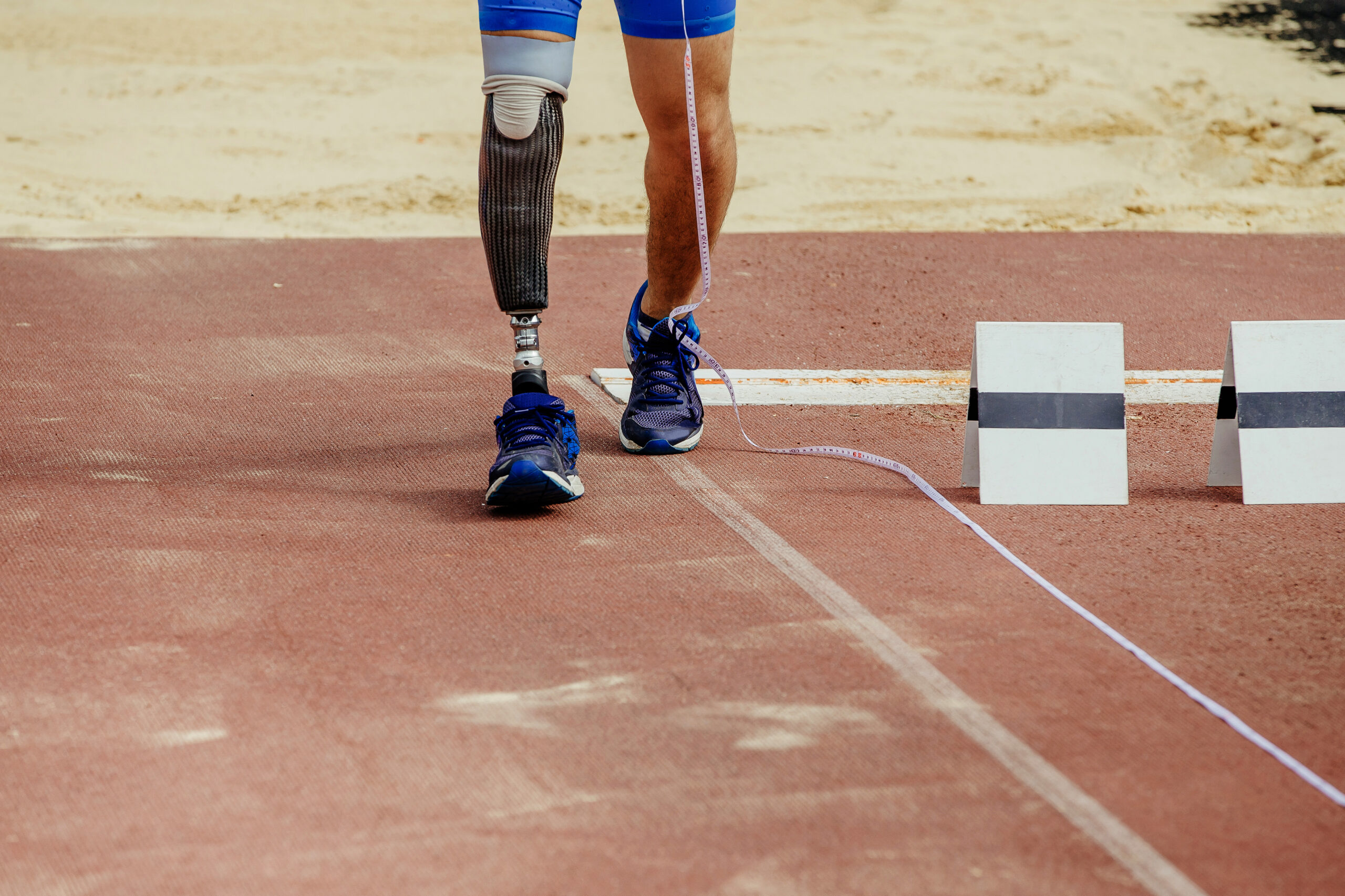
Many amputees excel in sports, from swimming to running marathons, thanks to advanced prosthetic technology.
Popular Sports for Amputees
- Running: Requires a sport-specific prosthetic leg for optimal performance.
- Swimming: Great low-impact cardio; some amputees swim without their prosthesis.
- Cycling: Builds endurance while minimizing stress on joints.
- Adaptive Team Sports: Wheelchair basketball, amputee soccer, and sled hockey offer competitive options.
Staying Motivated
Long-term success in any fitness routine requires motivation:
- Set Realistic Goals: Start with achievable milestones.
- Join Support Groups: Exercising with other amputees can boost morale.
- Celebrate Progress: Track improvements in endurance, strength, and mobility.
Common Challenges and How to Overcome Them
| Challenge | Solution |
|---|---|
| Skin irritation | Adjust prosthetic fit; use padding or liners. |
| Fatigue | Gradually increase workout duration and intensity. |
| Limited range of motion | Include flexibility training in your routine. |
| Lack of motivation | Work out with a friend or join an amputee sports group. |
Working with Professionals
A team approach ensures safety and efficiency:
- Prosthetists: Adjust your device for optimal movement.
- Physiotherapists: Guide safe exercise techniques.
- Trainers with Adaptive Experience: Customize workouts for your needs.
Final Thoughts
Exercise is a powerful tool for maintaining strength, improving mobility, and enhancing the quality of life for amputees. Whether you’re looking for gentle stretching or competitive sports, the right combination of workouts can help you thrive.
At Orthotics Ltd., we provide expert guidance and advanced prosthetic solutions to help you live an active, confident life. Our specialists ensure your prosthetic fits perfectly for comfort and performance, whether your goal is walking, running, or conquering the gym. Contact us today!
Frequently Asked Questions
1. Can I lift weights with a prosthetic leg?
Yes. Strength training is highly beneficial, but start with lighter weights and focus on form to avoid strain.
2. How often should amputees exercise?
Most amputees benefit from 3–5 sessions per week, including a mix of strength, cardio, and flexibility training.
3. Do I need a special prosthetic leg for sports?
While some activities can be done with a standard prosthetic leg, high-impact sports often require specialized designs for safety and performance.
Sources:
- https://pmc.ncbi.nlm.nih.gov/articles/PMC9761262/
- https://pmc.ncbi.nlm.nih.gov/articles/PMC9662061/
- https://pmc.ncbi.nlm.nih.gov/articles/PMC6234608/
- https://sportable.org/rediscovering-competitive-sports-after-amputation/
- https://www.physio-pedia.com/Equipment_for_individuals_with_limb_deficiency