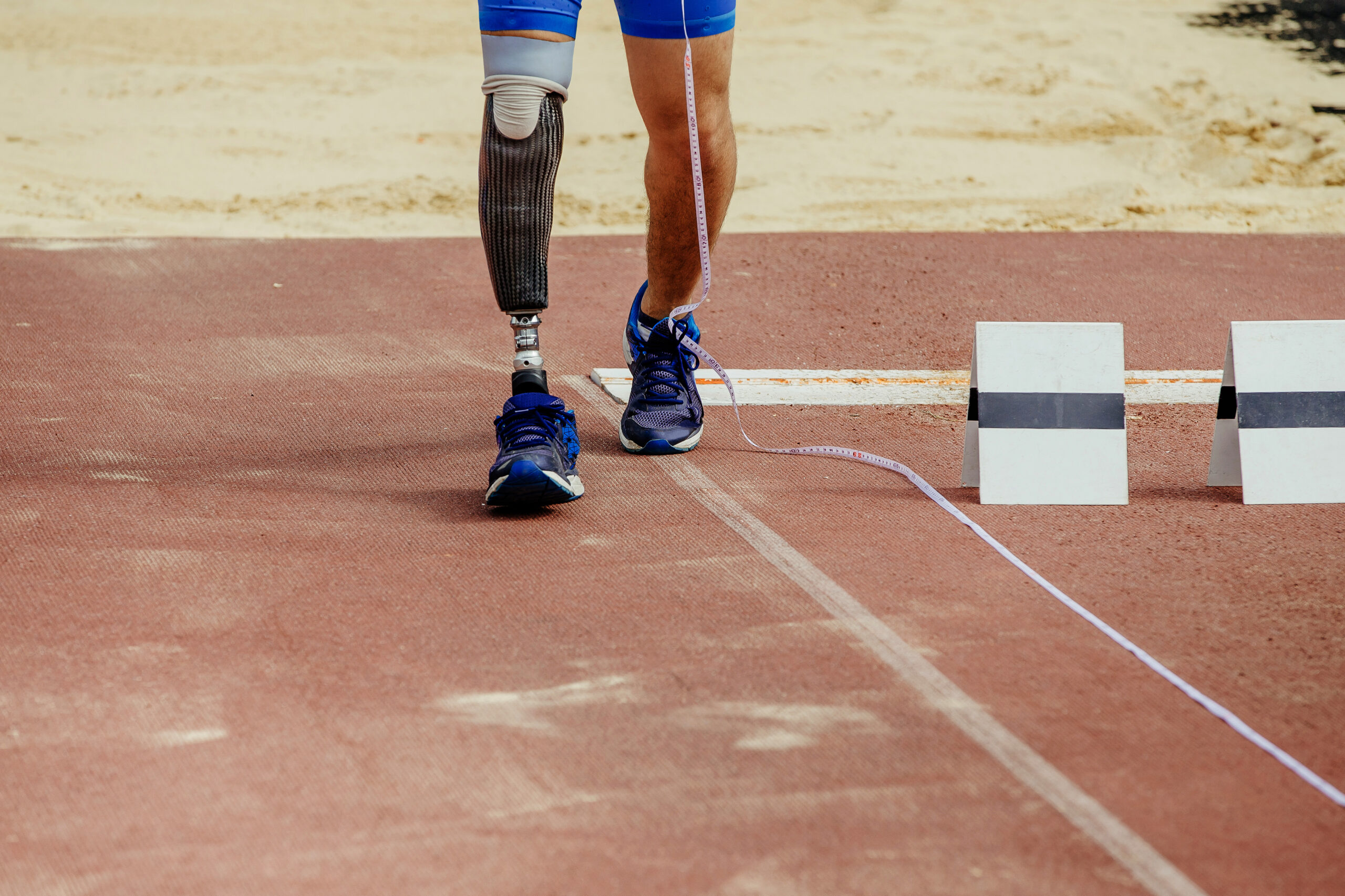
Prosthetics for Teens: Balancing Style, Sports, and School Life
Key Highlights
- Teen amputee prosthetics must support growth, activity, and personal identity
- Youth prosthetic limbs are designed for comfort, durability, and aesthetics
- Teens need adaptable prosthetics for sports, school, and social activities
- Stylish and customizable prosthetics help build confidence
- Regular fittings ensure safe use during physical and developmental changes
Teenagers with limb differences face a unique set of challenges—balancing school, friendships, physical activity, and the need to express their identity. Fortunately, modern prosthetics for teenagers are designed not only for function, but also for style, self-expression, and adaptability.
Whether running in gym class, attending prom, or navigating a growth spurt, teen amputee prosthetics are essential tools in helping young people live actively and confidently.
In this article, we’ll explore how youth prosthetic limbs are tailored to the evolving lives of teens, and how advancements in design and technology help them thrive in all areas of life.
The Needs of Teen Amputees: A Balancing Act
Teenagers aren’t just small adults—they’re rapidly growing individuals with physical, emotional, and social needs that change quickly. For this reason, prosthetics for teenagers must be more flexible and adaptable than most adult devices.
Common Challenges:
- Growth spurts that change limb shape or length
- Active lifestyles involving sports, dance, or play
- Peer pressure and self-consciousness about appearance
- Emotional ups and downs related to self-esteem and identity
A well-fitted, stylish, and functional prosthesis can make a massive difference in a teen’s daily experience.
Key Features of Teen Amputee Prosthetics
Here are the critical considerations when designing or choosing a prosthesis for a teen:
| Category | What Matters Most |
|---|---|
| Fit & Comfort | Must accommodate growth and provide all-day wearability |
| Durability | Should handle active lifestyles and occasional rough use |
| Adjustability | Modular or easy-to-modify components allow for fast changes |
| Style & Expression | Teens may want to personalize the color, cover, or design |
| Functionality | Compatible with both school activities and recreational sports |
| Social Acceptance | Design that helps teens feel confident around peers |
Youth Prosthetic Limbs: Designed for Development
Youth prosthetic limbs are developed specifically with growing bodies in mind. These devices are lightweight, easy to adjust, and built to transition alongside the teen’s growth.
Types of Prosthetics for Teenagers:
- Upper-Limb Prosthetics: for writing, lifting, or self-care
- Lower-Limb Prosthetics: for walking, running, or dancing
- Activity-Specific Prosthetics: for sports or hobbies like swimming or rock climbing
- Cosmetic Covers: to help with self-image and style
Balancing School Life with Prosthetic Use
From early morning classes to after-school clubs, teens are constantly on the move. School can present both physical and emotional hurdles for teens using prosthetics.
School Considerations:
- Mobility: Walking across campus, using stairs, and moving through crowded hallways
- Comfort: Sitting for long periods or participating in gym class
- Convenience: Prosthetics should be easy to adjust throughout the day
- Confidence: Peer perception plays a big role in self-esteem
Encouraging open conversations between teens, teachers, and parents helps create a more supportive and understanding school environment.
Style Matters: Personalizing the Prosthesis
For many teenagers, how they look matters. Prosthetics that allow self-expression can improve confidence and reduce stigma. Fortunately, modern teen amputee prosthetics offer many aesthetic options.
Personalization Options:
- Bold colors, patterns, or artwork
- Transparent or matte finishes
- Interchangeable covers for different looks
- Stickers, decals, or 3D-printed accessories
Letting teens co-create the design of their prosthesis helps them feel ownership and pride in their device.
Teen Prosthetics and Sports Participation
Teens often love to be active—whether it’s playing sports competitively or just staying in motion with friends. Youth prosthetic limbs must withstand high-impact activity while remaining comfortable and safe.
| Sport/Activity | Recommended Prosthetic Feature |
|---|---|
| Running | Energy-return foot with shock absorption |
| Swimming | Waterproof and corrosion-resistant materials |
| Basketball/Soccer | High-stability suspension systems to prevent shifting |
| Dancing/Gymnastics | Lightweight limbs with high flexibility and range of motion |
Custom sockets and adjustable components ensure a secure fit during intense movement.
The Role of Peer Support and Social Belonging
Teens may worry about standing out or being treated differently. Social connection and peer acceptance are crucial. When prosthetics are visible, teens may face curiosity or awkward questions. This is where education and support groups can make a major difference.
Ways to Support Social Integration:
- Peer education programs in schools
- Mentorships with other teen amputees
- Participation in inclusive sports leagues
- Support groups or online communities
Feeling seen, understood, and supported can empower teens to fully embrace their prosthetic.
Emotional and Mental Health: Confidence Through Capability
Being a teenager is hard enough—adding a limb difference can complicate body image, confidence, and emotional health. But the right prosthetics for teenagers can help build resilience by enabling independence and self-expression.
Emotional Benefits of Well-Made Prosthetics:
- Increased independence in daily activities
- More willingness to socialize or participate
- Boosted confidence during critical years of identity development
- Reduced anxiety about mobility limitations
Maintenance, Growth, and Adjustments
Because teens grow quickly, their prosthetics must keep up. Regular visits to a prosthetist are essential for ensuring safety and comfort.
Signs It’s Time for an Adjustment:
- Complaints of pressure, pain, or blisters
- Changes in gait or posture
- Difficulty putting on or removing the prosthetic
- Lower activity levels due to discomfort
Teens typically need new sockets or component adjustments every 6–12 months, depending on their growth and activity levels.
Tips for Parents of Teen Amputees
Supporting a teen with a prosthetic involves a combination of emotional, logistical, and practical support.
How Parents Can Help:
- Encourage your teen to be part of the design and decision-making
- Normalize prosthetic use by emphasizing strengths and independence
- Keep a close eye on changes in behavior that may indicate discomfort
- Coordinate regular appointments with their prosthetist
- Be an advocate at school and in extracurricular settings
Empowering your teen to manage their care is one of the best ways to help them gain independence and confidence.
The Role of Prosthetists in Teen Care
A skilled prosthetist understands that teen care requires flexibility, creativity, and empathy. They must listen to both the teen and their caregivers while making recommendations that meet medical, physical, and emotional needs.
Orthotics Ltd. has decades of experience supporting children and teens through the prosthetic journey. Our team designs durable, stylish, and high-performance teen amputee prosthetics and youth prosthetic limbs that help young people thrive at school, in sports, and in life. Reach out today!
Frequently Asked Questions
1. How often should a teen’s prosthetic be replaced or adjusted?
Teen prosthetics may need adjustment or replacement every 6–12 months due to growth. Regular check-ins with a prosthetist are essential to ensure a safe and comfortable fit.
2. Can teens customize the look of their prosthetic limb?
Yes! Many prosthetic systems offer customizable covers, colors, and decals. Teens can personalize their prosthetics to match their unique style and personality.
3. Are there different prosthetics for sports and everyday use?
Yes. Teens who participate in sports may benefit from activity-specific prosthetic limbs in addition to their daily-use device for maximum performance and safety.
Sources:
- https://pubmed.ncbi.nlm.nih.gov/11488061/
- https://www.sciencedirect.com/science/article/pii/S2768276524003031
- https://www.sciencedirect.com/science/article/abs/pii/S1934148214003013
- https://biology.ucdavis.edu/news/improving-prosthetic-limbs-children