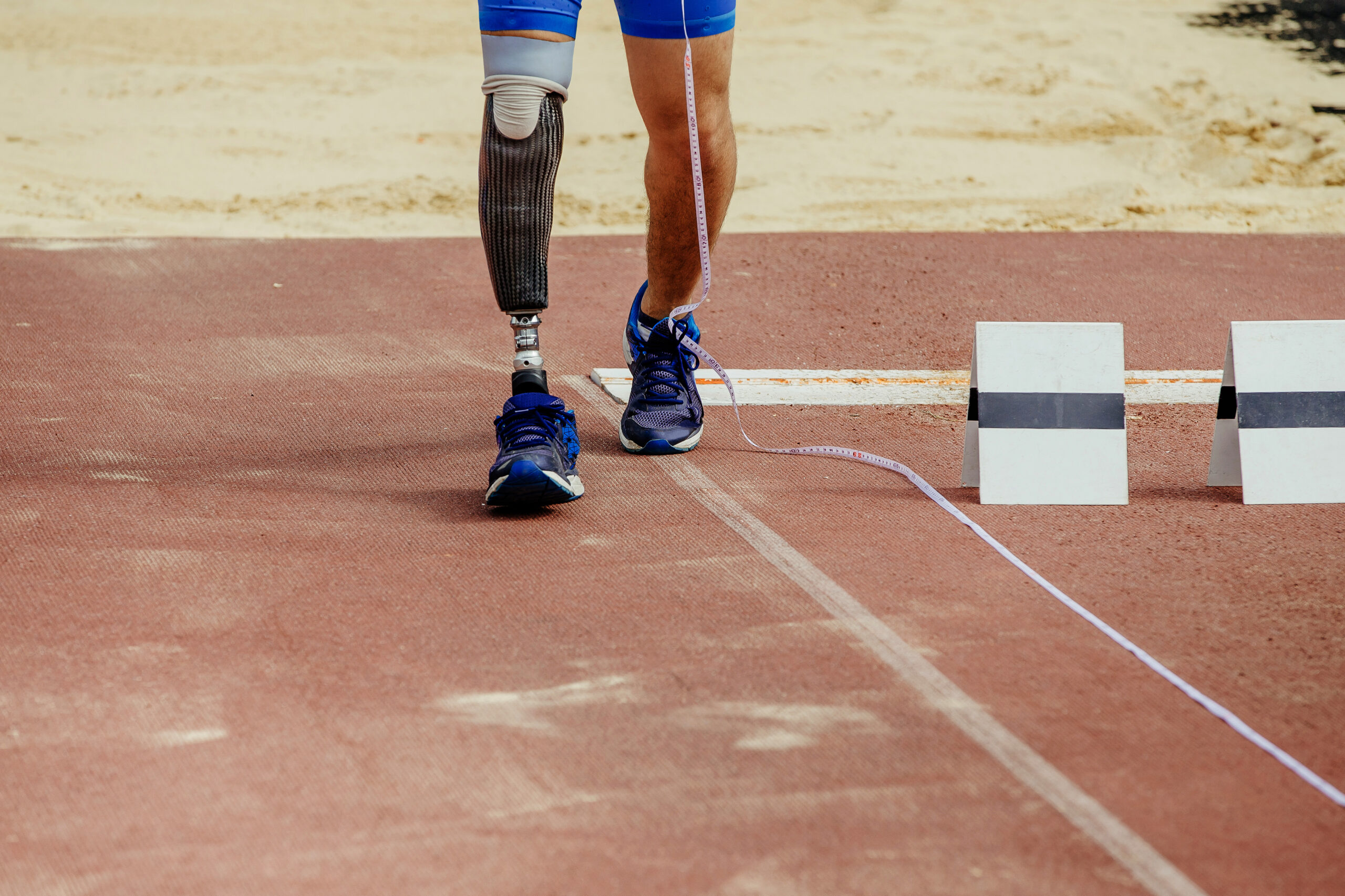
Psychological Benefits of Wearing Custom Prosthetics
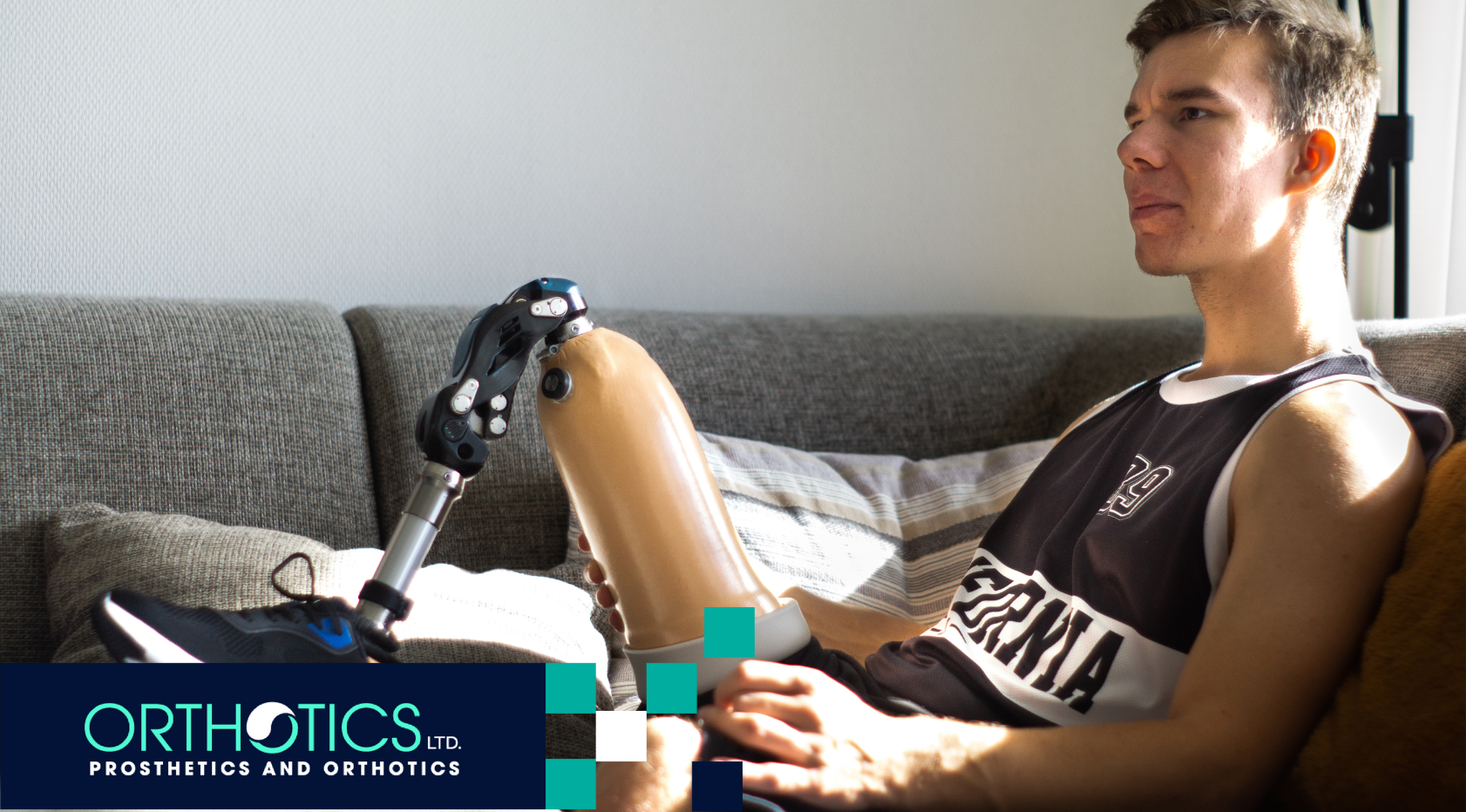
Key Highlights
- Wearing custom prosthetics can significantly improve self-esteem, body image, and confidence
- Psychological benefits often stem from independence, social inclusion, and restored identity
- Custom prosthetics benefits over generic devices include better fit, comfort, embodiment, and emotional acceptance
- Rehabilitation and psychological support enhance mental adaptation to prosthetic adoption
- Real user stories and research underline that the benefits of prosthetics go beyond mobility to emotional healing
Limb loss—whether due to accident, illness, congenital conditions, or vascular disease—can be a deeply traumatic event. While much attention rightly focuses on the physical challenges and the technical design of prosthetic limbs, there is increasing recognition that the psychological journey is just as vital. Beyond restoring function and mobility, wearing custom prosthetics can play a transformative role in mental health, self-identity, social integration, and quality of life.
In this post, we explore in depth the benefits of prosthetics from a psychological and emotional standpoint, focusing especially on custom prosthetics. We’ll draw on clinical research, qualitative studies, and real-world insights to show how a well-designed, personalized prosthetic can be more than a tool—it can become part of someone’s identity, self-confidence, and emotional resilience.
The Psychological Impact of Limb Loss
Before discussing the benefits, it’s important to understand the psychological effects that limb loss commonly imposes:
- Grief and Loss: Many people experience grief over losing a limb, similar to mourning another form of loss.
- Body Image Disturbance: Sudden alteration of body symmetry can lead to distress, discomfort in one’s appearance, and avoidance of mirrors or social exposure.
- Depression and Anxiety: Studies suggest that a substantial proportion of amputees experience depressive symptoms, anxiety, or adjustment difficulties.
- Social Isolation and Stigma: Physical differences can lead to social avoidance, uncomfortable stares, or internalized stigma, making people withdraw socially.
- Phantom Limb Pain & Distress: Phantom sensations or pain in the missing limb can contribute to psychological stress and fear of using a prosthesis.
This emotional burden makes it essential that prosthetic rehabilitation addresses not just mechanics, but the mind as well.
How Custom Prosthetics Enhance Psychological Well-being
Embodiment and the Sense of “Ownership”
One of the core psychological benefits of custom prosthetics is the sense of embodiment—the feeling that the prosthesis is part of one’s body, not just an external tool. A prosthesis that aligns closely with the user’s anatomy, movement patterns, and sensory feedback can promote integration into one’s body schema.
Users of more advanced prosthetic systems have reported that the prosthetic limb “feels like me” or that going without it feels unnatural. In qualitative interviews, users have expressed that a well-integrated prosthetic improves self-esteem, self-image, and confidence in social situations.
By contrast, poorly fitting or generic prosthetics may remain cognitively alien, increasing the sense of separation and reducing long-term use.
Confidence, Self-Esteem, and Body Image
One of the most immediate effects reported by prosthetic users is the restoration of a more symmetrical or “complete” body image. This contributes to greater acceptance of one’s reflection in mirrors, improved comfort in social settings, and renewed self-esteem.
The benefits of prosthetics in this dimension include:
- Reduced self-consciousness about limb loss
- Greater willingness to engage in public activity
- Reclaiming identity beyond “amputee” status
- Feeling “whole” again through visual and tactile coherence
Independence, Agency & Mastery
Psychologically, one of the greatest gains is the return of agency—being able to perform tasks that had been lost: walking, grasping, jumping, or participating in hobbies. Regaining that autonomy fosters:
- A sense of mastery and competence
- Reduced reliance on caregivers, which can preserve dignity
- Motivation to re-engage in life goals and ambitions
- Lowered depressive symptoms associated with helplessness
Rehabilitation literature supports that active prosthetic use correlates with better psychological outcomes.
Social Reintegration & Reduced Isolation
Social interaction is a key to psychological health. Custom prosthetics can:
- Reduce visible differences, minimizing stigma
- Allow for easier participation in social, athletic, and work settings
- Serve as conversation bridges, turning curiosity into engagement
- Help re-establish one’s role in family, community, and identity
Studies note that prosthetic users often feel more socially included and less embarrassed once their prosthesis is perceived as “normal.”
Coping with Phantom Pain & Psychological Distress
For many, phantom limb pain or troubling sensations contribute deeply to emotional distress. Interestingly, certain prosthetic technologies that incorporate sensory feedback (or enhanced embodiment) have been shown to reduce phantom pain.
Moreover, psychosocial therapies—such as Acceptance and Commitment Therapy (ACT) and mindfulness—are frequently integrated with prosthetic care to address negative automatic thoughts, catastrophizing, and emotional avoidance.
Therefore, custom prosthetics benefits are not limited to the mechanical domain, but can also support psychological resilience in the face of chronic sensory loss.
Why Custom Prosthetics Outperform Generic Alternatives
While prosthetics in general offer many benefits, the benefits of custom prosthetics are often superior in delivering sustainable psychological advantages. Below is a comparison:
| Feature | Generic / Off-the-Shelf Prosthetics | Custom Prosthetics |
|---|---|---|
| Fit & Comfort | May cause pressure points, slippage, discomfort | Precisely molded to the residual limb, reducing irritation |
| Movement Naturalness | May restrict movement or force adaptation | Tailored to gait, range of motion, and biomechanics |
| Embodiment Potential | Less likely to feel like part of the body | Greater chances of integration and ownership |
| Visual Appeal | One-size aesthetic, less personalization | Can be customized for appearance (skin tone, design) |
| Long-term Use | Higher rejection rates or intermittent use | More likely to be worn consistently and confidently |
| Psychological Benefit | Basic psychosocial impact | Amplified sense of identity, control, and acceptance |
Custom design enables iterative adjustments (socket tuning, alignment, interface) so that the user feels more comfortable, in control, and psychologically aligned with their prosthesis.
One study on cosmetic involvement in prosthetic design found that patients who participated in customizing their prostheses showed better emotional satisfaction and device acceptance.
Supporting Psychological Adjustment: Strategies & Phases
Adapting any prosthesis—custom or otherwise—requires a psychological journey. Below are steps and strategies that maximize positive outcomes:
Pre-Prosthetic Counseling & Education
- Prepare the patient emotionally for life with a prosthetic, addressing fears and expectations
- Use cognitive behavioral approaches to counter unrealistic expectations
- Introduce peer mentoring or support groups
Trial Periods & Gradual Adoption
Using trial prostheses or modular fittings helps a person test comfort, alignment, and fit before full commitment. This reduces anxiety about being “locked in” to a flawed prosthesis.
Iterative Tuning & Feedback Loop
Frequent check-ins and adjustments reduce discomfort, frustration, or self-doubt, reinforcing trust in the device and clinician. Customize based on functional goals, activity level, and subjective feel.
Integrating Psychological Therapies
- ACT / Mindfulness: Encourage accepting phantom sensations, negative thoughts, and focusing on values rather than avoidance.
- Cognitive Restructuring: Address catastrophizing, “all-or-none” thinking, or shame-based thoughts
- Graded Exposure: Gradually reintroduce social situations, mirror exposure, or public use
- Peer/Social Support: Connect users with others who have undergone similar journeys
Encouraging Activity & Meaningful Engagement
Physical activity, hobbies, work, and social roles help anchor identity beyond the prosthesis. Each completed task builds confidence and reinforces the psychological benefits of prosthetics.
Monitoring and Long-term Support
Psychological adaptation continues beyond initial weeks or months. Regular check-ins help detect and address emerging distress, body image issues, or frustration before they metastasize.
Real-World Evidence & Stories
- In interviews of individuals using neuromusculoskeletal prostheses, users described increased self-esteem, better self-image, and the impression that the prosthetic had become part of their body.
- Research on lower limb prostheses shows that restored gait, mobility, and appearance correlate with improved quality of life and self-worth.
- A study of bionic prostheses users found that such users often receive more positive feedback from others, possibly leading to social reinforcement of confidence.
- In prosthetic cosmetic design studies, user involvement in personalization (appearance, aesthetics) enhanced satisfaction and psychological acceptance.
These stories demonstrate that beyond mere mechanical gain, prosthetic adoption can catalyze psychological healing, identity reconstruction, and renewed engagement with life.
Potential Challenges & How to Address Them
While the psychological benefits are powerful, challenges remain:
- Device Rejection: Even custom devices can be rejected if expectations diverge from reality.
- Chronic Pain / Discomfort: Persistent pain or discomfort may erode psychological gains.
- Maintenance & Failures: Breakdowns or malfunctions can feel like setbacks or betrayals by the device.
- Emotional Plateaus: Initial euphoria may give way to stagnation or lingering body image issues.
- Accessibility & Cost: High-end custom prosthetics are costly, limiting access.
Mitigation strategies include:
- Transparent expectation setting
- Robust follow-up & adjustments
- Incorporating psychological care into the plan
- Designing backup plans and redundancy for failures
- Exploring funding, grants, or insurance coverage
The Transformative Power of Custom Prosthetics
While prosthetics fundamentally restore physical function, their psychological impact should not be underestimated. Custom prosthetics amplify this impact through superior fit, embodiment, and personalization. The benefits of prosthetics are multifaceted: regained independence, restored body image, enhanced social life, and improved mental well-being.
For users, clinicians, and caregivers alike, recognizing and nurturing these psychological benefits is essential. A holistic approach—combining engineering, rehabilitation, and psychological insight—yields the best outcomes.
In closing, Orthotics Ltd. offers tailored, high-quality prosthetic and orthotic services that emphasize both physical restoration and psychological integration. With expertise in customization and compassionate care, their team supports clients not just in regaining mobility but in reclaiming confidence, identity, and life. Contact us today!
Frequently Asked Questions
1. Can any prosthetic provide psychological benefit, or only custom ones?
Yes, many prosthetics (even off-the-shelf) can confer psychological benefit—restoring mobility, agency, and social inclusion. But the custom prosthetics benefits tend to be greater due to comfort, embodiment, and reduced frustration, which lead to deeper psychological integration.
2. How long does it take to psychologically adjust to wearing a prosthetic?
Adjustment varies widely—weeks to months or even longer. Some psychological adaptation may continue for years. Regular follow-up, therapy, social support, and iterative fit adjustments help speed integration.
3. Does custom aesthetic design (appearance) matter psychologically?
Yes—cosmetic personalization (skin tone, style, covers) helps users feel more aligned with their body, reduces self-consciousness, and fosters identity. Studies show patient involvement in cosmetic choice improves emotional satisfaction.
4. Can prosthetics reduce phantom limb pain or emotional distress?
In certain cases, better embodiment and sensory feedback prosthetics can lessen phantom pain. Also, psychological therapies (e.g., ACT, mindfulness) used alongside prosthetics can reduce emotional distress.
5. What if someone tries a prosthesis and still feels unhappy or disconnected?
That is not uncommon. It emphasizes the need for integrated psychological care. Adjustments, counseling, peer support, or exploring different prosthetic designs may help. Open communication with clinicians is crucial to address unmet needs.
Sources:
- https://www.physio-pedia.com/Emotional_and_Psychological_Reactions_to_Amputation
- https://pmc.ncbi.nlm.nih.gov/articles/PMC11403199/
- https://www.psychologytoday.com/us/therapy-types/acceptance-and-commitment-therapy
- https://www.hopkinsmedicine.org/health/wellness-and-prevention/what-to-know-before-getting-prosthetic-leg
- https://pmc.ncbi.nlm.nih.gov/articles/PMC7393241/