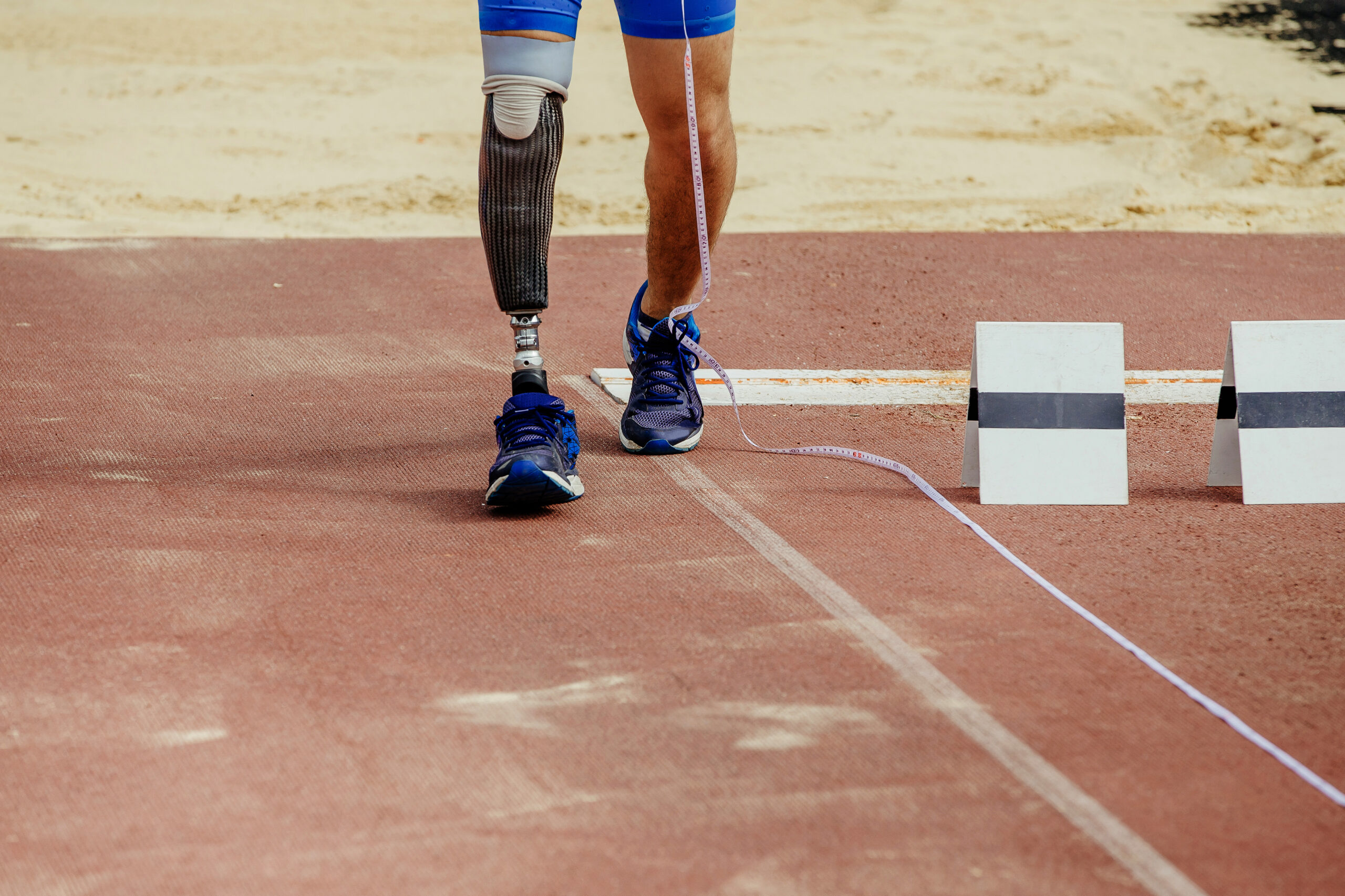
Signs You Might Benefit from Custom Orthotics
Key Highlights
- Foot misalignment can trigger pain in the knees, hips, and spine.
- Custom orthotics are molded to your anatomy for a better fit and support.
- Signs you may need them: chronic foot pain, uneven shoe wear, arch problems, fatigue, or recurring injuries.
- They offer more comfort, durability, and correction than generic inserts.
- Benefits extend beyond feet—improving posture, balance, and overall mobility.
- A proper fitting process and follow-up ensure long-term results.
Your feet are the foundation of movement and alignment for your entire body. When that foundation is misaligned, symptomatic, or stressed, discomfort may ripple upward—to your knees, hips, and spine. In many such cases, a solution lies in orthotics: custom-designed devices that support, correct, or redistribute forces across your lower limbs.
While many people are aware of over-the-counter insoles or braces, fewer recognize when custom prosthetics/orthotics might be truly beneficial. In this article, we’ll walk through the signs you might benefit from custom orthotics, explain what makes them uniquely effective, and outline how to pursue them.
Because custom orthotics and prosthetics are closely related in design and intention, we’ll also touch on how the benefits of prosthetics parallel those of orthotics in restoring alignment, function, and comfort.
What Are Orthotics & Why Choose Custom
Before diving into signs, let’s be clear about orthotics and what distinguishes a custom device.
- Orthotics are external devices—such as inserts, braces, splints, or supports—designed to influence the function of the feet, ankles, knees, or spine.
- Off-the-shelf (prefabricated) orthotics are mass-produced, generic inserts or supports.
- Custom orthotics/custom prosthetics are molded or digitally scanned to match your unique anatomy, biomechanics, gait dynamics, and therapeutic goals.
Advantages of custom orthotics:
- Better fit and comfort, reducing pressure points and slippage.
- Greater ability to correct or support biomechanical deviations (e.g., pronation, arch collapse).
- More durable materials tailored to your load, weight, and activity level.
In many clinical contexts, custom orthotics are considered a step up from prefabricated solutions—especially when symptoms are chronic, severe, or multifactorial.
Signs You Might Benefit from Custom Orthotics
Here are common indicators that your body is signaling it’s time to consider custom orthotics:
1. Persistent or Recurring Foot Pain
If you feel ongoing pain—heel pain, arch discomfort, ball-of-foot (metatarsal) pain, or general soreness—especially during or after walking, standing, or exercise, that’s a red flag. Many clinics list persistent foot pain as a key indicator for orthotic evaluation.
Morning heel pain (a hallmark of plantar fasciitis) is often a clue, particularly when it improves temporarily but returns with movement.
2. Uneven or Excessive Shoe Wear
If your shoes wear down unusually fast on one side—inside, outside, heel, or forefoot—that asymmetry suggests that your gait or alignment is off. This imbalance could benefit from corrective support.
3. Flat Feet, Collapsing Arches, or High Arches
Structural arch problems often lead to compensations upstream:
- Flat feet / collapsed arches often contribute to overpronation, leg fatigue, and inner knee stress.
- High arches concentrate pressure on small regions (heel, forefoot) and reduce shock absorption, increasing the risk of stress injuries.
If you notice a visible flattening of the arch when you stand, or discomfort when walking barefoot, that’s a signal.
4. Knee, Hip, or Lower Back Pain Without Clear Cause
Because your feet set the base for your alignment, foot dysfunction often “upstreams” problems. Some people with knee pain, hip discomfort, or low back pain find that orthotics provide meaningful relief when conventional therapies haven’t.
5. Balance Issues, Instability, or Frequent Twisting
If you feel unsteady, occasionally twist an ankle, or notice your balance is worse on certain surfaces, an orthotic may help by stabilizing foot mechanics.
6. Fatigue in Legs, Calves, or Feet After Short Walks
If your legs feel heavy or fatigued after modest walking or standing, poor mechanics or inefficient force distribution may be a factor. A custom orthotic can offload stress and reduce muscular overwork.
7. Previous Injuries or Surgeries
If you’ve had ankle sprains, Achilles tendon issues, stress fractures, or knee/hip interventions, tailored orthotic support can aid rehabilitation by stabilizing mechanics and reducing re-injury risk.
8. Discomfort with Ordinary Insoles or Generic Inserts
If store-bought inserts provide some relief but cause new pressure, shifting, or discomfort in other areas, that might indicate your anatomy needs a more precise solution. Many sources cite this as a cue to escalate to custom design.
Custom Orthotics vs. Off-the-Shelf: When the Upgrade Matters
Not everyone necessarily needs a custom device right away. Below is a comparative snapshot to help you decide.
| Feature / Concern | Off-the-Shelf / Prefab Orthotics | Custom Orthotics / Custom Prosthetics |
|---|---|---|
| Initial Cost | Lower | Higher |
| Fit & Comfort | Generic, may not suit complex anatomy | Molded or scanned, high personalization |
| Correction Capability | Limited biomechanical correction | Stronger ability to support, realign, and redistribute forces |
| Durability & Materials | Standard materials are prone to wear | Custom materials chosen for load and activity |
| Adjustability | Limited – some trimming only | Can be adjusted, refined, and tuned over time |
| Suitability for Complex Cases | May be ineffective for severe dysfunction | Better suited for chronic, structural, or post-injury cases |
| Psychological / Adoption | Sometimes abandoned due to discomfort | More likely to be accepted and consistently used |
If your symptoms are mild, prefabs might be a first trial. But when pain is persistent, structural, or multifactorial, the benefits of prosthetics/orthotics in refined custom devices become more compelling.
What to Expect in the Evaluation & Fitting Process
If you do suspect you may benefit from custom orthotics, the process typically unfolds in stages:
- Clinical Assessment: A clinician (orthotist, podiatrist, physical therapist) will evaluate your history, symptoms, gait, posture, leg lengths, and footwear.
- Imaging / Scanning / Casting: Your foot (or residual limb) is scanned or cast, capturing its shape in weight-bearing and non-weight-bearing states.
- Design & Material Selection: Based on your biomechanics, activity levels, and symptom targets, the appropriate design (rigid, semi-rigid, cushioning zones) and materials are selected.
- Fabrication: In a lab or workshop, technicians create the custom device using molds, 3D printing, thermoforming, or composite layering.
- Fitting & Adjustment: You try on the orthotic; fine-tuning (shimming, trimming, adjustments) is done to optimize comfort and performance.
- Wear-In & Follow-Up: Gradual wear-in schedules help your tissues adapt. Return visits are used to tweak alignment or relieve pressure points.
- Long-Term Checkups: Over time, as your gait, weight, or anatomy shifts, refitting or rebasing may be needed to preserve benefit.
During this process, you’ll be asked about your activity levels (walking, sports), footwear preferences, and symptoms to guide design choices.
How the Benefits Extend Beyond the Feet
While orthotics act locally at the foot–ankle interface, their influence can cascade upward. This mirrors how custom prosthetics also aim to restore not just limb function but holistic biomechanics. Some of the extended benefits include:
- Reduced knee and hip strain due to better alignment
- Improved posture and spinal alignment when base mechanics are normalized
- Lower fatigue during walking or standing
- Decreased risk of overuse injury or compensatory strain
- Enhanced mobility, comfort, and quality of life
In short, the advantages of well-fitted custom orthotics mirror many of the benefits of prosthetics—they restore symmetry, relieve stress, and support functional performance.
When a Custom Orthotic May Not Be Sufficient
It’s good to recognize limits and ensure expectations are realistic:
- If your structural deformity is extreme, a brace or orthosis may need to be augmented by surgery or external support.
- In the case of limb amputation or segmental loss, orthotics alone won’t replace a missing part—custom prosthetics might be necessary.
- Conditions with active tissue inflammation might require rest or medical treatment before an orthotic can help.
- Evidence is mixed in some conditions: for example, a health technology review noted limited superiority of custom-made orthotics over prefabricated ones in certain foot pain syndromes.
However, in properly selected cases, custom orthotics often outperform generic devices in comfort, usability, and longevity.
Practical Tips If You Suspect You Need Custom Orthotics
- Bring your well-worn shoes to your evaluation—they tell the clinician about your gait and wear patterns.
- Note the times and activities when pain or discomfort occurs (morning vs. evening, walking vs. standing).
- Be honest about your footwear habits (high heels, work boots, athletic shoes).
- Ask about trial periods or warranty coverage, since adjustment is often needed.
- Commit to follow-up — the first version may require fine adjustments.
- Start with short wear times to allow adaptation.
Final Thoughts
If you’re experiencing chronic foot, ankle, knee, or back pain; noticing uneven shoe wear; struggling with balance or fatigue; or dealing with prior injury or surgery, you may benefit from custom orthotics. These tailor-made devices offer better fit, biomechanical correction, durability, and long-term comfort—delivering many of the same advantages attributed to custom prosthetics in restoring function and alignment.
A thoughtful evaluation, proper design, and incremental fitting approach ensure you get the maximum value from a custom orthotic device.
When you’re ready to explore options or need professional support, Orthotics Ltd. offers comprehensive prosthetics and orthotics services, helping clients identify needs, design, fit, and maintain devices that enhance mobility, comfort, and life quality. Contact us today!
Frequently Asked Questions
1. How long does it take to adapt to a custom orthotic?
Adaptation often takes a few weeks. Clinicians typically recommend gradually increasing wear time (e.g. 1–2 hours extra per day) to allow tissues to adjust and reduce pressure soreness.
2. Are custom orthotics covered by insurance?
Coverage depends on your plan, diagnosis, and whether the device is deemed “medically necessary.” Many insurers will cover custom orthotics when prescribed for documented conditions.
3. How often should a custom orthotic be replaced or re-evaluated?
Depending on usage, wear, and changes in your body, you may need re-evaluation or refitting every 1–3 years. Some components (liners, pads) wear faster and may require more frequent replacements.
4. Can custom orthotics help with running or sports injuries?
Yes—when designed specifically for your biomechanics and sport demands, custom orthotics can offload stress, reduce overuse injury risk, and improve performance.
5. What if my symptoms don’t improve with custom orthotics?
If relief is partial, a follow-up evaluation is needed. Adjustments may help. If symptoms persist, alternative treatments (physical therapy, braces, imaging, surgical evaluation) may be necessary.
Sources:
- https://www.cgsmedicare.com/jc/pubs/news/2021/03/cope20993.html
- https://my.clevelandclinic.org/health/treatments/orthotics
- https://www.mayoclinic.org/diseases-conditions/plantar-fasciitis/symptoms-causes/syc-20354846
- https://pubmed.ncbi.nlm.nih.gov/11358622/