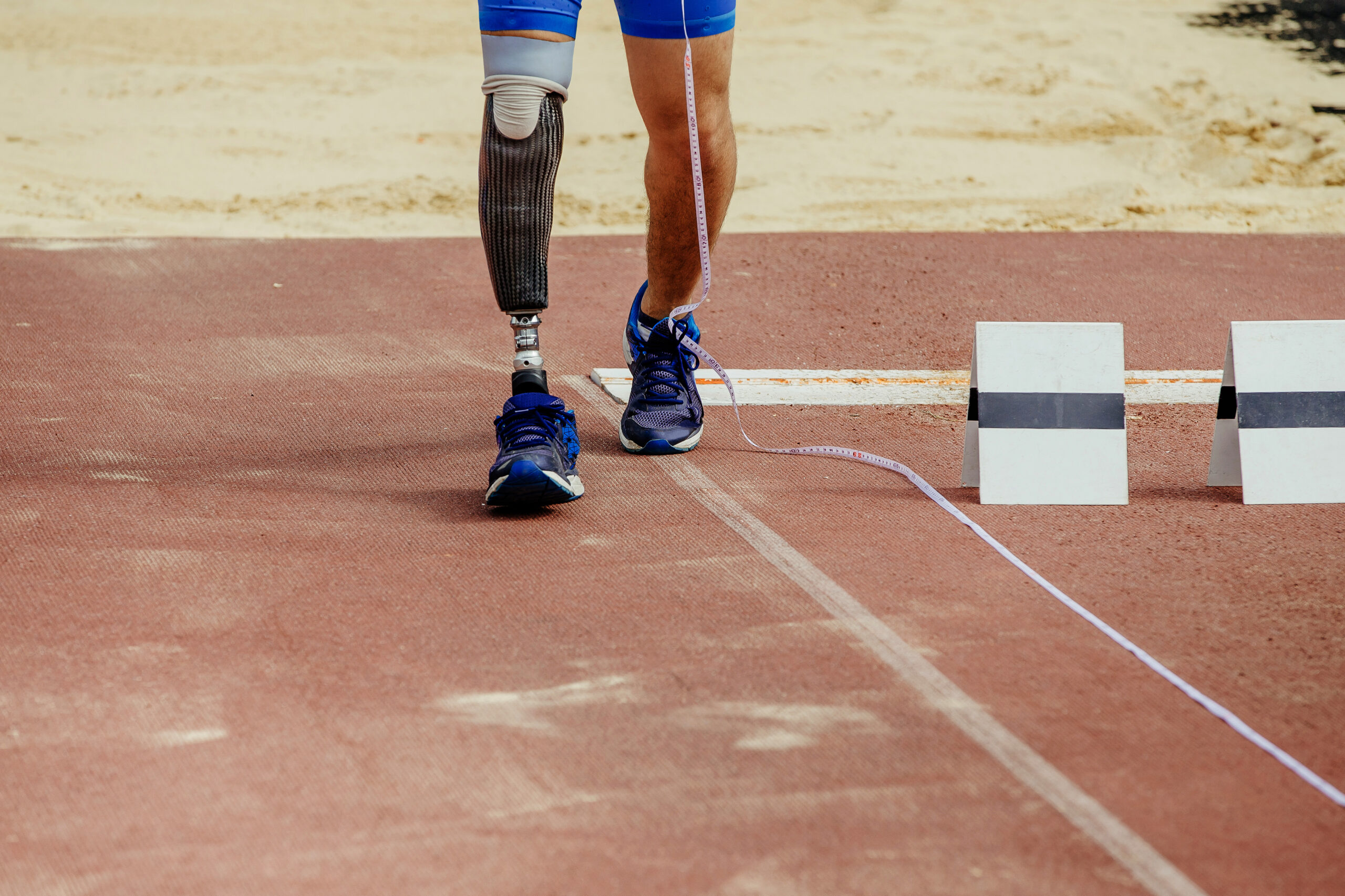
Socket Technology in Prosthetics: Why It Matters
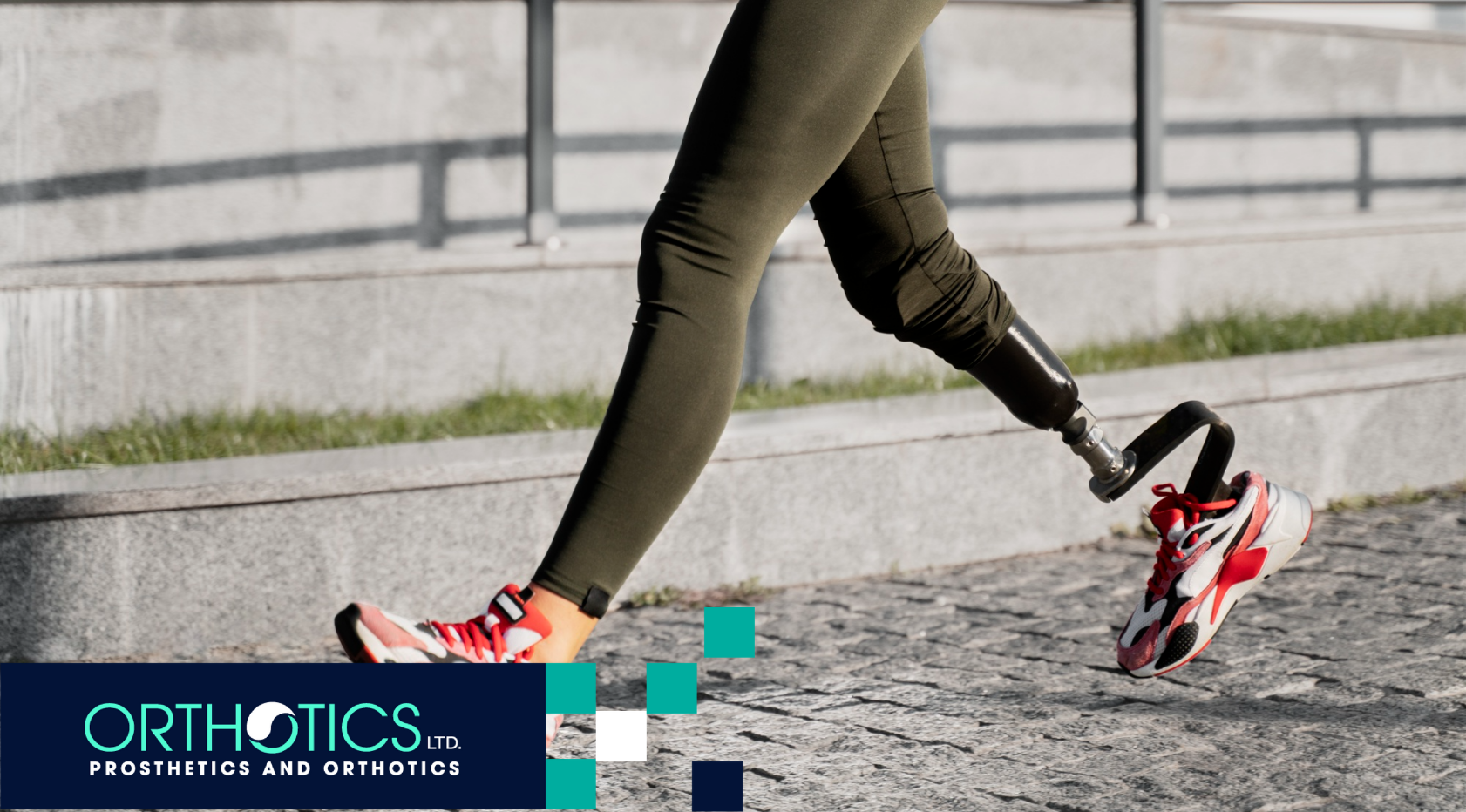
Key Highlights
- Prosthetic socket comfort directly affects mobility and daily function.
- A poor socket fit can cause pain, skin breakdown, and reduced wear time.
- Custom socket prosthetic solutions provide better alignment and pressure relief.
- New technologies like adjustable sockets and smart liners improve comfort.
- Personalized fittings are critical for long-term success with any prosthesis.
For people with limb loss, a prosthesis can be life-changing—but only if it fits well. At the heart of every prosthetic limb is the socket, the interface between the residual limb and the device. This component plays a vital role in prosthetic socket comfort, function, and long-term wearability.
Even with the most advanced robotic limb, a poor socket fit can lead to pain, reduced mobility, and decreased quality of life. That’s why understanding custom socket prosthetic solutions and socket technologies is essential for both clinicians and users.
In this blog, we’ll break down how socket technology works, why it matters, and what innovations are making prosthetics more comfortable and functional than ever before.
What Is a Prosthetic Socket?
A prosthetic socket is the part of a prosthesis that connects the artificial limb to the residual limb. It acts as a bridge, transferring forces and providing stability while keeping the prosthesis securely in place.
Since every residual limb is unique, the socket must be customized for maximum comfort and function.
Why Socket Fit Is So Important
The socket is where the “rubber meets the road” in prosthetics. Even if a limb is beautifully crafted, it will not be useful if it causes discomfort or instability.
Problems Caused by Poor Socket Fit:
- Skin irritation, blisters, or sores
- Pressure points and poor circulation
- Muscle fatigue or joint strain
- Reduced wear time due to pain
- Poor gait and increased fall risk
Benefits of a Well-Fitted Socket:
- Enhanced prosthetic socket comfort
- Longer daily wear time
- Improved mobility and balance
- Fewer medical issues
- Greater independence and confidence
Types of Prosthetic Sockets
Depending on the level of amputation and user needs, various socket designs are available. Each has specific benefits related to comfort, control, and function.
| Socket Type | Use Case | Key Features |
|---|---|---|
| Total Surface Bearing | Below-knee amputees | Even pressure distribution |
| Ischial Containment | Above-knee amputees | Encloses the pelvis for stability |
| Subischial Socket | Above-knee amputees | Lower trim lines for improved comfort |
| Elevated Vacuum Systems | Any level | Creates a suction seal for a secure fit |
| Pin-Lock Suspension | Below-knee amputees | Locking mechanism for added security |
Custom Socket Prosthetic: A Personalized Approach
A custom socket prosthetic is molded to match the exact shape and volume of the user’s residual limb. This ensures maximum comfort, proper weight distribution, and minimized friction.
Custom Socket Design Process:
- Initial Evaluation: The prosthetist evaluates the limb and lifestyle needs.
- Impression or 3D Scan: A mold or scan of the residual limb is taken.
- Diagnostic (Test) Socket: A temporary socket is used to test fit and function.
- Adjustments: The prosthetist refines the shape for improved socket fit.
- Final Socket Fabrication: Once perfected, a durable socket is created.
The result? A more personalized fit that reduces pressure points, enhances mobility, and boosts daily comfort.
Innovations in Socket Technology
Socket design has come a long way in recent years. Here are a few advancements improving prosthetic socket comfort:
1. Adjustable Socket Systems
These sockets can be modified throughout the day using dials, straps, or air bladders to adapt to limb volume fluctuations caused by heat, activity, or swelling.
2. Vacuum Suspension Systems
A vacuum creates suction between the socket and the limb, reducing movement and increasing comfort. It also promotes circulation and reduces limb volume changes.
3. Smart Liners
Sensor-equipped liners track pressure, moisture, and fit quality in real-time. Data is sent to a smartphone or prosthetist for adjustments and troubleshooting.
4. 3D Printed Sockets
These offer precision design and quicker turnaround while still being fully customizable.
5. Flexible Inner Liners
Made from silicone or gel, these liners conform to soft tissue, cushioning bony areas and reducing skin irritation.
Managing Limb Volume Changes
Limb size and shape naturally fluctuate due to activity, time of day, weather, and hydration. Even small changes can affect socket fit and comfort.
How to Manage:
- Use adjustable socket systems
- Wear volume-adjusting socks or sleeves
- Regular prosthetist check-ins for refitting
- Monitor skin health daily
Tips for Achieving Maximum Prosthetic Socket Comfort
- Be Honest with Your Prosthetist: Tell them exactly what feels wrong.
- Use a Test Socket Period: This allows for fine-tuning before finalizing.
- Keep the Residual Limb Clean and Dry: Reduces irritation and bacteria growth.
- Monitor Fit Daily: Take note of changes in pressure, movement, or pain.
- Don’t Settle for Discomfort: A good socket should feel secure, not painful.
Psychological and Lifestyle Benefits of a Well-Fitted Socket
A comfortable socket doesn’t just improve walking—it improves confidence, independence, and mental health.
Emotional and Functional Benefits:
- More willingness to wear the prosthetic throughout the day
- Greater participation in work, hobbies, and social life
- Less worry about sores or device failure
- A sense of ownership and pride in one’s prosthetic journey
When to Replace or Refine a Socket
Even the best sockets don’t last forever. As your limb or activity level changes, so should your socket.
Signs It’s Time for a New Socket:
- Persistent discomfort or new pressure points
- Loose or unstable feel
- Frequent skin breakdown
- You’ve gained or lost significant weight
- Your mobility goals have changed
Prosthetic sockets should be reviewed annually, even if no problems are reported.
Working With a Prosthetist You Trust
A good relationship with your prosthetist is key. They should listen, make adjustments quickly, and educate you on proper use and maintenance.
Don’t settle for a one-size-fits-all approach. Each limb and lifestyle deserves a custom socket prosthetic built with care and precision.
Orthotics Ltd. is a trusted provider specializing in advanced prosthetic solutions. From high-performance socket designs to personalized fittings, their team helps clients achieve unmatched prosthetic socket comfort and mobility. Reach out today!
Frequently Asked Questions
1. How often should I get a new socket fitting?
Most prosthetic users need a new socket every 1–2 years, depending on limb changes and activity level. Always consult your prosthetist if you notice discomfort or instability.
2. What if my socket fits in the morning but hurts later in the day?
This is often due to limb volume fluctuation. Adjustable sockets or volume socks can help manage changes throughout the day for consistent comfort.
3. Is a custom socket prosthetic covered by insurance?
In many cases, yes—especially if it improves mobility and prevents complications. Always check with your prosthetist and insurance provider for specific coverage.
Sources:
- https://pubmed.ncbi.nlm.nih.gov/34932435/
- https://pmc.ncbi.nlm.nih.gov/articles/PMC9459101/
- https://pubmed.ncbi.nlm.nih.gov/34214499/
- https://www.nupoc.northwestern.edu/docs/inmotion_2018mar_38-43_optimized.pdf