• Home
  • About Us
    • Insurance
  • Clinics
    • Harriman
    • Port Jefferson Station
    • Brooklyn
    • Hempstead
  • Prosthetics
    • Prosthetic Options
    • Upper Limb
      • Arms
      • Hands
      • Fingers
      • Shoulder
      • Elbow
      • Wrist Joint
    • Lower Limb
      • Hip
      • Leg
      • Knee
      • Foot
      • Ankle
      • Toe
    • Athletic & Sports Prosthetics
    • Cosmetic Covers
    • Socket Systems
  • Orthotics
  • Resources
    • Blog
  • Contact
  • Home
  • About Us
    • Insurance
  • Clinics
    • Harriman
    • Port Jefferson Station
    • Brooklyn
    • Hempstead
  • Prosthetics
    • Prosthetic Options
    • Upper Limb
      • Arms
      • Hands
      • Fingers
      • Shoulder
      • Elbow
      • Wrist Joint
    • Lower Limb
      • Hip
      • Leg
      • Knee
      • Foot
      • Ankle
      • Toe
    • Athletic & Sports Prosthetics
    • Cosmetic Covers
    • Socket Systems
  • Orthotics
  • Resources
    • Blog
  • Contact
(914) 337-8600

Sports Prosthetic Types: What They Are & What They Do
Sports Prosthetic Types: What They Are & What They Do
October 30, 2025 By Orthotics 0 comments
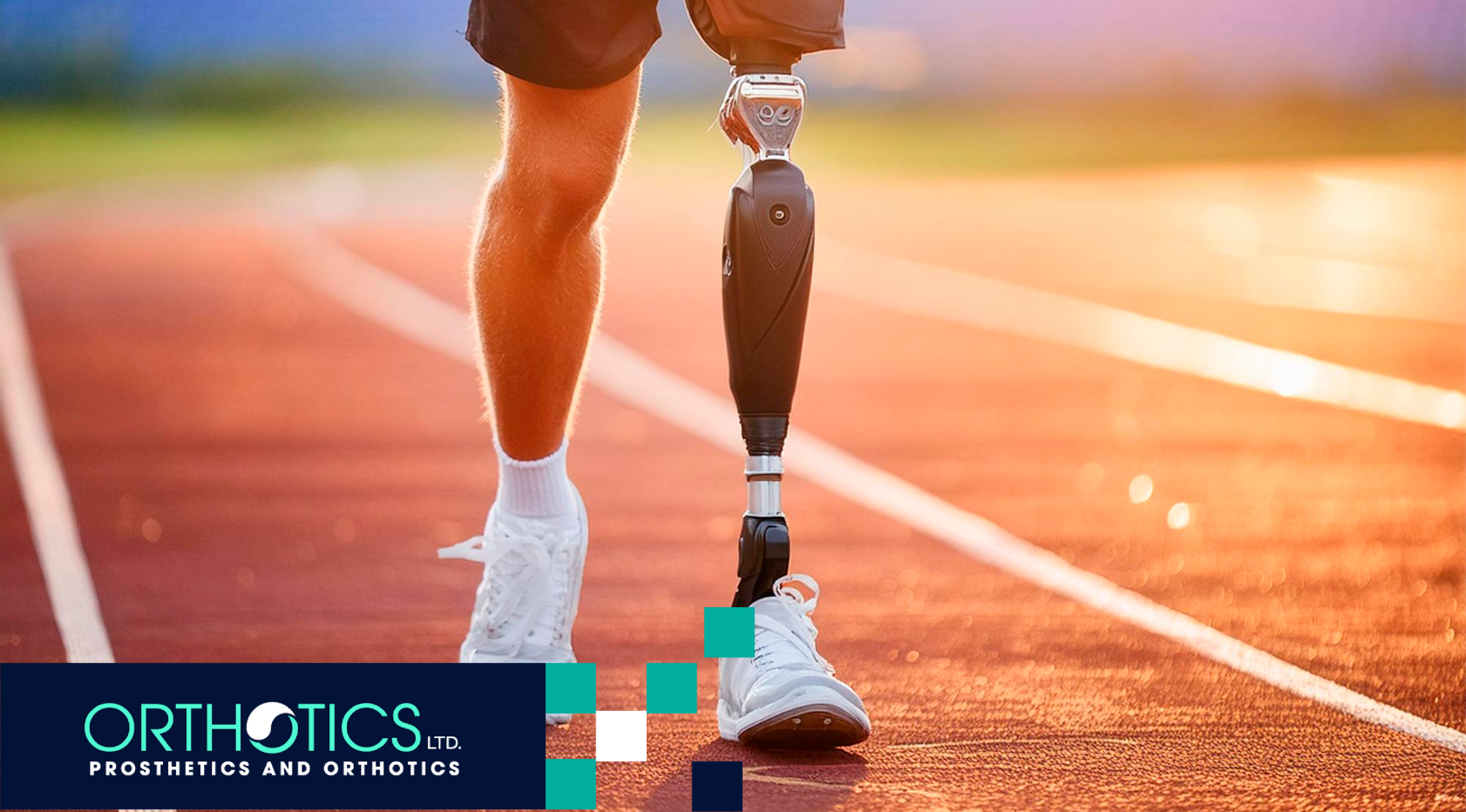
Explore the different sports prosthetic types, from running to horseback riding, and learn how the right sports prosthetic can support your athletic goals.

Key Highlights

  • Sports prosthetics enable amputees and athletes with limb differences to stay active and perform in various sports, from running to horseback riding.
  • Each sport requires specialized prosthetic design, focusing on performance, stability, comfort, and durability.
  • Examples include running blades for energy return, cycling limbs for power transfer, weightlifting prosthetics for stability, and snowboarding prosthetics for shock absorption.
  • Choosing the right prosthetic involves considering sport demands, custom fit, materials, alignment, and adaptation training.
  • Proper maintenance, gradual adaptation, and expert guidance ensure optimal performance and long-term usability.


For many athletes, losing or preparing for limb loss doesn’t mean giving up on their sport or active lifestyle. The category of sports prosthetics has evolved significantly, enabling amputees or athletes with limb differences to pursue running, cycling, weightlifting, golf, snowboarding, horseback riding, and many other sports. By tailoring prosthetic design to the specific mechanics and demands of a given sport, today’s advanced devices enhance performance, stability, comfort, and durability.

In this article, we’ll explore the different sports prosthetics types in detail—how they are engineered, what makes each type unique, and how to determine which type fits your activity and goals. Whether you’re a weekend warrior or a competitive athlete, understanding sport-specific prosthetics can help you choose a device that supports not just mobility, but athletic performance.

The Importance of Sport-Specific Prosthetic Design

While a standard daily prosthetic limb accommodates basic mobility—walking, standing, getting around—sport-specific prosthetics are engineered with far more demanding criteria:

  • Higher impact tolerance from running, jumping, or heavy lifts.
  • Optimized energy return, power transfer, and stability for performance.
  • Materials that are lightweight yet strong (often carbon composites or aerospace-grade alloys).
  • Socket, interface, and alignment designs that match the athlete’s body, residual limb, and sport mechanics.
  • Custom tuning and testing (often using gait analysis or performance metrics).


Because each sport places different stresses on the prosthetic system, one device cannot optimally serve all activities. For example, running blades are designed for cyclic energy storage and release; cycling prosthetics prioritize stable power transfer and aerodynamic profile; weightlifting prosthetics emphasize maximal load-bearing and minimal deformation. Understanding these differences is key to selecting the right prosthetic type for your athletic focus.

Sports Prosthetics Types: What They Are & What They Do

Here’s a closer look at six common sport-specific prosthetic types, what design features they include, and what type of athlete they suit.

1. Running Prosthetics

Designed for speed, endurance, and efficient stride mechanics. Running prosthetics often employ carbon-fiber “blade” geometry to store and release energy with each step.
Key design features:
  • Lightweight carbon blades shaped to mimic spring-action in the ground contact-take-off cycle.
  • Low weight and minimal bulk to reduce fatigue and enhance stride length.
  • Responsive energy return for running, sprinting or longer endurance events.
  • Durable base components built to absorb repeated impacts from foot strikes.


Ideal for: Amputee runners (sprints, middle/long distance), recreational joggers returning to active life, athletes seeking high-performance speed.

2. Cycling Prosthetics

Optimized for power transfer, stability, and comfort through the pedaling motion. Cycling prosthetics must maintain alignment and minimize energy loss in each crank revolution.
Key design features:
  • Stiff, rigid components to transfer force from leg to pedal without flex.
  • Aerodynamic socket and limb contours to reduce resistance, especially in road cycling.
  • Custom-fit socket to maintain residual limb stability under load.
  • Considerations for clip-in pedals, bike position, crank length, and cycling-specific alignment.


Ideal for: Competitive cyclists (road, time trial, mountain biking), recreational riders focusing on efficiency, and athletes returning to cycling post-amputation.

3. Weightlifting Prosthetics

Built for maximal strength and load, weightlifting prosthetics are engineered to handle very high forces during lifts such as squats, deadlifts, bench presses, and Olympic lifts.
Key design features:
  • Heavy-duty components and durable materials designed for high compressive and tensile loads.
  • Sturdy socket and interface to ensure minimal movement between residual limb and prosthetic under heavy load.
  • Stability-first geometry (often shorter lever arms, wider bases) to maintain alignment and safety during lifting.
  • Adaptations for gym footwear, plates, lifting platform approach, sometimes quick-release or interchangeable foot modules for different lifts.


Ideal for: Strength athletes, powerlifters, and recreational gym users to lift heavier weights safely.

4. Golf Prosthetics

For golfers, balance, stance stability, and swing mechanics are critical. Prosthetic design focuses on the stance, weight transfer, and rotational alignment consistent with the golf swing.
Key design features:
  • Specialized socket and limb geometry to maintain a stable stance and minimize sway or excess motion during swing.
  • Lightweight components that don’t intrude on swing mechanics or club path.
  • Possibly adjustable foot/ankle modules to tweak height, tilt, and feel for the golfer’s preference.
  • Alignment tuned to the golfer’s posture, footwork, and movement during the swing.


Ideal for: Amputee golfers who want to return to the course and maintain competitive or recreational performance, and who require prosthetic adjustments specific to golf mechanics.

5. Snowboarding Prosthetics

Snowboarding places unique demands on a prosthetic: rapid edge transitions, lateral loads, shock from uneven terrain, and cold/moisture exposure.
Key design features:
  • Enhanced shock-absorption systems and flexible components to handle terrain changes, landings, and carving loads.
  • Custom binding interface compatible with snowboard boots and board setups.
  • Materials suited to snow and cold weather (moisture-resistant, low temperature tolerance).
  • Stability and balance in dynamic side-to-side motions and uneven surfaces.


Ideal for: Amputee snowboarders (recreational or competitive) looking to ride more confidently and push harder, or those returning to snow sports post-amputation.

6. Horseback Riding (Equestrian) Prosthetics

Equestrian sports require dynamic balance, leg-saddle communication, and the ability to handle the motions of riding, mounting/dismounting, trotting, cantering, and jumping. Prosthetic design must facilitate these unique demands.
Key design features:
  • Flexible socket and components that allow subtle leg and ankle adaptation for equestrian control and cues.
  • Balanced weight and shape to avoid interfering with the saddle, stirrup, or horse’s movements.
  • Stability and comfort for extended ride durations, plus the ability to adapt to rough terrain, mounts, and dismounts.
  • Consideration of residual limb interface while riding (vibration, pressure distribution) and adjusted for equestrian posture.


Ideal for: Amputees engaged in equestrian activities—whether recreational riding, competitive show jumping, or adaptive equestrian programs.

Sport vs. Design Features

Here is a table summarising how each sport’s prosthetic optimizes for design features:

Sport Primary Goal Key Design Features Typical Materials & Components
Running Speed, energy return, and stride length Carbon blades, minimal weight, impact absorption Carbon-fiber springs, light sockets
Cycling Power transfer, stability Rigid limb, aerodynamic socket, precise fit Alloy or composite, custom pedal interface
Weightlifting Max load support, stable platform Heavy-duty structure, minimal flex Steel/titanium frames, reinforced socket
Golf Balanced stance, swing mechanics Stable base, lightweight limb, adjustable tilt Aluminum/composite mix, golf-specific foot
Snowboarding Shock absorption, lateral load Flexible modules, binding compatibility, cold-ready materials Composite/foam dampeners, weather-proof finishes
Horseback Riding Balance, rider-horse communication Flexible ankle/leg module, saddle compatibility Lightweight alloy, adjustable socket/pad

Choosing the Right Sports Prosthetic: What to Consider

When selecting a sport-specific prosthetic, consider the following key factors:

1. Understand Your Sport’s Demands

Different sports place different loads, movements, and stresses on the prosthetic system. For example:

  • Running: many repetitive foot strikes, high-energy return needed.
  • Weightlifting: stationary heavy load, high compressive and tensile forces.
  • Snowboarding: side-to-side loads, uneven terrain, shock absorption.


Knowing what your sport demands helps inform material, geometry, and alignment decisions.

2. Custom Fit & Socket Design

The socket is the interface between your residual limb and the prosthetic system. A sport-specific socket should:

  • Provide optimal comfort during sport movements (less irritation, better suspension).
  • Match your residual limb’s shape, biomechanics, and movement patterns during your sport.
  • Allow for the adjustments needed (e.g., stance width, height, tilt, flex) specific to your activity.


3. Materials, Weight & Durability

High-performance sports prosthetics often use carbon fiber, aerospace-grade composites, or high-strength alloys. Consider:

  • Weight: Lighter limbs reduce fatigue and improve efficiency (especially in running, cycling, and golf).
  • Durability: High-impact or heavy-load sports demand a more robust build.
  • Maintenance: Performance limbs may require more frequent check-ups or replacement of components.


4. Alignment & Biomechanics

Prosthetic alignment is critical. A sport-specific prosthetic must be aligned for your movement pattern in that sport — be it sprinting, pedaling, lifting, carving, or riding. Use gait analysis or sport-specific motion assessment to fine-tune alignment.

5. Training & Adaptation

Getting a new sports prosthetic is just the beginning. Adaptation and training are essential. Tips:

  • Start gradually, allow your body and residual limb to adapt.
  • Practice sport-specific drills with the new prosthetic before full competition or extended use.
  • Monitor fit, comfort, skin integrity, socket pressure, and any unusual soreness.
  • Consider cross-training or complementary rehab to support muscle strength, balance, and technique.


6. Budget & Insurance Considerations

Sports prosthetics often cost more than standard daily prosthetic limbs because of advanced materials, custom fabrication, and performance tuning. Important financial factors:

  • Check whether your insurance covers sport-specific limbs when medically necessary (i.e., maintaining an active lifestyle).
  • Understand what parts wear out and may need replacement (blades, joints, binding interfaces).
  • Factor in follow-up visits, adjustments, repairs, and potential upgrades as your performance needs change.


Care, Maintenance & Lifespan of Sports Prosthetics

To get the most out of your sport-specific prosthetic, follow these maintenance best practices:

  • Inspect components regularly: check for cracks, wear, loose screws, or bolts.
  • Clean appropriately: parts exposed to snow, moisture, or gym sweat may need special cleaning.
  • Replace high-stress parts: blades or joints may fatigue faster than daily limbs.
  • Monitor alignment changes: as your residual limb changes (volume, muscle tone, activity level), alignment may need re-tuning.
  • Store correctly: e.g., snowboarding prosthetic limbs should be dried thoroughly after use to avoid corrosion or damage.
  • Schedule follow-up with your prosthetist: sport-specific use often means more rapid tuning, adjustments, or component replacement.


Tips for Transitioning into Sport-Specific Use

Whether you’re new to sports prosthetics or upgrading from a daily-use limb, here are some useful tips:

  • Start slow and progress: Begin with lower intensity sessions and work your way up.
  • Use proper technique: Many injuries come not from the prosthetic but from poor form—whether it’s a running stride, lift setup, or golf swing.
  • Cross-train: Build strength, flexibility, and cardiovascular fitness to support the prosthetic and your body.
  • Focus on skin and socket health: Sport use increases sweat, movement, and residual limb stress—maintain good hygiene and monitor pressure points.
  • Get sport-specific coaching: Whether it’s a running coach, cycling pro, weightlifting trainer, golf pro, snowboard instructor, or equestrian trainer—having expert guidance helps optimize performance and prosthetic use.
  • Listen to your body: Soreness, irritation, blade chatter, socket sli,p or instability are signs to stop and reassess. Early intervention is key.
  • Plan for evolution: As your performance improves, your prosthetic needs may change. Be open to upgrades or adjustments.


Real-World Examples

  • A para-athlete fitted with a carbon running blade starts with steady jogs, then works up to 5K, 10K, and eventually competitive sprinting.
  • A recreational amputee cyclist receives a cycling-optimized limb and finds that the stiff power transfer and improved alignment make long rides more efficient and comfortable.
  • A lifter expands their gym routine after switching to a heavy-duty prosthetic built for the squat rack, discovering improved balance and confidence under load.
  • A golfer transitions back to the course with a prosthetic designed for stance and balance, enabling consistent swing mechanics.
  • A snowboarder returns to the slopes with a prosthetic that offers shock-absorption and binding-interface customization, allowing progression from groomers to powder runs.
  • An equestrian rider mounts and rides with better balance thanks to a prosthetic adapted for stirrup use, saddle dynamics, and extended rides.


Final Thoughts

Choosing the right sports prosthetic means matching your device to your sport, your body, and your goals. Whether you’re sprinting toward a personal best, riding down a snowy mountain, lifting in the gym, teeing off on the green, pedaling through scenic roads, or cantering across the arena, a tailored prosthetic can make all the difference.

If you’re ready to explore sport-specific prosthetic options and want expert consultation, custom design, precision fitting, and ongoing support, the team at Orthotics Ltd. is ready to help you take the next step. They specialize in custom sports prosthetics engineered for athletes, backing design with performance-grade materials, fabrication, and athlete-centric experience. Contact us today!


Frequently Asked Questions

1. Can I use one prosthetic limb for multiple sports?

It depends on the sports and your performance goals. Some athletes opt for multi-sport prosthetics (especially for general gym, casual activity or multiple lower-demand sports). But for optimal performance in specialized activities (e.g., sprint running, competitive cycling, heavy weightlifting), sport-specific prosthetics are recommended. The consult process should evaluate what best matches your usage.

2. How long does it take to get a sports prosthetic?

Times vary, but many custom sports prosthetics move through consultation, design, test-fitting and final build in days to a few weeks (versus months for some standard devices). The rapid turnaround helps athletes resume training sooner.

3. Will insurance cover a sports prosthetic?

Many insurance plans will cover sport-specific prosthetics when they’re deemed medically necessary for maintaining an active lifestyle, especially if prescribed and fitted by a qualified provider. It’s vital to check plan coverage, documentation requirements, and whether a pre-approval is needed.

4. How durable are sports prosthetics compared to standard limbs?

They are built for higher-stress environments and often use premium materials (like carbon fiber), so they are very durable—but at the same time, sports usage subjects them to more wear, impact, and load, so they may require more frequent maintenance or component replacement. Good care and timely servicing extend lifespan.

5. Can I switch between my daily prosthetic and my sports prosthetic easily?

Yes—many athletes use a daily-use device for everyday mobility and a separate sports prosthetic for training or competition. Modern designs often include quick-release or modular interfaces to facilitate fast swaps, and the prosthetist will help ensure that your socket, alignment and fit are smooth when switching between devices.


Sources:

  • https://pmc.ncbi.nlm.nih.gov/articles/PMC11220186/
  • https://www.bbc.com/news/articles/cn0er4g9qqxo
  • https://www.usga.org/rules-hub/rules-for-golfers-with-disabilities/amputee-golfers.html
  • https://www.usskiandsnowboard.org/news/amy-purdy-trailblazer-para-snowboarding
  • https://jneuroengrehab.biomedcentral.com/articles/10.1186/s12984-023-01270-0
  • https://www.sciencedirect.com/topics/medicine-and-dentistry/prosthetic-alignment
prostheticsSports Prosthetics
Copied!
previous post
Prosthetics and Orthotics Insurance: How Orthotics Ltd. Handles It
next post
Exploring Different Lower Limb Prosthetics Options

Related Posts

Prosthetics and cosmetic covers being made
When to Replace Cosmetic Prosthetic Covers
Learn when to replace your prosthetic cosmetic covers for comfort, durability, hygiene,...
Read more
A perosn wearing prosthetics sitting on a chair with a blue background
How Socket Design Impacts Prosthetic Performance
Learn how prosthetic socket design affects comfort, gait efficiency, and performance —...
Read more
An amputee wearing prosthetics sitting on a grass ooutdoors
Prosthetic Feet Options for Outdoors
Discover prosthetic feet options for outdoors — from hiking to cycling and...
Read more
An amputee athlete fixing his prosthetic
Future Trends in Sports Prosthetics & Performance
Explore future trends in sports prosthetics, from AI‑powered limbs to 3D‑printed custom...
Read more
Prosthetic accessories
Prosthetic Accessories That Make Daily Life Easier
Discover essential prosthetic accessories that improve comfort, mobility, and ease of daily...
Read more
An athletic amputee wearing prosthetic standing in a track field
How to Prevent Injuries While Using Sports Prosthetics
Learn how to prevent injuries while using sports prosthetics, including training tips,...
Read more
A prosthetic leg
Hard vs Soft Socket Systems: Key Differences
Learn the differences between hard and soft socket systems for prosthetics, including...
Read more
An amputee wearing a prosthetic riding a stationary bicycle
The Role of Cosmetic Covers for Prosthetics in Boosting Confidence
Discover how cosmetic covers for prosthetics boost confidence, improve aesthetics, and enhance...
Read more
An athlete wearing a prosthetic training in a track
Tips for Training with an Athletic Prosthetic
Learn tips for training with an athletic prosthetic, including exercises, safety strategies,...
Read more
Two experts during prosthetics making
Evolution of Prosthetic Options Over Time
Discover how prosthetic options have evolved over time, from basic designs to...
Read more
An amputee wearing a prosthetic standing outdoors wearing jeans and white shoes
Adaptive Prosthetic Fashion: Dress Comfortably & Confidently
Discover adaptive prosthetic fashion techniques to dress comfortably and confidently with your...
Read more
A medical staff stretching a woman's feet
Can Orthotics Correct Uneven Leg Length? What Science Says
Explore how orthotics can correct uneven leg length, when they help leg...
Read more
A model of a foot used for clinics and foot insoles held by a doctor
Do Orthotics Really Work? What Science Says
Explore whether orthotics really work, reviewing what science says about orthotic benefits,...
Read more
A man eating a healthy plate of food
Nutrition Tips for Orthotic Users: Healthy Eating Guide
Key Highlights Proper nutrition plays a crucial role for orthotic users in...
Read more
An athlete wearing prosthesis running in a track
Prosthetics in the Paralympics: Inspirational Stories of Technology & Triumph
Explore the advancement of prosthetics in the Paralympic Games through stirring stories...
Read more
A person is stretching his foot
Common Orthotics Myths — Debunked!
common orthotics myths
Read more
A patient lying on a hospital bed with doctors surrounding him
Overcoming Fear of Amputation: Mental Preparation Tips
Learn how to overcome the fear of amputation with mental preparation strategies,...
Read more
An amputee wearing prosthetics doing home exercise
Home Exercises for Prosthetic Users: Safe & Effective Guide
Discover home exercises for prosthetic users to build strength, balance, gait confidence,...
Read more
An elderly woman standing up using a cane
Prosthetics for Seniors: What You Need to Know
Find out how the right prosthetics for seniors can enhance comfort and...
Read more
A doctor assisting a patient's foot
The Role of Orthotics in Post-Surgery Recovery
Discover how orthotics in post-surgery recovery help stabilize joints, reduce strain, and...
Read more
A woman is stretching her foot
Footwear Mistakes That Can Damage Your Orthotics
Learn the common footwear mistakes that can damage your orthotics and discover...
Read more
A man putting an insole into a shoe
Different Types of Orthotics Explained
Discover the different types of orthotics, from spinal orthoses to the advanced...
Read more
An amputee wearing prosthetics sitting on a bench
Upper Limb Prosthetics Options: What You Need to Know
Explore this guide to upper limb prosthetics options, from body-powered to myoelectric...
Read more
An amputee wearing prosthetics standing
Exploring Different Lower Limb Prosthetics Options
Explore the full range of lower limb prosthetics options, from hip to...
Read more
An insurance policy paperwork
Prosthetics and Orthotics Insurance: How Orthotics Ltd. Handles It
Learn how prosthetics insurance and orthotics insurance work, and how our team...
Read more
A cyclist wearing prosthetics
How Sport Prosthetics Work: Can One Be Used for Multiple Sports?
Explore how sport prosthetics work, whether one device can support multiple activities,...
Read more
An amputee wearing prosthetics doing stretches with his therapist during occupational therapy
How Occupational Therapy Helps Upper Limb Prosthetic Users
Discover how occupational therapy supports upper limb prosthetic users, improving function, mobility,...
Read more
An amputee wearing prosthesis sitting on the grass
How Myoelectric Prosthetics Work: A Complete Guide
Learn how myoelectric prosthetics work, their components, control mechanisms, benefits, and tips...
Read more
An amputee wearing a lower-limb prosthesis stretching his legs
Living with a Lower-Limb Prosthesis: Tips for Daily Life
Discover practical tips for living with a lower-limb prosthesis, from daily care...
Read more
A woman laying on a bed for orthotics fitting
Early Signs You Might Need an Orthotic Device
Learn the early signs you might need an orthotic device, how orthotic...
Read more
A doctor checking a patients foot for custom prosthetics in New York City
How to Choose Custom Prosthetics in New York City
Learn how to choose a prosthetic clinic offering custom prosthetics in New...
Read more
Two medical professionals working together on osseointegration prosthetics
Osseointegration: What It Is & Who Qualifies
Learn about osseointegration, the benefits of an osseointegrated prosthetic limb, and who...
Read more
An amputee wearing a prosthetic
Debunking Common Myths About Prosthetic Limbs
Explore common myths about prosthetic limbs and debunk the misconceptions. Learn how...
Read more
An amputee wearing a prosthetic leg skating outdoors
What Is the Difference Between Prosthetics and Orthotics?
Discover the difference between prosthetics and orthotics, including definitions, purposes, applications in...
Read more
A woman wearing a prosthetic sitting on grass
Women in Prosthetics: Stories of Strength & Recovery
Explore inspiring accounts of women in prosthetics whose journeys with prosthetics women...
Read more
An amputee wearing a prosthetic limb is doing physical therapy
Physical Therapy After Prosthetic Limb: Key Role & Benefits
Discover how physical therapy after prosthetic limb fitting accelerates adaptation, improves gait,...
Read more
A kid with cerebral palsy
The Benefits of Orthotics for Cerebral Palsy Patients
Discover how orthotics for cerebral palsy help stabilize joints, enhance gait, and...
Read more
An elderly person sitting on a bed holding her foot
Orthotics for Seniors: Mobility Support and Fall Prevention
Learn how orthotics for seniors improve balance, mobility, and prevent falls. Discover...
Read more
A runner wearing orthotics running up the stairs
Orthotics for Runners: Reducing Injury Risk and Enhancing Performance
Discover how orthotics for runners improve comfort, prevent injuries, and boost performance....
Read more
An amputee wearing a prosthetic stretching outdoors
Orthotics for Back Pain: Improve Posture and Reduce Discomfort
Discover how orthotics for back pain can enhance posture, alleviate discomfort, and...
Read more
A medical practitioner helping a kid fit a pediatric orthotics
Custom Orthotics for Children: Early Intervention
Explore the benefits of custom orthotics for children, pediatric orthotics, and how...
Read more
A guy holding shoe insoles
Signs You Might Benefit from Custom Orthotics
Explore signs you might benefit from custom orthotics and prosthetics, and learn...
Read more
An amputee wearing a prosthetic sitting on the grass
Emergency Prosthetic Care: What to Do When Accidents Happen
Learn essential prosthetic care and emergency prosthetic care tips so you know...
Read more
An amputee wearing prosthetics sitting on a couch
Psychological Benefits of Wearing Custom Prosthetics
Discover the psychological benefits of custom prosthetics, how they boost confidence, self-esteem,...
Read more
A custom foot insole
Orthotics vs. Over-the-Counter Insoles: What’s the Difference?
Explore the difference between custom orthotics vs. over-the-counter insoles. Discover the benefits...
Read more
Orthotics fitting for a patient with diabetes
Custom Orthotics for Diabetes: Diabetic Foot Care Solutions
Discover custom orthotics for diabetes, providing foot care, and preventing foot ulcers...
Read more
A person walking on the grass barefoot
Custom Orthotics for Common Foot Conditions Prevention and Treatment
Discover how custom orthotics prevent and treat common foot conditions with personalized...
Read more
An amputee wearing a prosthetic sitting on the grass
Life After Limb Loss: Inspirational Stories from Amputees
Explore empowering prosthetic success stories and amputee journey tales, highlighting life after...
Read more
An amputee wearing advanced prosthetics
Top 5 Most Advanced Prosthetic Limbs in 2025
Discover the top 5 advanced prosthetic limbs of 2025, from bionic knees...
Read more
An amputee applying for prosthetic grants and financial aid
How to Apply for Prosthetic Grants and Financial Aid
Learn how to apply for prosthetic grants and financial aid, limb loss...
Read more
An amputee support group having a meeting
Finding Amputee Support Groups Near You: Local Prosthetic Communities
Discover amputee support groups, prosthetic peer support, and your local prosthetic community...
Read more
An amputee wearing prosthetic doing outdoor stretches
Can I Get Insurance Coverage for Prosthetic Limbs?
Learn about insurance coverage for prosthetic limbs, including what is covered, types...
Read more
An amputee wearing a prosthetic walking outdoors
Cost of Prosthetic Limbs in 2025: Prices Explained
Discover the cost of prosthetic limbs in 2025, including prosthetic arm cost,...
Read more
An amputee wearing a prosthetic
How Prosthetics Work: Understanding Functional Prosthetics
Learn how prosthetics work, explore prosthetic limb technology, and discover the benefits...
Read more
A prosthetist talking to an amputee about customizing prosthetics
Custom Prosthetic Limbs: The Prosthetist Process Explained
Learn more about custom prosthetic limbs. Explore the prosthetist process, prosthetic fitting...
Read more
An amputee wearing a prosthetic
Hydraulic vs. Microprocessor Prosthetic Knees: Pros and Cons
Explore the pros and cons of hydraulic vs. microprocessor prosthetic knees. Discover...
Read more
An amputee with a prosthetic leg sitting on the grass
Above-Knee vs. Below-Knee Prosthetics: Key Differences Explained
Learn the differences between above-knee and below-knee prosthetics. Explore transfemoral vs transtibial...
Read more
An amputee with a prosthetic leg stretching out
Daily Life with a Prosthetic Leg: Tips for New Users
Explore tips and practical advice for adapting to prosthetic limbs. Learn how...
Read more
An amputee with a prosthetic limb is on the phone while holding a cup of coffee
Returning to Work with a Prosthetic Limb: What You Need to Know
Discover tips for returning to work with a prosthetic limb, understanding workplace...
Read more
A father with prosthetic is walking with her daughter
Support for Amputees: A Guide for Families
Learn effective support for amputees with caregiver tips. Discover strategies for family...
Read more
An amputee wearing prosthetics is walking on grass
Coping with Limb Loss: Mental Health Resources for Amputees
Explore mental health after amputation and strategies for emotional recovery limb loss....
Read more
An amputee wearing prosthetics running outdoors
Best Footwear for Prosthetic Users: Comfort & Fit Tips
Discover the best shoes for prosthetic legs. Learn tips on footwear for...
Read more
A bilateral amputee wearing prosthetics sitting on a bench in a park
Prosthetic Options for Bilateral Amputees
Explore prosthetic options for bilateral amputees. Learn about double amputation prosthetic options...
Read more
An amputee with prosthetic legs running in a field
Signs It’s Time to Replace Your Prosthetic Limb
Learn the key signs it’s time for prosthetic limb replacement. Discover wear...
Read more
An amputee with prosthetics is running outdoors
The Future of Prosthetic Bionic Limbs: What’s Next?
Explore prosthetic bionic limbs technology, AI in prosthetics, and the future of...
Read more
An amputee with a prosthetic legs is standing outdoors
Building Confidence After Getting a Prosthetic Limb
Discover strategies for confidence with prosthetic limbs, boosting self-esteem after limb loss,...
Read more
An amputee is holding his prosthetic leg
Prosthetic Leg Types: Choosing the Right Leg Prosthesis
Explore prosthetic leg types, tips for choosing a prosthetic leg, and leg...
Read more
A traveler with a prosthetic limb
Traveling with a Prosthetic Limb: TSA, Packing, and Comfort Tips
Learn how to travel with prosthetic limb safely, navigate TSA prosthetic travel...
Read more
A man wearing prosthetics sitting
What Causes Prosthetic Discomfort—and How to Fix It
Learn about prosthetic pain relief, common causes of socket discomfort, and prosthetic...
Read more
A woman with prosthetics is choosing a playlist for her run
Prosthetics and Physical Fitness: Exercise Tips for Amputees
Discover our prosthetic fitness guide with expert amputee workouts and exercise tips...
Read more
A man with an upper limb prosthetic is holding an apple
Upper Limb Prosthetics: What You Should Know
Learn everything about upper limb prosthetics, including arm prosthetics, upper extremity prosthesis...
Read more
A teen with prosthetics doing yoga outdoors
Prosthetics for Teens: Balancing Style, Sports, and School Life
Explore how teen amputee prosthetics and youth prosthetic limbs help teenagers balance...
Read more
An amputee walking with leg prosthetic
Socket Technology in Prosthetics: Why It Matters
Learn how socket fit and custom socket prosthetic designs impact prosthetic socket...
Read more
A man with prosthetics walking outdoors
How Smart Prosthetics Are Changing Lives
Explore how smart prosthetics, sensor prosthetics, and neural-controlled prosthetics are transforming mobility...
Read more
An amputee woman with a prosthetic leg is carrying a yoga mat outdoors
Discovering Yoga and Stretching for Lower Limb Amputees
Key Highlights Gain insight into adaptive yoga and how it supports mobility,...
Read more
Two prosthetist workers making prosthetic leg while working in laboratory
How to Choose a Prosthetic Provider Near You: A Complete Guide
Key Highlights Learn essential steps for selecting the best prosthetic provider near...
Read more
Sportsman with prosthetic leg getting ready for training
Insurance Coverage for Prosthetics: What’s Typically Included?
Key Highlights Health insurance plans often provide varying levels of insurance coverage...
Read more
A little girl with a prosthetic leg is sitting on a couch
Pediatric Prosthetics: Special Considerations for Children
Key Highlights Pediatric prosthetics are specialized devices designed to meet the unique...
Read more
A walking man with prosthetic legs and white sneakers
3D Printed Prosthetics: Are They Reliable?
Key Highlights 3D-printed prosthetics are transforming the manufacturing process of prosthetic devices,...
Read more
A man with prosthetic leg is running on a playing field
Can You Play Sports with a Prosthetic Leg?
Key Highlights A prosthetic leg enables amputee athletes to actively pursue various...
Read more
A male surfer with prosthetic legs is standing on beach sand holding a surf board
Caring for Your Prosthetic Limb: Cleaning and Maintenance Guide
Key Highlights Maintaining your prosthetic limb through daily cleaning ensures its longevity...
Read more
A physical therapist is assisting a patient after amputation
Physical Therapy After Amputation: Why It Matters
Key Highlights Physical therapy plays a pivotal role in the rehabilitation process...
Read more
A disabled young man with foot prosthesis sitting outdoor
What to Expect After Amputation: Choosing the Right Prosthetic
Key Highlights Amputation recovery involves physical healing, emotional adjustments, and psychological preparation...
Read more
A sporty man with a prosthetic leg
What Is a Prosthetic Limb? A Beginner’s Guide
What is a prosthetic limb? Discover the types, benefits, and how prosthetics...
Read more
image
Get a new limb for a new lease on life.
Reach out to discuss your prosthetic options.
Schedule a consultation today
Facebook-f Pinterest Twitter Linkedin-in
Quick Links
  • About
  • Prosthetics
  • Athletic & Sports Prosthetics
  • Orthotics
  • Contact
Locations
  • Harriman
  • Port Jefferson Station
  • Brooklyn
  • Hempstead
Contact Us
  • (914) 337-8600
  • [email protected]
Copyright © 2025 Orthotics Ltd. All rights reserved.

Website by CWS

Call Us
Facebook-f Pinterest Twitter Linkedin-in
Quick Links
  • About
  • Prosthetics
  • Orthotics
  • Locations
  • Patient Stories
  • Contact
Locations
  • Harriman
  • Port Jefferson Station
  • Brooklyn
  • Hempstead
Contact Us
  • (914) 337-8600
  • [email protected]
Copyright © 2025 Orthotics Ltd. All rights reserved.

Website by CWS

Forgot password?