The Future of Prosthetic Bionic Limbs: What’s Next?
Key Highlights
- Bionic limbs combine robotics, AI, and advanced materials to mimic natural movement.
- AI makes prosthetics smarter—learning patterns, predicting motion, and adapting in real time.
- Future innovations include neural interfaces, soft robotics, haptic feedback, and bioenergy power.
- These breakthroughs aim to make prosthetics lighter, more intuitive, and more affordable.
- The goal: not just restoring mobility, but enhancing human ability.
The field of prosthetics has undergone a remarkable transformation over the past few decades. Today, bionic limb technology is advancing at a pace once thought impossible, integrating robotics, artificial intelligence, and advanced materials to restore mobility and functionality for amputees. Understanding the future of prosthetics helps patients, clinicians, and researchers anticipate innovations that will redefine life after limb loss.
Understanding Bionic Limb Technology
Bionic limbs are prosthetic devices that use electronic components, sensors, and robotics to mimic natural limb movement. Unlike traditional prosthetics, which rely on mechanical structures alone, bionic limbs integrate technology to improve dexterity, responsiveness, and control.
Key components of bionic limb technology include:
- Sensors: Detect muscle signals or motion intent to control movement.
- Microprocessors: Adjust limb movement in real-time.
- Motors and Actuators: Provide precise control for joints and digits.
- AI Integration: Learn user patterns to optimize performance and adapt to different tasks.
Bionic limbs can range from advanced upper-limb prosthetics with fine motor control to lower-limb prosthetics that adjust to terrain for smoother walking and running.
AI in Prosthetics: The Game Changer
Artificial intelligence is revolutionizing how prosthetics function. AI in prosthetics allows devices to:
- Learn from user movement patterns
- Predict and assist with complex motions
- Adjust in real-time to varying surfaces, inclines, and activities
- Reduce cognitive load, making prosthetic use more intuitive
For example, AI-powered lower-limb prosthetics can detect when a user is about to climb stairs and automatically adjust knee resistance for safer navigation. Similarly, upper-limb bionic hands can analyze muscle signals to perform precise grips and even anticipate user intent.
Materials and Design Innovations
The future of prosthetics is also defined by breakthroughs in materials science:
- Lightweight carbon fiber and titanium: Reduce weight while maintaining strength
- Soft robotics: Allow for natural motion and flexibility
- 3D-printed sockets and components: Enable personalized, comfortable fit at reduced cost
- Bio-integrated sensors: Can interface directly with nerves or muscles for enhanced control
These innovations aim to create prosthetics that feel more natural, function more intuitively, and reduce physical strain.
Current vs. Future Bionic Limb Features
| Feature | Current Technology | Future Advancements |
|---|---|---|
| Control | Myoelectric sensors | AI-driven adaptive control |
| Materials | Carbon fiber, basic metals | Soft robotics, lightweight alloys, bio-integrated sensors |
| Function | Basic joint movement, limited grip | Fine motor control, predictive motion, terrain adaptation |
| Power Source | Batteries with limited life | Long-lasting, bioenergy, or solar-assisted power |
| User Feedback | Minimal sensory feedback | Haptic feedback and sensory integration |
Applications of Advanced Bionic Limbs
1. Everyday Mobility
Future prosthetics aim to make daily activities seamless:
- Walking, running, and climbing stairs with adaptive support
- Reducing fatigue by optimizing joint resistance
- Enabling balance and stability on uneven terrain
2. Sports and High-Performance Activities
Bionic limbs are increasingly designed for athletic performance:
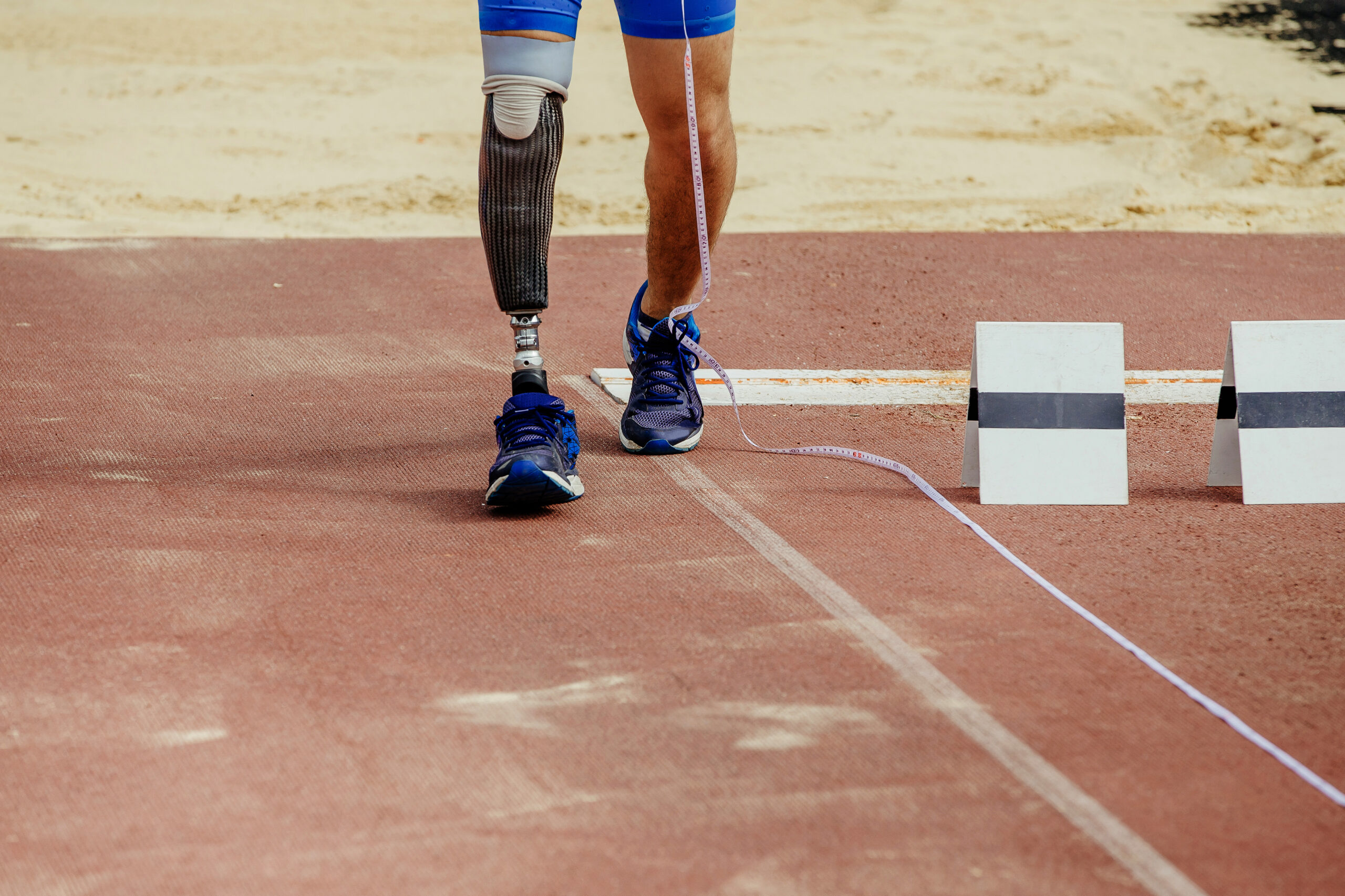
- Sprinting prosthetics with energy-return feet
- Precision upper-limb prosthetics for ball handling or lifting
- AI-assisted performance tracking for training optimization
3. Workplace Integration
Advanced prosthetics allow amputees to perform tasks requiring precision or endurance, from typing and assembly work to construction and manual labor.
4. Medical Rehabilitation
AI-enabled prosthetics can assist in rehabilitation:
- Monitoring gait or movement patterns
- Providing real-time feedback for therapists
- Encouraging active participation in recovery
Challenges and Considerations
While bionic limb technology is rapidly advancing, several challenges remain:
- Cost: High-tech prosthetics remain expensive and may not be widely accessible
- Battery life: Energy demands for AI and motorized limbs require frequent charging
- Training and adaptation: Users need guidance to fully exploit advanced features
- Integration with the body: Direct neural control is promising but still experimental
Addressing these challenges is essential for the widespread adoption and long-term success of bionic prosthetics.
Emerging Trends Shaping the Future of Prosthetics
1. Neural Interfaces
- Prosthetics controlled directly via nerve or brain signals
- Enables more intuitive movement and sensory feedback
2. Smart Prosthetic Ecosystems
- Prosthetics connected to smartphones or cloud systems
- Allows software updates, performance monitoring, and AI learning
3. Personalized Prosthetics
- AI and 3D scanning enable highly customized devices
- Sockets, joint resistance, and grip patterns tailored to individual users
4. Biologically Inspired Designs
- Soft robotics mimics natural muscle movement
- Haptic feedback replicates sensation and pressure
These trends indicate that prosthetics will continue to evolve beyond mechanical devices to integrated, intelligent extensions of the body.
Preparing for a Future with Bionic Limbs
For patients considering bionic limbs:
- Stay informed about emerging technologies and clinical trials
- Consult with prosthetists specializing in AI and advanced devices
- Consider lifestyle, activity level, and long-term goals when evaluating options
- Advocate for access to high-tech prosthetics and rehabilitation programs
The future of prosthetics is not just about restoring function but enhancing it, providing unprecedented mobility, independence, and quality of life.
Final Thoughts
The future of prosthetics promises a world that integrates with the human body, using AI to enhance mobility, independence, and quality of life. By staying informed and working with specialists, individuals can benefit from innovations that redefine life after limb loss.
Orthotics Ltd. is at the forefront of providing advanced prosthetic solutions, helping patients embrace the future of prosthetics with confidence and mobility. Contact us today!
Frequently Asked Questions
1. What is the difference between a bionic limb and a traditional prosthetic?
Bionic limbs use sensors, motors, and AI to mimic natural movement, while traditional prosthetics rely primarily on mechanical structures.
2. How does AI in prosthetics improve user experience?
AI analyzes movement patterns and predicts user intent, adjusting joint resistance and grip in real-time to provide smoother, more intuitive motion.
3. Are bionic limbs suitable for sports or high-impact activities?
Yes. Specialized bionic prosthetics are designed for athletic performance, offering energy return, precision control, and adaptive features for high-impact use.
4. Will future prosthetics provide sensory feedback?
Yes. Research is advancing toward haptic feedback and bio-integrated sensors that allow users to feel pressure, touch, and movement.
5. How expensive is advanced bionic limb technology?
Costs vary widely depending on features. AI-powered and highly adaptive bionic limbs are currently expensive, but prices may decrease as technology matures and becomes more accessible.
Sources:
- https://www.embs.org/pulse/articles/a-new-era-for-bionic-limbs/
- https://www.informationweek.com/machine-learning-ai/how-ai-is-revolutionizing-prosthetics-to-refine-movement
- https://pmc.ncbi.nlm.nih.gov/articles/PMC11325936/
- https://www.forbes.com/sites/williamhaseltine/2023/10/25/bionic-breakthrough-the-future-of-bioelectronic-prosthetics/
- https://spotlight.engin.umich.edu/mind-control-prosthesis/