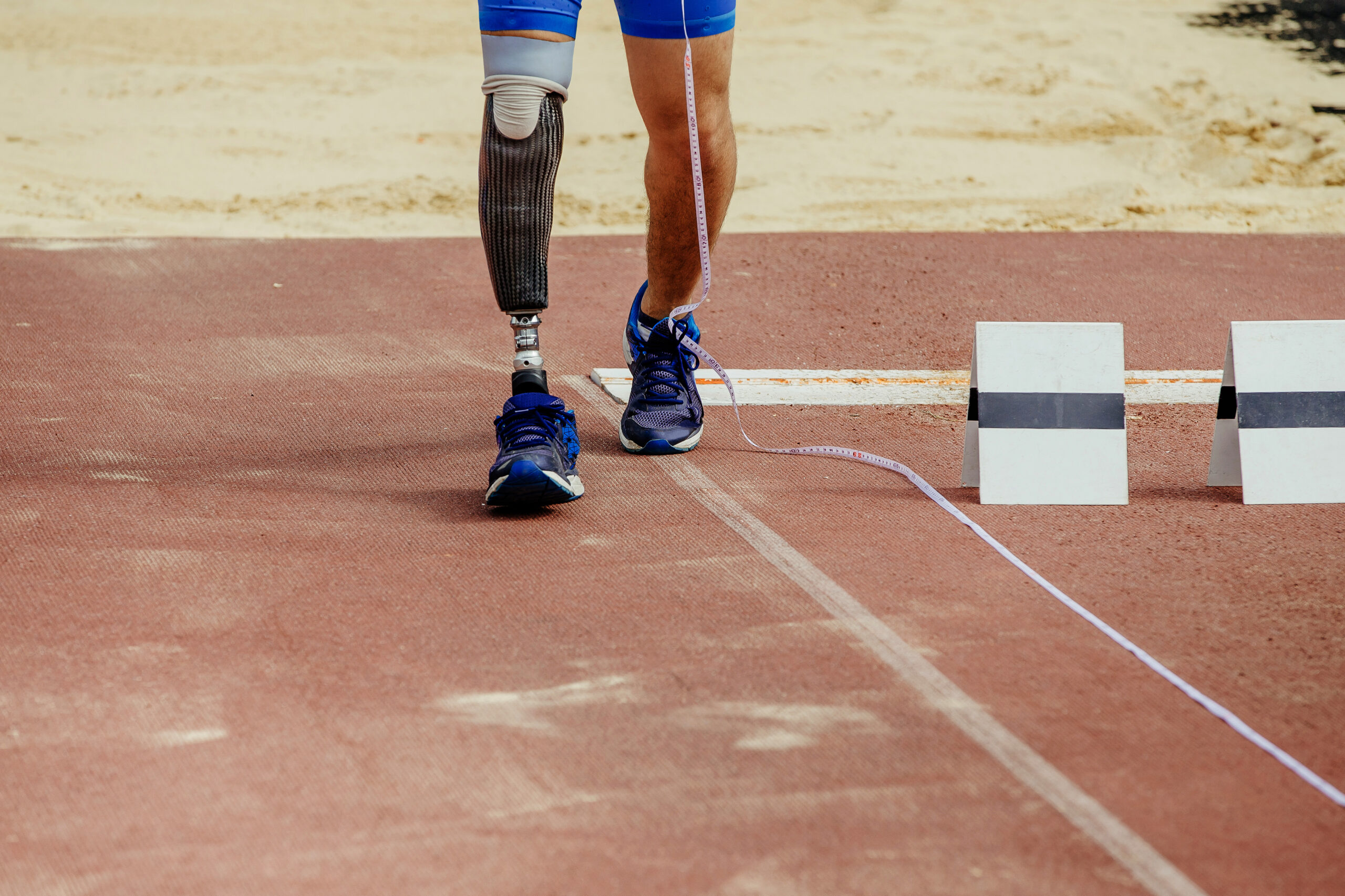
Tips for Training with an Athletic Prosthetic
Key Highlights
- Athletic prosthetics are designed to enhance performance in sports and physical activities.
- Proper training techniques are essential for safety, comfort, and injury prevention.
- Strength, balance, and flexibility exercises improve overall prosthetic efficiency.
- Tailoring your training routine to your sport maximizes performance.
- Regular maintenance and professional guidance ensure long-term success with athletic prosthetics.
Athletic prosthetics are specialized devices that allow individuals with limb loss to participate in sports, running, and other high-intensity activities. Unlike everyday prosthetics, athletic prosthetics are designed for dynamic motion, energy storage, and performance optimization. However, achieving peak performance requires proper training, conditioning, and knowledge of how to work with your prosthetic safely.
This guide offers comprehensive tips for training with an athletic prosthetic, helping you improve mobility, prevent injury, and reach your athletic goals.
Understanding Your Athletic Prosthetic
Before beginning any training program, it’s important to understand your device:
- Types of Athletic Prosthetics:
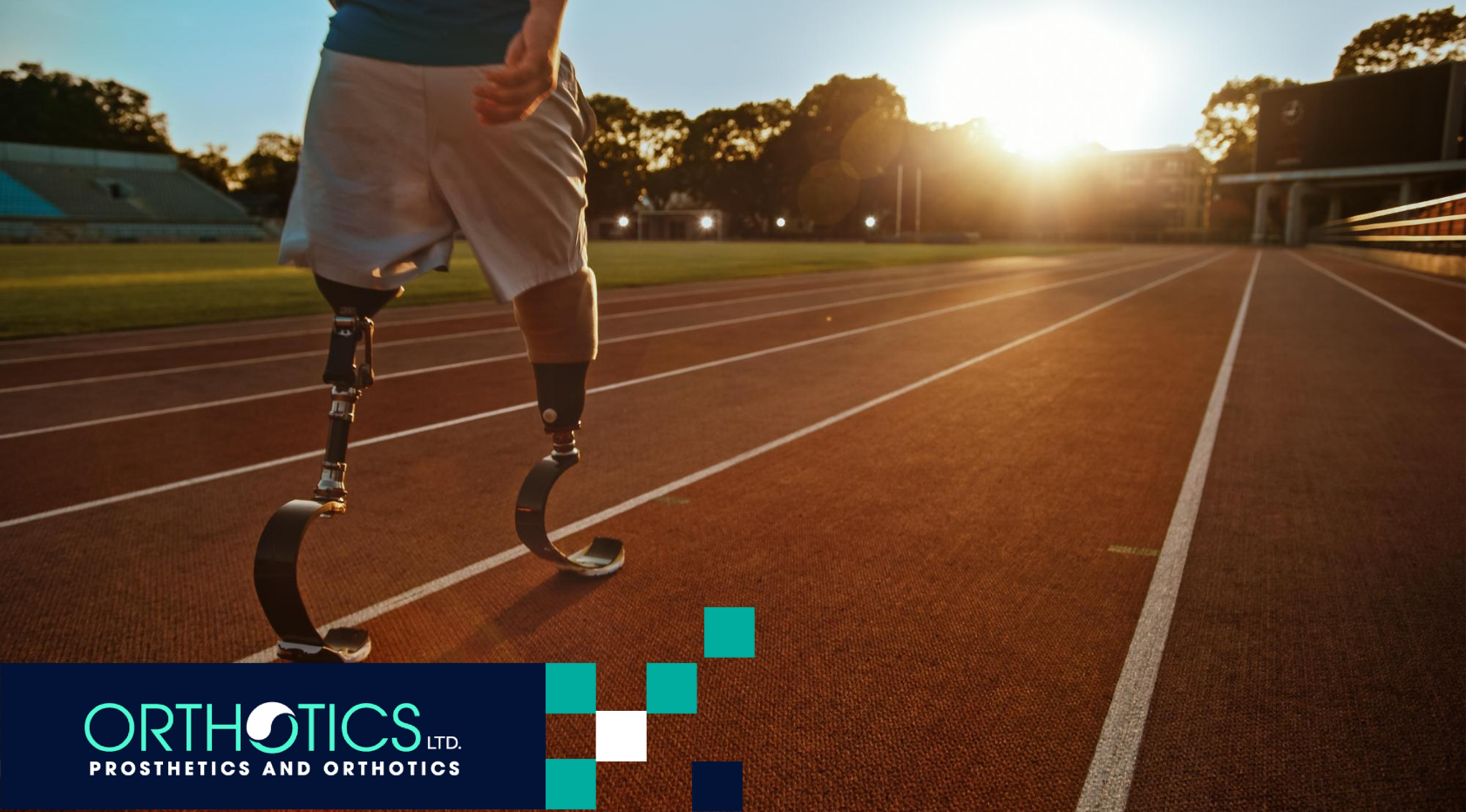
- Running Blades: Curved carbon fiber feet that store and release energy for sprinting and running.
- Cycling Prosthetics: Lightweight attachments designed for optimal pedaling efficiency.
- Multi-Sport Prosthetics: Adaptable devices for sports like basketball, skiing, or swimming.
- Key Features:
- Energy-storing materials for improved propulsion.
- Lightweight construction for speed and agility.
- Adjustable components to tailor performance to specific activities.
Understanding the mechanics of your prosthetic allows you to tailor your training and prevent unnecessary strain on your residual limb.
Safety Considerations
Training with an athletic prosthetic requires attention to safety to avoid injury and ensure long-term use.
- Consult Your Prosthetist: Regular check-ins help monitor fit, alignment, and comfort.
- Warm-Up Properly: Proper stretching and warm-up routines reduce the risk of muscle strains.
- Gradual Progression: Increase intensity, duration, and resistance slowly to allow adaptation.
- Monitor Skin and Residual Limb Health: Check for irritation or pressure sores after each session.
- Use Protective Gear: Depending on your sport, helmets, pads, and supportive braces may be necessary.
Strength Training
Building strength in key muscle groups supports better prosthetic control and performance. Focus on:
- Core Muscles: Enhance balance and stability.
- Leg Muscles: Quadriceps, hamstrings, and glutes improve running and jumping efficiency.
- Upper Body (for Upper Limb Prosthetics or Multi-Sport Activities): Strengthen arms, shoulders, and back to aid propulsion and endurance.
Sample Strength Training Routine:
| Exercise | Target Muscle | Reps/Sets | Notes |
|---|---|---|---|
| Squats | Quadriceps, Glutes | 3×12 | Use bodyweight or resistance bands |
| Deadlifts | Hamstrings, Glutes | 3×10 | Focus on controlled movement |
| Plank | Core | 3×30 sec | Engage abs and lower back |
| Push-Ups | Chest, Shoulders | 3×15 | Modify if needed for upper limb prosthetics |
| Single-Leg Balance | Ankles, Core | 3×20 sec per leg | Improves stability with prosthetic foot |
Strength training improves not only athletic performance but also overall safety and joint health.
Balance and Coordination
Athletic prosthetics alter natural movement, making balance and coordination critical:
- Balance Exercises:
- Single-leg stands on flat or uneven surfaces.
- Use a balance board for dynamic stability.
- Proprioception Training:
- Activities that enhance body awareness help prevent falls.
- Incorporate agility drills, ladder exercises, and reaction drills.
Improved balance enhances confidence and efficiency during sports or running.
Flexibility and Mobility
Maintaining flexibility is key for injury prevention and comfort with your prosthetic:
- Dynamic Stretching: Before workouts to prepare muscles for activity.
- Static Stretching: After workouts to maintain joint mobility.
- Hip, Knee, and Ankle Focus: These joints often adapt to prosthetic motion and need targeted stretching.
Incorporating yoga or pilates can also enhance flexibility and core stability.
Sport-Specific Training
Tailoring your routine to your chosen sport maximizes performance:
- Running: Focus on stride mechanics, cadence, and endurance.
- Cycling: Emphasize pedaling efficiency and leg endurance.
- Swimming: Upper body strength and stroke technique are critical.
- Basketball or Tennis: Agility drills, lateral movement, and reaction time.
Working with a coach familiar with adaptive sports can significantly accelerate progress.
Prosthetic Maintenance and Adjustment
Proper care of your athletic prosthetic ensures safety and optimal performance:
- Check for Wear: Inspect carbon fiber blades, screws, and socket components regularly.
- Keep It Clean: Wipe down after workouts to prevent the buildup of sweat or dirt.
- Lubricate Joints: If your prosthetic has moving parts, ensure smooth motion.
- Professional Adjustments: Regular prosthetist visits maintain proper alignment and fit.
Mental Preparation and Motivation
Athletic training with a prosthetic also involves mental conditioning:
- Set Realistic Goals: Focus on gradual improvement rather than comparison to others.
- Track Progress: Keep a training journal for performance, distance, and endurance.
- Stay Positive: Celebrate milestones and adapt strategies when challenges arise.
A motivated mindset complements physical training and enhances overall performance.
Nutrition and Recovery
Proper nutrition and recovery are essential for prosthetic athletes:
- Protein-Rich Diet: Supports muscle repair and growth.
- Hydration: Essential for energy and joint lubrication.
- Rest Days: Allow muscles and residual limb tissue to recover.
- Sleep: Adequate rest improves performance and reduces injury risk.
Recovery strategies such as foam rolling, massage, and gentle stretching aid long-term training sustainability.
Common Challenges and Solutions
| Challenge | Solution |
|---|---|
| Skin Irritation | Use padded liners, proper hygiene, and socket adjustments |
| Muscle Fatigue | Gradual intensity increase, rest days, and strength training |
| Balance Issues | Incorporate targeted balance and proprioception exercises |
| Prosthetic Slippage | Ensure proper socket fit and consult a prosthetist for adjustments |
| Motivation Drops | Set small achievable goals and track progress visually |
Understanding common challenges allows athletes to adapt proactively.
Final Thoughts
Training with an athletic prosthetic requires dedication, proper technique, and consistent care. By focusing on strength, balance, flexibility, and sport-specific drills, individuals can maximize performance, prevent injury, and enjoy an active lifestyle. Proper prosthetic maintenance and mental preparation further support long-term success.
For guidance on athletic prosthetics and personalized training plans, Orthotics Ltd. provides expert support, innovative devices, and professional advice to help athletes reach their full potential. Reach out today!
Frequently Asked Questions
1. Can anyone use an athletic prosthetic?
Athletic prosthetics are suitable for individuals with limb loss who want to participate in sports. Consultation with a prosthetist is recommended to choose the right device.
2. How long does it take to get used to an athletic prosthetic?
Adaptation varies by individual, activity level, and prosthetic type. Most users notice improvement within weeks, but full mastery may take months of consistent training.
3. Are running blades suitable for everyday walking?
Running blades are optimized for sprinting and running. They may not provide comfort or stability for prolonged everyday walking.
4. How often should an athletic prosthetic be adjusted?
Regular check-ups every 3-6 months, or sooner if discomfort arises, help maintain fit, alignment, and performance.
5. Can training with a prosthetic prevent injuries?
Yes, proper strength, balance, and flexibility training reduce the risk of injury while enhancing mobility and performance.
Sources:
- https://www.purdue.edu/preprofessional/careers/Prosth%20.php
- https://www.physio-pedia.com/Prosthetic_rehabilitation
- https://www.healthline.com/health/fitness/proprioception-exercises
- https://pmc.ncbi.nlm.nih.gov/articles/PMC11858377/
- https://www.frontiersin.org/journals/nutrition/articles/10.3389/fnut.2025.1572961/full