Upper Limb Prosthetics: What You Should Know
Key Highlights
- Upper limb prosthetics range from cosmetic designs to advanced bionic arms
- Arm prosthetics can improve mobility, independence, and confidence
- Prosthetic hand options vary based on function, control system, and lifestyle needs
- Comfort, socket fit, and training are crucial for successful use
- Advancements in technology continue to make upper extremity prosthesis devices more natural and responsive
Losing an arm or part of an upper limb is a life-changing event, but today’s upper limb prosthetics make it possible to regain independence, confidence, and functionality. Whether the need comes from an accident, illness, or congenital condition, the right device can restore not just movement, but also quality of life.
This guide breaks down everything you should know about arm prosthetics, from the different types available to choosing the right prosthetic hand options based on your daily needs.
Understanding Upper Limb Prosthetics
Upper limb prosthetics are designed to replace the function and appearance of a missing arm, hand, or part of the upper limb. They can be purely cosmetic, fully functional, or a combination of both.
The main goals of these devices are:
- Restoring function for daily activities like eating, dressing, and writing
- Enhancing appearance to promote self-confidence and social comfort
- Supporting participation in work, sports, and hobbies
Types of Arm Prosthetics
Upper limb prosthetic devices can be categorized into several main types:
| Type | Description | Best For |
|---|---|---|
| Passive (Cosmetic) | Lightweight, natural-looking devices with minimal or no movement | Appearance, light tasks |
| Body-Powered | Controlled using a harness and cable system linked to body movement | Durability, heavy use |
| Externally Powered (Myoelectric) | Battery-powered devices controlled by muscle signals | Precision tasks, multiple grip patterns |
| Hybrid | Combines body-powered and myoelectric systems | Versatility, partial limb loss |
| Activity-Specific | Designed for sports, music, or job-related tasks | Specialized performance needs |
Factors to Consider When Choosing an Upper Extremity Prosthesis
When selecting an upper extremity prosthesis, your decision should be based on more than just appearance. Key considerations include:
- Level of Amputation: Above elbow, below elbow, wrist disarticulation, or partial hand
- Lifestyle and Activities: Work requirements, sports participation, hobbies
- Budget and Insurance Coverage: Advanced devices may require a higher investment
- Weight and Comfort: A device that is too heavy or poorly fitted will be harder to use
- Control Preference: Some prefer mechanical control; others like electrical systems
Prosthetic Hand Options
Today’s prosthetic hand options range from simple grip tools to advanced bionic hands with multiple functions. Here are some examples:
- Simple Hooks or Grippers: Lightweight, durable, easy to control
- Single-Grip Hands: Open and close for basic tasks like holding objects
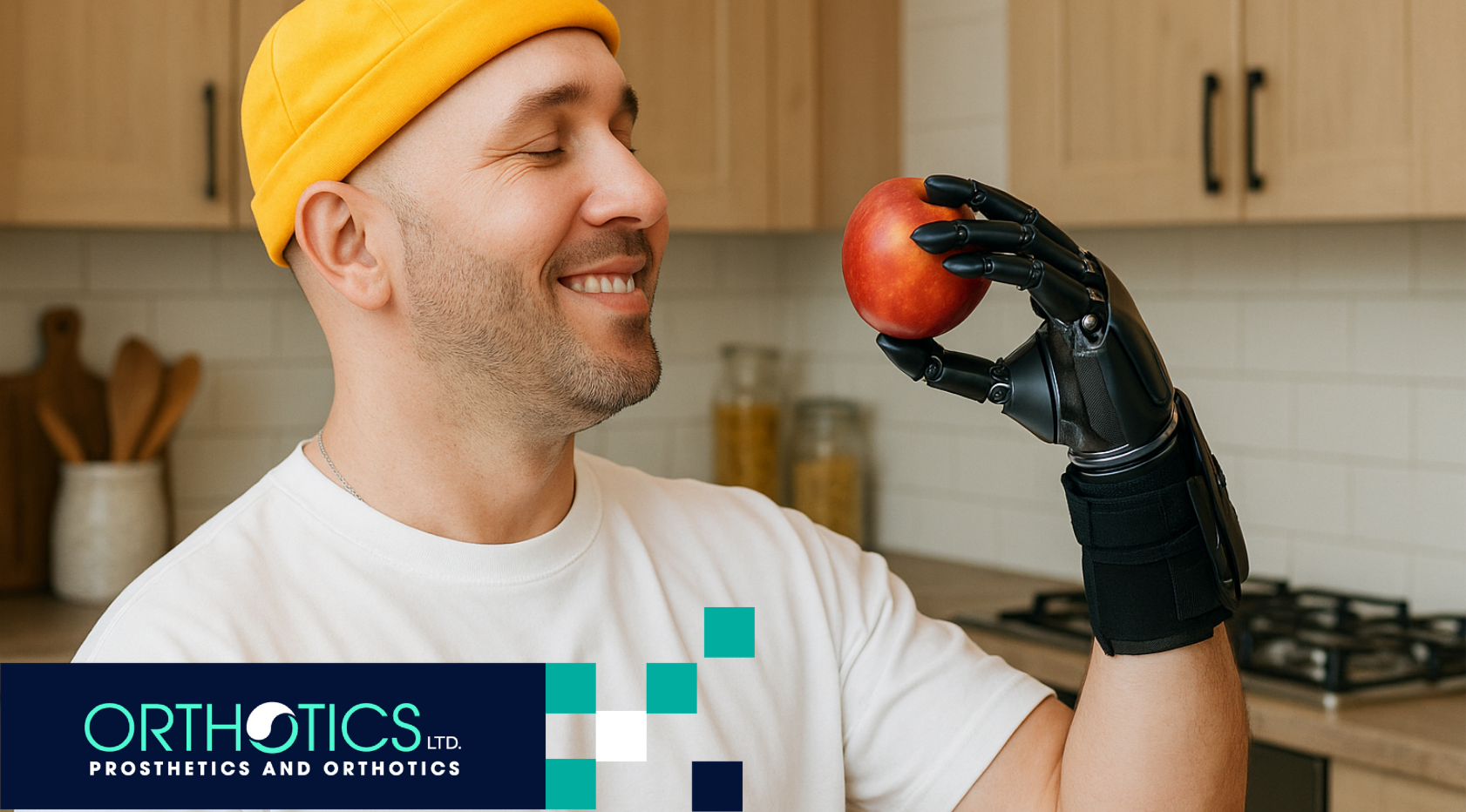
- Multi-Articulating Hands: Allow individual finger movement and multiple grip patterns
- Specialized Hands: Designed for sports, music, or job tasks
- Custom Cosmetic Hands: Designed for a lifelike look with realistic skin tones
Training and Adaptation
Getting a prosthesis is only the first step. Training with an occupational or physical therapist is essential for learning to:
- Control movement effectively
- Build muscle strength for device use
- Integrate the prosthesis into daily routines
- Prevent overuse injuries in the opposite limb
Most people go through a gradual adaptation process, starting with basic activities and progressing to more complex tasks.
Maintenance and Care
To keep your arm prosthetics in good condition:
- Clean the socket daily to prevent skin irritation
- Check moving parts regularly for wear and tear
- Charge batteries (for myoelectric devices) every night
- Schedule follow-ups with your prosthetist for adjustments
Emotional and Social Support
Beyond physical function, upper limb loss can affect self-image and emotional health. Joining support groups, connecting with other prosthetic users, and seeking counseling can help in adjusting to life with an upper extremity prosthesis.
Future of Upper Limb Prosthetics
Advancements in technology are creating lighter, more responsive devices with improved grip strength, tactile feedback, and even AI-driven control. As innovation continues, prosthetic hand options will become even more natural and adaptable.
Final Thoughts
Upper limb prosthetics offer life-changing possibilities for people with arm loss. Whether you need a cosmetic arm, a sports-specific device, or a multi-functional bionic hand, there’s an option tailored to your lifestyle. With the right upper extremity prosthesis, proper training, and ongoing care, users can lead active, independent lives.
At Orthotics Ltd., we provide personalized assessments, fittings, and follow-up care for all types of arm prosthetics. Our team ensures that every device is comfortable, functional, and suited to your needs, because restoring your movement means restoring your freedom. Reach out today!
Frequently Asked Questions
1. How long does it take to get used to an arm prosthetic?
Most people need several weeks to months of training to adapt to their prosthesis. The time varies depending on the type of device and individual needs.
2. Are myoelectric prosthetics better than body-powered ones?
It depends on your lifestyle. Myoelectric devices offer advanced grip functions but require charging and careful handling, while body-powered ones are more durable and low-maintenance.
3. How often should I replace my prosthetic hand?
On average, prosthetic components last 3–5 years, but this depends on usage, activity level, and maintenance. Regular check-ups can extend their lifespan.
Sources:
- https://www.msdmanuals.com/home/special-subjects/limb-prosthetics/limb-prostheses-options
- https://www.bbc.com/news/technology-68368439
- https://my.clevelandclinic.org/health/treatments/prosthetic-arm
- https://magazine.medlineplus.gov/article/prosthetics-through-the-ages
- https://www.darpa.mil/research/programs/revolutionizing-prosthetics