• Home
  • About Us
    • Insurance
  • Clinics
    • Harriman
    • Port Jefferson Station
    • Brooklyn
    • Hempstead
  • Prosthetics
    • Prosthetic Options
    • Upper Limb
      • Arms
      • Hands
      • Fingers
      • Shoulder
      • Elbow
      • Wrist Joint
    • Lower Limb
      • Hip
      • Leg
      • Knee
      • Foot
      • Ankle
      • Toe
    • Athletic & Sports Prosthetics
    • Cosmetic Covers
    • Socket Systems
  • Orthotics
  • Resources
    • Blog
  • Contact
  • Home
  • About Us
    • Insurance
  • Clinics
    • Harriman
    • Port Jefferson Station
    • Brooklyn
    • Hempstead
  • Prosthetics
    • Prosthetic Options
    • Upper Limb
      • Arms
      • Hands
      • Fingers
      • Shoulder
      • Elbow
      • Wrist Joint
    • Lower Limb
      • Hip
      • Leg
      • Knee
      • Foot
      • Ankle
      • Toe
    • Athletic & Sports Prosthetics
    • Cosmetic Covers
    • Socket Systems
  • Orthotics
  • Resources
    • Blog
  • Contact
(914) 337-8600

Osseointegration: What It Is & Who Qualifies
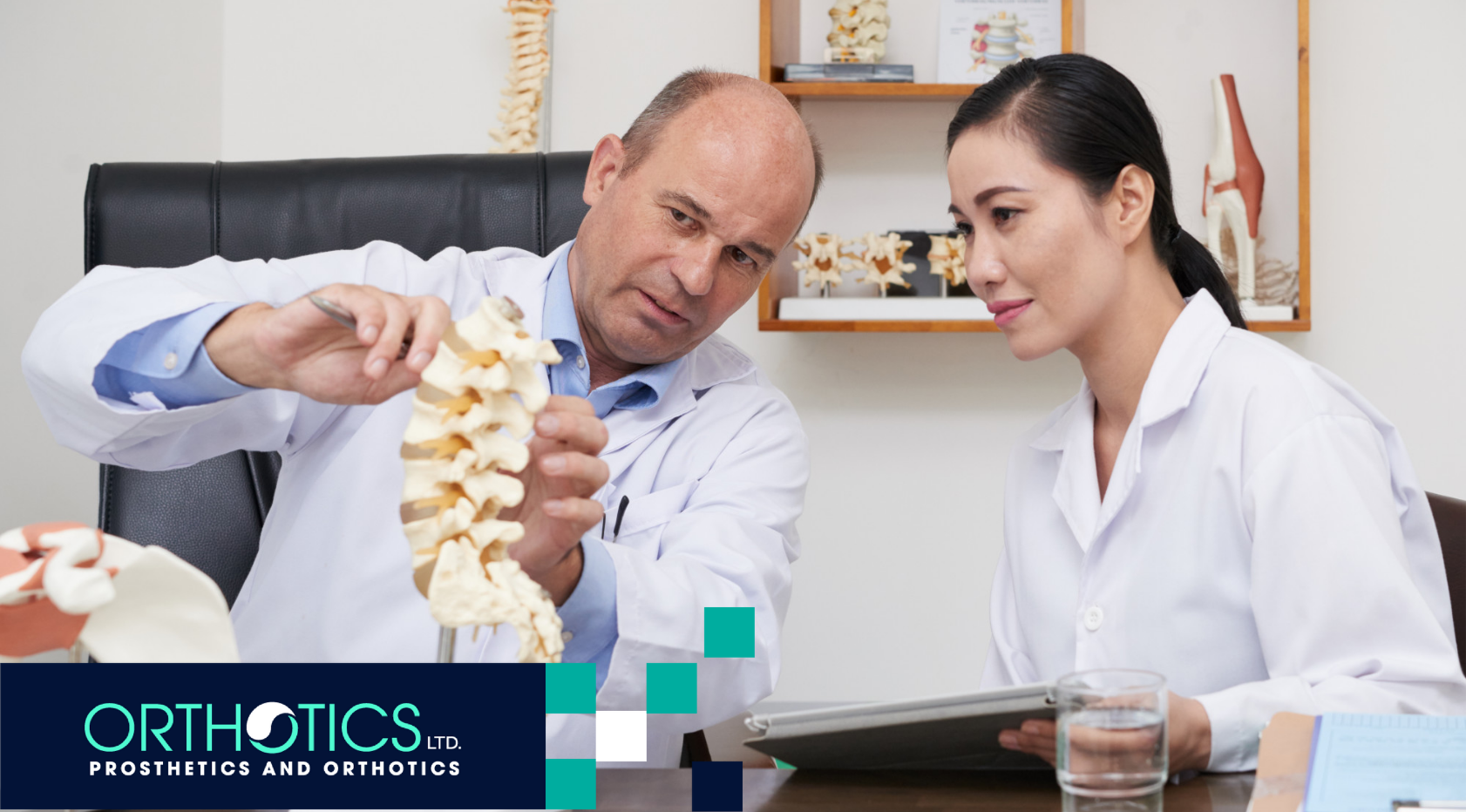
Osseointegration: What It Is & Who Qualifies
October 14, 2025 By Orthotics 0 comments
Learn about osseointegration, the benefits of an osseointegrated prosthetic limb, and who qualifies for an osseointegrated limb procedure.

Key Highlights

  • Osseointegration connects a prosthetic limb directly to bone, bypassing sockets.
  • An osseointegrated prosthetic limb offers better stability, comfort, and proprioception.
  • Benefits include fewer socket-related issues, improved gait, and longer wear time.
  • Not every amputee qualifies — criteria include bone health, residual limb length, and overall health.
  • The evaluation and rehabilitation process is rigorous, and long-term follow-up is essential.


For many amputees, traditional socket prostheses can bring discomfort, skin issues, misalignment, and limitations in mobility. Osseointegration is an emerging surgical technique that aims to overcome many of these challenges by anchoring a prosthetic device directly into the remaining bone.

In this article, we’ll explain what osseointegration is, how an osseointegrated prosthetic limb works, its advantages and risks, who is eligible for an osseointegrated limb solution, and what the evaluation, surgery, and recovery journeys look like.

What Is Osseointegration?

Definition and Concept

Osseointegration (from “osseus” = bone, “integration” = joining) refers to the process by which living bone grows into and bonds directly to a specially designed implant surface without intervening soft tissue.

In the context of limb replacement, osseointegration describes the surgical technique of embedding a rigid metal implant into the residual bone of an amputated limb, with part of the implant protruding through the skin (the “abutment”) to allow a prosthetic limb to attach directly.

This direct bone-to-implant connection allows load transfer, stability, and a more intimate coupling of the prosthetic to the skeleton.

How an Osseointegrated Prosthetic Limb Works

  1. Implant insertion: Surgeons place a biocompatible implant (typically titanium or titanium alloy, often with porous or coated surfaces to promote bone ingrowth) into the medullary canal of the residual bone (e.g., femur, tibia, humerus).
  2. Bone integration (healing period): Over weeks to months, bone tissue grows onto and into the implant surface, securing it.
  3. Abutment (percutaneous interface): A transcutaneous abutment or post protrudes through the skin. This allows the external prosthetic limb to connect directly.
  4. Prosthetic attachment: The prosthetic limb (leg, arm, or other) is mounted onto the abutment using mechanical coupling systems (e.g., locking mechanisms, quick-release connectors).
  5. Load transfer and feedback: When the user walks, the loads (forces) travel through the prosthetic, into the abutment and implant, then into the bone. Because the bone senses vibration and force, a user can experience a degree of osseoperception — perceiving surface textures, impact, or position through the implant.


This direct skeletal coupling contrasts with traditional socket prostheses, where forces must cross soft tissue, skin, and socket interfaces, often leading to slippage, friction, skin breakdown, and discomfort.

Benefits & Advantages of an Osseointegrated Limb

The osseointegrated prosthetic limb offers several advantages over socket-based systems. Some of the major benefits include:

Benefit Explanation / Impact
Improved comfort Eliminates many socket-related problems—no pinching, skin irritation, sweating, pressure sores, or chafing.
Better stability & control More direct force transfer from bone to prosthesis yields enhanced control, stability, and natural gait dynamics.
Enhanced proprioception / osseoperception Users can sense terrain, steps, vibration, and limb position more naturally through bone conduction.
Increased wear time Without socket discomfort, users often tolerate longer daily prosthesis use.
Better range of motion & sitting ease No bulky socket means increased hip/knee motion and more comfortable sitting.
Reduced need for socket adjustments As body volume fluctuates, socket fittings may require frequent adjustment; osseointegration sidesteps much of that.

In short, the osseointegrated limb can deliver a more natural, stable, and comfortable experience than many traditional prosthetic options.

However, it is not without challenges and risks, which we’ll address later.

Who Qualifies for Osseointegration?

Not every amputee is a suitable candidate for osseointegration. Rigorous screening, multidisciplinary evaluation, and specific anatomical and medical criteria must be met to ensure success and minimize complications.

Ideal Candidate Characteristics

Some of the common eligibility considerations include:

  • Poor socket tolerance or dissatisfaction: Many candidates explore osseointegration because they struggle with conventional sockets (skin problems, pain, poor fit).

  • Residual limb anatomy and bone quality

    • Adequate bone stock: sufficient cortical thickness and length to anchor the implant.
    • No active bone infection (e.g., osteomyelitis) or compromised vascular supply.
    • Clean soft tissue envelope: skin and soft tissues must be healthy and manageable.
  • General health & comorbidities: Candidates must be able to undergo surgery and long rehabilitation. Severe systemic disease (e.g., uncontrolled diabetes, vascular disease) may exclude candidacy.
  • Commitment to rehabilitation & follow-up care: Success depends on compliance with physical therapy, hygiene around the abutment, regular clinical monitoring, and managing complications if they arise.
  • Age and body weight considerations: Some centers limit to certain age ranges (e.g., 16 to 65) and apply weight restrictions, depending on risk of mechanical overload.
  • Psychosocial readiness: The patient must understand risks (infection, fracture, revision), commitment to care, and realistic expectations.


Exclusion Criteria

Some conditions commonly exclude candidacy:

  • Active or prior bone infection near the site
  • Poor vascular supply or ischemic limbs
  • Severe osteoporosis or bone quality is too weak
  • Very short residual limbs without sufficient bone
  • Inadequate soft tissue coverage or skin integrity
  • Patients unwilling or unable to commit to long-term follow-up and hygiene


Because standardized guidelines are limited, each center may apply somewhat different criteria.

The Evaluation & Screening Process

Before any surgery is scheduled, patients typically undergo a detailed pre-screening and multidisciplinary evaluation.

Steps in Evaluation

  1. Medical history & goals review: Providers review the patient’s overall health, prior surgeries, comorbidities, prosthetic history, and patient goals.
  2. Physical and residual limb examination: Inspect skin conditions, soft tissues, vascular status, muscle condition, and residual limb geometry.
  3. Imaging studies: CT scans and thin-cut radiographs help assess bone length, quality, cortical thickness, and medullary canal geometry.
  4. Multidisciplinary consultation: Teams often include orthopedic surgeons, plastic surgeons, prosthetists, physiatrists, rehab specialists, infectious disease specialists, vascular medicine, wound care, etc.
  5. Risk assessment and planning: Patients are counseled on risks (infection, fracture, implant failure), benefits, rehabilitation timeline, and hygiene responsibilities.
  6. Preoperative optimization: Address modifiable risk factors (e.g., smoking cessation, nutrition optimization, controlling diabetes), clear infections, and prepare the soft-tissue environment.


Only after passing these phases can surgery be considered.

Surgical Approach & Procedure

The surgical process to obtain an osseointegrated limb can differ by center, implant system, and anatomical location. Some centers perform it in one stage; others use a two-stage approach.

Types & Stages

  • One-stage procedure: Implant and abutment installation in a single surgical event, which allows earlier rehabilitation.
  • Two-stage procedure: First stage: the implant is placed and internal to the bone. After a healing period, a second surgery creates the percutaneous interface (abutment).


The choice depends on bone quality, risk mitigation strategies, implant design, and surgeon preference.

Surgical Steps (Generalized)

  1. Residual bone preparation and reaming
  2. Insertion of the fixture (implant) into the bone
  3. Soft tissue contouring and closure (in stage one)
  4. After healing, the creation of an opening in soft tissue to allow abutment protrusion
  5. Abutment attachment and external prosthesis coupling
  6. Soft tissue stabilization around the skin-implant interface


Special attention is given to managing neuromas, soft tissue coverage, infection prevention, and achieving robust mechanical alignment.

Rehabilitation & Recovery Timeline

Osseointegration is not a quick fix. The rehabilitation journey is gradual, cautious, and structured.

Typical Timeline

Phase Timeframe Focus / Milestones
Initial healing Weeks 0–6 (or as defined) Tissue healing, implant stability, wound care, hygiene training
Gradual loading / partial weight-bearing Weeks 6–12+ Slowly increase loading on the implant (e.g., 20 lbs at a time)
Attachment of the prosthesis Weeks ~3–10 depending on protocol Connect the initial prosthetic limb, and begin gait training
Progressive ambulation & rehabilitation Months 3–6+ Increase functional walking, dynamic alignment, strength, and balance
Long-term follow-up 1 year and beyond Monitoring for infection, implant loosening, and prosthetic adjustments

Many patients begin walking (with support) at three months or so after full integration and prosthesis attachment.

Key Rehabilitation Considerations

  • Hygiene and care of the skin-implant interface (daily cleaning, inspection)
  • Gradual increase in load and activity to avoid overload or fracture
  • Prosthetist and physical therapy collaboration to refine alignment, gait, and strength
  • Monitoring for signs of skin infection, soft tissue complications, and mechanical issues
  • Possible adjustments, component changes, or revisions as needed


Risks, Challenges & Long-term Considerations

While the benefits of an osseointegrated limb are promising, there are inherent risks and trade-offs to consider.

Potential Risks & Complications

  • Infection: Because the implant breaches the skin, superficial or deep infections are possible. Management ranges from antibiotics to debridement or even implant removal.
  • Implant loosening / non-union: Occurs when the bone does not properly integrate with the implant.
  • Periprosthetic fracture: Fracture at or around the implant-bone interface due to falls or overload.
  • Mechanical failure: Component wear, fatigue, or connector failure over time may require maintenance or replacement.
  • Soft tissue complications: Skin irritation, hypertrophy, scarring, and excessive motion at the skin interface.
  • Overuse, alignment issues, or joint stress: Improper alignment or loading can stress adjacent joints or soft tissues.


Long-Term Outlook & Maintenance

  • The implant is designed for long-term use, potentially many years, though some components (connectors, OI parts) may require periodic replacement.
  • Because the field is relatively young (especially in certain countries), long-term data (20+ years) are still emerging.
  • Patient selection, surgical technique, hygiene, follow-up, and rehabilitation are key to durability.
  • Revisions may be required in cases of fracture, loosening, or infection.


Comparing Osseointegration vs. Traditional Socket Prostheses

It’s helpful to contrast osseointegrated limbs and socket prostheses to understand trade-offs:

Aspect Socket Prosthesis Osseointegrated Limb
Attachment Encloses the residual limb with a socket Direct bone anchorage via implant + abutment
Skin & soft tissue stress High friction, pressure, sweating, skin breakdown Bypasses many socket-related stresses
Stability & control Indirect, mediated by soft tissue Direct load transfer, improved stability
Sensory feedback Limited Enhanced osseoperception
Daily wear tolerance Often limited by comfort Often longer wear time
Need for adjustments Frequent as limb volume changes Reduced need for socket refitting (though components may change)
Infection risk Lower (no skin breach) Higher (transcutaneous interface)
Surgical risk None (non-surgical) Requires invasive surgery, rehab, and follow-up

Osseointegration is not necessarily superior for every person, but for well-selected candidates, it can overcome many limitations of socket systems.

Is Osseointegration Right for You?

If you are considering an osseointegrated prosthetic limb, here are some guiding questions:

  • Are you experiencing significant issues with socket prostheses (pain, skin problems, poor fit)?
  • Do you have adequate residual bone length and quality to anchor an implant?
  • Are you in generally good health (able to undergo surgery and rehabilitation)?
  • Are you committed to ongoing hygiene, follow-up, and maintenance?
  • Do you have realistic expectations of benefits and risks?
  • Does your prosthetist and surgeon team have experience with osseointegration?


A highly specialized prosthetics & orthotics clinic or limb restoration center can help you assess suitability and guide you through evaluation.

Final Thoughts

Osseointegration marks a transformative advancement in prosthetic limb technology. By anchoring a prosthesis directly to the skeleton, an osseointegrated limb can deliver greater comfort, stability, and a closer “feel” to natural limb function. However, success depends heavily on strict candidate selection, meticulous surgical technique, disciplined rehabilitation, and long-term care.

If you or someone you know is exploring options for innovation beyond sockets, a consultation with a team experienced in osseointegration is essential. Reach out to Orthotics Ltd. for expert guidance, prosthetic design, and ongoing support.


Frequently Asked Questions

1. What is the timeline for full recovery after osseointegration surgery?

Recovery is gradual. Bone integration typically takes several months (often 3 months or more). Prosthetic attachment and gait training begin after that, with continuing rehab over 6 months or longer.

2. Can osseointegration be done for both upper and lower limbs?

Yes. Osseointegration has been applied to the femur, tibia, humerus, radius, ulna, and forearm bones, offering direct attachment of arms or legs.

3. Is infection a major risk?

Because the implant passes through the skin, infection (superficial or deep) is a notable risk. Rigorous hygiene, monitoring, and early treatment reduce risks.

4. How long do osseointegrated implants last?

Implants are intended to last many years, possibly decades. However, connectors or prosthetic components may require periodic changes, and revision surgery is possible with complications.

5. Does every amputee qualify for osseointegration?

No. Candidates must meet anatomical, medical, and behavioral criteria. Factors like bone health, absence of infection, residual limb length, general health, and willingness for follow-up are critical in determining eligibility.


Sources:

  • https://medschool.cuanschutz.edu/orthopedics/clinical-services/cu-limb-restoration-program/osseointegration/what-is-osseointegration
  • https://pmc.ncbi.nlm.nih.gov/articles/PMC10979937/
  • https://www.mayoclinic.org/medical-professionals/orthopedic-surgery/news/osseointegration-making-prosthetics-possible-for-high-leg-amputations/mac-20537650
  • https://pmc.ncbi.nlm.nih.gov/articles/PMC7161721/
Osseointegrationprosthetics
Copied!
previous post
Debunking Common Myths About Prosthetic Limbs
next post
How to Choose Custom Prosthetics in New York City

Related Posts

Prosthetics and cosmetic covers being made
When to Replace Cosmetic Prosthetic Covers
Learn when to replace your prosthetic cosmetic covers for comfort, durability, hygiene,...
Read more
A perosn wearing prosthetics sitting on a chair with a blue background
How Socket Design Impacts Prosthetic Performance
Learn how prosthetic socket design affects comfort, gait efficiency, and performance —...
Read more
An amputee wearing prosthetics sitting on a grass ooutdoors
Prosthetic Feet Options for Outdoors
Discover prosthetic feet options for outdoors — from hiking to cycling and...
Read more
An amputee athlete fixing his prosthetic
Future Trends in Sports Prosthetics & Performance
Explore future trends in sports prosthetics, from AI‑powered limbs to 3D‑printed custom...
Read more
Prosthetic accessories
Prosthetic Accessories That Make Daily Life Easier
Discover essential prosthetic accessories that improve comfort, mobility, and ease of daily...
Read more
An athletic amputee wearing prosthetic standing in a track field
How to Prevent Injuries While Using Sports Prosthetics
Learn how to prevent injuries while using sports prosthetics, including training tips,...
Read more
A prosthetic leg
Hard vs Soft Socket Systems: Key Differences
Learn the differences between hard and soft socket systems for prosthetics, including...
Read more
An amputee wearing a prosthetic riding a stationary bicycle
The Role of Cosmetic Covers for Prosthetics in Boosting Confidence
Discover how cosmetic covers for prosthetics boost confidence, improve aesthetics, and enhance...
Read more
An athlete wearing a prosthetic training in a track
Tips for Training with an Athletic Prosthetic
Learn tips for training with an athletic prosthetic, including exercises, safety strategies,...
Read more
Two experts during prosthetics making
Evolution of Prosthetic Options Over Time
Discover how prosthetic options have evolved over time, from basic designs to...
Read more
An amputee wearing a prosthetic standing outdoors wearing jeans and white shoes
Adaptive Prosthetic Fashion: Dress Comfortably & Confidently
Discover adaptive prosthetic fashion techniques to dress comfortably and confidently with your...
Read more
A medical staff stretching a woman's feet
Can Orthotics Correct Uneven Leg Length? What Science Says
Explore how orthotics can correct uneven leg length, when they help leg...
Read more
A model of a foot used for clinics and foot insoles held by a doctor
Do Orthotics Really Work? What Science Says
Explore whether orthotics really work, reviewing what science says about orthotic benefits,...
Read more
A man eating a healthy plate of food
Nutrition Tips for Orthotic Users: Healthy Eating Guide
Key Highlights Proper nutrition plays a crucial role for orthotic users in...
Read more
An athlete wearing prosthesis running in a track
Prosthetics in the Paralympics: Inspirational Stories of Technology & Triumph
Explore the advancement of prosthetics in the Paralympic Games through stirring stories...
Read more
A person is stretching his foot
Common Orthotics Myths — Debunked!
common orthotics myths
Read more
A patient lying on a hospital bed with doctors surrounding him
Overcoming Fear of Amputation: Mental Preparation Tips
Learn how to overcome the fear of amputation with mental preparation strategies,...
Read more
An amputee wearing prosthetics doing home exercise
Home Exercises for Prosthetic Users: Safe & Effective Guide
Discover home exercises for prosthetic users to build strength, balance, gait confidence,...
Read more
An elderly woman standing up using a cane
Prosthetics for Seniors: What You Need to Know
Find out how the right prosthetics for seniors can enhance comfort and...
Read more
A doctor assisting a patient's foot
The Role of Orthotics in Post-Surgery Recovery
Discover how orthotics in post-surgery recovery help stabilize joints, reduce strain, and...
Read more
A woman is stretching her foot
Footwear Mistakes That Can Damage Your Orthotics
Learn the common footwear mistakes that can damage your orthotics and discover...
Read more
A man putting an insole into a shoe
Different Types of Orthotics Explained
Discover the different types of orthotics, from spinal orthoses to the advanced...
Read more
An amputee wearing prosthetics sitting on a bench
Upper Limb Prosthetics Options: What You Need to Know
Explore this guide to upper limb prosthetics options, from body-powered to myoelectric...
Read more
An amputee wearing prosthetics standing
Exploring Different Lower Limb Prosthetics Options
Explore the full range of lower limb prosthetics options, from hip to...
Read more
A runner is running in a track wearing prosthetics
Sports Prosthetic Types: What They Are & What They Do
Explore the different sports prosthetic types, from running to horseback riding, and...
Read more
An insurance policy paperwork
Prosthetics and Orthotics Insurance: How Orthotics Ltd. Handles It
Learn how prosthetics insurance and orthotics insurance work, and how our team...
Read more
A cyclist wearing prosthetics
How Sport Prosthetics Work: Can One Be Used for Multiple Sports?
Explore how sport prosthetics work, whether one device can support multiple activities,...
Read more
An amputee wearing prosthetics doing stretches with his therapist during occupational therapy
How Occupational Therapy Helps Upper Limb Prosthetic Users
Discover how occupational therapy supports upper limb prosthetic users, improving function, mobility,...
Read more
An amputee wearing prosthesis sitting on the grass
How Myoelectric Prosthetics Work: A Complete Guide
Learn how myoelectric prosthetics work, their components, control mechanisms, benefits, and tips...
Read more
An amputee wearing a lower-limb prosthesis stretching his legs
Living with a Lower-Limb Prosthesis: Tips for Daily Life
Discover practical tips for living with a lower-limb prosthesis, from daily care...
Read more
A woman laying on a bed for orthotics fitting
Early Signs You Might Need an Orthotic Device
Learn the early signs you might need an orthotic device, how orthotic...
Read more
A doctor checking a patients foot for custom prosthetics in New York City
How to Choose Custom Prosthetics in New York City
Learn how to choose a prosthetic clinic offering custom prosthetics in New...
Read more
An amputee wearing a prosthetic
Debunking Common Myths About Prosthetic Limbs
Explore common myths about prosthetic limbs and debunk the misconceptions. Learn how...
Read more
An amputee wearing a prosthetic leg skating outdoors
What Is the Difference Between Prosthetics and Orthotics?
Discover the difference between prosthetics and orthotics, including definitions, purposes, applications in...
Read more
A woman wearing a prosthetic sitting on grass
Women in Prosthetics: Stories of Strength & Recovery
Explore inspiring accounts of women in prosthetics whose journeys with prosthetics women...
Read more
An amputee wearing a prosthetic limb is doing physical therapy
Physical Therapy After Prosthetic Limb: Key Role & Benefits
Discover how physical therapy after prosthetic limb fitting accelerates adaptation, improves gait,...
Read more
A kid with cerebral palsy
The Benefits of Orthotics for Cerebral Palsy Patients
Discover how orthotics for cerebral palsy help stabilize joints, enhance gait, and...
Read more
An elderly person sitting on a bed holding her foot
Orthotics for Seniors: Mobility Support and Fall Prevention
Learn how orthotics for seniors improve balance, mobility, and prevent falls. Discover...
Read more
A runner wearing orthotics running up the stairs
Orthotics for Runners: Reducing Injury Risk and Enhancing Performance
Discover how orthotics for runners improve comfort, prevent injuries, and boost performance....
Read more
An amputee wearing a prosthetic stretching outdoors
Orthotics for Back Pain: Improve Posture and Reduce Discomfort
Discover how orthotics for back pain can enhance posture, alleviate discomfort, and...
Read more
A medical practitioner helping a kid fit a pediatric orthotics
Custom Orthotics for Children: Early Intervention
Explore the benefits of custom orthotics for children, pediatric orthotics, and how...
Read more
A guy holding shoe insoles
Signs You Might Benefit from Custom Orthotics
Explore signs you might benefit from custom orthotics and prosthetics, and learn...
Read more
An amputee wearing a prosthetic sitting on the grass
Emergency Prosthetic Care: What to Do When Accidents Happen
Learn essential prosthetic care and emergency prosthetic care tips so you know...
Read more
An amputee wearing prosthetics sitting on a couch
Psychological Benefits of Wearing Custom Prosthetics
Discover the psychological benefits of custom prosthetics, how they boost confidence, self-esteem,...
Read more
A custom foot insole
Orthotics vs. Over-the-Counter Insoles: What’s the Difference?
Explore the difference between custom orthotics vs. over-the-counter insoles. Discover the benefits...
Read more
Orthotics fitting for a patient with diabetes
Custom Orthotics for Diabetes: Diabetic Foot Care Solutions
Discover custom orthotics for diabetes, providing foot care, and preventing foot ulcers...
Read more
A person walking on the grass barefoot
Custom Orthotics for Common Foot Conditions Prevention and Treatment
Discover how custom orthotics prevent and treat common foot conditions with personalized...
Read more
An amputee wearing a prosthetic sitting on the grass
Life After Limb Loss: Inspirational Stories from Amputees
Explore empowering prosthetic success stories and amputee journey tales, highlighting life after...
Read more
An amputee wearing advanced prosthetics
Top 5 Most Advanced Prosthetic Limbs in 2025
Discover the top 5 advanced prosthetic limbs of 2025, from bionic knees...
Read more
An amputee applying for prosthetic grants and financial aid
How to Apply for Prosthetic Grants and Financial Aid
Learn how to apply for prosthetic grants and financial aid, limb loss...
Read more
An amputee support group having a meeting
Finding Amputee Support Groups Near You: Local Prosthetic Communities
Discover amputee support groups, prosthetic peer support, and your local prosthetic community...
Read more
An amputee wearing prosthetic doing outdoor stretches
Can I Get Insurance Coverage for Prosthetic Limbs?
Learn about insurance coverage for prosthetic limbs, including what is covered, types...
Read more
An amputee wearing a prosthetic walking outdoors
Cost of Prosthetic Limbs in 2025: Prices Explained
Discover the cost of prosthetic limbs in 2025, including prosthetic arm cost,...
Read more
An amputee wearing a prosthetic
How Prosthetics Work: Understanding Functional Prosthetics
Learn how prosthetics work, explore prosthetic limb technology, and discover the benefits...
Read more
A prosthetist talking to an amputee about customizing prosthetics
Custom Prosthetic Limbs: The Prosthetist Process Explained
Learn more about custom prosthetic limbs. Explore the prosthetist process, prosthetic fitting...
Read more
An amputee wearing a prosthetic
Hydraulic vs. Microprocessor Prosthetic Knees: Pros and Cons
Explore the pros and cons of hydraulic vs. microprocessor prosthetic knees. Discover...
Read more
An amputee with a prosthetic leg sitting on the grass
Above-Knee vs. Below-Knee Prosthetics: Key Differences Explained
Learn the differences between above-knee and below-knee prosthetics. Explore transfemoral vs transtibial...
Read more
An amputee with a prosthetic leg stretching out
Daily Life with a Prosthetic Leg: Tips for New Users
Explore tips and practical advice for adapting to prosthetic limbs. Learn how...
Read more
An amputee with a prosthetic limb is on the phone while holding a cup of coffee
Returning to Work with a Prosthetic Limb: What You Need to Know
Discover tips for returning to work with a prosthetic limb, understanding workplace...
Read more
A father with prosthetic is walking with her daughter
Support for Amputees: A Guide for Families
Learn effective support for amputees with caregiver tips. Discover strategies for family...
Read more
An amputee wearing prosthetics is walking on grass
Coping with Limb Loss: Mental Health Resources for Amputees
Explore mental health after amputation and strategies for emotional recovery limb loss....
Read more
An amputee wearing prosthetics running outdoors
Best Footwear for Prosthetic Users: Comfort & Fit Tips
Discover the best shoes for prosthetic legs. Learn tips on footwear for...
Read more
A bilateral amputee wearing prosthetics sitting on a bench in a park
Prosthetic Options for Bilateral Amputees
Explore prosthetic options for bilateral amputees. Learn about double amputation prosthetic options...
Read more
An amputee with prosthetic legs running in a field
Signs It’s Time to Replace Your Prosthetic Limb
Learn the key signs it’s time for prosthetic limb replacement. Discover wear...
Read more
An amputee with prosthetics is running outdoors
The Future of Prosthetic Bionic Limbs: What’s Next?
Explore prosthetic bionic limbs technology, AI in prosthetics, and the future of...
Read more
An amputee with a prosthetic legs is standing outdoors
Building Confidence After Getting a Prosthetic Limb
Discover strategies for confidence with prosthetic limbs, boosting self-esteem after limb loss,...
Read more
An amputee is holding his prosthetic leg
Prosthetic Leg Types: Choosing the Right Leg Prosthesis
Explore prosthetic leg types, tips for choosing a prosthetic leg, and leg...
Read more
A traveler with a prosthetic limb
Traveling with a Prosthetic Limb: TSA, Packing, and Comfort Tips
Learn how to travel with prosthetic limb safely, navigate TSA prosthetic travel...
Read more
A man wearing prosthetics sitting
What Causes Prosthetic Discomfort—and How to Fix It
Learn about prosthetic pain relief, common causes of socket discomfort, and prosthetic...
Read more
A woman with prosthetics is choosing a playlist for her run
Prosthetics and Physical Fitness: Exercise Tips for Amputees
Discover our prosthetic fitness guide with expert amputee workouts and exercise tips...
Read more
A man with an upper limb prosthetic is holding an apple
Upper Limb Prosthetics: What You Should Know
Learn everything about upper limb prosthetics, including arm prosthetics, upper extremity prosthesis...
Read more
A teen with prosthetics doing yoga outdoors
Prosthetics for Teens: Balancing Style, Sports, and School Life
Explore how teen amputee prosthetics and youth prosthetic limbs help teenagers balance...
Read more
An amputee walking with leg prosthetic
Socket Technology in Prosthetics: Why It Matters
Learn how socket fit and custom socket prosthetic designs impact prosthetic socket...
Read more
A man with prosthetics walking outdoors
How Smart Prosthetics Are Changing Lives
Explore how smart prosthetics, sensor prosthetics, and neural-controlled prosthetics are transforming mobility...
Read more
An amputee woman with a prosthetic leg is carrying a yoga mat outdoors
Discovering Yoga and Stretching for Lower Limb Amputees
Key Highlights Gain insight into adaptive yoga and how it supports mobility,...
Read more
Two prosthetist workers making prosthetic leg while working in laboratory
How to Choose a Prosthetic Provider Near You: A Complete Guide
Key Highlights Learn essential steps for selecting the best prosthetic provider near...
Read more
Sportsman with prosthetic leg getting ready for training
Insurance Coverage for Prosthetics: What’s Typically Included?
Key Highlights Health insurance plans often provide varying levels of insurance coverage...
Read more
A little girl with a prosthetic leg is sitting on a couch
Pediatric Prosthetics: Special Considerations for Children
Key Highlights Pediatric prosthetics are specialized devices designed to meet the unique...
Read more
A walking man with prosthetic legs and white sneakers
3D Printed Prosthetics: Are They Reliable?
Key Highlights 3D-printed prosthetics are transforming the manufacturing process of prosthetic devices,...
Read more
A man with prosthetic leg is running on a playing field
Can You Play Sports with a Prosthetic Leg?
Key Highlights A prosthetic leg enables amputee athletes to actively pursue various...
Read more
A male surfer with prosthetic legs is standing on beach sand holding a surf board
Caring for Your Prosthetic Limb: Cleaning and Maintenance Guide
Key Highlights Maintaining your prosthetic limb through daily cleaning ensures its longevity...
Read more
A physical therapist is assisting a patient after amputation
Physical Therapy After Amputation: Why It Matters
Key Highlights Physical therapy plays a pivotal role in the rehabilitation process...
Read more
A disabled young man with foot prosthesis sitting outdoor
What to Expect After Amputation: Choosing the Right Prosthetic
Key Highlights Amputation recovery involves physical healing, emotional adjustments, and psychological preparation...
Read more
A sporty man with a prosthetic leg
What Is a Prosthetic Limb? A Beginner’s Guide
What is a prosthetic limb? Discover the types, benefits, and how prosthetics...
Read more
image
Get a new limb for a new lease on life.
Reach out to discuss your prosthetic options.
Schedule a consultation today
Facebook-f Pinterest Twitter Linkedin-in
Quick Links
  • About
  • Prosthetics
  • Athletic & Sports Prosthetics
  • Orthotics
  • Contact
Locations
  • Harriman
  • Port Jefferson Station
  • Brooklyn
  • Hempstead
Contact Us
  • (914) 337-8600
  • [email protected]
Copyright © 2025 Orthotics Ltd. All rights reserved.

Website by CWS

Call Us
Facebook-f Pinterest Twitter Linkedin-in
Quick Links
  • About
  • Prosthetics
  • Orthotics
  • Locations
  • Patient Stories
  • Contact
Locations
  • Harriman
  • Port Jefferson Station
  • Brooklyn
  • Hempstead
Contact Us
  • (914) 337-8600
  • [email protected]
Copyright © 2025 Orthotics Ltd. All rights reserved.

Website by CWS

Forgot password?