When to Replace Cosmetic Prosthetic Covers
Key Highlights
- Cosmetic covers need replacement when they show cracks, tears, or wear that impacts comfort or protection.
- Changes in limb volume, socket adjustments, or alignment updates often require a new cover for proper fit.
- Moisture damage, discoloration, or hygiene issues can signal it’s time to replace a cover.
- The user’s activity level and lifestyle (sports, water exposure, frequent use) influence how often the covers wear out.
- Regular inspection and maintenance help prolong cover life — but knowing when to replace is essential for comfort and prosthetic integrity.
Why Cosmetic Covers Matter
Cosmetic covers serve multiple roles for prosthetic limbs: they improve the appearance of the prosthesis, protect the mechanical components from dirt, moisture, or impact, and help the limb feel and look more natural in everyday life.
However, over time, these covers can degrade from wear and tear, environmental exposure, changes in the prosthesis fit, or simply daily use. A worn-out cover may reduce comfort, impair protection, or make the prosthetic look aged or mismatched, which can affect user confidence and limb reliability.
Therefore, knowing when to replace a cosmetic cover is as important as routine maintenance of the prosthesis itself.
Signs It’s Time to Replace Your Cosmetic Cover
Here are the common indicators that suggest you should consider replacing your prosthetic cosmetic cover:
1. Visible Damage: Cracks, Tears, or Structural Wear
- Cracks or splits: especially in flexible silicone or thermoplastic covers, can compromise the integrity of the cover and expose internal components.
- Peeling, separation, or deformation: the cover may warp or lose shape over time due to repeated stress, impact, or material fatigue.
- Loose fit or slipping: if the cover no longer attaches securely, rubs against clothes, or shifts during movement, that’s a sign the cover is worn beyond safe use.
Such damage can impair the protective function of the cover, leaving internal joints, pylons, or electronics vulnerable to dirt, moisture, or impact.
2. Changes in Prosthetic Fit or Alignment
- If you’ve had a socket adjustment or replacement, or your residual limb volume has changed (e.g., weight change, swelling, muscle atrophy), the original cosmetic cover may no longer fit properly.
- Since cosmetic covers are tailored for a particular alignment and limb geometry, even a small modification can cause misalignment between cover and internal structure, which may cause rubbing, pressure, or instability.
3. Hygiene, Moisture Damage, or Material Degradation
- Covers exposed frequently to water, sweat, mud, or sand — for example, due to sports, outdoor activities, or working outdoors — are more prone to material breakdown, discoloration, or odor retention.
- Discoloration, fading, or material hardening over time can indicate that the protective coating or surface finish has degraded.
- Persistent odor, mildew, or stains even after cleaning can signal internal degradation — replacing the cover can help maintain hygiene and skin comfort.
4. Frequent Use, High Activity Level, or Lifestyle Wear
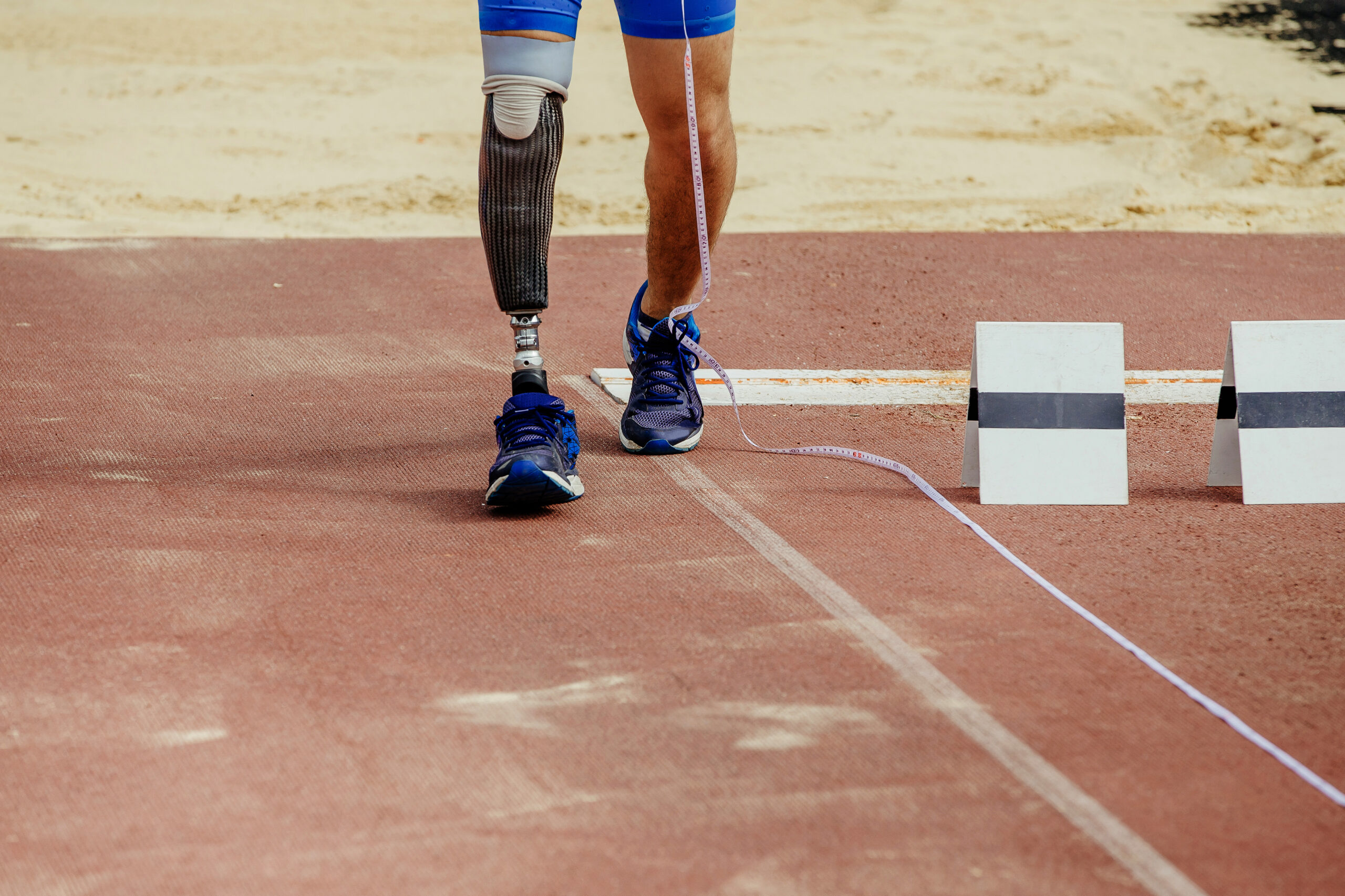
- Users with active lifestyles, regular participation in sports, outdoor work, or frequent prosthesis use tend to wear out covers faster.
- In such cases, covers may need replacing more often — potentially every 1–2 years depending on material and intensity of use.
- Similarly, if you use your prosthesis daily, commuting, working, or traveling often, accumulated wear can shorten a cover’s effective lifespan.
5. Cosmetic and Aesthetic Wear — When Appearance Matters
- Wear and tear that degrades the visual appearance: faded color, scratches, matte finish, cracked paint, or surface dents — especially important if you rely on the cosmetic cover for a natural limb look.
- If the cover no longer matches your skin tone (e.g., after tanning, weight change, skin tone variation), replacing it can restore a more natural appearance and boost confidence.
- Personal preference: as fashion, style, or personal expression changes — some users opt for new covers to match clothes, lifestyle, or mood (e.g., switching to a waterproof cover, or a more durable cover for active use).
Typical Lifespan of Cosmetic Covers & What Affects It
While there’s no universal “expiry date,” the lifespan of a cosmetic prosthetic cover depends on several variables: material type, activity level, care/maintenance, exposure to elements, and how well the underlying prosthesis remains stable.
| Cover Material / Type | Typical Lifespan (With Proper Care) | Factors That Shorten Lifespan |
|---|---|---|
| Silicone covers (realistic skin‑tone) | ~1–2 years | Frequent use, exposure to moisture/sweat, harsh cleaning chemicals, repeated flexing or impact |
| Thermoplastic/durable shell covers | 2–4 years or more | Heavy-duty activity, abrasions, repeated knocks, or stress on joints |
| Foam or soft-shell covers | 6–12 months (sometimes shorter) | High activity, rubbing with clothing/shoes, compression, water exposure |
| Custom 3D‑printed covers | 1–3 years, depending on material strength and finish | Material fatigue, post-processing finish wear, damage from impact, or environmental exposure |
Key points influencing lifespan:
- How often and intensively you use the prosthesis.
- Whether you engage in activities involving moisture, dirt, or impact (sports, outdoor work, gardening, etc.).
- How carefully you maintain and clean the cover (mild soap vs. harsh cleaners; drying properly; storing out of sunlight/heat).
- Whether your residual limb’s volume or the prosthesis alignment has changed over time, this can stress the cover or make it ill-fitting.
Best Practices: Maintain Your Cosmetic Cover & Know When to Replace
To maximize comfort, aesthetics, and the life of your cosmetic cover, follow these guidelines:
- Inspect regularly: Once a month (or more often if active), check the cover for cracks, splits, loose fit, discoloration, or signs of wear.
- Clean gently: Use mild soap and water; avoid harsh detergents or solvents; rinse thoroughly and air‑dry. Many manufacturers recommend against soaking, especially for covers with internal coatings or paint.
- Protect from harsh conditions: If you work or play outdoors — in water, mud, heavy labor — consider a more rugged or waterproof cover and clean it promptly afterward to avoid degradation.
- Check fit after limb or socket changes: Always review the fit of the cover if you’ve had a socket adjustment, residual‑limb volume shift, or a new liner — re‑fitting or replacing the cover may be necessary to avoid rubbing or instability.
- Have alternate covers if needed: Some users keep multiple covers — one for everyday aesthetics, another more rugged for work or outdoor activities (water-resistant, durable shell, etc.) — which helps preserve the “good” cover longer.
When It’s Not Just Cosmetic — Safety & Prosthesis Integrity
Replacing a cosmetic cover isn’t only about looks. In some cases, delaying replacement can compromise the prosthesis itself or lead to discomfort and skin issues.
- Protection of internal mechanisms: Many prosthetic components — joints, pylons, sockets — rely on the cover to shield them from dust, moisture, and impact. A damaged cover can expose these parts, accelerating wear or causing malfunction.
- Preventing skin irritation or injury: A misfitting or worn cover may rub against clothes or skin, or shift during movement — potentially causing blisters, chafing, or skin breakdown.
- Maintaining structural alignment and stability: If the cover no longer aligns correctly with the prosthesis after adjustments, it can affect gait, balance, or comfort — undermining the functionality of the entire limb.
- Hygiene and odor issues: Aged, worn, or damaged covers may harbor dirt, sweat, or bacteria, which can lead to skin irritation, unpleasant odor, or hygiene issues for the user.
Thus, replacing cosmetic covers promptly when necessary should be viewed not just as cosmetic upkeep, but as part of responsible prosthetic maintenance and user health.
How Often Should You Expect to Replace Cosmetic Covers?
While every user’s experience varies, here are some general guidelines:
- Low‑activity, everyday users (indoor, light walking): Every 2–4 years for durable covers (thermoplastic/3D-printed); every 1–2 years for silicone covers.
- Moderate activity, daily use (commuting, walking, typical lifestyle): Every 1.5–3 years, depending on maintenance and care.
- Active users, outdoor work or sports, exposure to water/dirt: Every 1–2 years for durable covers; silicone covers may need annual inspection and likely replacement within 1–2 years.
- After major changes: Replace or re-fit the cover whenever there’s a significant limb volume change, socket adjustment, or alignment modification — even if the cover appears intact.
These are starting points — actual replacement timing should be guided by regular inspection, comfort, fit, and signs of wear.
Choosing the Right Time to Replace: Factors to Consider
Deciding when to replace a cosmetic cover depends on a combination of signals — not just age or time. When evaluating whether to replace, consider:
- Visual and tactile condition: Look for cracks, splits, warping, loose fit, worn-out edges, or material degradation.
- Fit and alignment: Does the cover still fit snugly and align correctly with your prosthesis and socket? Any shifting, rubbing, or misalignment is a red flag.
- Comfort and skin health: Any new rubbing, pressure points, blisters, skin irritation, or discomfort during wear suggests the cover may be compromised.
- Activity levels and environment: Have you recently increased activity, spent more time outdoors, or exposed the prosthesis to water, mud, or impact? That may accelerate cover wear.
- Hygiene and cleanliness: Persistent odor, discoloration, staining, or difficulty cleaning indicate accumulated wear and possible microbial or material degradation.
- Prosthesis maintenance or changes: After socket adjustments, liner changes, weight change, or any other modification, re-evaluate the cover fit even if no damage is visible.
Final Thoughts
In short, cosmetic covers are more than just aesthetic add‑ons — they play a real role in comfort, protection, and the longevity of your prosthetic limb. By paying attention to wear, fit, and environmental conditions, you can know when to replace your cover and ensure that your prosthesis continues to serve you well.
If you’re unsure whether it’s time for a replacement or want to explore durable, realistic, or activity‑specific covers, Orthotics Ltd. is ready to help advise, fit, and fabricate covers tailored to your lifestyle and needs. Contact us today!
Frequently Asked Questions
1. How long should a cosmetic cover last before needing replacement?
It varies — but generally, durable covers (thermoplastic or 3D‑printed) may last 2–4 years, while realistic silicone covers often need replacement every 1–2 years, depending on use, care, and activity level.
2. Will a damaged cosmetic cover affect the function of my prosthesis?
Yes — a cracked or poorly fitting cover can expose internal components to dirt or moisture, lead to instability or misalignment, and increase wear on joints or mechanical parts. It can also cause discomfort or skin issues from rubbing or shifting.
3. What should I do if my residual limb’s volume changes or I get a new socket?
If you get a socket adjustment, limb volume changes, or make any modification to your prosthesis, have your prosthetist re-check the cosmetic cover fit. In many cases, a new cover may be needed to ensure secure attachment, alignment, and comfort.
4. How can I extend the lifespan of my cosmetic cover?
Inspect regularly for damage; clean gently with mild soap and water; avoid harsh chemicals or prolonged sun exposure; remove the prosthesis when not needed; store in a cool, dry area; and avoid excessive impacts or environmental stress (mud, water, heavy work) whenever possible.
5. Can I have more than one cosmetic cover for different uses (e.g., everyday wear vs. outdoor activities)?
Yes — many prosthetic users benefit from having multiple covers: one for a realistic appearance, one for rugged or waterproof use, or one designed for sports or outdoor work. This approach reduces wear on any single cover and allows you to match the cover to your activity.
Sources:
- https://www.sciencedirect.com/topics/medicine-and-dentistry/prosthetic-alignment
- https://www.evansvillesurgical.com/how-long-do-prosthetics-last/
- https://www.merckmanuals.com/home/special-subjects/limb-prosthetics/prosthesis-parts
- https://www.sciencedirect.com/science/article/pii/S2949822825002187